The history of the American rodeo: from farm work to extreme sport
🚀 Key Takeaways
- Concept key : Rodeo evolved from practical cattle work into an organized competitive sport.
- Practical tip : When attending, bring ear protection and sun shelter, and arrive early to see chutes and tack displays.
- Did you know : Many techniques and terms come from Mexican and Spanish vaqueros, a tradition that resonates with Camargue gardians.
Leather, dust, a sudden roar. Imagine the moment a rider launches from the chute and the crowd holds its breath.
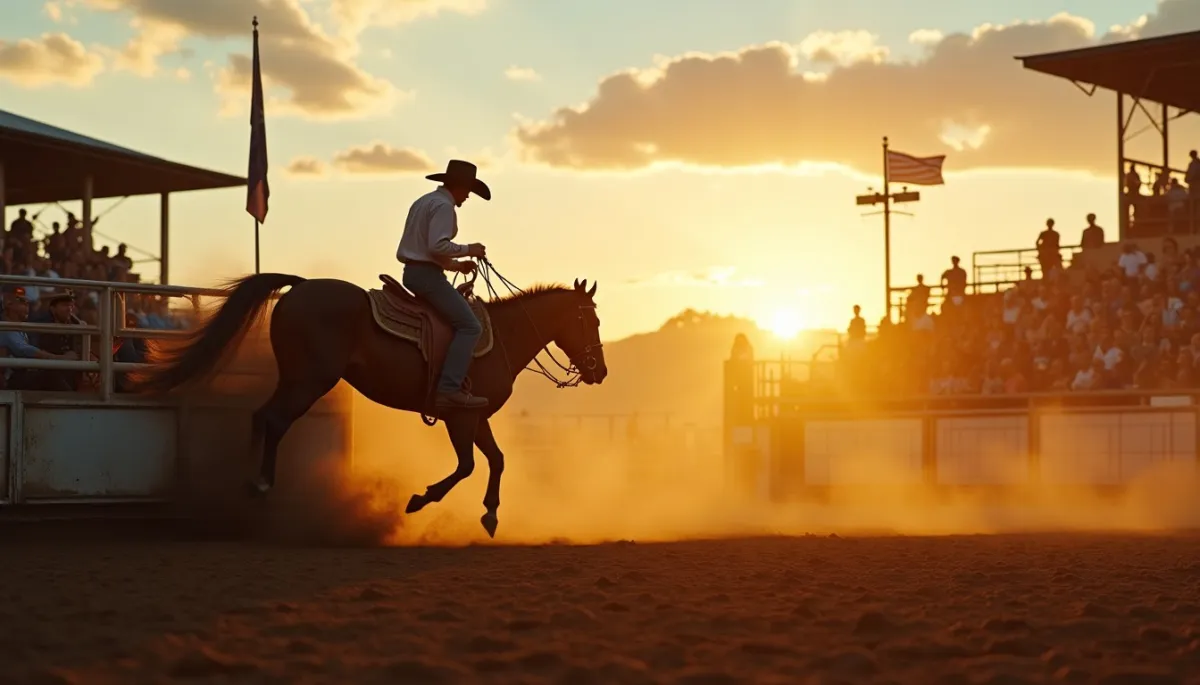
On a late summer evening at Cheyenne Frontier Days, Wyoming, rodeo lights cut through dust while announcers call names and old cow ponies stamp their feet. The scene is filmic but rooted in work: the same skills were once daily necessities for cattle men and women, turned into contests and spectacles that crossed state lines and oceans.
Dust and ropes
Rodeo events mirror ranch tasks. Bronc riding comes from breaking wild horses, steer roping from catching cattle for branding, and bulldogging (steer wrestling) reproduces a handling technique. These were not invented for sport, they were survival skills on the range.
Historically, the word rodeo is Spanish, from 'rodear' (to surround). The vaqueros of New Spain and northern Mexico codified techniques in the 1700s and 1800s that Anglo cowboys later adopted after Mexican independence in 1821 and during the Texas cattle boom of the mid-19th century.
Organized contests appeared in the late 19th century. Prescott, Arizona claims a contest in 1888; Cheyenne Frontier Days began in 1897 and still bills itself the "Daddy of 'em All". The Pendleton Round-Up started in Oregon in 1910, and across the border the Calgary Stampede launched in 1912, turning ranch skills into civic celebration.
From vaqueros
Key figures shaped rodeo culture. Bill Pickett (1870–1932), an African American cowboy, popularized bulldogging in the early 1900s, performing in Wild West shows. Casey Tibbs (1929–1990) brought celebrity to saddle bronc riding with multiple championships in the 1940s and 1950s.
Institutionalization followed. In 1936, professional cowboys formed the Cowboys' Turtle Association to lobby for better pay and rules. The group became the Rodeo Cowboys Association in 1945, and later the Professional Rodeo Cowboys Association (PRCA) in 1975. The Professional Bull Riders organization (PBR) was founded in 1992, speeding the commercialization of bull riding and creating superstar athletes like Lane Frost (1963–1989), Ty Murray (born 1969) and newer stars who command large purses.
Technology changed the sport. Radio and film in the 1920s and 1930s brought rodeo images to urban audiences. Television in the 1950s expanded fandom, and contemporary live streaming and sponsorships have turned rodeo into a lucrative entertainment industry.
Riding the beast
Modern rodeo is a mix of tradition and spectacle. Events are codified: timed roping, roughstock events (saddle bronc, bareback, bull riding), and timed events such as barrel racing. Each discipline has rules, scoring systems and specialized equipment, for instance flank straps on broncs and protective vests and helmets increasingly used by riders.
Safety evolved after tragic incidents. High-profile deaths, like Lane Frost's in 1989, accelerated conversations about protective gear and medical readiness. Today’s large rodeos include on-site veterinarians, emergency protocols, and concussion awareness programs. Bullfighters (formerly rodeo clowns) remain essential for rider protection in the arena.
Controversies persist. Animal welfare groups have criticized certain practices, leading to tighter regulations and independent oversight in many circuits. Simultaneously, the sport’s adrenaline and skill continue to attract young athletes, and prize purses in top events now reach into seven figures for champions across seasons.
Echoes in Camargue
Across the Atlantic, the Camargue preserves a horizontal kinship with the American West. Gardians ride the small, hardy Camargue horses, managing manades (herds) and practicing abrivade and bandido during local ferias. Unlike Spanish bullfights, the course camarguaise is non-lethal and emphasizes agility and respect for the bull, offering a cultural parallel in horsemanship and communal celebration.
Both traditions share craftsmanship: saddles, bits, rawhide ropes and a code of work ethic passed orally. Visiting a Provençal feria or an American rodeo reveals convergences of music, skill, and the social role of seasonal gatherings.
Practical advice for first-timers: pick seats upwind from the chutes for the best view, bring hearing protection for loud announced events, and respect the animals and riders. Learning a few terms helps, for instance 'chute' is the holding gate, 'flank strap' is not a harness to hurt an animal but a device to encourage bucking, and 'ride length' in roughstock is eight seconds for a qualified score.
Rodeo remains a living tradition, a mirror of rural economies, and a modern arena for spectacle and athleticism. Its path from practical ranch work to televised extreme sport tells us about adaptation, identity, and how communities turn labor into ritual and celebration.