History of the sombrero: more than a hat, a true survival tool in Mexico
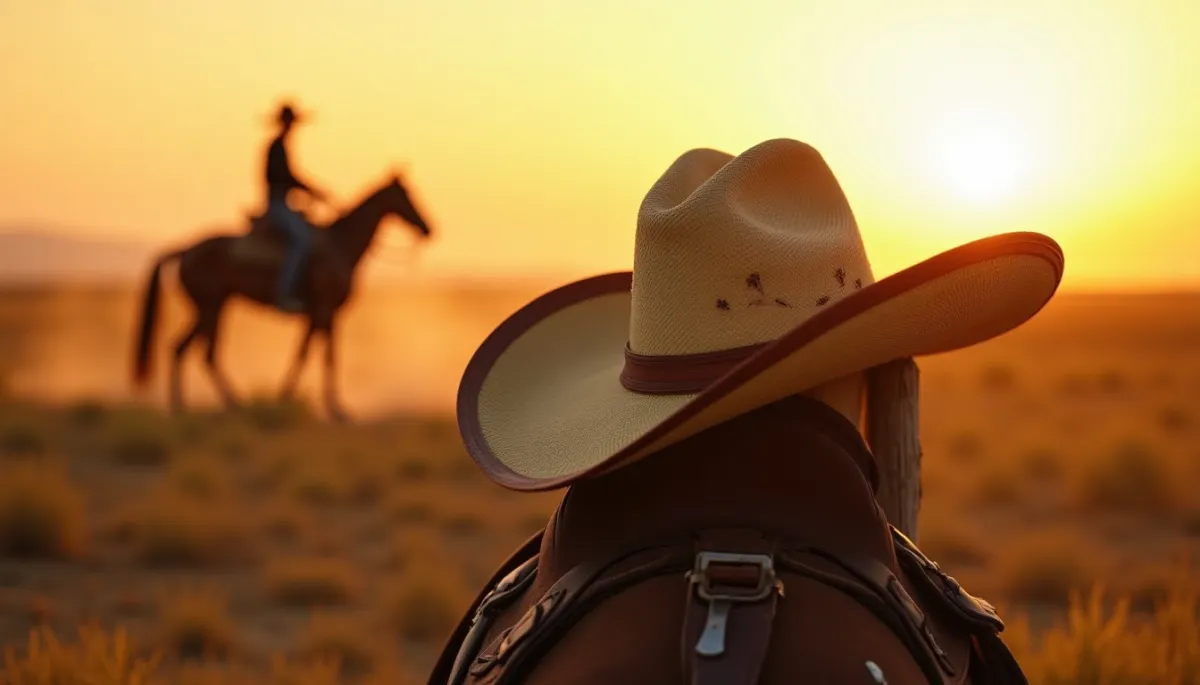
From arid plateaus to vibrant plazas, the sombrero has sheltered generations. More than fashion, it became a multipurpose tool for survival in Mexico, shaped by centuries of work and exchange.
🚀 Key Takeaways
- Core concept : The sombrero (from Spanish 'sombra', shade) is both cultural emblem and practical gear for sun, rain and daily tasks.
- Practical tip : For long sun exposure, choose a straw hat with 10 to 12 cm brim; for cooler nights, a felt crown offers insulation.
- Did you know : Mexican revolutionaries, charros and early vaqueros used the hat as a water scoop, fan, signal and temporary container.
It shields, carries, signals.
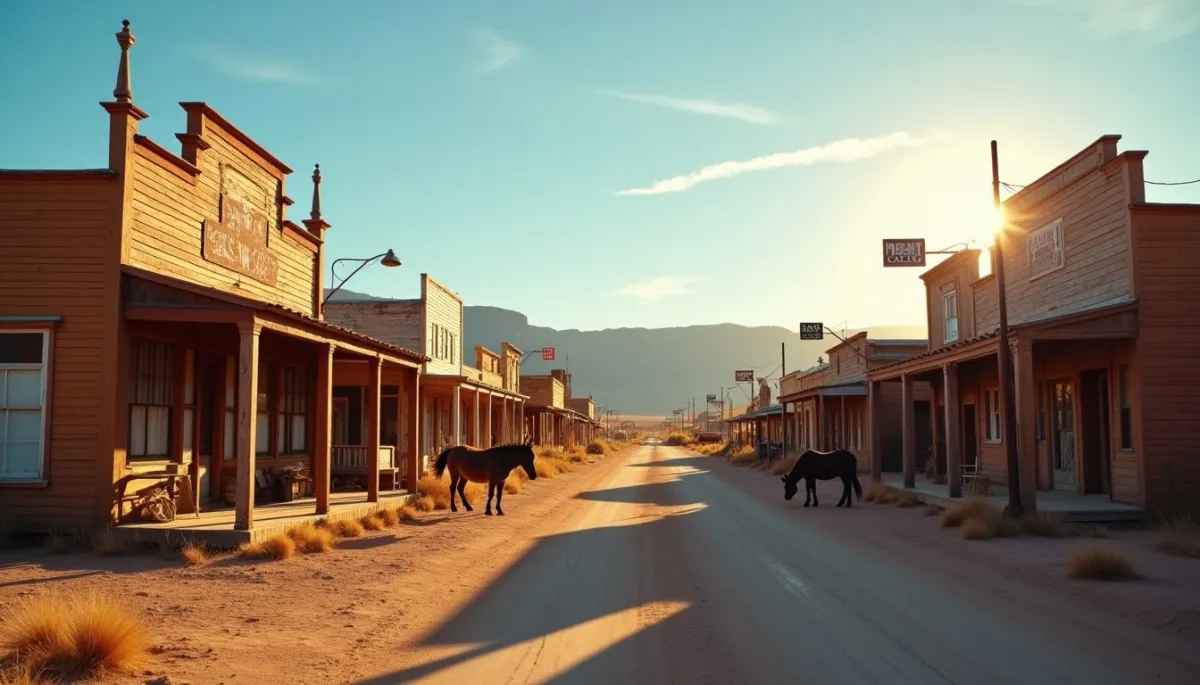
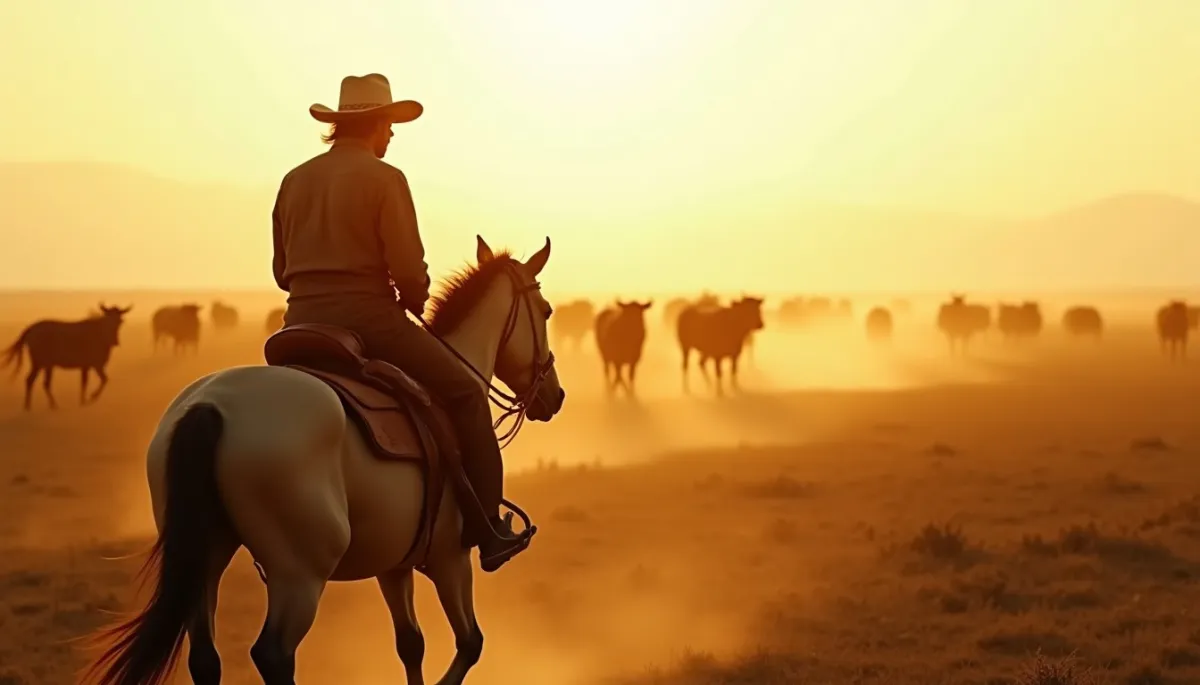
Imagine a dusty Jaliscan plain at noon in 1914, a line of riders crossing toward a hacienda. Their sombreros throw deep shade over faces, their brims bent with long use, some frayed at the edge. A rider pauses, lifts his hat, scoops water from a barrel to wet his neck, then fans a tired horse; the hat is both comfort and tool.
Origins and faces
The word sombrero comes from the Spanish sombra, meaning shade. Its broad-brimmed silhouette is older than the modern Mexican nation. Wide hats were worn in Iberia, and in the 17th and 18th centuries, Spanish settlers and horsemen in New Spain adapted shapes to local climates.
By the 19th century distinct types emerged. The sombrero de charro, with a high, decorated crown and rigid brim, became linked to Jalisco's horsemen and, later, to mariachi costume. The sombrero de paja (straw hat) was the daily companion of campesinos and vaqueros in Sonora, Chihuahua and the Bajío, chosen for ventilation and lightness.
Historic photos from the Mexican Revolution (1910-1920) show leaders like Pancho Villa wearing wide-brimmed hats. Those images cemented the sombrero as symbol of both rebellion and rural life. In cinema, figures such as Cantinflas and Hollywood westerns further exported its image worldwide in the 20th century.
Everyday survival
Practicality explains the sombrero's endurance. Under an intense sun it reduces heatstroke, by creating shade for head, neck and shoulders. The wide brim protects eyes from glare, improving visibility while riding or working cattle.
Beyond shade, the hat served many improvised functions. Vaqueros used it to collect water for a horse, to fan embers for cooking, and to signal with bright colors. A torn brim becomes a scoop, a band can bind a sprain, and the crown hides letters or money.
Local traditions preserve techniques: in Jalisco artisans shape felt crowns with steam, and in rural puebla straw weavers (in some towns) weave tight braids to resist rain. A well-made sombrero, when cared for, lasts years and becomes a personal tool adapted to daily dangers.
Why it evolved
Climate and work dictated form. In the arid north, heat and dust favored ventilated straw and broad brims. In central highlands, cooler nights and ceremonial life favored felt, ornamentation and taller crowns. Social signaling played a role: brim width, material and decoration declared profession, region and rank.
Colonial mixing also mattered. Indigenous headgear traditions met Spanish styles, producing hybrids. Ranching techniques (vaquería) that originated under Spanish rule created a class of horsemen whose needs shaped the hat: durability, shade and the ability to withstand wind while riding.
Economic changes shaped production. In the late 19th and early 20th centuries, industrialization brought cheaper felt hats, while local weavers continued to produce artisanal straw versions. Export markets and film exposure then transformed the sombrero into an international icon, but local functionality remained central.
Contradictions and future
The sombrero is celebrated abroad as a festive accessory, yet in Mexico it remains a tool. This duality creates misunderstandings. Tourist versions often flatten the hat’s protective qualities in favor of ornament or novelty size.
Conservation and identity debates are alive. Artisans in Jalisco and Guanajuato fight against mass-produced imitations, defending techniques transmitted over generations. Cultural institutions, since the 1990s, have catalogued traditional charro garments to preserve craftsmanship.
For the traveler, respect matters. Wear a sombrero as a functional object when needed, not as caricature. Choose authentic artisans when possible, learn basic care: store on a rack, reshape with steam, avoid heavy rain, and treat sweatbands with natural oils. In that way, you honor both the hat and the people who shaped it.