Horseback trekking in the Canadian Rockies: the practical guide
Explore the Canadian Rockies on horseback, feeling the rhythm of a sure-footed horse on high alpine trails. From Banff's valleys to the Icefields Parkway, this guide helps you plan a safe, immersive equestrian adventure.
🚀 Key Takeaways
- Concept key : Horseback trekking offers access to remote valleys and historic routes in Banff, Jasper and Yoho.
- Practical tip : Go June to September, choose guided rides if unfamiliar with mountain riding, carry bear spray and layered clothing.
- Did you know : Banff National Park was created in 1885, soon after the Canadian Pacific Railway opened the Rockies to tourism.
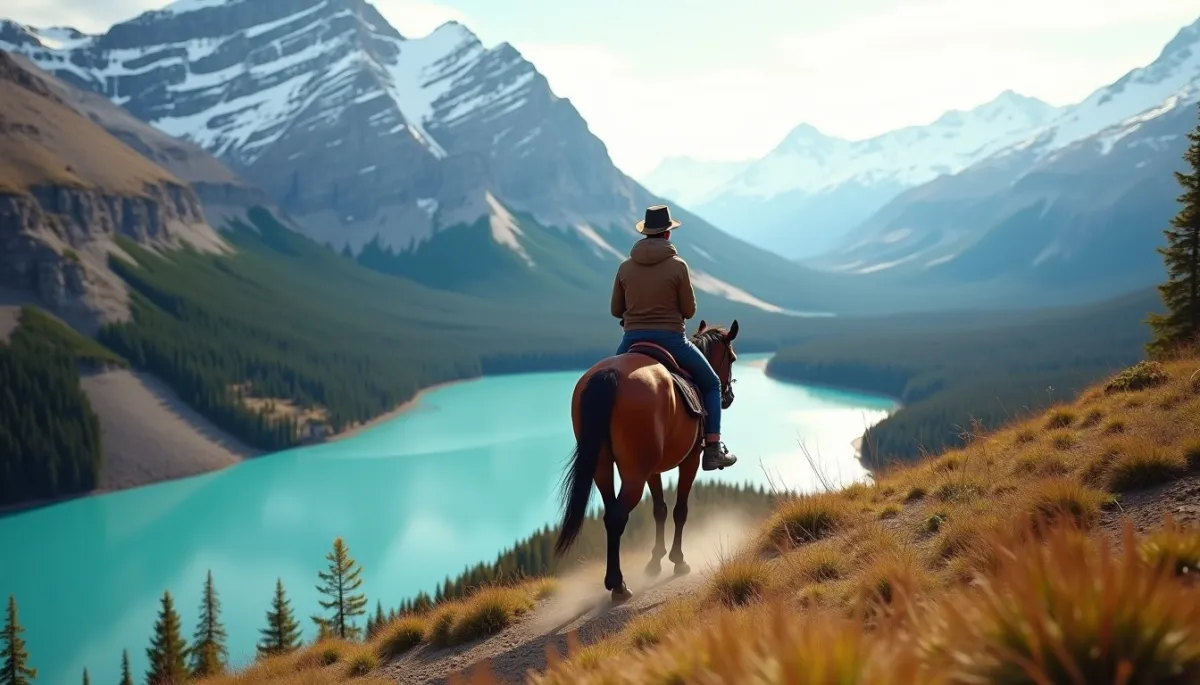
Silence, only the horse's breath. You crest a moraine and the valley opens, turquoise water below, peaks rimed with old snow.
Valleys and trails
Riding the Canadian Rockies means travelling through landscapes carved by ice and time, from the Bow Valley near Banff to the Athabasca River corridor in Jasper. Trails like those around Lake Louise and along the Icefields Parkway provide spectacular views and varied terrain.
Banff National Park, created in 1885, and Jasper National Park, established in 1907, have long histories of mountain travel. Early horseback explorers, mountaineers and the railway engineers of the late 19th century shaped many of the routes now used for recreation.
Some trails are restricted to protect fragile alpine meadows. Parks Canada publishes current maps and horse-use policies, including designated hitching and grazing zones. Respect seasonal trail closures, particularly in wet springs when paths erode easily.
Preparing the expedition
Pick the right season. High alpine passes often hold snow until June, while July to early September offers the most stable weather and abundant wildflowers. Night temperatures can drop below freezing above 2,000 m, so pack layers.
Choose your mount and tack carefully. The Canadian horse and Quarter Horses are popular for their sure-footedness and calm temperaments. If you do not own a horse, reputable outfitters offer trained trail mounts and guided programs that include tack, meals and camping.
Practical gear matters: a helmet or low-crown hat, waterproof layers, good riding boots, hoof boots for rocky descents, and a light sleeping bag if overnighting. Always bring a small first-aid kit for horse and rider, and a compact repair kit for tack.
Encounters and risks
Wildlife encounters define the mountain experience, but they require preparation. The Rockies host grizzly and black bears, elk, moose and mountain goats. Learn to travel in groups, make noise on brushy approaches, and carry bear spray accessible on your saddle.
River crossings can be deceptively dangerous. Check currents, scout shallow fords on foot, and unbuckle panniers when crossing. Never attempt to ride across glacier-fed rivers after heavy rain or rapid snowmelt.
Local knowledge saves rides. Guides know the rhythm of weather changes and animal migrations. If you ride in Alberta, remember events like the Calgary Stampede, founded in 1912, mark the region's long equestrian culture. For a subtle contrast, think of Camargue gardians and Rocky wranglers: different landscapes, same respect for horse and land.