Huasos of Chile: masters of Andean riding in the valleys
The huasos are the living link between Chile's Andean foothills and its central valleys. In their saddles, centuries of tradition meet daily life, music and competition.
🚀 Key Takeaways
- Key concept : Huasos are Chilean horsemen who combine farming, music and rodeo tradition.
- Practical tip : Attend Fiestas Patrias in September in Rancagua or Curicó to see an authentic rodeo.
- Did you know : The Chilean rodeo was declared national sport in 1962, and riders compete in teams of two.
La poussière flotte au crépuscule et les sabots résonnent. Imagine a medialuna (rounded arena) in Rancagua, wooden rails warmed by the sun, two huasos leaning into a turn to stop a calf, while folk singers in the stands pick at cueca rhythms; the air smells of mashas and empanadas, and an old man tightens the reins on a caballo chileno.
Saddle and valley
Huasos are the horsemen of Chile's central valleys, from Valparaíso to the Maule region, and up along the Andean slopes. They ride the caballo chileno, a compact and agile breed valued for finesse and quick turns, ideal for the medialuna.
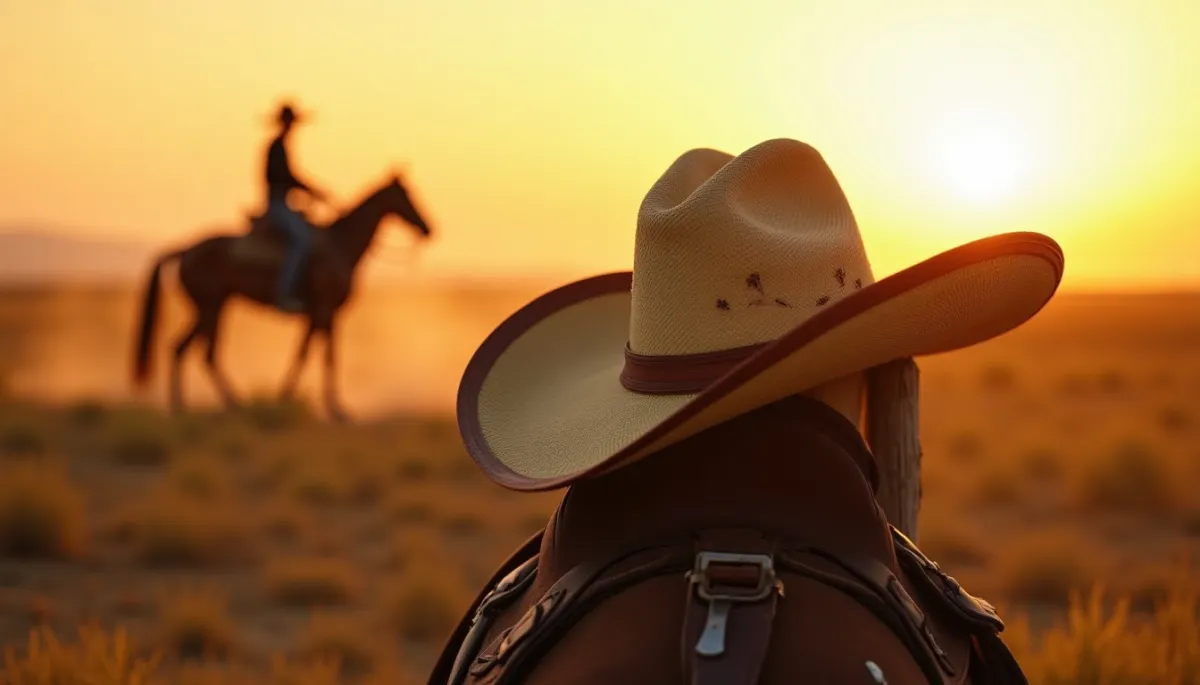
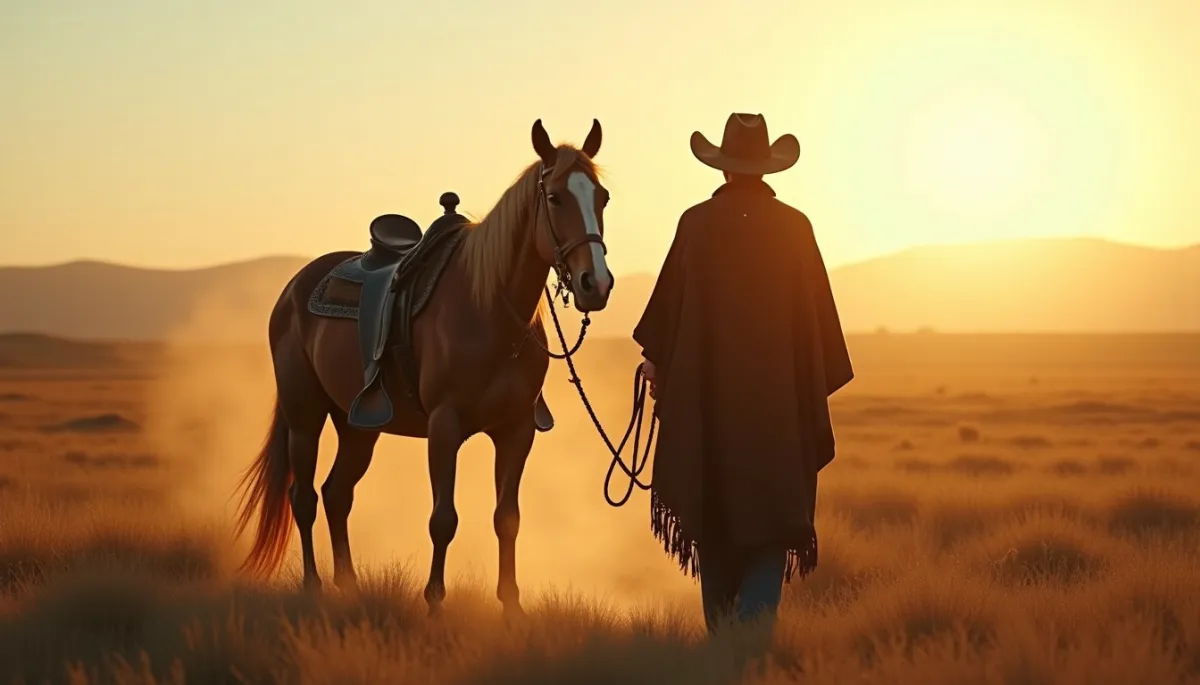
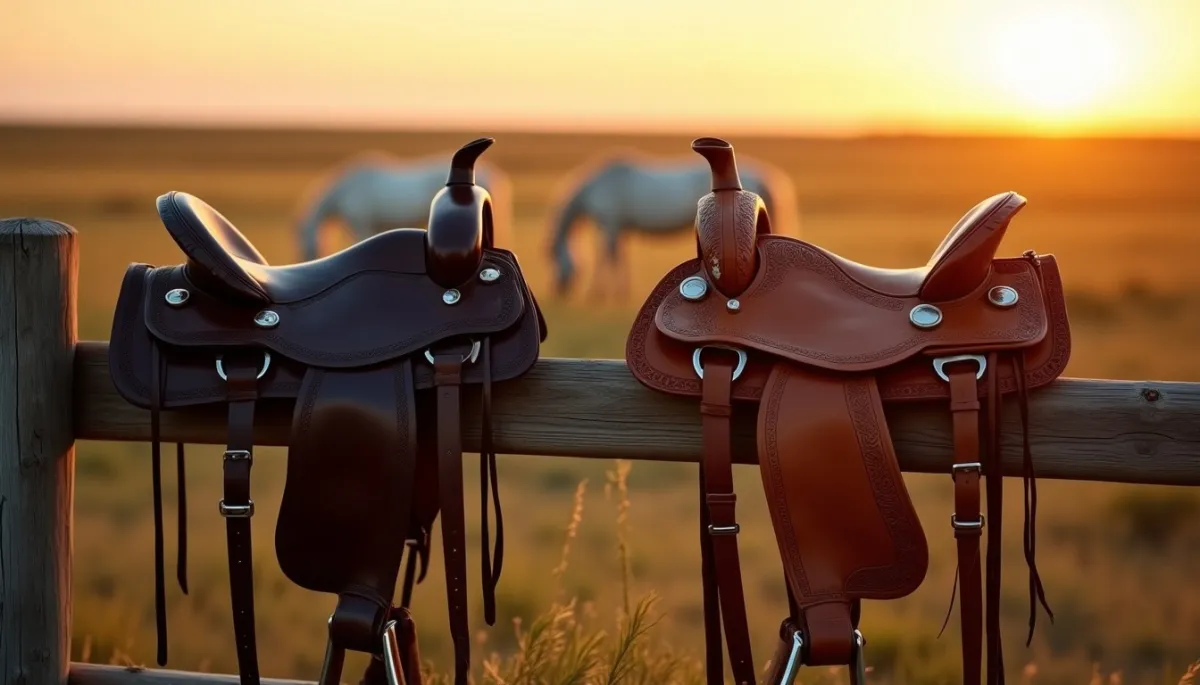
Their outfit is iconic: the chupalla (straw hat), the manta or poncho, booted legs and spurs, and the polished saddle called montura chilena. This visual identity is as recognizable in Santiago's parades as it is in a small hacienda.
Music and ceremony are inseparable from riding. The cueca, Chile's national dance, often accompanies huaso displays. Groups like Los Huasos Quincheros, founded in 1937, helped popularize this imagery across the 20th century and kept rural songs alive in cities.
Roots and rise
The huaso tradition grew during the colonial and republican eras, when estancias (large rural estates) in the 18th and 19th centuries relied on skilled horsemen for herding, transport and local security. Over generations, equestrian skills were refined into competitions.
The organized rodeo became a formal sport. In 1962 the Chilean rodeo was declared the national sport, consolidating rules and elevating the medialuna events into major social festivals. The annual national championship held in Rancagua attracts riders and breeders from across the country.
Anecdotes are everywhere: in 1950s villages, a huaso might ride 20 kilometers to market, returning with news, goods and a song. Families often keep bloodlines of the caballo chileno and pass mounting techniques from parent to child, preserving subtle maneuvers that make a huaso's hand unique.
Challenges and revival
Modern life pressures the huaso way. Urbanization since the late 20th century has drawn many away from the estancias, and some valley landscapes were parcelled for vineyards and housing. Maintaining large herds and riding traditions takes time and money.
Yet there is a visible revival. Agricultural fairs, heritage programs and tourism have created new income streams. Since the 2000s, rural tourism circuits in Colchagua and O'Higgins regions invite visitors to spend a day with huasos, ride in the valleys and learn to dance the cueca.
There are also debates. Animal welfare groups sometimes clash with traditional rodeo practices, prompting reforms and dialogues about safety for both riders and animals. Younger huasos often combine tradition with modern training, using improved saddles and veterinary care while keeping the ancestral etiquette.
Practical notes
If you travel to meet huasos, time your visit for Fiestas Patrias, on 18-19 September, when most towns host rodeos. In Rancagua, the medialuna is the heart of the national championship festivities. Dress respectfully, ask before taking photos and try local specialties such as empanada de pino and the sweet wine-based drink called terremoto.
For a short riding lesson, seek haciendas offering guided treks in the Andean foothills rather than improvised rides. A professional tamer will explain the montura chilena and basic commands; equestrian etiquette emphasizes calm hands and a light seat.
Finally, see the huaso as a cultural actor more than a stereotype. Their craft binds landscape, music, livestock and community. Like the gardians of Camargue, they are custodians of a way of life that resists being simply an image; meeting them offers a living lesson in adaptation and pride.