Living in a Montana ranch: the guide to a successful Far West immersion
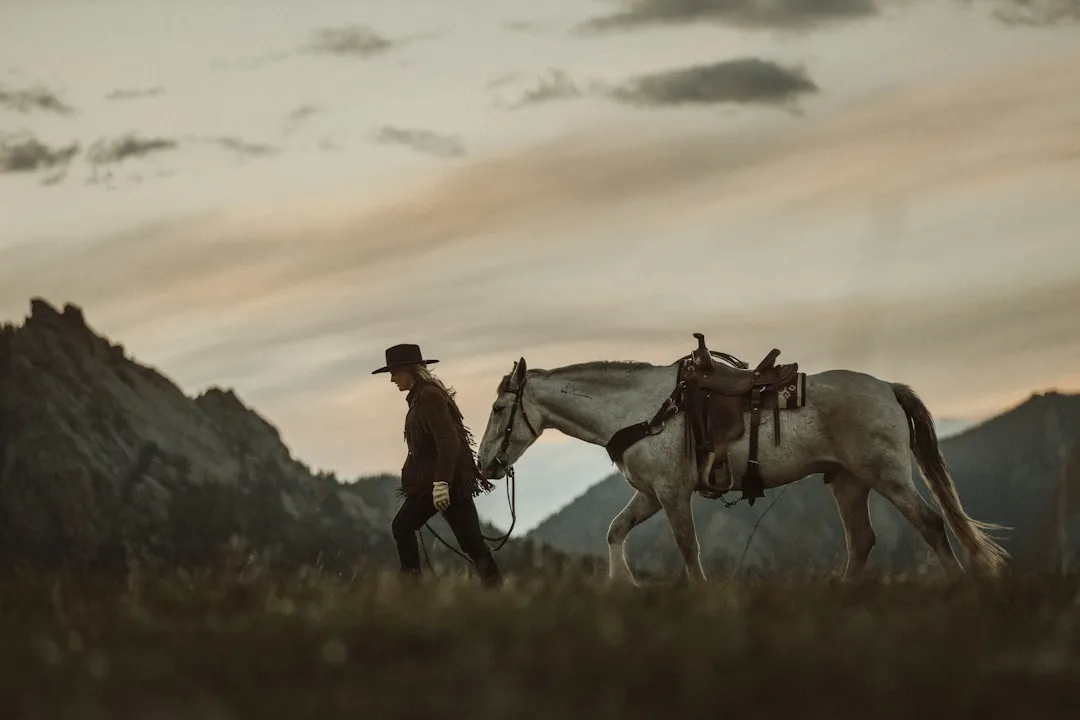
Want to wake up to open sky, cattle calls and the slow rhythm of ranch life? Living on a Montana ranch is less a vacation and more a rite of passage for anyone who wants to understand the Far West from the inside.
🚀 Key Takeaways
- Key concept : Living on a ranch is daily work and deep connection with land and animals.
- Practical tip : Pack layered clothing, quality boots and learn the basic horse handling before arriving.
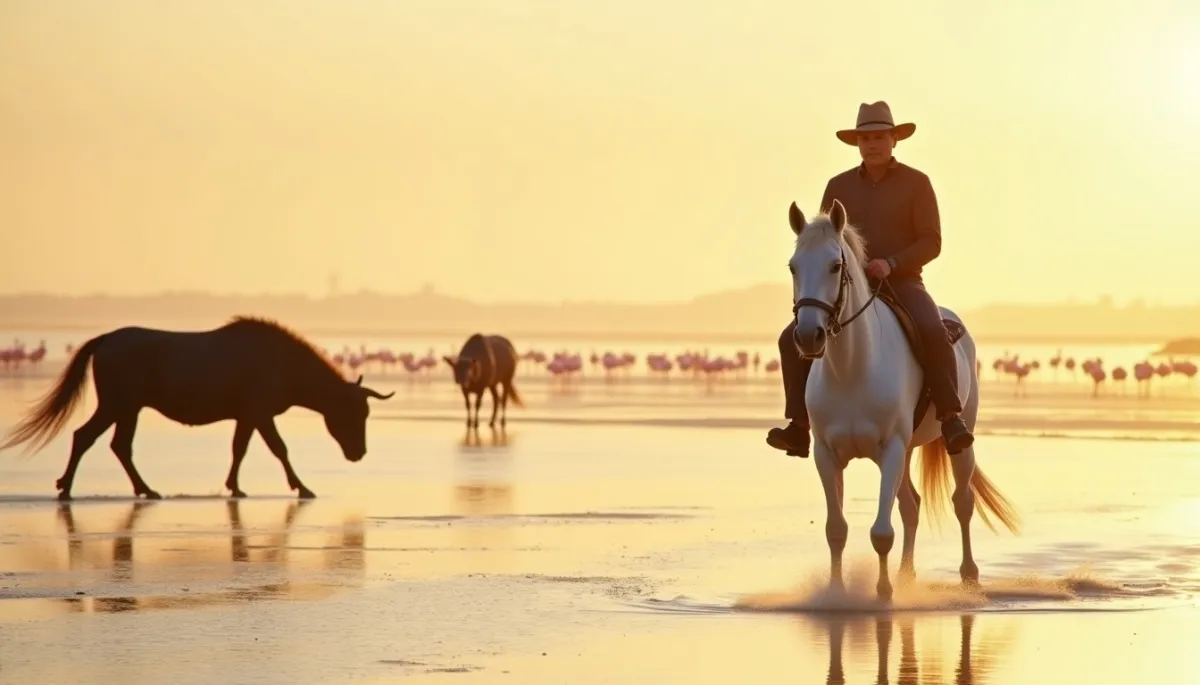
- Did you know : Montana ranch hospitality shares the same unhurried respect for livestock found in Camargue traditions.
Montana offers wide skies, bitter winters, and summers that smell of dry grass and diesel. If you want to live on a ranch here, prepare for real work, long days and an education in patience.
This guide brings you practical advice, cultural notes and safety essentials so your immersion becomes respectful, safe and rewarding. Think of it as the field notebook a trusted local would hand to a friend.
Why choose ranch life in Montana
Ranch life in Montana is about space and responsibility. You do not simply visit the landscape, you become part of the living system that feeds cattle, repairs fences and keeps water flowing to pastures.
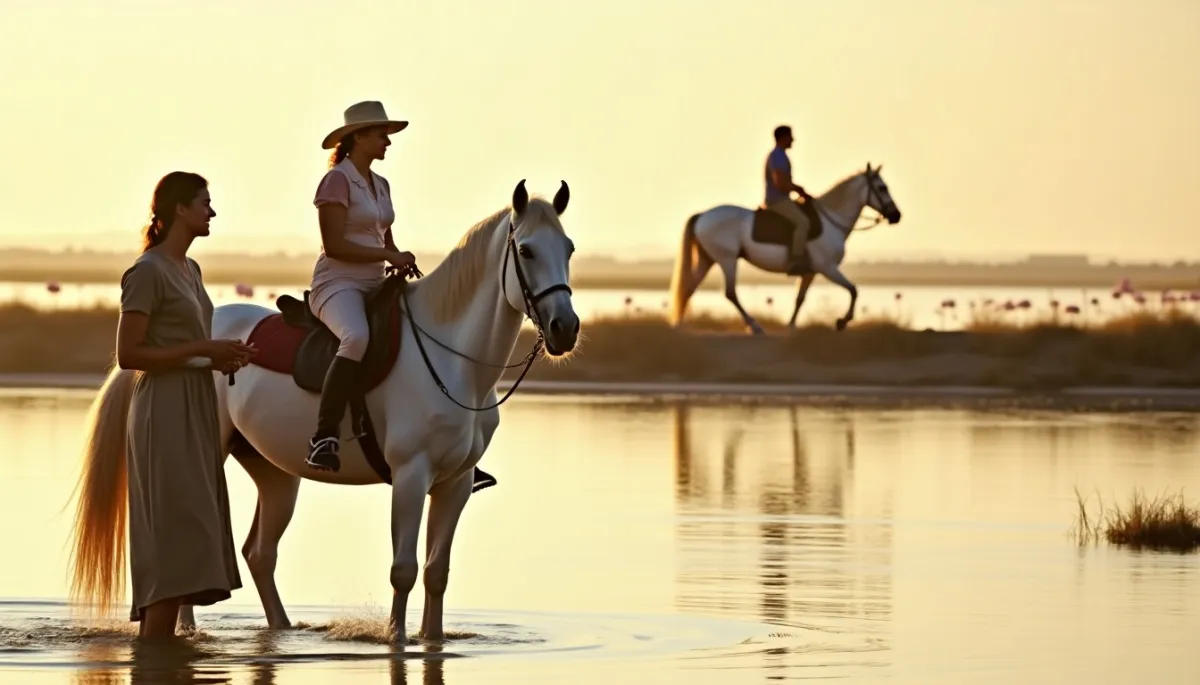
For those who love horses and open country, it is a way to reconnect with a working tradition. You will find echoes of other equestrian cultures, like the Camargue, where respect for the animal and land forms the backbone of daily life.
Preparing your arrival: paperwork and practical gear
Before you go, sort out your paperwork. If you are not American, ensure visa and insurance are in order. For seasonal work look into local regulations and whether you need specific permits for livestock handling.
Packing matters. Bring rugged, weatherproof boots, a hat, layered clothing for temperature swings, leather gloves and a good pair of sunglasses. A basic first aid kit and a pocket notebook will serve you well. If you plan to ride, take at least a few lessons at home so your seat and balance are ready.
Daily routines and what to expect
Ranch days follow the needs of animals more than the clock. You will feed and check livestock at dawn and again in the evening. Tasks include moving cattle, mending fences and maintaining water troughs and pumps.
Expect manual work, some mechanical repairs and long walks across uneven ground. Hospitality is genuine and often humble: meals may be simple but plentiful, and stories are the currency of the kitchen table.
Seasons, weather and how to adapt
Montana has distinct seasons. Winters can be harsh with heavy snow and subzero temperatures. Summer brings heat, dust and wildfire risk. Spring and autumn are short and changeable.
Adaptation is key. Learn to layer clothing, recognize early signs of hypothermia and heat stress, and respect seasonal schedules for calving and herd movements. Locals will teach you the calendar of the ranch more reliably than any app.
Horse care, riding etiquette and local practices
Basic horse care is non negotiable. Learn to groom, tack and read a horse's body language. Safety begins with a calm approach and consistent handling. Never run up behind a horse and always announce your presence.
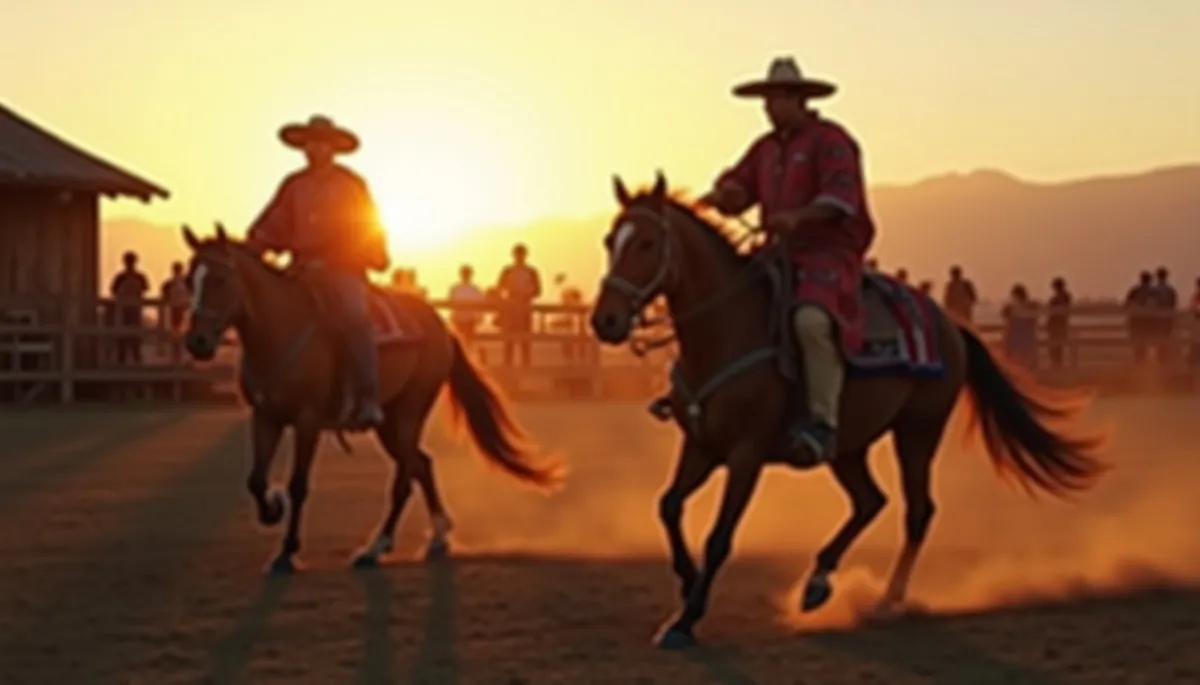
Riding on a working ranch differs from trail leisure. You will need to ride in close formation, respond to herd movements and sometimes hold a rope. Respect the rancher's commands; they come from experience and concern for the animals.
Community, etiquette and the unwritten rules
Ranch communities value reliability, humility and practical help. Show up on time, be willing to get your hands dirty and do not expect to be treated as a guest forever. Earning trust means contributing to the work.
Politeness goes a long way. Ask before photographing people or livestock, offer to help in the tack room and accept that some stories are shared slowly, over coffee or beer. You will find the same quiet, watchful respect for craft in Camargue smallholdings.
Safety, animal welfare and legal basics
Safety combines common sense and local knowledge. Learn how to move around cattle safely, use protective gear when handling calves and take basic mechanical precautions when driving ranch vehicles on rough tracks.
Animal welfare is central. Never push animals beyond safe limits and report any signs of distress. If you work for wages, clarify liability, emergency procedures and who is responsible for veterinary care.
Leaving the ranch: how to depart respectfully
When your stay ends, leave the place better than you found it. Clean your sleeping area, return borrowed gear and write a thank you note. Practical gestures matter more than grand speeches.
Ask for feedback so you can learn from the experience. Many ranchers will remember helpful guests and may invite you back for another season, or recommend you to colleagues across the state.
Living on a Montana ranch is demanding but deeply rewarding. It teaches work, humility and a sense of belonging to a landscape that changes you. Treat the land and animals with respect and you will leave with stories and skills that stay with you for life.