Leathercraft of Mexico: Secrets behind charrería saddles
In the dust of arenas and the cool shade of workshops, Mexican saddles tell stories. From León to Jalisco, artisans keep a centuries-old trade alive, blending function, beauty and identity.
🚀 Key Takeaways
- Core concept : Charrería saddles are handcrafted objects combining a wooden tree (arçon), vegetable-tanned leather and intricate tooling.
- Practical tip : Oil sparingly with neatsfoot oil, avoid soaking, and store saddles on a proper rack to preserve form.
- Did you know : León, in Guanajuato, is Mexico's leather hub where many master saddle-makers source materials and techniques.
La selle parle au toucher.
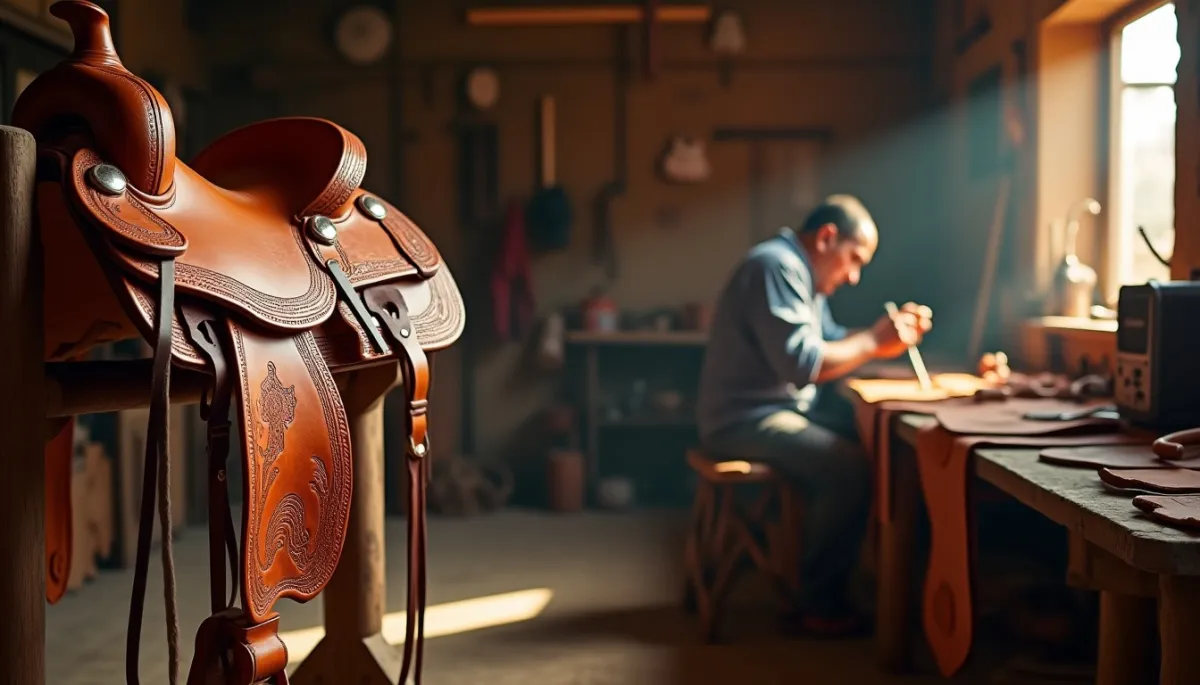
Imagine a small workshop in León, Guanajuato, late afternoon. Rays of sunlight cross a workbench cluttered with hammers, stamps and lathe shavings. A man bends over an arçon en bois, tapping rawhide strips into place, while across the room a woman carves filigranes florales into a piece of cowhide. The smell of oil and leather mixes with strong coffee, and from the radio floats a ranchera that could just as well être la bande-son d'une faena de campo.
Selles vivantes
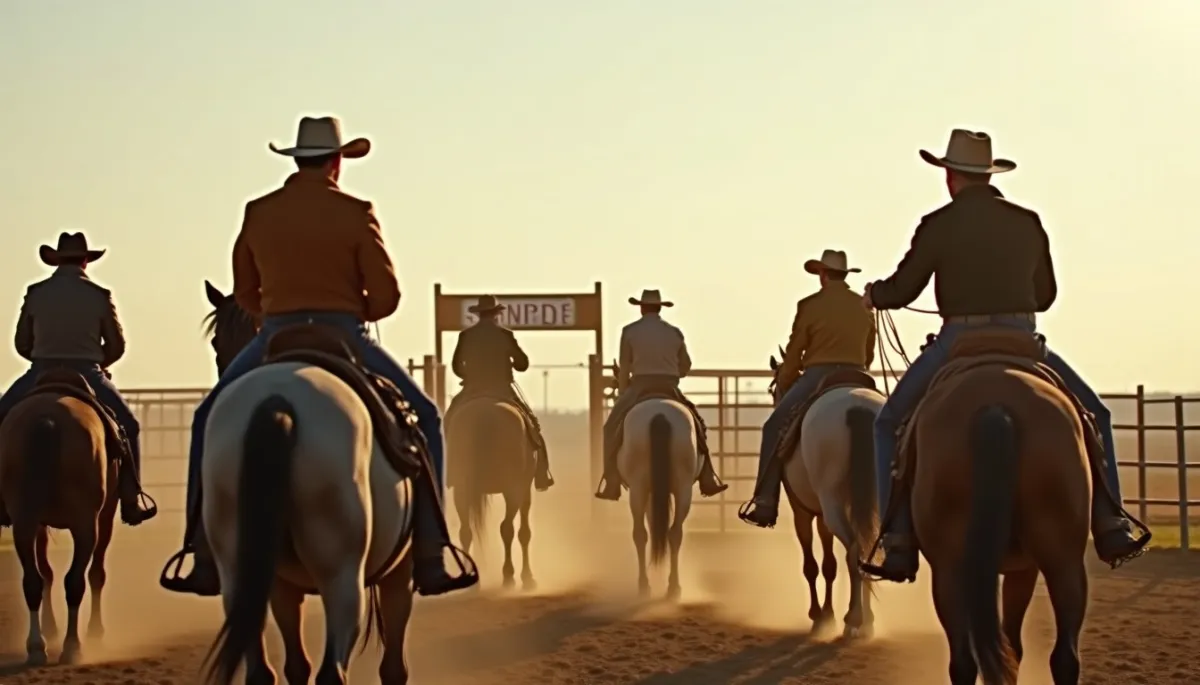
The charrería saddle is more than a tool, it is a cultural emblem. Designed for the charro, it supports acrobatic maneuvers, roping and long hours in the saddle. Its silhouette differs from English and Western saddles, favoring a high pommel and cantle, wide skirts and a firm seat to secure the rider during the suertes (maneuvers).
Artisans, known as guarnicioneros or talabarteros, shape each saddle by hand. In workshops across Jalisco, Zacatecas and Guanajuato, they cut, stamp and sew patterns that reference regional motifs. Some families pass patterns down for generations, signatures as recognizable as a maker's mark.
Famous workshops remain modest, often unnamed in guidebooks, yet their work reaches national charreadas and international collectors. The saddle used by a champion at the charro national in the Plaza México will often carry the mark of a small atelier rather than an industrial brand.
Du cuir à l'arçon
The process starts with the tree, the arçon. Traditionally carved from hardwoods such as cedar or pine, then reinforced with rawhide and metal plates, the arçon sets the saddle's shape and weight distribution. An ill-made tree can injure a horse; a good one becomes invisible to both mount and rider.
Leather selection follows. Vegetable tanning (curtido vegetal) is preferred for tooling, because it keeps fiber structure firm and responds well to stamping and carving. Hides are chosen for thickness, absence of scars and flexibility. Some ateliers use mixed tannage, combining vegetable tanned skirts with chrome-tanned linings for durability.
Tooling and decoration transform function into art. Craftsmen employ stamps, swivels and spatulas to emboss flowers, vines and geometric patterns. Silverwork, called talabartería de plata, is often added for gala saddles, with silver overlay and conchos that shine under arena lights.
Entre tradition et marché
Why does this craft persist? The reasons are practical and symbolic. Charrería remains a living sport and social practice, celebrated in festivals and family rituals. Saddles are heirlooms, passed from father to son or donated at significant life events, such as a charro coronation or a rodeo win.
Economic forces also shape the trade. León's leather industry supplies hides and tools, enabling small talleres to compete. Since the late 20th century, tourism and collectors' markets have increased demand for ornamental saddles, prompting artisans to adapt motifs and finishes for international buyers.
However, this evolution creates tensions. Mass-produced saddles threaten traditional shops, and cheaper chrome-tanned materials can undermine longevity and aesthetics. Nevertheless, many master artisans balance old techniques with selective modern methods, preserving structural steps while optimizing certain materials.
Maintenance et conseils
To keep a saddle for decades, routine care is essential. Brush dust, condition leather with sparing neatsfoot or specialized balm, and avoid long exposure to sun and rain. Check stitching and tree integrity regularly, especially after heavy use in charreadas.
If you buy a saddle in Mexico, request provenance: the workshop name, material details (vegetable or chrome tanning) and maker's mark. A simple test is flexing a small skirt edge; well-tanned leather resists cracking and returns to shape.
Finally, respect the ritual. Wearing a saddle into the arena is to participate in a living heritage. Treat it as you would a musical instrument: with maintenance, respect and an eye for the story it carries, from the arçon to the last concho.