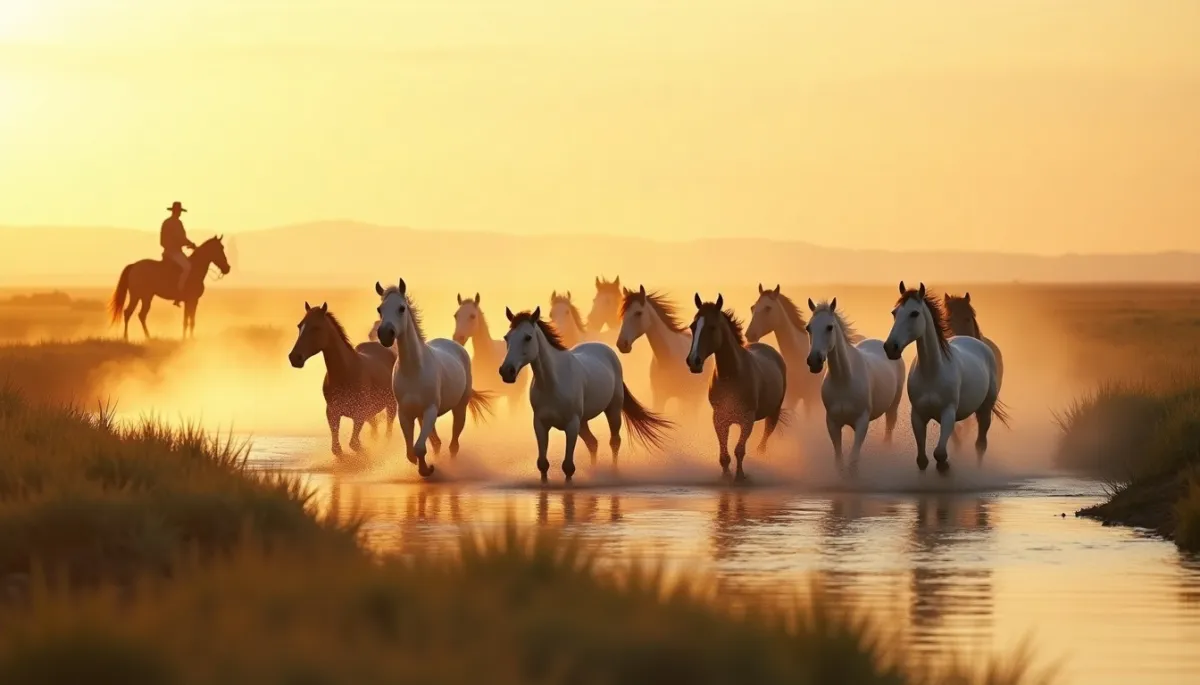
Ranch cooking in Mexico: Eat like a true vaquero
In the heart of northern Mexico, food and cattle move together. On ranches, every meal tells the story of seasons, riders and smoke.
🚀 Key Takeaways
- Core concept : Ranch cuisine is practical, preserved and grilled, born from the vaquero way of life.
- Practical tip : Rehydrate machaca or pack coffee grounds for cowboy coffee when riding long days.
- Did you know : Vaquero techniques shaped American cowboy cooking in the 19th century.
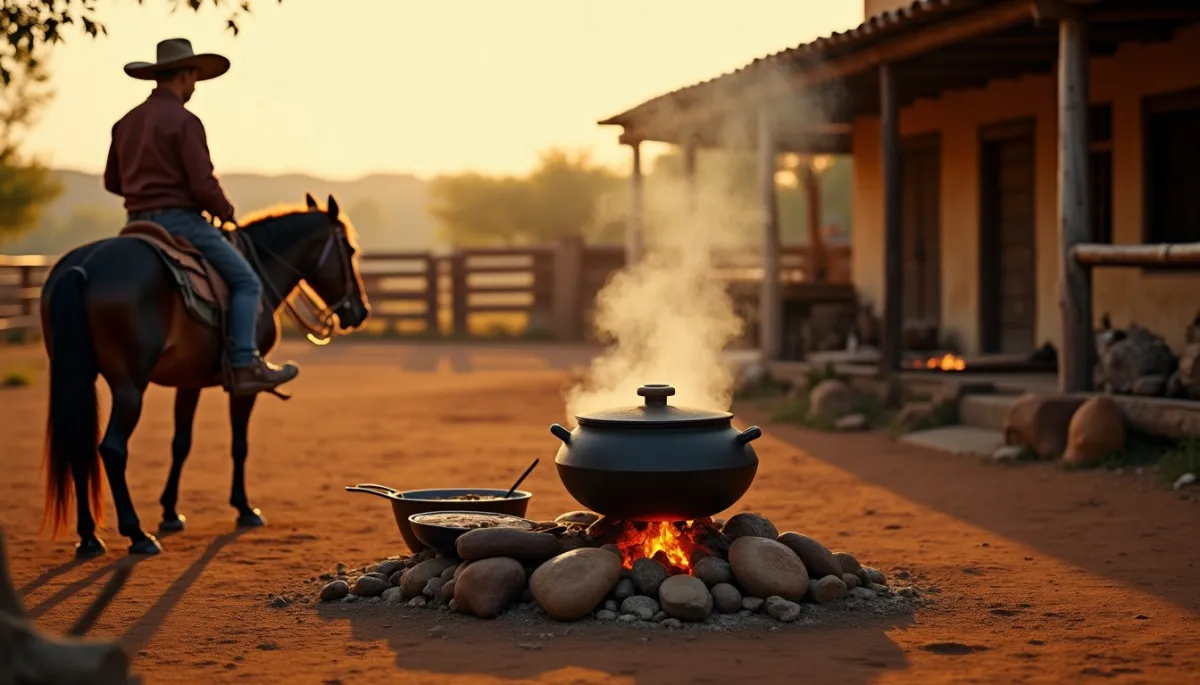
Smell the smoke. A skillet sings over mesquite embers while a vaquero rolls warm tortillas on a comal.
The scene is a wide rancho courtyard at dawn, somewhere between Sonora and Chihuahua. Horses shift, a dog circles the camp, and an old iron pot simmers with frijoles. Men and women who work cattle move with the same rhythm as the fire: quick, respectful, efficient. That rhythm defines what and how they eat.
Au feu de camp
Ranch food is first of all function. Meals must fuel a long day of work, resist travel, and be prepared with few utensils. Think tortillas, beans, grilled meat and eggs, foods that provide calories and salt.
On many northern ranches, carne asada over mesquite or oak is the anchor. Mesquite burns hot and gives a sweet-smoky note, favored in Sonora and Nuevo León. In the cool mornings, vaqueros often eat huevo con machaca, scrambled eggs mixed with rehydrated, shredded dried beef.
Preservation techniques matter. Sun-dried beef (carne seca) and machaca allowed meat to travel without refrigeration. The Spanish brought cattle to New Spain in the early 16th century, and by the 18th and 19th centuries ranching economies in places like Chihuahua and Sonora required preserved provisions for long cattle drives.
Des racines profondes
The vaquero tradition comes from Spanish stockmen, adapted to New World conditions. The word vaquero derives from 'vaca' (cow). From the 16th century onwards, ranchos and haciendas developed in northern and central Mexico, where cattle numbers grew and a specialized ranch culture emerged.
In the 19th century, Californio vaqueros influenced what became the American cowboy. Techniques, gear, and even vocabulary crossed the border. The classic wide-brim hat and the art of working cattle on horseback traveled and transformed, but so did culinary habits. Cowboys carried salted meat, tortillas and beans, dishes that also survive in Camargue gardian culture, where gardiane de taureau shares the same respect for slow-cooked meat.
Culinary specialties grew regionally. Birria, from Jalisco, especially from Cocula, was traditionally a goat stew slow-cooked with chilies and spices. Barbacoa, practiced in central states such as Hidalgo and Estado de México, uses a pit and maguey leaves to steam meat overnight. These methods suited communal ranch life and celebrations like rodeos and cattle roundups.
Tradition en mouvement
Yet ranch cooking is not frozen in the past. Mechanization, refrigeration and market access have changed menus. By the 20th century, railroads and trucks reduced the need for long-preserved supplies. Fresh produce and refrigerated meat became more common on many ranches.
At the same time, revival and pride in regional foods have revalued traditional techniques. In the 1990s and 2000s, chefs in Guadalajara and Mexico City rediscovered birria and barbacoa, elevating them in markets and restaurants, while local ranch families kept the older practices alive for daily life.
Contradictions remain. Tourist-friendly 'ranch dinners' may romanticize the vaquero life, serving neat plates under lantern light. In reality, ranch meals are pragmatic, improvised, and shared quickly between tasks. To cook like a vaquero today is to balance authenticity with modern safety and comfort.
Savoir-faire de terrain
Practical tips from the ranch. For cowboy coffee, boil water, add grounds, remove from heat, let settle, pour carefully. No filter needed. For machaca, soak dried shredded beef in warm water until soft, then fry with onions, chilies and eggs. For barbacoa at home, braise lamb or beef slowly in an oven wrapped in banana or maguey leaves to mimic the pit, eight to twelve hours.
Use a comal for tortillas and salsas; the comal is a flat griddle, often cast iron or clay. Understand nixtamalization: treating corn with lime (calcium hydroxide) improves flavor, nutrition and masa texture. Fresh masa yields tortillas that are the backbone of every vaquero meal.
Respect wood choices for grilling. Mesquite and oak impart distinct aromas. Salt and simple marinades (lime, garlic, salt) are enough. And always plan for leftovers; beans and tortillas reheat well on a comal and sustain next-day riders.
Rencontres et récits
Stories anchor practices. During the Mexican Revolution (1910-1920), leaders such as Pancho Villa relied on mobile kitchens to feed cavalry units. Ranch cooks learned to prepare large quantities over open fires. In Sonora, families remember itinerant vaqueros arriving with sacks of carne seca and recipes passed down for generations.
On many ranches, women were the culinary custodians, shaping menus for laborers and fiestas alike. Their recipes created community: stews, tamales, and breads made for workers during roundups. Those traditions persist in small towns and at rodeos where community cooks feed dozens after a day on horseback.
To eat like a vaquero is to choose simple, bold flavors and food designed to travel. It is to value preservation, seasonality and the social act of sharing a pot. Whether in the mesas of Sonora or the marshes of Camargue, the rhythm of land and animal shapes what we place on the plate.