Mexican vaqueros: the true founding fathers of American cowboys
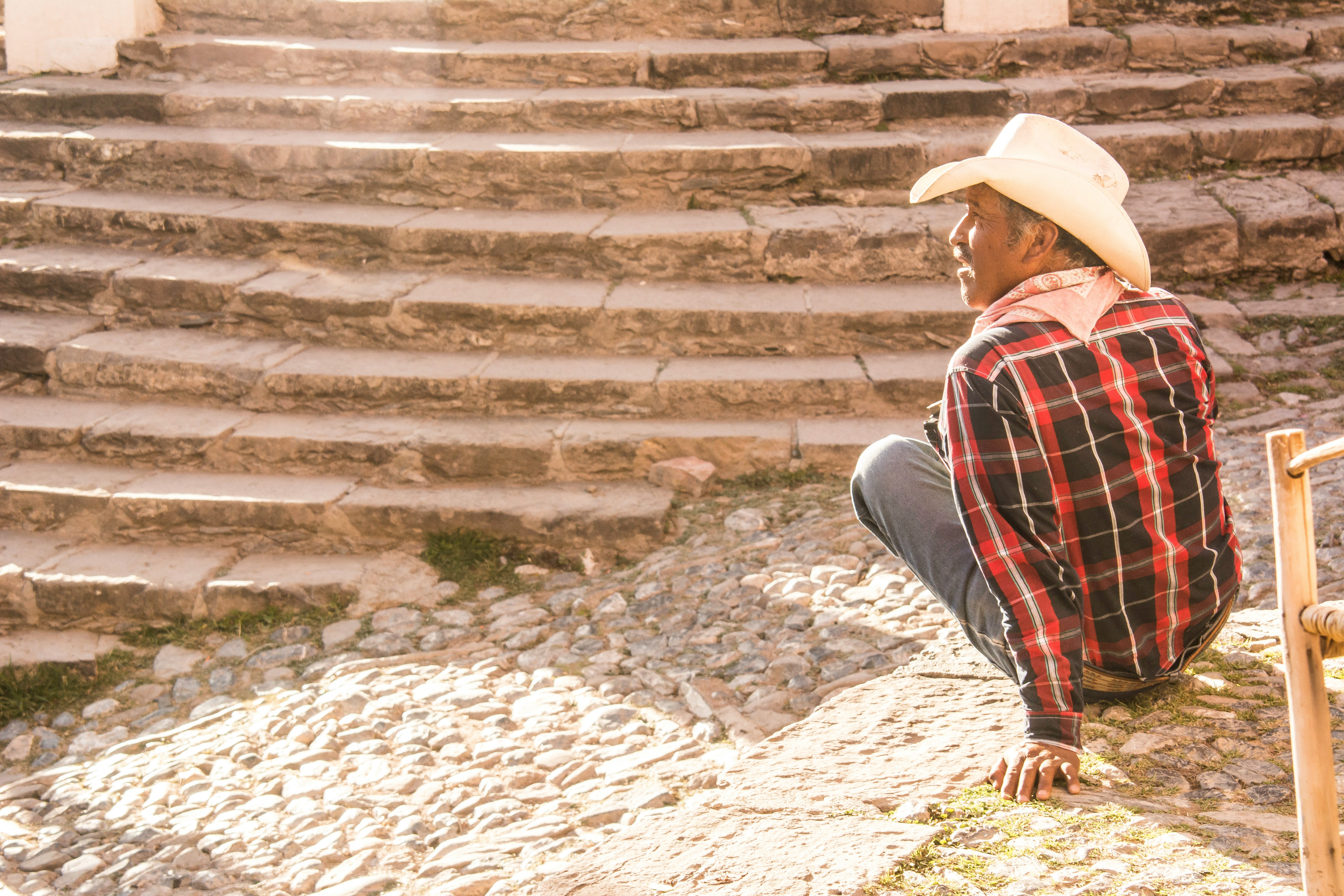
They rode the earth before the borders carved it up. Their horses, their lazos and their methods shaped what we know today as the cowboy.
🚀 The essentials
- Key concept: The vaquero tradition from New Spain brought techniques, equipment and vocabulary to the American cowboy.
- Handy Tip: Look for bosal, rawhide reata and chaparreras at heritage ranches to see the parentage.
- Did you know: The word “buckaroo” comes from an English pronunciation of “vaquero” and “chaps” comes from “chaparreras”.
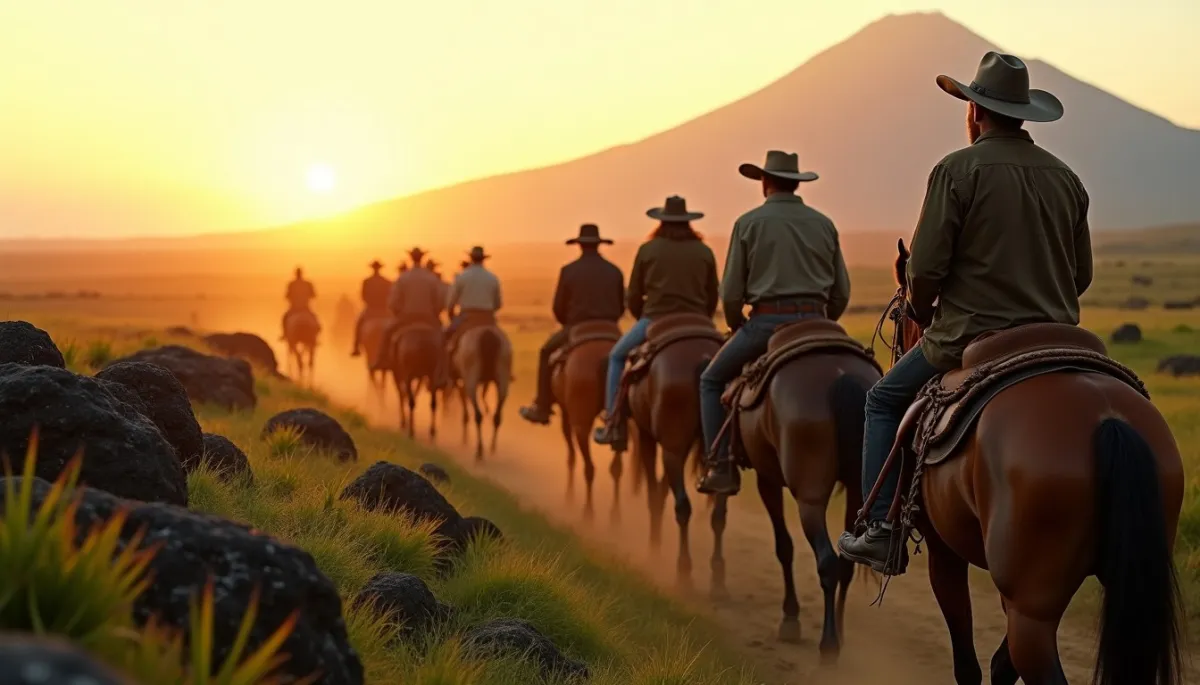
The history of the American cowboy begins long before popular stories, with the vaqueros of New Spain. From the 16th century, Spanish breeding in Mexico gave birth to professional riders who mixed Iberian knowledge, indigenous techniques and the know-how of people reduced to slavery.
When the territories changed sovereignty in the 19th century, these skills traveled with the men and the herds, and irrigated the practices of the American Southwest. Many pieces of costume and equestrian repertoire that we believe to be typically “American” are of vaquero origin.
Rural and colonial origins
Large haciendas required horsemen capable of managing herds over great distances. The Spanish approach to horsemanship, combined with local techniques, produced a distinct and robust way of working horses and livestock. Indigenous and African populations played a major role in this evolution.
Over the generations, methods such as the use of bosal, progressive horse work and rawhide straps have been perfected. The Spanish vocabulary of the equestrian world has become established and has traveled: lazo, reata, chaparreras are all marks of this continuity.
Techniques that cross the border
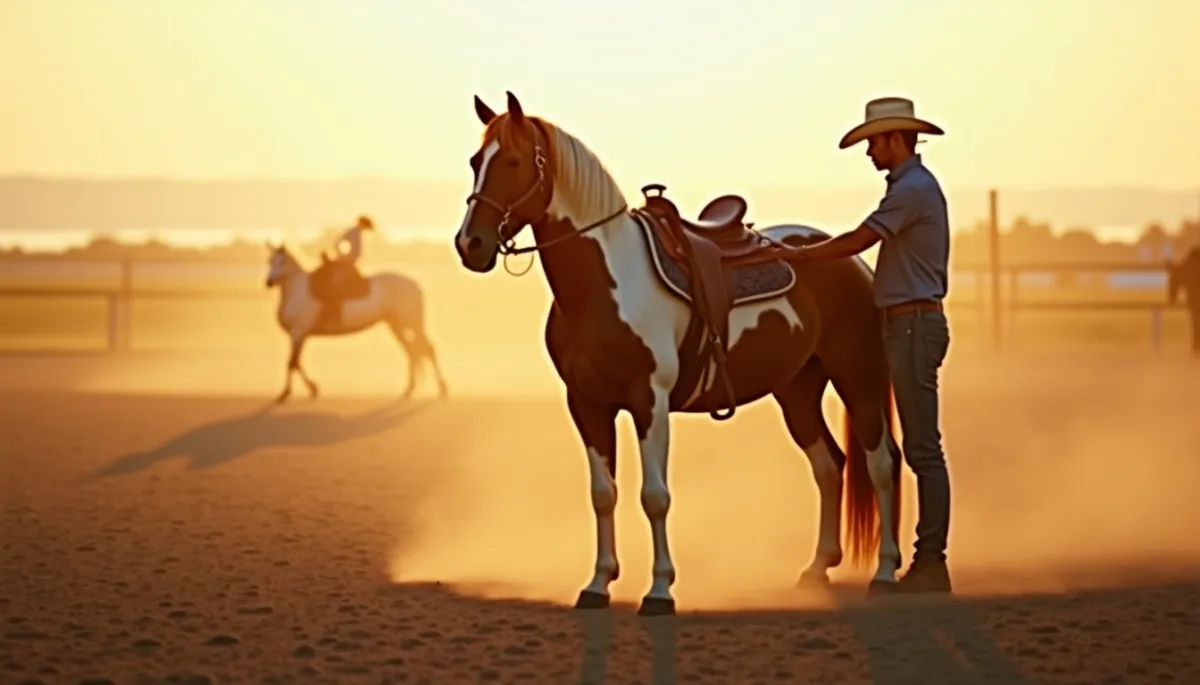
Techniques for capturing, driving and training horses have followed men. The vaquero method, which favors the progressive education of the horse starting with the bosal, has influenced many American trainers. It relies on the finesse of the aids and the cooperation of the horse.
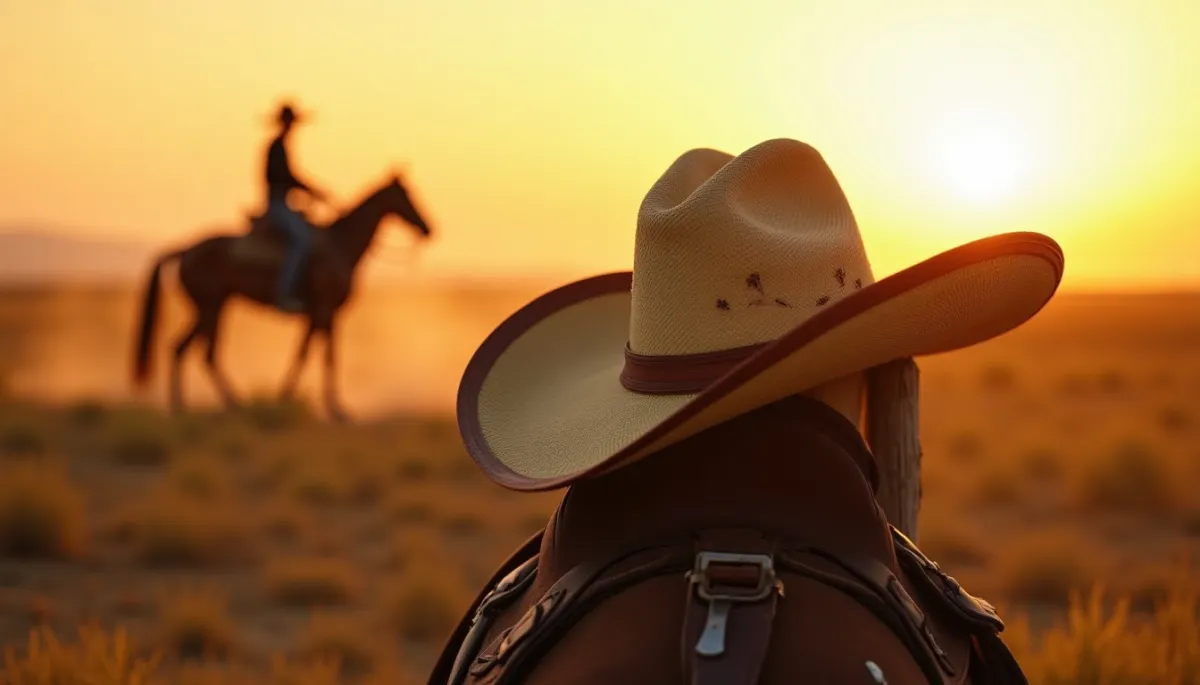
Large transhumances, the marking of animals and the organization of rounds use vaquera structures. The material also crossed the border. Rawhide reatas, certain types of saddles and leather protection evolved into what we recognize today as a cowboy.
Vocabulary, equipment and living traditions
Language keeps memory. Words like buckaroo, reata or chaps refer to vaquero origin. The names of tools, training steps and celebratory practices like the charreada nourished the culture that would become modern rodeo.
Many ranches, especially in California and the Southwest, continue to practice techniques inherited from the vaqueros. Museums and enthusiasts are working to preserve leatherwork, training sequences and know-how so that this history remains visible.
A cultural heritage to be recognized
To speak of the vaqueros is to recognize a composite and often unknown past. Vaqueros were mestizos, indigenous, African, and Spanish, and their practice reflected colonial and postcolonial social and economic realities. The simple story of the solitary cowboy must give way to this plural reality.
Today the vaquera memory lives on in the music, festivals and equestrian communities that celebrate the charreada, ranchera songs and traditional equipment. Research and heritage projects help to raise awareness of these origins and broaden the way we talk about the West.
Where to see this tradition today
Visit specialty museums, attend a charreada, or seek out ranches that preserve vaquera methods. In California and the Southwest, there are still horses and riders trained using these practices.
Approach these places with respect and curiosity. The vaquero heritage is vibrant and complex. Observing the work, exchanging with practitioners and supporting heritage initiatives are the best ways to learn and participate in its transmission.