Modern western style: How to wear the cowboy look with elegance and ethics
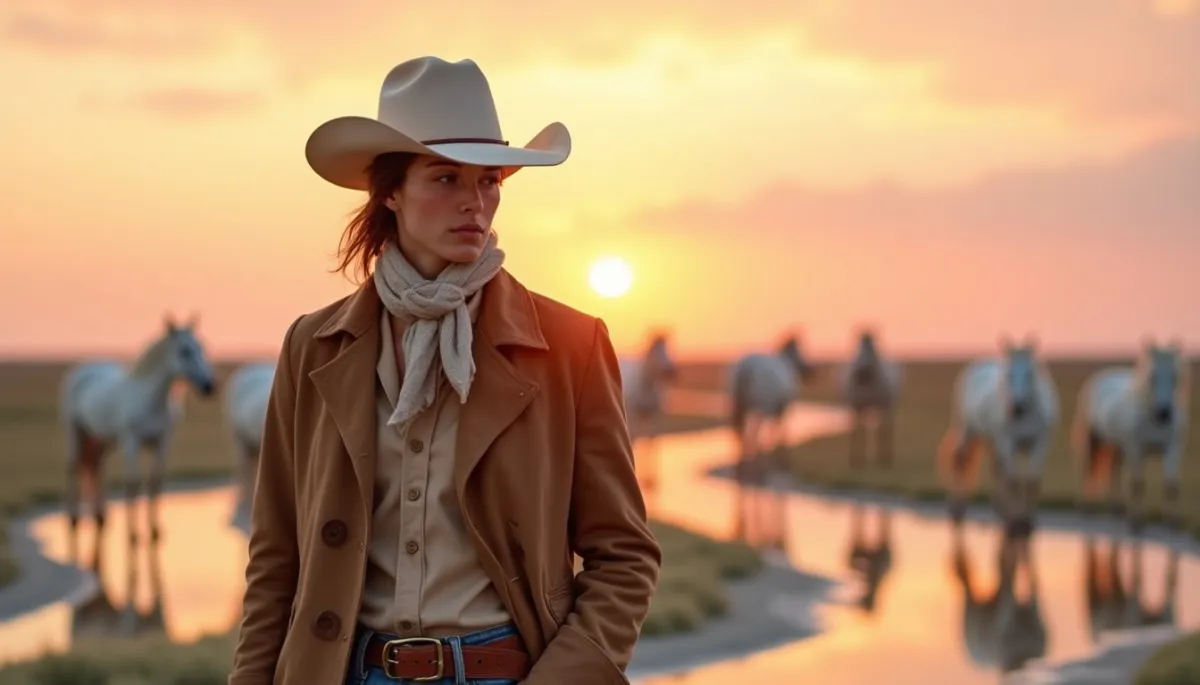
From the salt marshes of Camargue to the wide skies of the American West, the cowboy aesthetic is being rewritten for our time. Learn how to mix heritage, elegance and responsible materials to create a modern western wardrobe.
🚀 Key Takeaways
- Core concept : Blend one or two western pieces with timeless basics to keep the look elegant.
- Practical tip : Prefer vegetable-tanned or certified (LWG) leather, or plant-based alternatives like Piñatex and Desserto.
- Did you know : Camargue gardians have their own 'western' tradition, with short jackets and a riding culture dating back centuries.
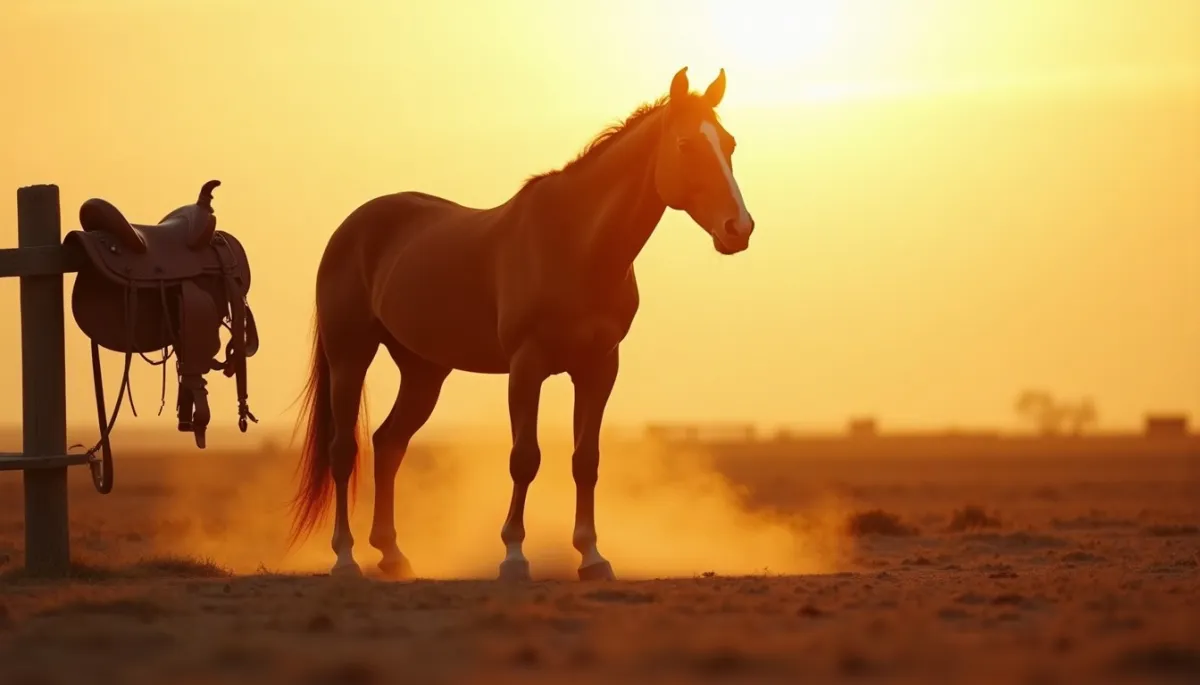
It feels like dusk over the marshes. A single horse snorts, and a modern hat silhouette cuts the horizon.
Heritage and presence
The cowboy look has roots in the 19th century cattle culture of North America, roughly between 1860 and 1890, when practical garments became iconic. Wide-brimmed hats, sturdy boots and denim were not fashion statements but tools for work.
Cinematic faces like John Wayne (1907-1979) and later Clint Eastwood helped mythologize the silhouette on screen. In fashion, houses such as Saint Laurent under Hedi Slimane in the 2010s popularized slim, rock-inflected western pieces on the runway, bringing the aesthetic to urban wardrobes.
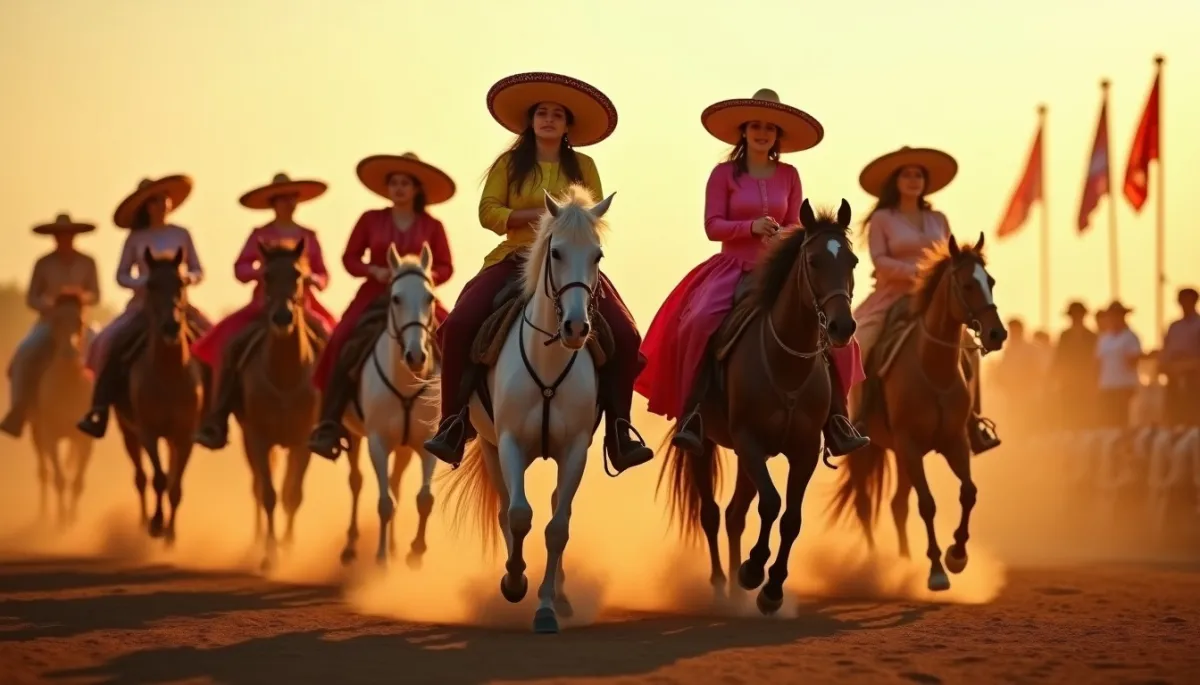
Closer to home, the Camargue gardians—riders who tend bulls and horses around Arles and the marshes—display a parallel tradition. Their veste gardiane, robust trousers and hand-crafted saddlery are a local version of the cowboy uniform, born from necessity and refined by generations.
Materials and savoir-faire
Choosing materials is where elegance meets ethics. The Leather Working Group (LWG), created in 2005, audits tanneries for environmental practices. Vegetable-tanned leather uses plant extracts instead of heavy chrome salts; it ages beautifully and is repairable.
Plant-based leathers have matured fast. Piñatex (Ananas Anam, launched 2014) uses pineapple leaf fibers. Desserto, a cactus leather from Mexico, emerged in 2019. Biotechnology brands like Bolt Threads presented Mylo (mushroom leather) prototypes in the late 2010s. These options reduce reliance on animal hides and can lower environmental impact when produced at scale.
For authenticity and durability, seek pieces from artisanal makers: saddle-makers in southern France, small bootmakers, and certified ateliers. Repairability matters: resoling boots, re-stitching saddles and conditioning vegetable-tanned leather extend a garment’s life and reduce waste.
New codes and balance
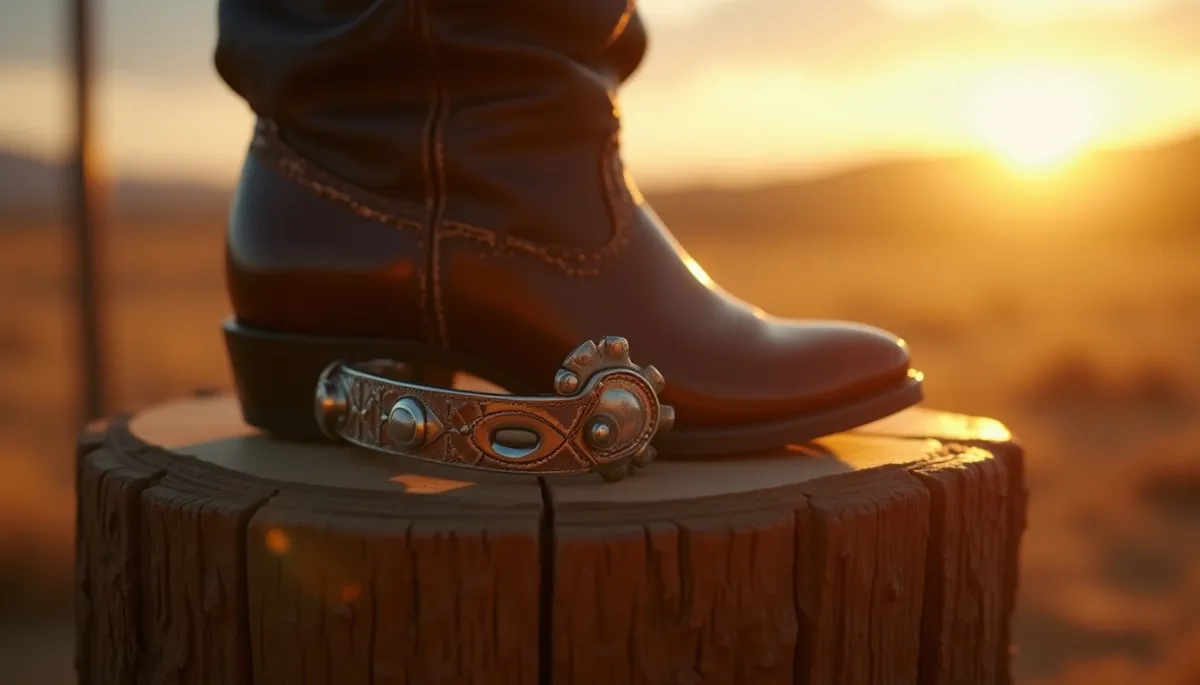
Modern western is not costume. Elegance comes from restraint: pick one statement element, such as a structured suede jacket, a pair of quality cowboy boots, or a hand-tooled belt, and combine it with contemporary cuts—clean denim, linen shirts, or tailored blazers.
Mixing references works well. Pair a Camargue-style short jacket with slim trousers and minimalist trainers for a day look. For the evening, a silk scarf at the neck replaces the traditional bandana while keeping the silhouette’s spirit.
Be mindful of authenticity and appropriation. The cowboy look has diverse origins, from Mexican vaqueros to vaunted American myths. Honour craftsmanship, name the sources of your pieces, and prefer local producers when possible. In Europe, the 2022 EU Strategy for Sustainable and Circular Textiles encourages traceability and longer product life, aligning with this approach.
Practical checklist: start with vintage or second-hand boots, choose one new piece in certified leather or plant-based material, maintain with proper care products, and buy from artisans who explain their sourcing. This way, the western style becomes not only elegant, but durable and ethical.