Where to eat local and authentic in the Camargue
Eat like a gardian, taste the salt and the rice of the lagoon.In the Camargue, tables are anchored to marshes, salt flats and the slow rhythm of herds; saisons and tides order what arrives on the plate.
🚀 Key Takeaways
- Key concept : Locality matters, from gardiane de taureau to riz de Camargue.
- Practical tip : Favor manades, marchés and restaurants like La Chassagnette for farm-to-table.
- Did you know : Fleur de sel comes from the Salins de Camargue, visible at Aigues-Mortes and Salin-de-Giraud.
Close your eyes, breathe in iodine and hot dust, hear the cry of a herder calling his bull across the marshes.
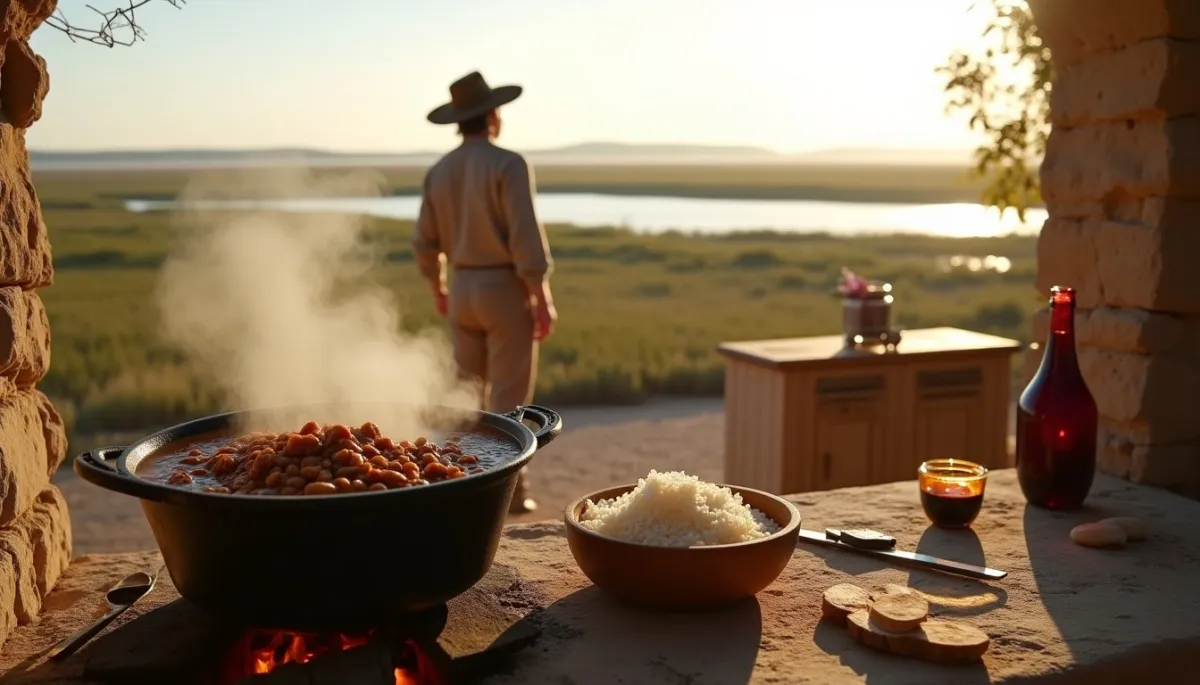
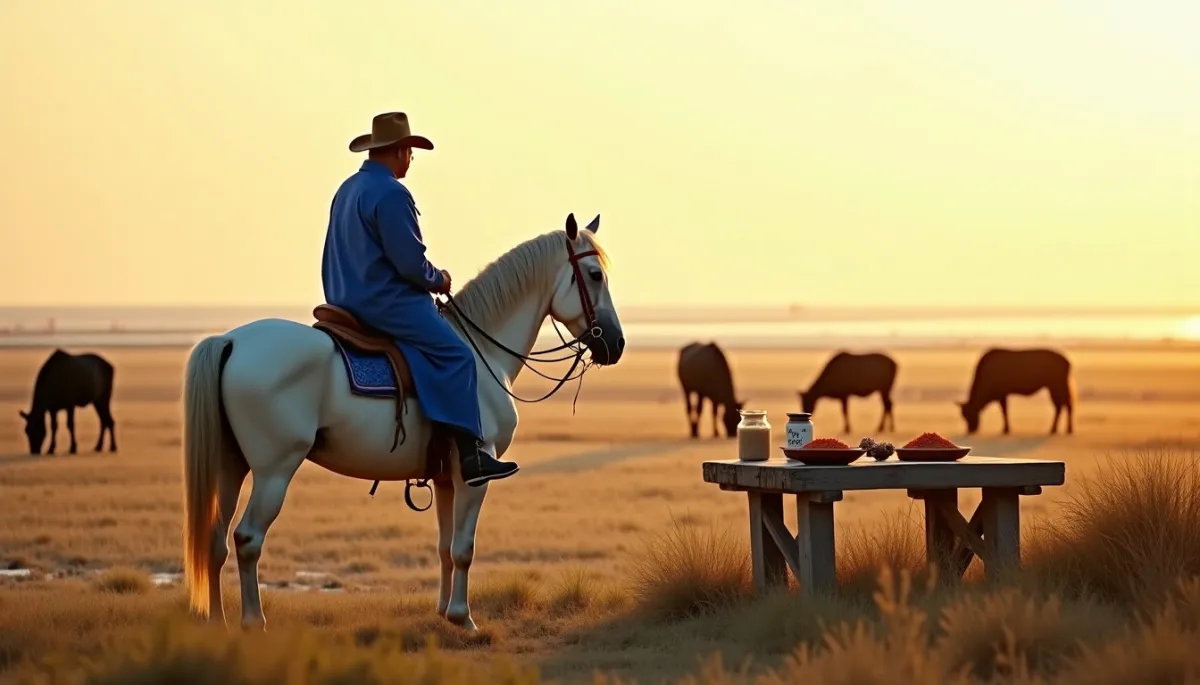
On a low terrace outside Saintes-Maries-de-la-Mer, a dish of gardiane simmering with local red rice arrives. Flamingos stripe the salt pans beyond, and a gardian on a white Camargue horse fades into the late-afternoon light. That juxtaposition of animal, field and sea defines where and how to eat in this land.
Here the consequence is simple: food is place. Visiting the Camargue and seeking authenticity means following producers and traditions rather than menus that could be anywhere. Expect robust, slow-cooked dishes like gardiane de taureau, rice grown in the delta, tellines when the sea decides, and salt that seasons both dish and story.
Salines et tables
Begin where salt meets taste. The Salins du Midi, at Aigues-Mortes and Salin-de-Giraud, are not only industrial sites, they are cultural landmarks. Fleur de sel de Camargue and coarse sel are sold locally and used in restaurants; some producers welcome visitors for tastings that explain the seasonal harvest of salt.
Restaurants near the salt pans often build their menus around local products. La Chassagnette, on the edge of the Camargue marshes, has long been a reference for garden-to-table cuisine in Arles, with a vegetable garden that feeds seasonal plates. The result is simple: vegetables and herbs harvested the same day, rice from the plain and fish from the lagoons.
Markets are essential. Arles market days, and the smaller stalls in Saintes-Maries-de-la-Mer, offer seafood like small clams called tellines, fresh fish and local conserves. Buy rice labeled from Camargue when you can, it has a specific texture that supports the heavy sauces of local stews.
Tradition gardiane
The manade is both a ranch and a table. Many manadiers (herd owners) open their homes or farm tables to visitors for meals after a demonstration of horsemanship or a parade of bulls. These gatherings are where gardiane is more than a recipe; it is the memory of the herd pressed into a pot.
Gardiane de taureau is a slow-cooked stew with red wine, herbs from the marsh and sometimes orange peel. It is often served with Camargue rice, which soaks up the sauce; ask whether the meat comes from local manades, that authenticity changes the taste. In certain fêtes and local auberges, families pass down recipes and the occasion becomes a lesson in culture.
There are also smaller producers offering tastings: artisanal charcuterie made from local pork, goat cheeses from the littoral, and preserves using samphire and fennel from the marshes. Seek out the ferme-auberges, where the plate arrives with the story of the animal and the field it lived on.
Entre modernité et défis
However, the Camargue faces contradictions. Tourism has grown since the 20th century, and some restaurants aim for broad appeal rather than terroir specificity. In high season, it is easy to find menus with vague regional references but little provenance. That is why timing and choice matter.
Seasonality and environmental pressures affect produce. Rice cultivation competes with water needs, and salt pans are sensitive to climate variations. Producers adapt by diversifying, example: some paludiers (salt workers) run small shops, and rice growers collaborate with chefs to highlight ancient varieties like red rice.
Look forward to positive developments. The rise of chefs committed to short circuits, the creation of labels for Camargue rice and initiatives linking tourism to manades help preserve culinary identity. For the traveler, a few indiscretions: book manade meals in advance, visit markets early in the morning, and when you order gardiane, allow time for the slow cooking that makes it worth the wait.
Practical advice: go in spring or autumn to combine best weather and genuine menus. Ask locals where the paludier sells fleur de sel, and whether a nearby manade offers a déjeuner after an abrivado. These contacts are the best guarantee of eating truly local in the Camargue.