The peões of Brazil: meeting the cowboys of the Pantanal and Mato Grosso
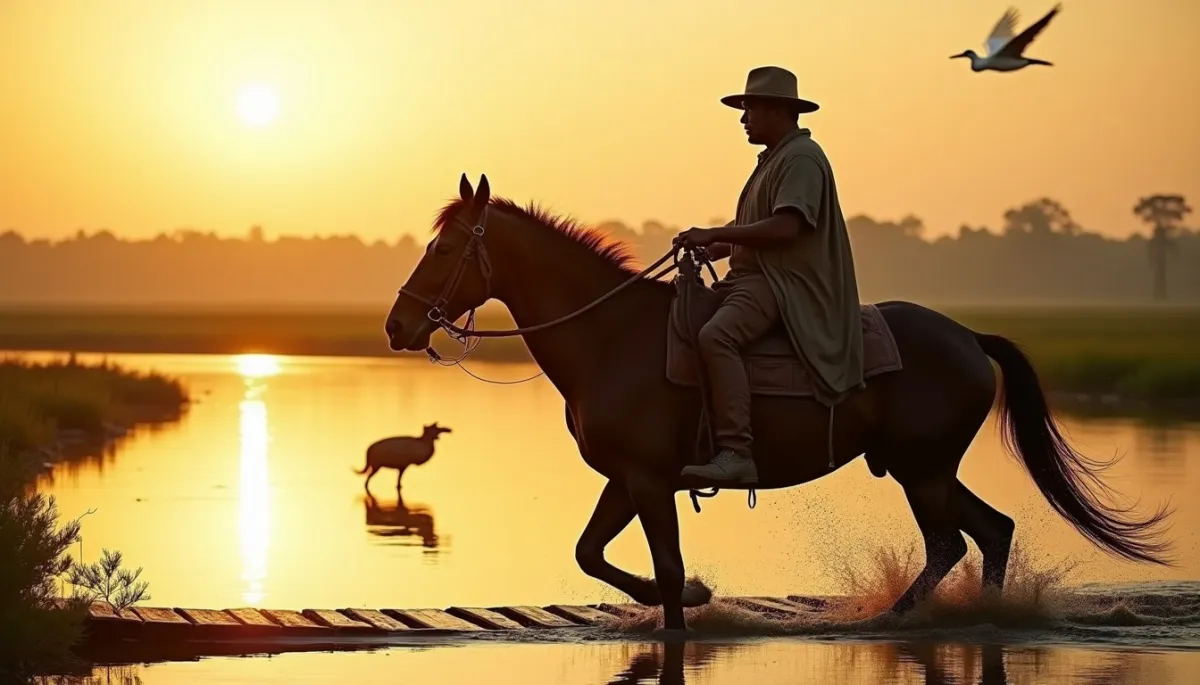
The peão is at the same time rider, tracker and guardian of a territory of water and grass. In the Pantanal and Mato Grosso, these cowboys patrol a maze of floodplains.
🚀 The essentials
- Key concept: The peões form the mounted labor force of the Pantanal and Mato Grosso, combining livestock work and knowledge of seasonal floods.
- Practical advice: Stay in the dry season (May–September) to attend livestock gatherings; in the wet season for ornithology.
- Did you know: The facão, laço and perneiras are equipment designed for working in marshy environments.
The sun rises on the Transpantaneira, a rider races across the water to the jars, the horse's breath mixes with the mist, a jabiru splits the sky. The scene is both fragile and everyday.
The peões are the interface between livestock and water. In the Pantanal matogrossense and on the vast fazendas of Mato Grosso, riders herd cattle, repair fences, tend calves and read the landscape like a map. Their work is concrete: gatherings, marking, transport between islets, often on wooden bridges and red earth tracks.
Plains and marshes
Let's go into the consequences. Rondas and arrais (gatherings) are used to count, vaccinate and mark livestock. After the rainy season, these operations take on their importance for herd health and resource management.
On the Transpantaneira, around Poconé, we see peões moving montereiros (young cattle) from one dry island to another. Local horses are chosen for their prudence and endurance, often hardy crossbreeds adapted to the swamp.
Anecdote: many tell of peões capable of spotting a calf hidden under the reeds or crossing canals on horseback without hesitation. This knowledge is passed on in the saddle, from generation to generation.
Blood and saddle
Why does any of this matter? Because these practices protect ecosystems. The peões know the pulsatility of the waters. They decide when to move the animals to avoid drowning, when to wait for the dry season to return from pasture.
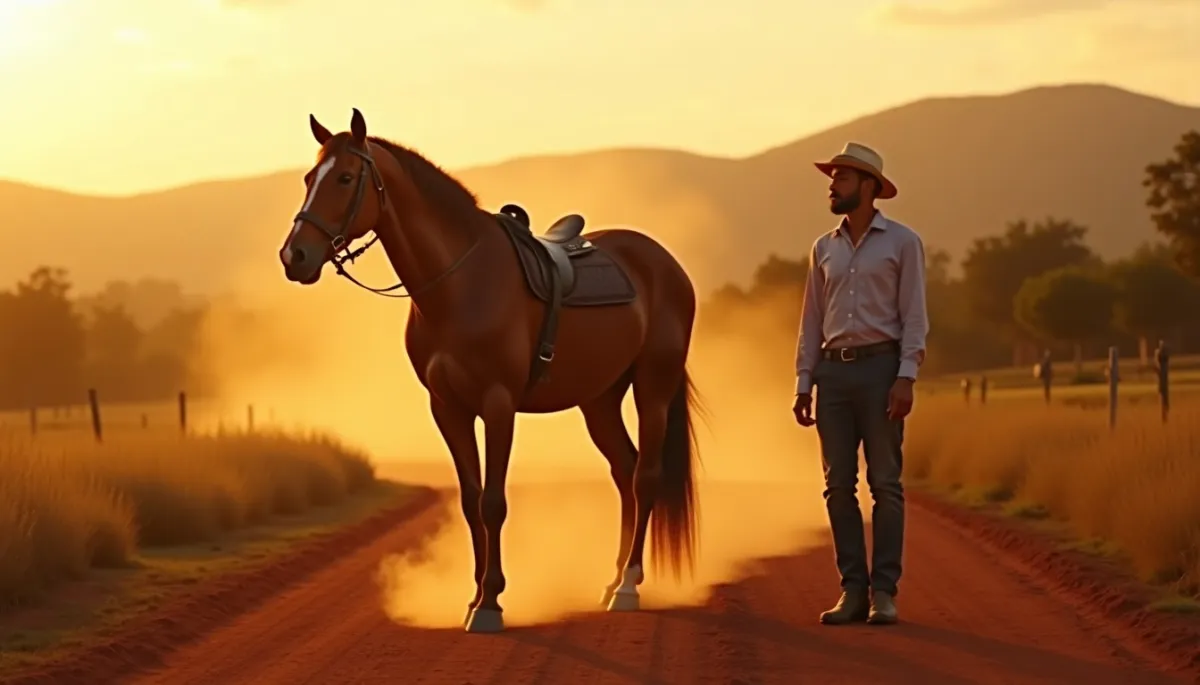
The roots are historical. From ancient tropeiros to modern farming systems, the region has forged a water horsemanship. The equipment reflects the need: wide-brimmed hat, perneiras (leg protection), facão to open the passage. Words are important for understanding the local world.
The economy plays its role. Livestock breeding remains a pillar, and regional festas and rodeos (like Barretos in the south) maintain the visibility of mounted culture, while attracting markets and tourists.
Fire and future
However, the contradictions are clear. The Pantanal is subject to fires, land pressures and agricultural expansion. Illegal fires, and sometimes uncontrolled burning practices, endanger pastures and biodiversity. The peão can be in turn protector of the territory and actor in a system under tension.
There are also positive initiatives. Fazendas adopt sustainable practices, integrating extensive pastures, respectful fences and responsible horseback tourism. These projects allow peões to pass on their knowledge while protecting nature.
Advice for visitors: respect the rhythm of the place. Ask permission before photographing, accept timetables dictated by the weather, learn a few words (laço, facão, fazenda). For those who come from the Camargue or the Far West, kinship is sensitive: the language of the saddle, respect for the seasons and a discreet code of mounted honor.