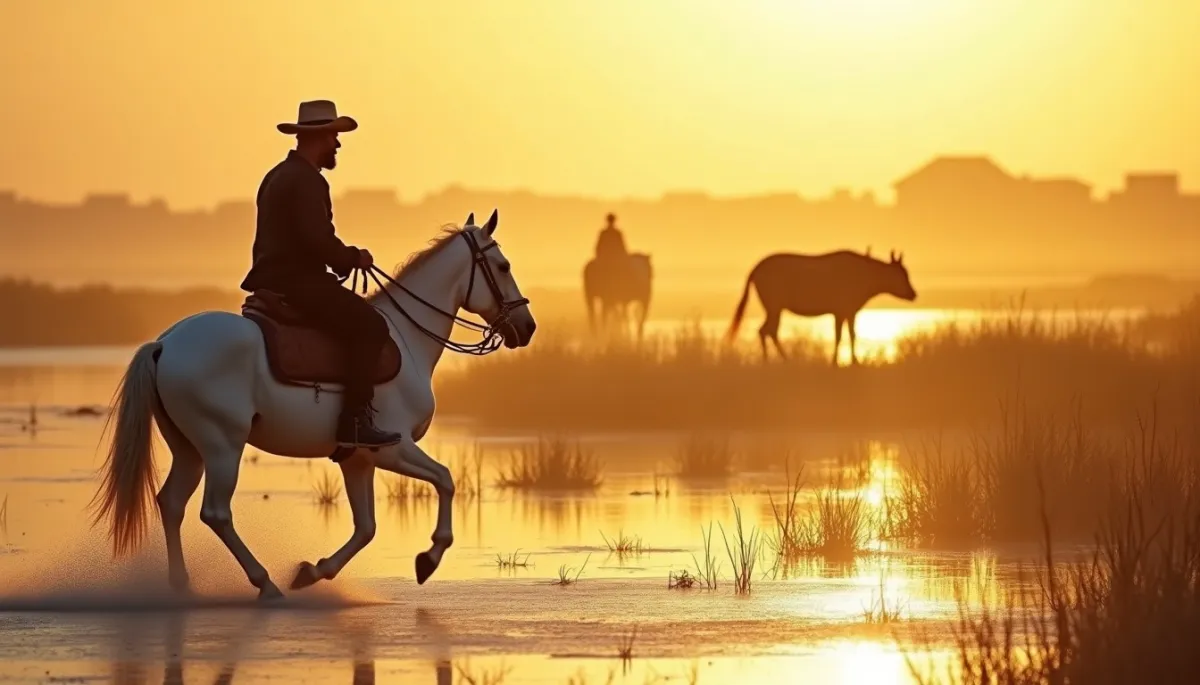
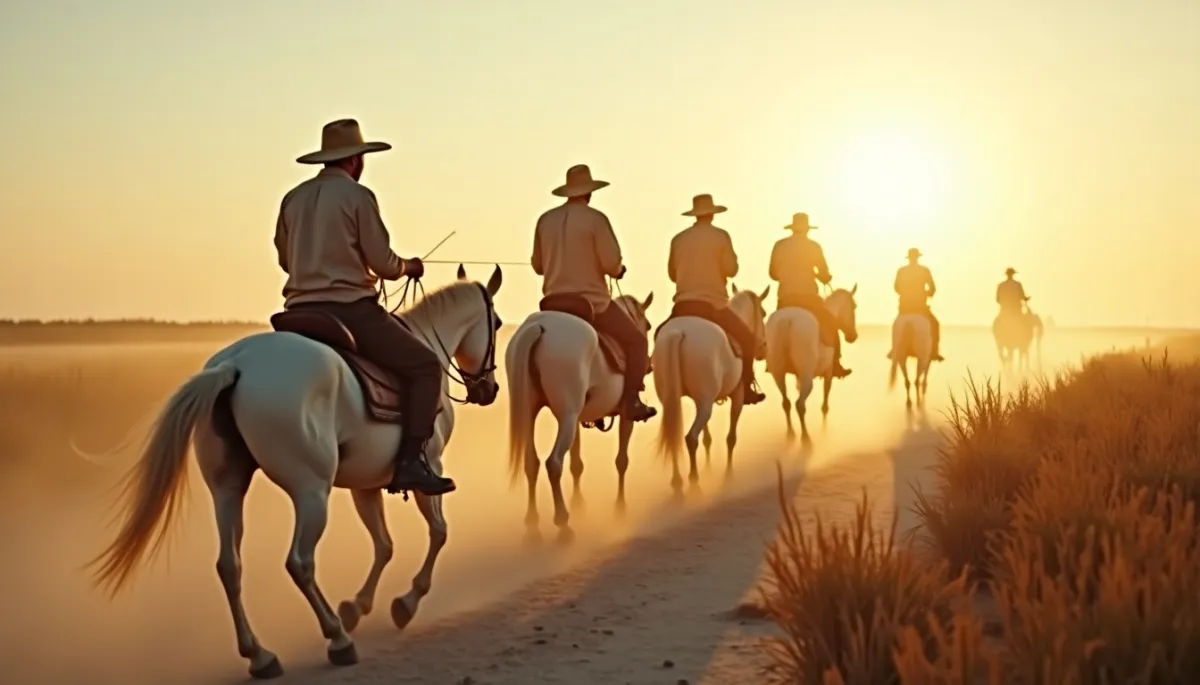
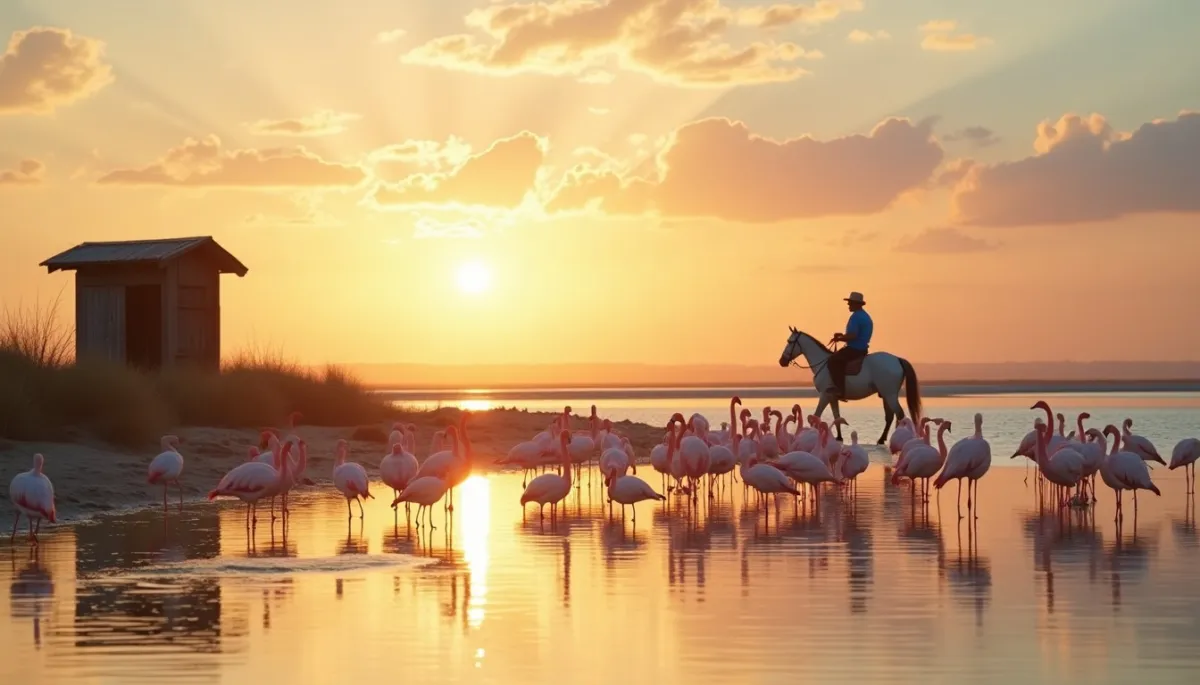
The raseteurs: these athletes in the arena who challenge the bulls with their bare hands
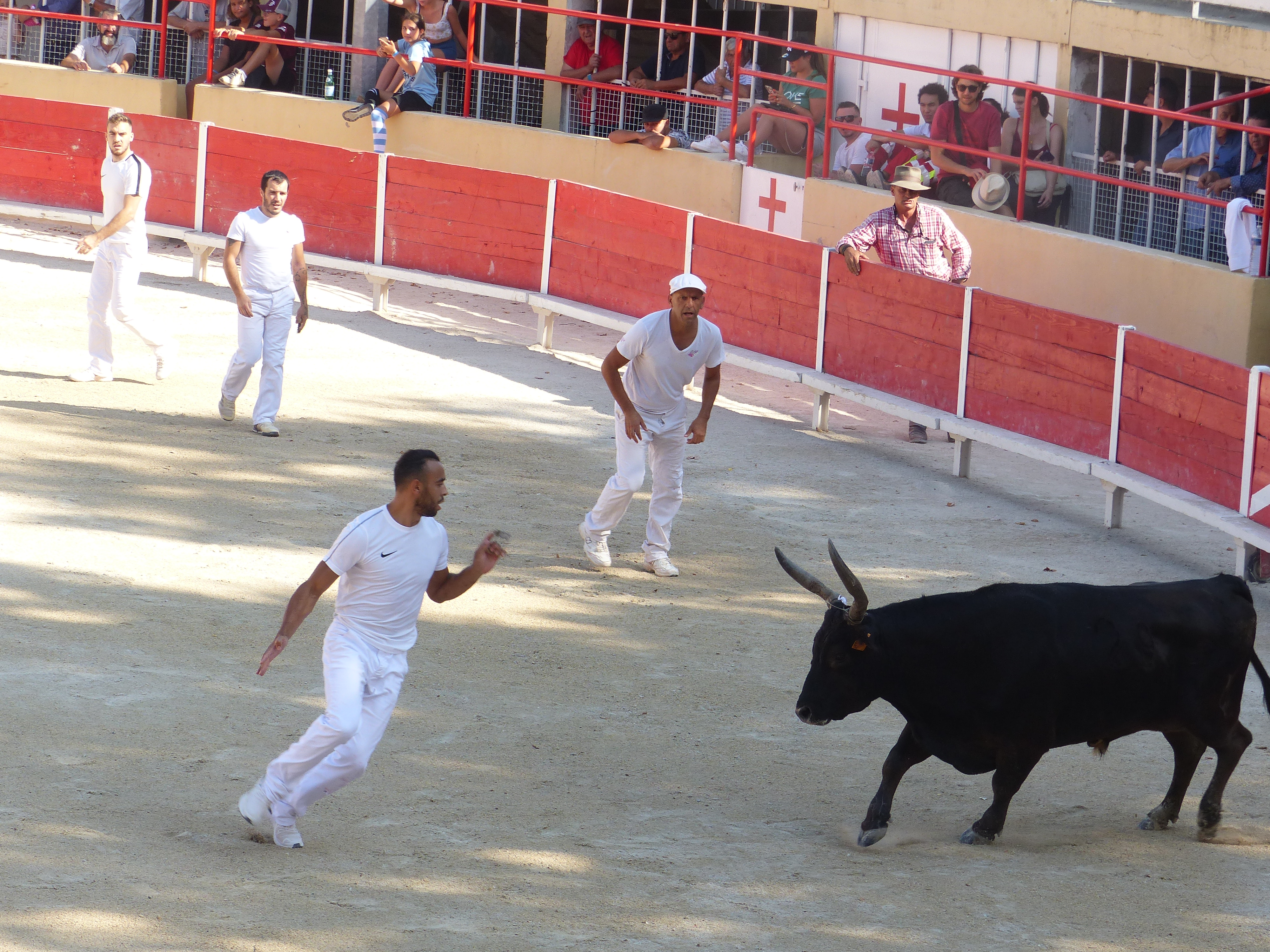
The raseteurs are the agile protagonists of the Camargue race, a centuries-old Camargue ritual where man and bull test reflexes and respect. In the arenas of Arles or Saintes-Maries-de-la-Mer, they tear ribbons from the horns with their bare hands, causing cheers and shivers.
🚀 The essentials
- Key concept: Raseteurs remove cockades from Camargue bulls by hand, scoring points without killing the animal.
- Practical advice: If you attend a Camargue race, stay behind the barriers, follow the referee's signals, and respect the traditions of the herd.
- Did you know: The modern form of spectacle was structured at the end of the 19th and 20th centuries, driven by actors like Folco de Baroncelli.
The raset begins with the sound of a horn, and time freezes.
In the arenas of Arles, on a hot feria afternoon, the sand flies away while a raseteur, with a supple chest, approaches a Camargue toro. He spreads his hand, gauges the horn, and steals the cockade in a fraction of a second. The crowd exults, the herdsmen are agitated at the edge of the ruedo, and the bull leaves, alive, towards the manade.
The raset dance
Raseteurs are athletes of contact and balance, trained to read the animal and act on impulse. Unlike bullfighting bullfighters, they do not seek to injure, but to steal badges attached to the horns, called cockades or tassels.
A catch earns points. The show relies on speed, anticipation and inventiveness. The most elegant gestures are rewarded with applause, the less careful with falls and sometimes injuries.
We distinguish the “track” raseteur, who plays near the horns, and the one who channels the mobility of the bull through calls and movements. Their technical palette includes feints, flat hand grabs, and measured jumps. All this under the gaze of the public and a jury which notes each exploit.
Camargue roots
The Camargue race has its roots in the rural festivals of the 19th century, then became codified during the Belle Époque. Folco de Baroncelli (1869-1943) was one of the figures who contributed to making these practices an element of local identity, by promoting the language, the herds and the role of the herdsmen.
The emblematic places are the arenas of Arles, the festivals of Saintes-Maries-de-la-Mer, and numerous votive festivals in the villages of the Camargue. The bulls are raised in herds, herds led by herdsmen and ridden by herdians, expert riders who ensure the well-being of the animal and the transmission of traditions.
Since the middle of the 20th century, the Camargue race has been governed by rules and competitions. Raseteurs compete in regional and national championships, and some become local figures, recognized for their skill and courage, sometimes passed down from generation to generation.
Modern dilemmas
The practice sparks debate. For supporters, it is a tradition that respects the bull, because the animal is not killed in the arena and returns to herd life. For others, any endangerment of an animal or a human questions the contemporary ethics of spectacle.
On a practical level, the raseteurs themselves must deal with media pressure, security requirements, and the increasing professionalization of sport. Stricter rules for protections and technical arbitrations have been introduced since the end of the 20th century to reduce risks.
For the visitor or the aspiring razor, the advice is simple: respect the tradition and the men who carry it. Learn the vocabulary (manade = herd, gardian = rider, cockade = ribbon to remove), follow the arena instructions, and remember that the essence of racing is mastery of movement, not violence.
The Camargue thus offers a spectacle where the human and the bull measure each other without bloodshed, a face-to-face which is like dancing and confrontation. The raseteurs remain the artisans of this dramaturgy, those who, with a flash of hand, tell the living history of a territory.