Camargue rice: history and production
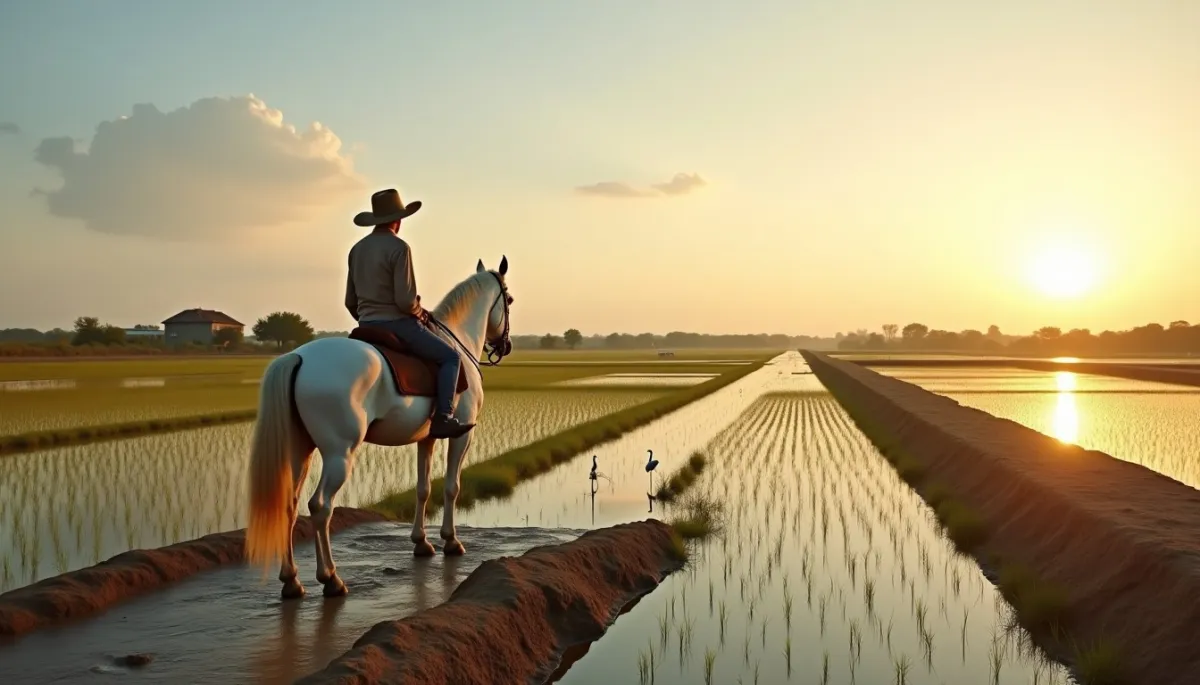
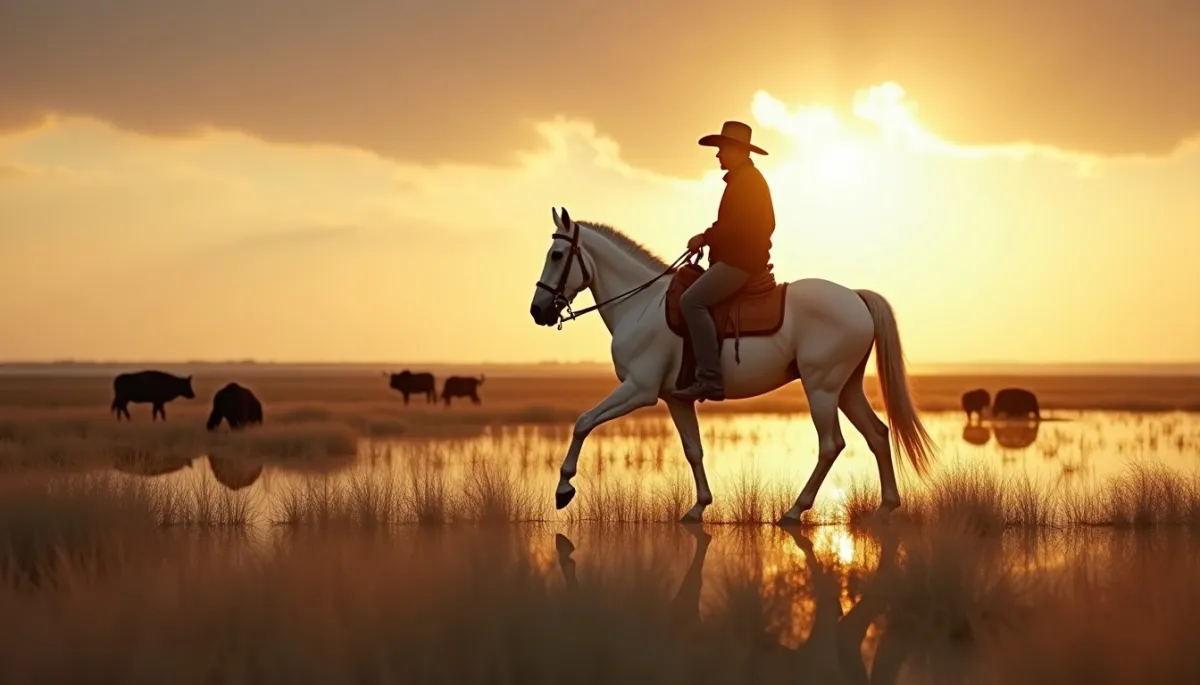
Camargue rice is water, land and human craft folded into each grain.In the Rhône delta, fields glint like mirrors at dawn, gardians on white horses pass along narrow dyke tracks, herons lift off and a faint scent of salt mixes with earth. The scene is intimate and seasonal, a living landscape where rice grows between tides of history and modern farming.
🚀 Key Takeaways
- Key concept : Rice in Camargue is a wetland crop adapted to the Rhône delta and its saline rhythms.
- Practical tip : For cooking, use the absorption method and preserve the light nutty aroma of Camargue red rice by rinsing gently.
- Did you know : Local cultivation intertwines with marsh management, biodiversity and the image of the gardian on his white horse.
I step onto a muletière, the raised path between flooded paddies, and the reflection of sky and reeds fills the world. Close by, a small flock of egrets plucks at insects while a farmhand checks water levels; the dyke vibrates with the regular clack of a horse’s hooves. This is where Camargue rice is made: in water, by hand and machine, with a patience that reads like a season.
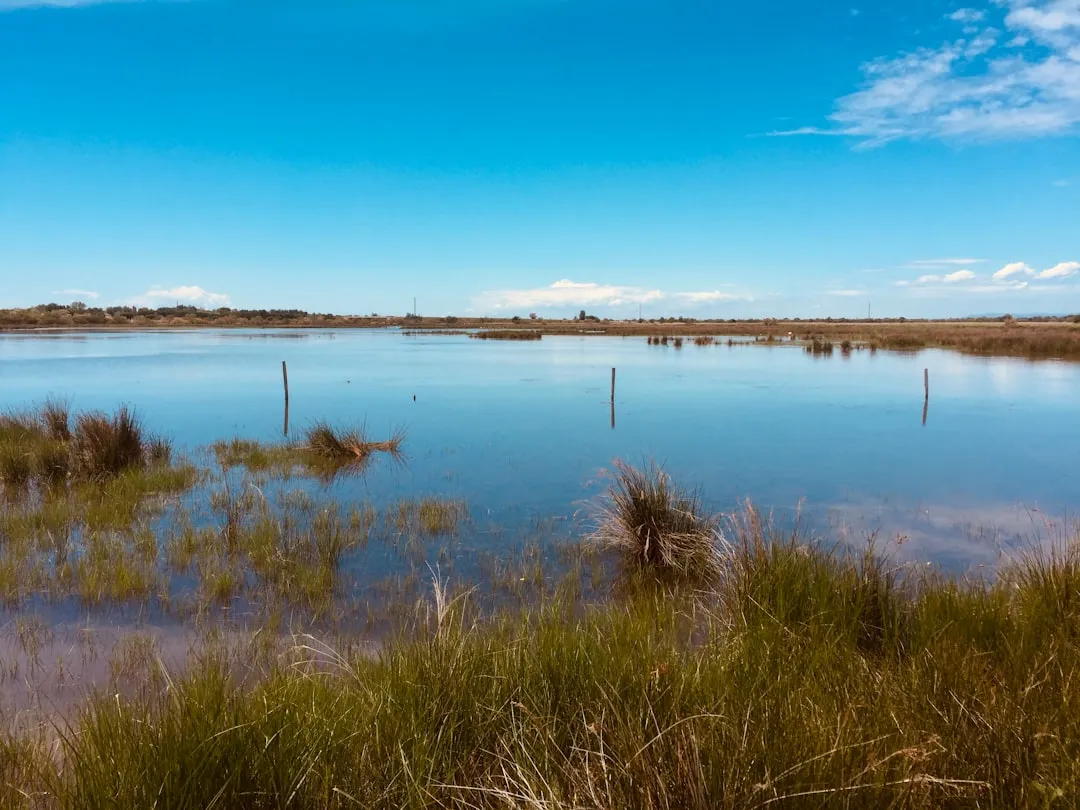
Camargue rice production takes place primarily in the delta of the Rhône, around Arles, Saintes-Maries-de-la-Mer and Salin-de-Giraud. Cultivated in shallow flooded plots, it has shaped marsh management, local economy and culinary identity. Below I explore concrete consequences, the reasons behind these farming choices, and the tensions that will determine the crop’s future.
Eaux et sillons
Rice paddies in Camargue are visible from the road between Arles and the sea: rectangles of water reflecting clouds, separated by narrow earthen ridges. These fields are not ornamental. They produce white rice for everyday use and prized red varieties that keep a stronger bite and a nutty aroma. Local cooperatives gather harvests at the end of summer and supply markets from Marseille to Paris.
A concrete anecdote: in the low-lying plots near Salin-de-Giraud, a small producer switched part of his acreage to organic rice in the 2010s, attracting chefs from Arles and Aix who prize the texture. His story shows how terroir and market meet; the bagged product now wears a label indicating the origin and some specific milling, improving its visibility at regional festivals and farmers’ markets.
Rice cultivation also affects landscape tourism. Visitors coming for birdwatching and for the mythic image of the gardian often pass rice paddies between salt pans and horse studs. This blend of agriculture, nature and culture is a selling point for guided tours and agritourism, where tasting a freshly cooked Camargue rice becomes a ritual connecting table and marsh.
Pourquoi semer
The choice to cultivate rice in the delta is rooted in logic of water and labour. The shallow, controlled flooding of paddies allows farmers to manage salinity and pests, and to use the Rhône’s irrigation. Historically, marshes were reclaimed and organized into plots that suit inundation. Rice thrives where other cereals would struggle with the local humidity and the periodic salt influence.
Local identity plays a role. Farming rice reinforced ties between families, cooperatives and local markets. Mechanization in the 20th century increased yields, while small-scale mills preserved varieties such as the so-called red rice, a heritage grain kept for its colour and taste. Producers often speak of rice as a cultural crop, not purely an industrial commodity.
Public policies and technical networks support the sector. Agricultural extensions advise on water management, integrated pest techniques and variety choice. Experimentation with direct seeding or delayed flooding has been tested to save water and reduce greenhouse gas emissions. These innovations are attempts to reconcile productivity with environmental constraints.
Tensions salées
Yet contradictions are many. Climate change brings rising sea levels and episodes of salinisation that can harm young rice shoots. Farmers must constantly manage freshwater inputs to keep salinity at acceptable levels. In years of drought, competition for Rhône water can become tense between rice growers, drinking water needs and wetlands conservation.
Another challenge is market pressure. Cheap imports and shifting consumer habits push producers to diversify. Some turn to organic farming, others to local branding based on origin and taste, and a few explore value-added processing such as smoked rice or pre-cooked local blends sold to restaurants. This adaptation is necessary but costly.
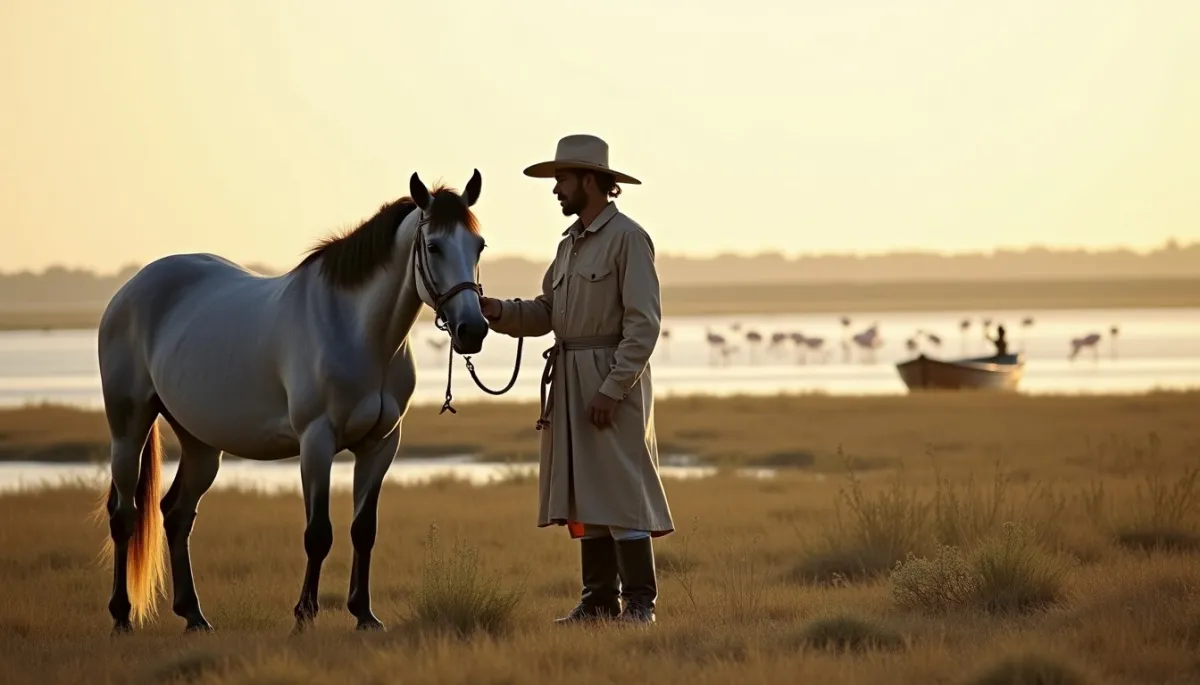
Finally, there is a cultural tension. The romantic image of the gardian riding along dykes can obscure the technical and ecological work behind rice fields. Preserving traditions means investing in knowledge transfer, from older farmers to younger ones, and in maintaining the marshy infrastructures that make rice possible. Without that, the iconic landscapes of flooded rectangles and white horses risk changing irreversibly.
Practical advice for the curious traveller: visit in late summer at harvest time, join a guided walk with a local producer, taste the red rice risotto at a bistro in Arles, and ask how the farmer manages water. An indiscretion: many producers wash Camargue rice sparingly to keep its thin husk aroma; the grain rewards gentle handling.
Camargue rice is at once a staple, a heritage and an adaptive project. Its future will depend on water policy, market recognition and the willingness of a new generation to steward both the fields and the stories that make each grain speak of sea, marsh and human hands.