Gypsies and horse people: Romani influence on Camargue culture
In the flat light of the Camargue, the thud of hooves and the beat of tambourines meet. From Saintes-Maries-de-la-Mer to the salins, Romani presence has left visible traces in the region's equestrian and popular culture.
🚀 Key Takeaways
- Core concept : Romani (gitans) traditions shaped pilgrimage, music and horse trade in the Camargue.
- Practical tip : Visit Saintes-Maries-de-la-Mer at the end of May to see the Sara la Kali procession and authentic equestrian displays.
- Did you know : The Camargue horse, the gardians and Romani riders form an interwoven living heritage visible in local fairs and markets.
There is a rhythm you feel before you see anyone.
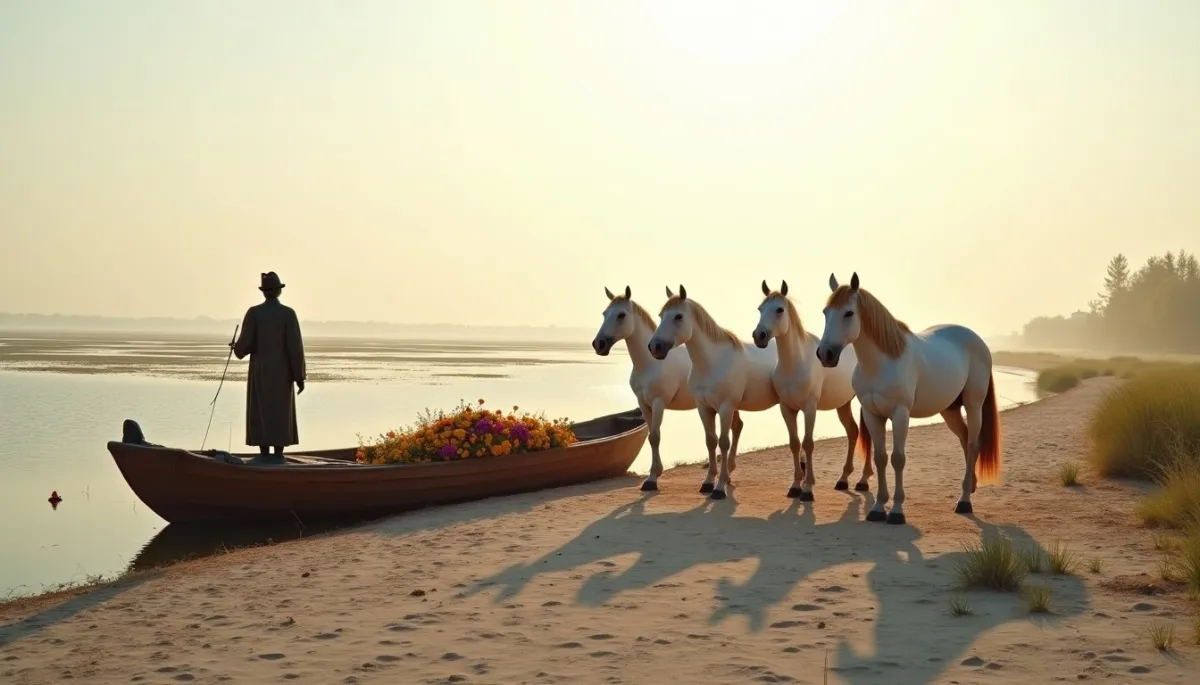
Imagine a sandy quay at sunrise, white horses pawing, a dark bronze statue wrapped in flowers boarded into a fishing boat, and groups of Romani families arranging candles and violins. This is the scene at Saintes-Maries-de-la-Mer during the great pilgrimage each May, where faith, music and horses converge on the edge of the Mediterranean.
Rides and rituals
Romani communities (often called "gitans" in the French language of the region) have been coming to the Camargue for generations. The pilgrimage to Saintes-Maries-de-la-Mer, centered on the veneration of Sara la Kali (often simply «Sara»), is the single most visible moment of their cultural life in the delta. Every year, at the end of May, thousands of pilgrims — coming from Spain, Romania and across Europe — join the local population for processions, blessings of horses and horse-led parades.
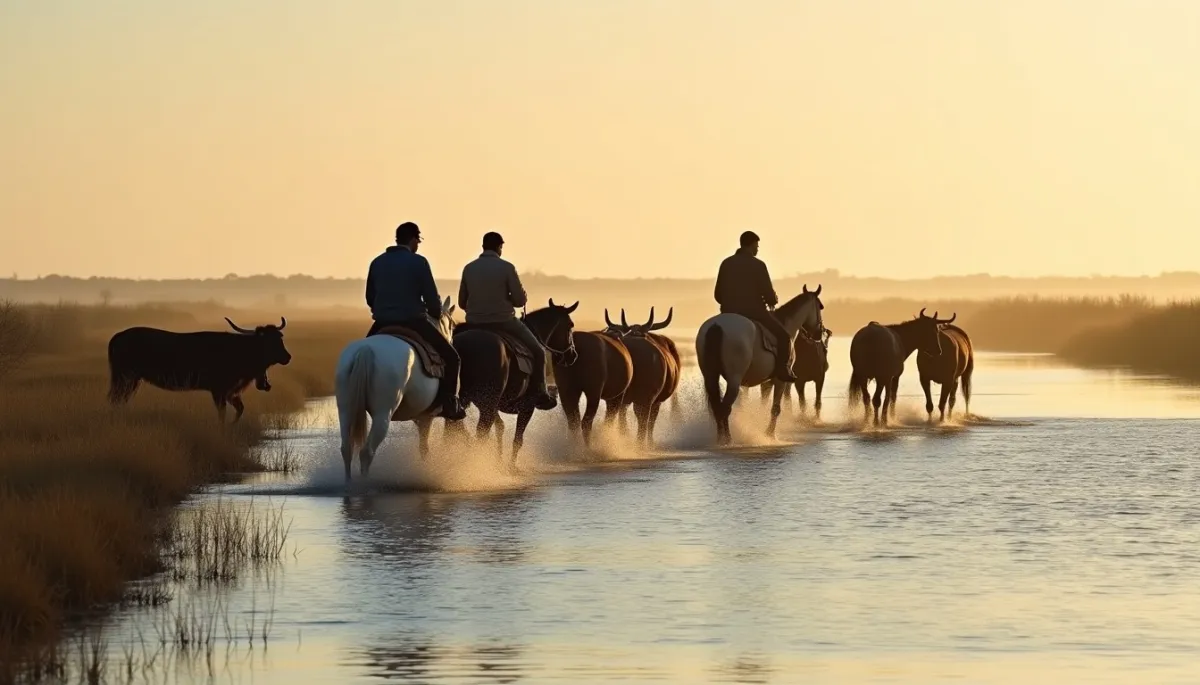
Beyond the pilgrimage, Romani riders have been integral to the itinerant horse trade. At markets and fairs in Arles, Saintes-Maries and smaller villages, traders and guardians barter animals and skills. Romani expertise in taming, trading and riding horses — refined over centuries across Europe — complemented the local manade system (the herds of Camargue horses raised by gardians).
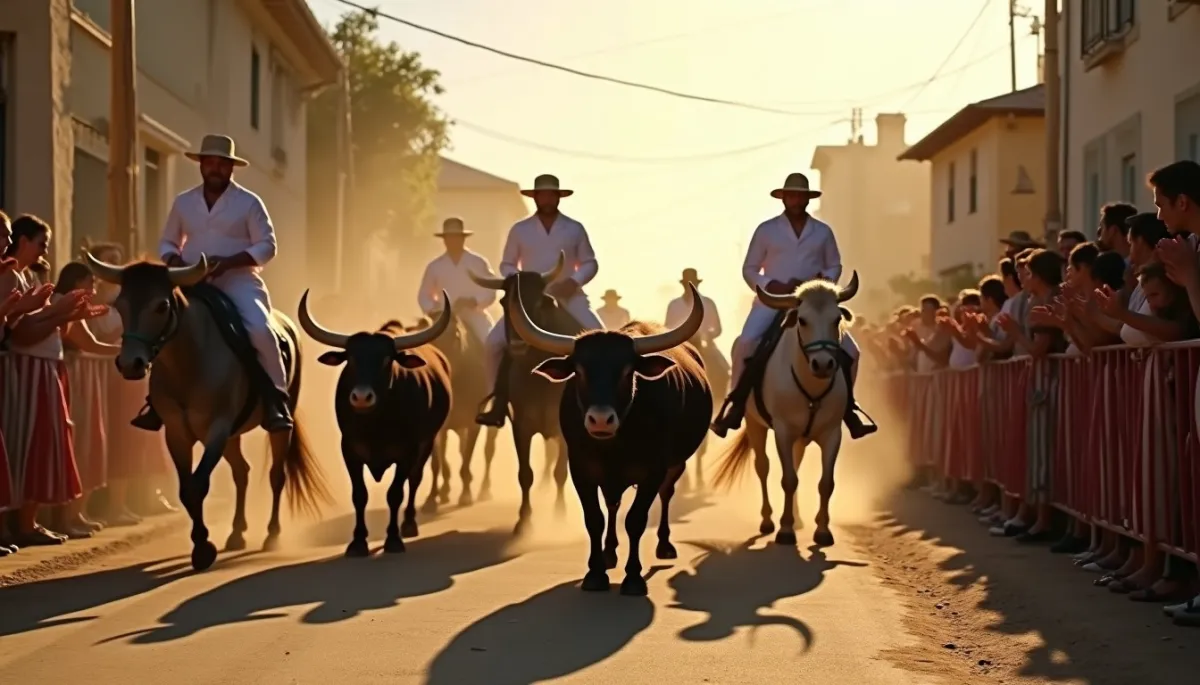
Music and dance accompany these movements. Flamenco, cantos, and violin traditions blend with Provençal songs and gardian chants. The soundscape of a Camargue festa can thus carry a guitar rhythm or a raw Romani lament, alongside the slow chant of riders guiding bulls during an abrivado.
Tracks and tales
Concrete anecdotes anchor this influence. The Sara procession, for instance, includes the ritual of carrying the statue of Sara to the sea for a blessing. Photographs and film archives since the early 20th century document the increasing presence of Romani banners and embroidered dress during these ceremonies. Local photographers and ethnographers recorded Romani camps and fairs in the 1920s and 1930s, preserving testimony of exchanges between gardians and gitans.
Folco de Baroncelli-Javon (1869-1943), founder of the Nacioun Gardiano in 1909, is a pivotal local figure. He promoted bull and horse traditions and organized fêtes that attracted both sedentary gardians and itinerant horse traders. His work helped codify Camargue identity, a social space where Romani equestrian skills and local herding techniques met and sometimes fused.
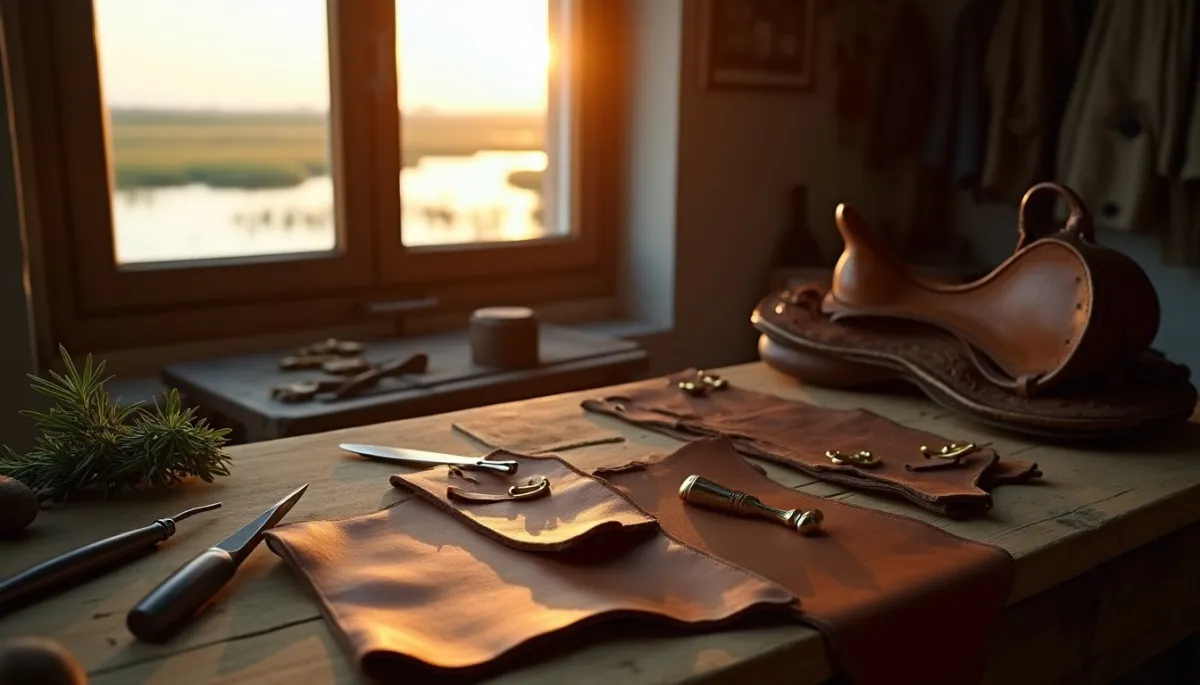
Other, lesser-known stories persist: an elder gardian in the 1950s teaching a Romani youngster how to rope a bull; a Romani saddler setting up near Arles who became famous for reinforcements that resisted sea-salt better than earlier designs. These small exchanges shaped practical knowledge used widely in the delta.
Salt and shadows
Why did Romani culture take root here? Geography and economy explain a lot. The Camargue, with its open marshes, seasonal work and fairs, offered opportunities for itinerant traders. Horses and livestock are portable wealth; a mobile people skilled with animals found niches in markets, seasonal round-ups and pilgrimages.
Cultural affinity also helped. The Romani emphasis on mobility, oral transmission and strong clan ties resonates with gardian values: a devotion to the herd, to particular riders and to shared rituals. Where manades needed temporary hands or expertise in moving stock across open land, Romani riders could step in with practiced horsemanship.
At the same time, religious and symbolic factors mattered. The veneration of Sara la Kali built an enduring ritual bridge between local Catholic practices and Romani devotional life. This shared sacred calendar naturally drew people together every year, reinforcing social ties and mutual influence.
Winds of tension
However, relationships have not been without friction. Mobility and identity can clash with modern administrative demands. Seasonal camps have sometimes been subject to evictions, and prejudice against Romani communities persists in France and in the Camargue. These tensions influence how traditions are practiced publicly.
Economic changes have also challenged old exchanges. Mechanization in manades, stricter animal health rules, and tourism pressure have altered the places where Romani traders once worked. Some skills risk being marginalized, while others adapt into tourist performances that gloss over deeper social realities.
Yet contradictions coexist with resilience. Many Romani families still participate in pilgrimages, horse fairs and local festivals. Younger generations combine traditional riding skills with modern trades. Visitors who come with curiosity and respect can witness a living patchwork: gardian uniforms, Romani guitars, salt pans and small black horses, all telling a story of mutual shaping across time.
Practical advice: if you go, aim to arrive for the May pilgrimage, ask before photographing intimate moments, buy crafts from Romani vendors, and attend a manade demonstration to see the interplay of techniques up close.
The Camargue remains a landscape of meeting: water, salt, horse and music. In that meeting place, the Romani contribution is unmistakable, practical and poetic, braided into the very gait of the white Camargue horse as it crosses the marshes.