Sansouire landscapes: wild flora and equine grazing
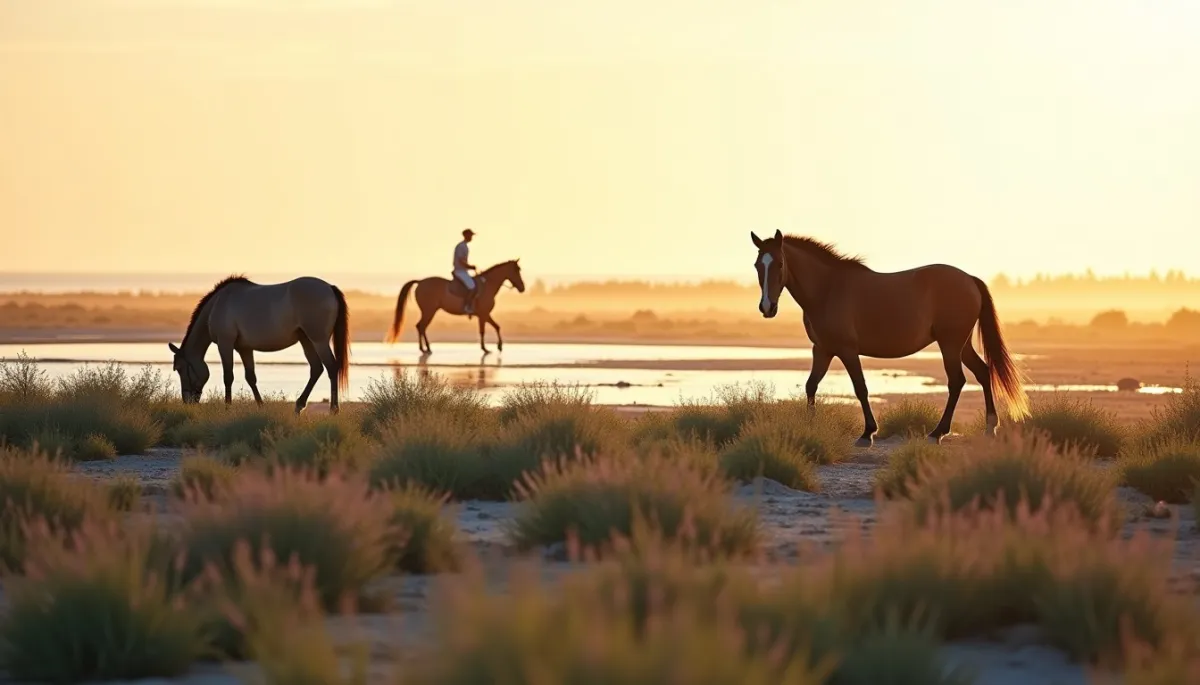
The sansouire is where the sea breathes on the land, and horses read the tides with their hooves. In the Camargue, these saline pastures host a tapestry of glasswort, sea lavender and tough grasses, while manades of Camargue horses graze like living tools of landscape management.
🚀 Key Takeaways
- Core concept: Sansouire are saline grasslands shaped by tides and grazing.
- Practical tip: Visit at low light, mornings or late afternoons, to see horses and birds without disturbing them.
- Did you know: Camargue horses are adapted to salty soils and semi-feral grazing, helping maintain biodiversity.
Soft wind, white horses, and a carpet of glasswort underfoot.
Imagine standing on the edge of the Grande Camargue, near Les Saintes-Maries-de-la-Mer, with a raspy smell of brine in the air. Low mounds of halophilous plants ripple like a green sea, oystercatchers cry overhead, and a group of Camargue horses grazes, shoulders dusted with salt. This is the sansouire: a liminal landscape where the Mediterranean tide, the Rhône's sediments, human pastoralism and time have written a common story.
herbes salées
The sansouire is a saline grassland, a zone regularly influenced by sea spray and occasional inundation. The word is local, it comes from "salsus" for salty, and designates those flats between marsh reedbeds and open salt pans where only salt-tolerant plants thrive.
Here, you meet salicornes (glassworts), obiones (Atriplex), sea lavender (Limonium) and tough grasses like Puccinellia. These species trap sediment, stabilise soils, and create micro-niches for insects and birds. Their seasonal colors are a calendar: tender greens in spring, ochres and pinks in late summer.
Ecologically, sansouires host a surprising diversity. Waders feed on invertebrates exposed at low tide, while migratory birds use them as stopovers. In the Camargue, those plants also act as buffers, reducing erosion and mediating salinity between lagoons and dry land.
chevaux et gardians
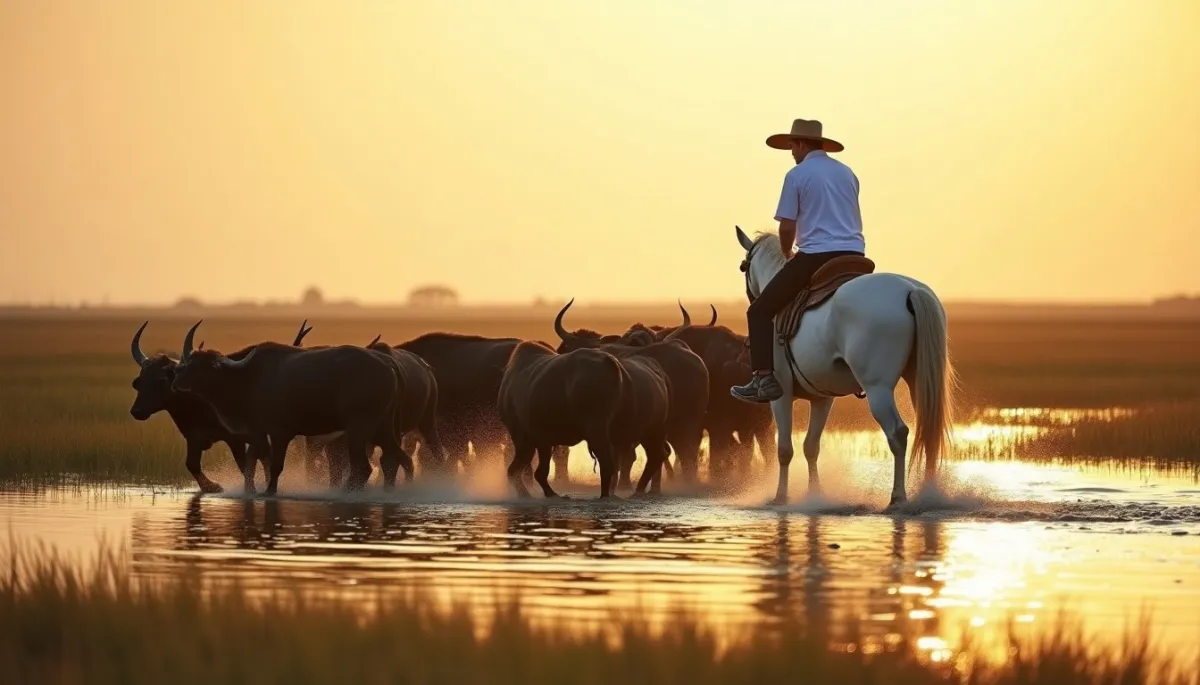
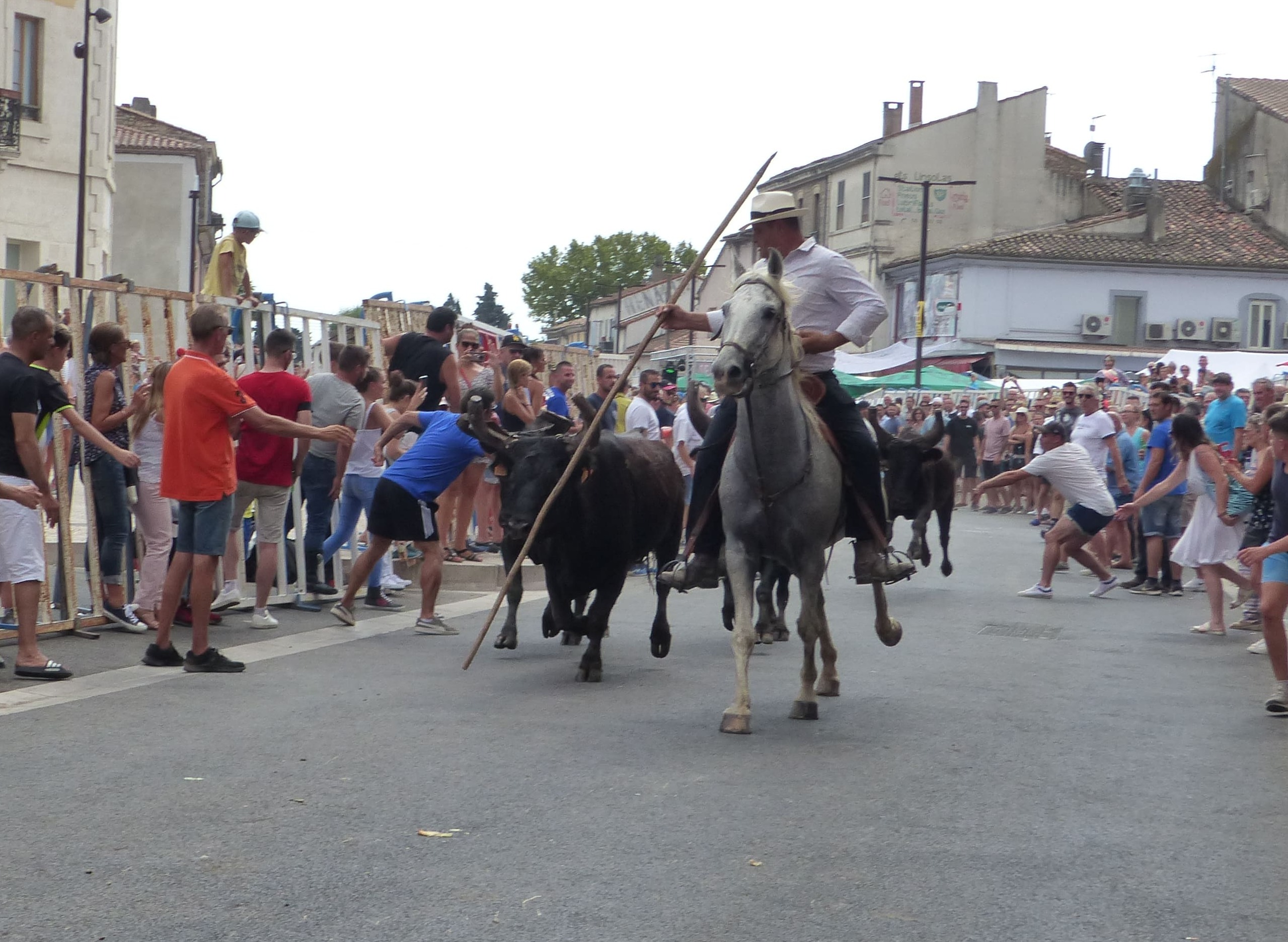
The horses of the Camargue are protagonists here. The cheval Camargue is small, robust, often grey-white in adult life, and adapted to semi-feral conditions. Gardians, the local mounted herders, manage manades, the free-ranging herds that graze those salty plains.
Grazing by horses influences the plant mosaic. By cropping dominant species, trampling paths and fertilising with droppings, horses open spaces for seedlings and insects, maintaining a patchwork of habitats. This traditional grazing is a form of low-input landscape management, practiced for generations.
Anecdotes abound: visitors often recall the late Henri Rousseau style picture of white horses emerging from morning mist, or the story of a gardian who, in the 1990s, guided regional authorities to recognise the role of manades in wetland conservation. The image of horse and rider is not just cultural, it is ecological.
marques du temps
The current shape of the sansouire is the result of long human and natural interactions. Water management since the 19th century, including canals and rice fields, has altered hydrology, while salt extraction and tourism added pressures. Yet, grazing persisted, often because manades rely on these common lands for summer and winter pastures.
Conservation policies have also evolved. The Parc naturel régional de Camargue, created in 1970, helped place these landscapes under protection, encouraging modes of pastoralism compatible with biodiversity. Local statutes and voluntary agreements now try to balance agricultural use and habitat preservation.
However, the sansouire faces challenges: rising sea levels, intensive irrigation upstream, and recreational disturbance can change salinity patterns and vegetation. Adaptive management that respects gardian knowledge and scientific monitoring appears crucial for the next decades.
gestes et conseils
For those who want to experience the sansouire respectfully, timing and distance matter. Early morning or late afternoon light is best for observation, keep a respectful distance from grazing animals, and follow marked trails to protect fragile plants.
Photographers should avoid trampling the glasswort beds, and birdwatchers must use binoculars rather than approaching nesting areas. If you visit a manade, ask permission before entering, and learn a few words from the gardians, who often share stories about the land and its cycles.
Finally, support local initiatives that combine traditional pastoralism with conservation. Buying local salt, attending a feria in Les Saintes-Maries-de-la-Mer, or joining a guided ride with a certified manade are ways to experience the sansouire while contributing to its future.