Surviving the Mistral: How Camargue wildlife adapts to the wind
Between the Rhône and the Mediterranean, a wind shapes lives. From pink lagoons to white dunes, Camargue wildlife reads the weather like a code.
🚀 Key takeaways
- Core concept: The mistral sculpts habitat and behavior, favoring salt-tolerant species and adaptive strategies.
- Practical tip: Approach hides from the lee side, wear windproof layers and time visits at dawn or dusk.
- Did you know: Salt pans and brine shrimp, boosted by wind-driven evaporation, sustain the flamingo population.
Wind first.
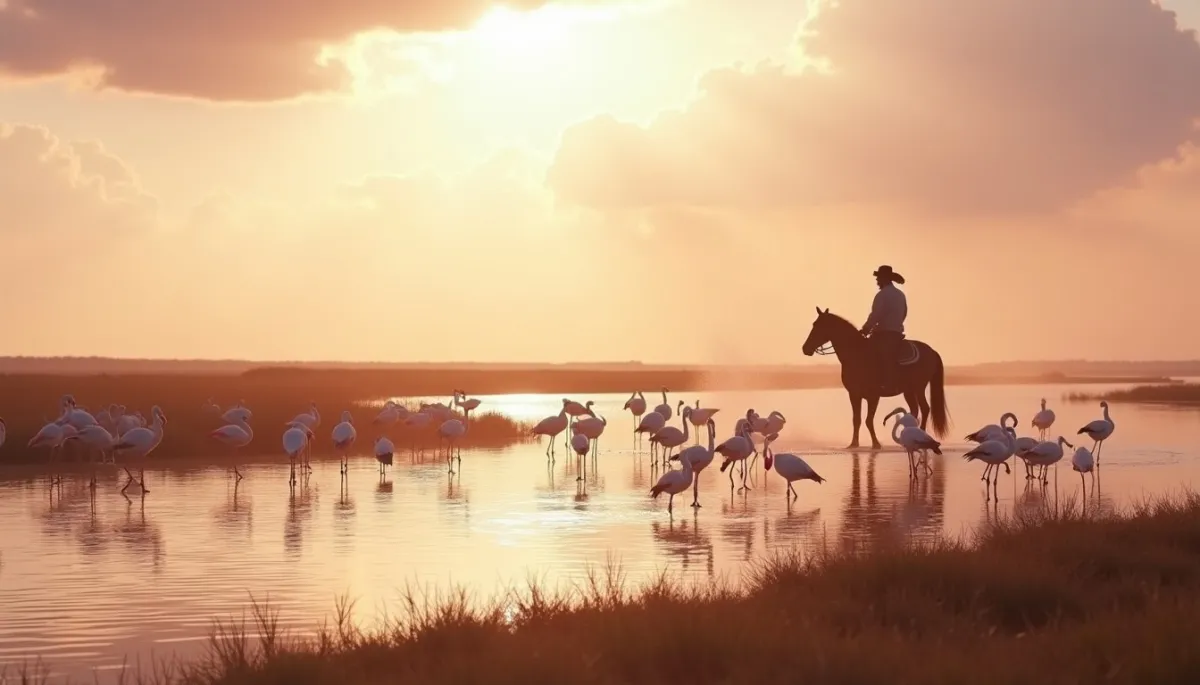
Imagine standing on the salt road to Saintes-Maries-de-la-Mer, the sky low and hard, reeds flattened in the same direction, a band of flamingos lifting like a slow pink wave, their necks and plumage trimmed by the same invisible sculptor. The mistral is there, you feel it in your teeth and in the rhythm of the horses, and every living thing around you has learned to live with that relentless breath.
shapes and consequences
The mistral is a cold, dry northwesterly wind that can exceed 100 km/h in gusts, and it is a defining climatic feature of Provence and the Camargue. Its impact is immediate: stronger evaporation, salt spray blown inland, and a constant mechanical force on plants and animals.
Flamingos (Phoenicopterus roseus) are among the most visible beneficiaries of these conditions. Wind-driven evaporation concentrates salinity in lagoons and salt pans, promoting the proliferation of Artemia salina (brine shrimp) and certain algae, which in turn feed the flamingos. Their pink hue is, ultimately, a product of this salty food chain.
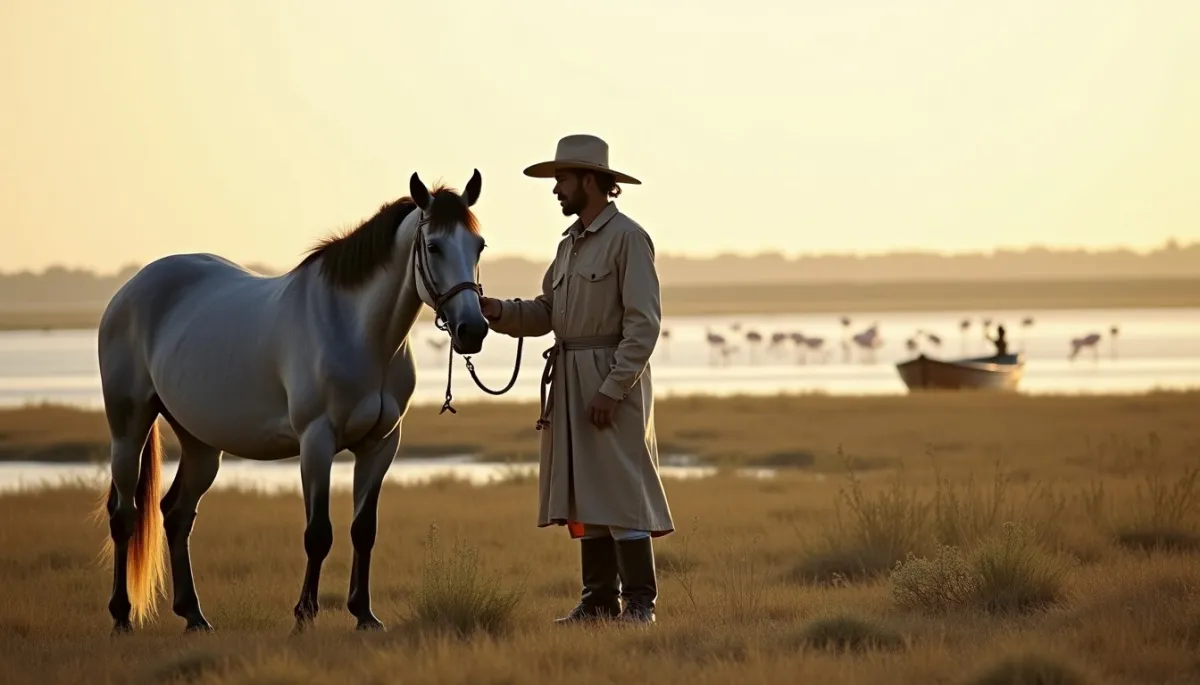
At ground level, halophyte plants such as Salicornia and tamarisk (tamarix) tolerate salt and wind, forming belts that slow sand movement and create micro-refuges. The marsh horse and the black Camargue bull seek out these sheltered bands, and small mammals use reed roots to burrow where the wind cannot reach.
why the mistral matters
Historically the mistral shaped human life as much as animal life. Traders and sailors learned to read its arrival, and 19th-century painters such as Eugène Delacroix, who visited the Camargue in 1832, and Vincent van Gogh in nearby Arles, painted skies and light altered by wind. The same wind that inspired art also determined grazing patterns and salt production.
Biologically, the mistral creates heterogeneity. By constantly renewing surface water and concentrating salts, it fosters specialized niches. In 1970, when the Parc naturel régional de Camargue was established, managers already recognized that wind-driven processes maintained the mosaics of lagoons, reedbeds and salt pans essential to migratory birds.
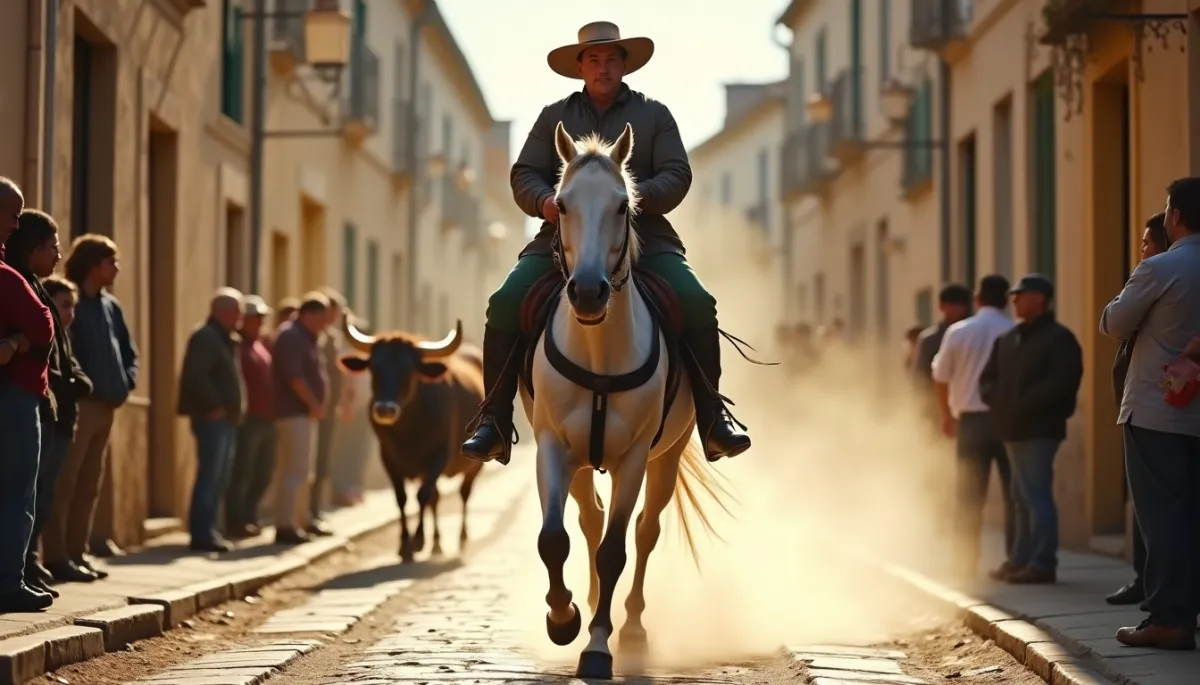
For migratory species, the mistral is a scheduling cue. Birds arriving from Africa time stopovers to exploit high-productivity lagoons after windy spells. Fishermen and gardians (Camargue cowboys) still judge the day by the wind, altering roundups and grazing to protect livestock from prolonged exposure.
contrasts and resilience
Not all effects are positive. Strong, persistent wind can stress vegetation, causing desiccation and erosion on exposed dunes. In 2010 and again during the 2019 heatwaves, unusually persistent winds exacerbated salt and heat stress on young marsh plants, complicating restoration projects.
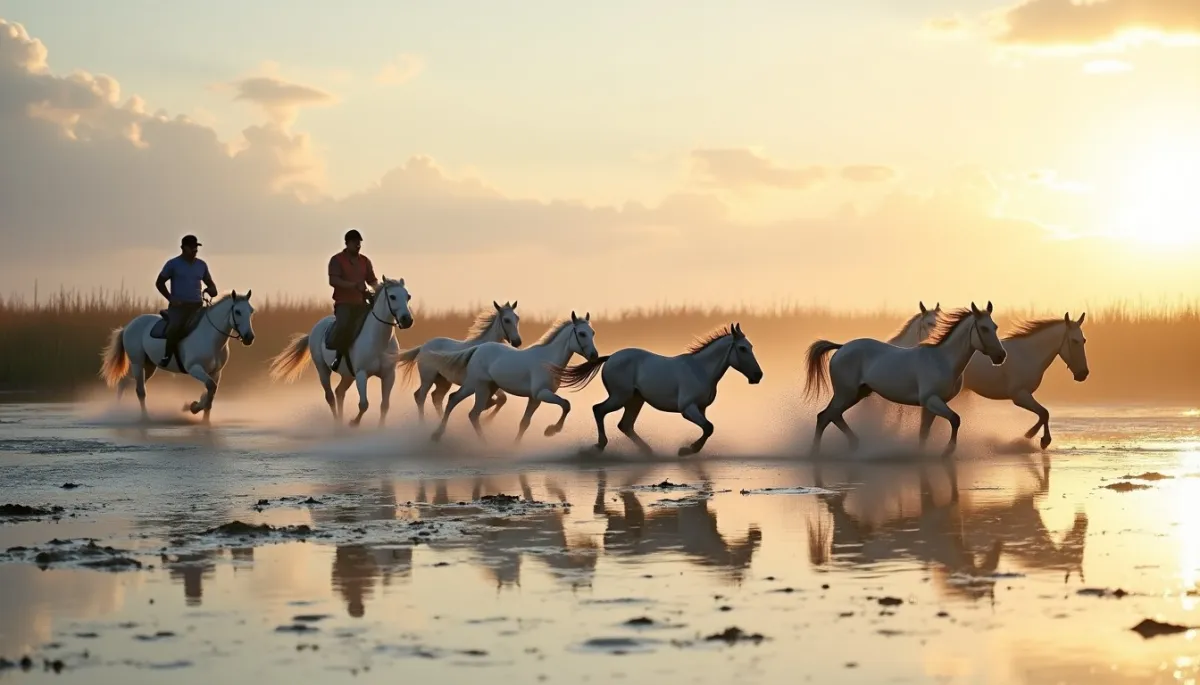
Nevertheless, the Camargue’s fauna shows remarkable resilience. The Camargue horse, an autochthonous breed noted since medieval times, is compact, with a dense mane and thick skin that resist sand and wind. Bulls used in local course camarguaise adapt their behavior by seeking lee-lands and clustering, reducing heat loss and energy expenditure.
Conservation efforts now take the mistral into account. Replanting schemes favor wind-tolerant species, and salt pan management uses wind patterns to optimize evaporation while preserving feeding grounds for birds. For observers, this means that understanding wind maps (Météo‑France and local notices) is essential to predict where life will concentrate after a blow.
Practical advice: approach hides from the lee side, secure loose clothing and binocular straps, and favor mornings after a mistral for the clearest light and active wildlife. Like the gardians who read the sky, learn to read the wind, and the Camargue will reveal itself.