Uruguay: On the trail of the last authentic gauchos of South America
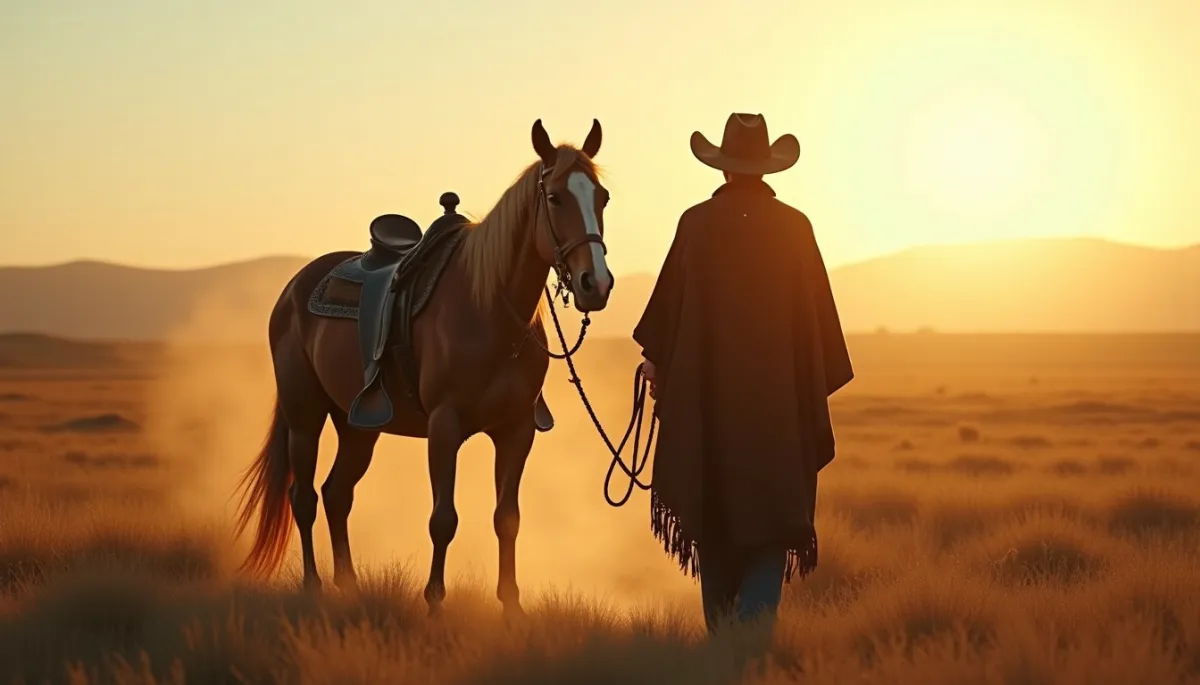
In the wide, low light of an Uruguayan dawn, a rider and his horse cut a silhouette against the pampas. This is the living gaucho, a rural custodian whose ways are changing, and whose story reveals a continent's past.
🚀 Key Takeaways
- Core concept : Uruguay preserves one of the most authentic gaucho cultures in the Southern Cone.
- Practical tip : Attend the Fiesta de la Patria Gaucha in Tacuarembó in late January to see jineteada, doma and payada.
- Did you know : The gaucho's tools include the facón (large knife) and the boleadoras (thrown cords), still used ceremonially.
The wind smells of cut grass and horse sweat. On a small estancia near Tacuarembó, a gaucho tightens a braided rein and whistles to a mare, while the horizon slowly bleeds gold.
Au cœur des estancias
Gauchos live where land breathes wide, on estancias (large cattle ranches) that dot Uruguay's interior. These properties, often family-run for generations, are both workplace and cultural stage.
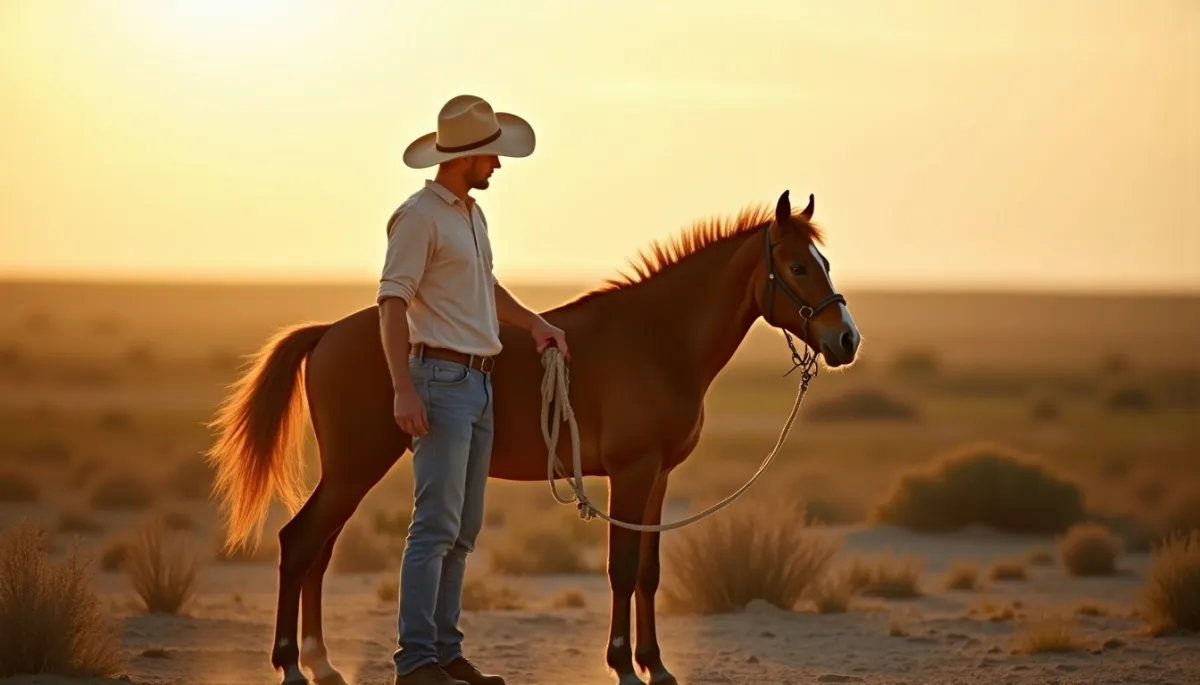
Look for names like Flores, Durazno and Tacuarembó on a map; here traditional tasks persist. Men and women ride out before dawn to check herds, mend fences, and test young horses in doma, the art of breaking and schooling a horse.
On some estancias, hosts still demonstrate the use of boleadoras, a weapon of three leather cords with stones, used historically to capture cattle. Today, such displays are ritualized, part of educational tours that explain technique and meaning.
Racines et routes
The gaucho image crystallized in the 19th century, during the wars of independence and the early republics. In Uruguay, José Gervasio Artigas (1764-1850) became a symbol; his entourage included Joaquín Lenzina, nicknamed Ansina, a figure who embodied the gaucho's loyalty and frontier life.
Literature and song helped shape the myth. Argentina's José Hernández published Martín Fierro in 1872, while Ricardo Güiraldes' Don Segundo Sombra in 1926 reached readers across borders; Uruguayans adopted and adapted those images in local payadas (improvised sung duels) and milongas.
Modern festivals crystallize memory into spectacle. The Fiesta de la Patria Gaucha in Tacuarembó, held each year since the 1970s (late January), stages jineteada (rodeo riding), parades of traditional costumes, and competitions in horsemanship that attract riders from across the region.
Entre tradition et modernité
Yet the gaucho life faces pressure. Mechanization, agricultural consolidation and urban migration thin the ranks of full-time horsemen. Small estancias are often absorbed into larger agribusiness, and younger generations seek city jobs.
At the same time, tourism and cultural projects offer a lifeline. Responsible estancia tourism funds maintenance of horse stock, fosters craft revival (leatherwork, saddlery), and gives visitors a chance to learn basics: how to tie a bola knot, how to sit for jineteada, etiquette for approaching a rider.
Contradictions remain. Some shows sanitize hardship into spectacle, while other initiatives emphasize authentic transmission, inviting apprenticeships with elder gauchos, and documenting oral histories. For the traveler, choosing hosts who respect living traditions makes the difference.
Gestes et objets
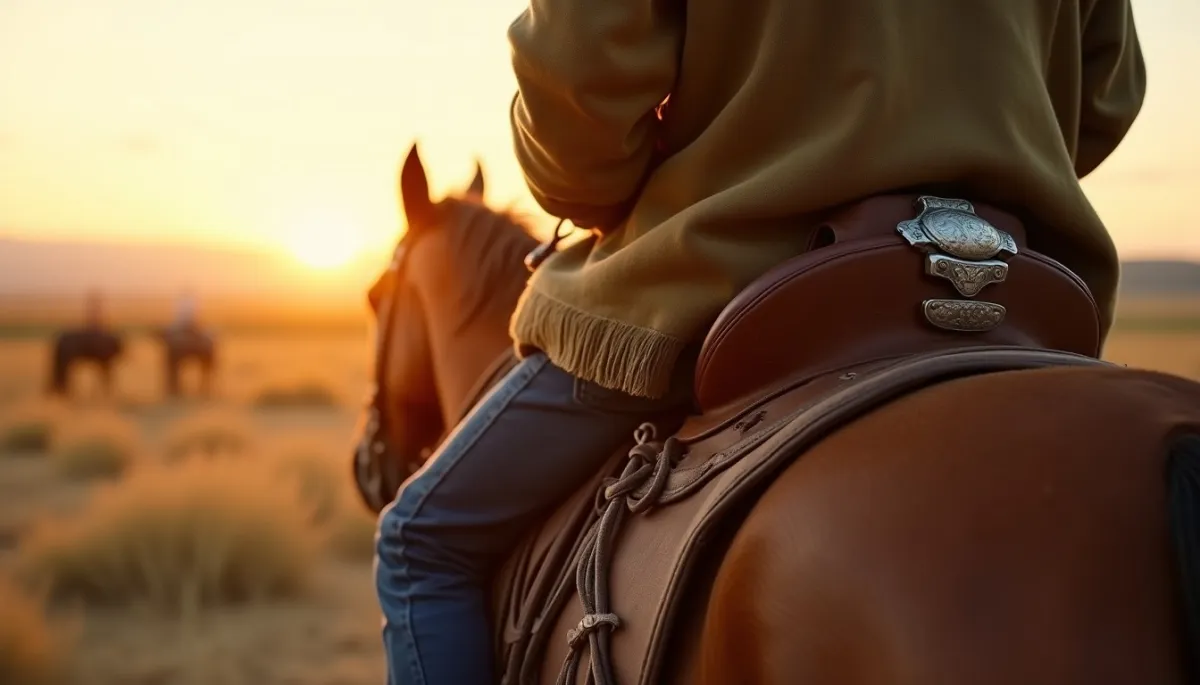
The gaucho's wardrobe is functional poetry: bombachas (baggy trousers), alpargatas (canvas shoes) or botas, a poncho that serves as blanket and rain shield, and the facón, a broad-bladed knife kept within the belt.
Words like boleadoras need explanation. Boleadoras are throwing cords with weighted ends, used to entangle a running animal's legs. They are difficult to master and impressive to see, when used correctly.
Another essential act is the payada, a duel of improvised verse delivered with guitar accompaniment. Payadores travel from estancia to estancia, keeping stories alive. Hearing a payada in a corral at dusk is to listen to history itself.
Conseils pour le voyageur
When you visit, respect routines: ask before photographing, accept invitations to help only when invited, and learn a few phrases. Wearing practical shoes and a sun hat improves the experience.
Attend the Fiesta de la Patria Gaucha for spectacle, but book an estancia stay for daily life. Seek programs that involve local families and contribute to conservation of grazing lands and horse breeds.
Finally, listen. The gaucho's world is oral and gestural. Stories from elders, the rhythm of a gallop, the smell of wet leather, convey more than any museum display.
Un lien étonnant
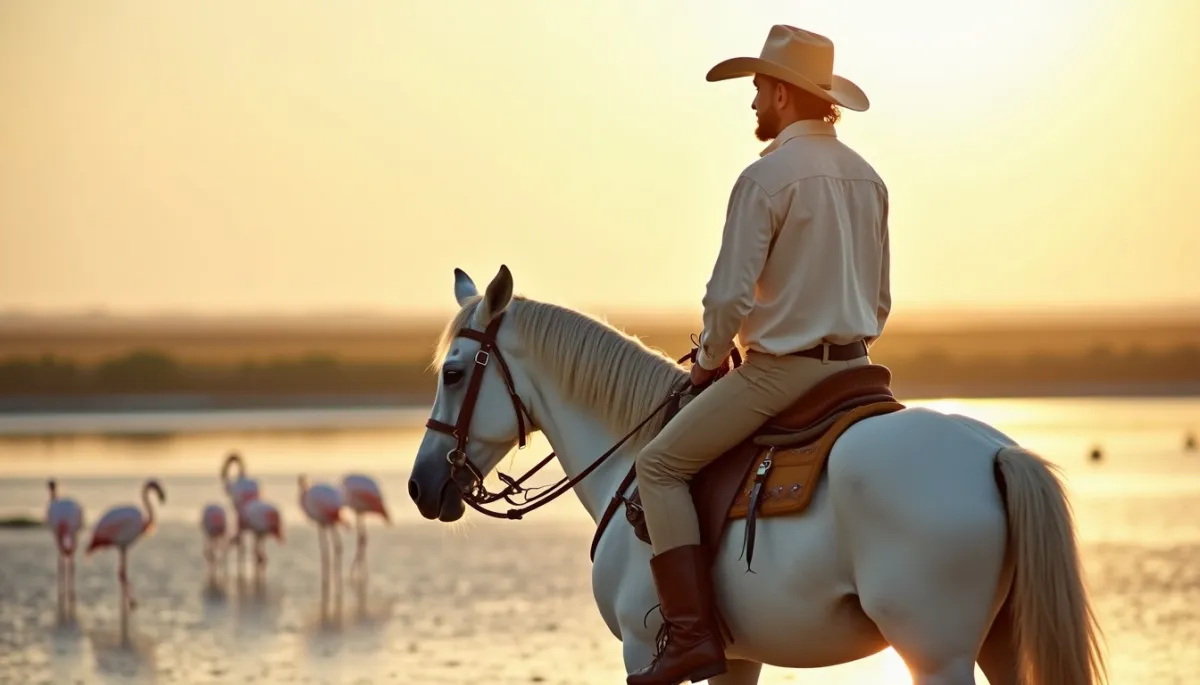
There is an echo across the Atlantic. In Camargue, the gardians manage bulls and horses with different tools, but with a similar intimacy with the land. Both cultures show how equestrian traditions shape identity and landscape stewardship.
Travelers from southern France often find the kinship surprising. Both regions prize horsemanship, simple cuisine, and communal festivals that mark seasonal labor.
Seeing gauchos in Uruguay, then gardians in Camargue, one understands how human rhythms adapt to marshes, pampas and salt flats, and how traditions survive by being practiced, not merely memorialized.