From vaquero to stockman: a global tour of cowboy names
From the Mexican plains to the Australian outback, one figure bestrides the land and legend: the herder on horseback. Across languages and continents, his name changes, but the tasks and traditions echo.
🚀 Key Takeaways
- Core concept : Many cultures developed mounted herders with distinct names and tools.
- Practical tip : Visit a local manade or station to learn hands-on traditions.
- Did you know : The English word "buckaroo" comes from the Spanish "vaquero".
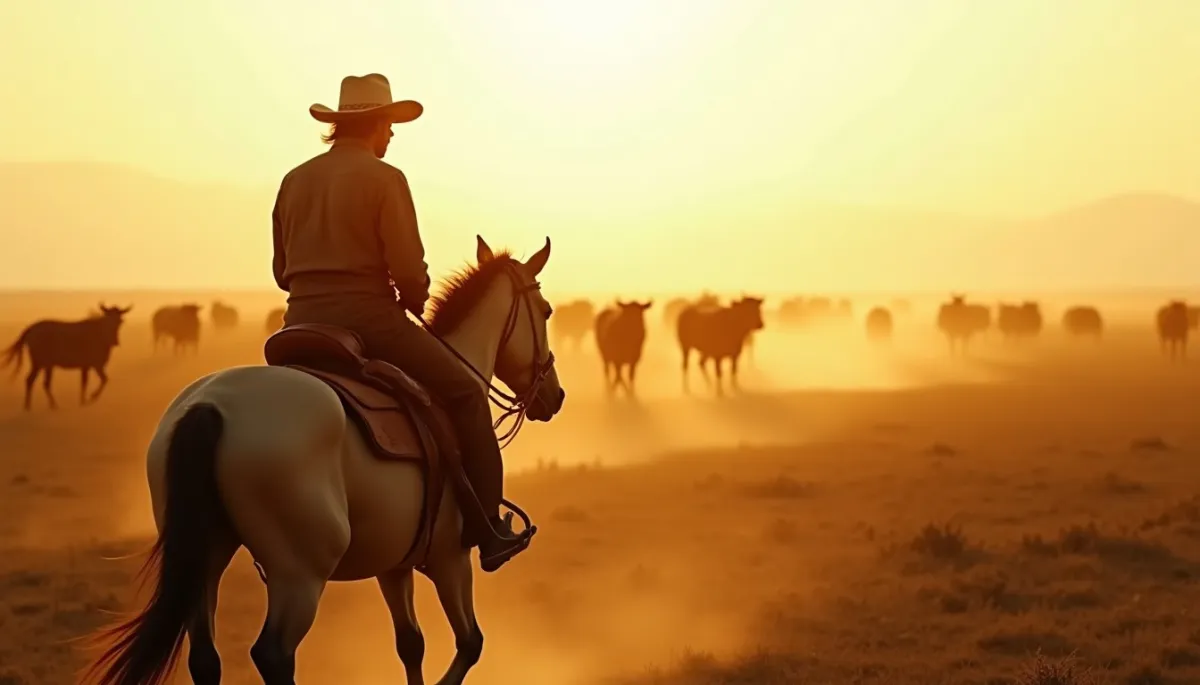
He is a silhouette against a long horizon. Picture a rider, hat pulled low, guiding a herd while the light tilts toward evening.
Tracks of the vaquero
The vaquero tradition began after horses returned to the Americas in the 16th century, brought by Spanish colonists. In New Spain, ranch culture grew in the 1600s, and skilled horsemen emerged to handle vast herds of cattle.
Vaqueros developed specific gear: the lariat (reata), the rawhide riata, and saddles that influenced later Western tack. Their techniques migrated north. By the mid 19th century, American ranches on the Great Plains adapted vaquero methods during the cattle boom following the Civil War.
A well-known anecdote links vaqueros and American cowboys: after the U.S. Civil War (1861-1865), cattle drives along the Chisholm Trail (roughly 1867 to 1884) employed many riders trained in vaquero skills. The word "buckaroo" is a phonetic English take on "vaquero," common in parts of Nevada and California.
Pampas and plains
Farther south, the gaucho of Argentina and Uruguay became an emblem of the pampas. Flourishing in the 18th and 19th centuries, gauchos were prized for their knife work, riding and independence. José Hernández immortalized their code in the epic poem Martín Fierro, published in 1872.
In the Colombian and Venezuelan Llanos, the llanero played a similar role, crucial during independence wars in the early 19th century. Their horsemanship influenced cavalry tactics and local folklore. Each name—gaucho, llanero, huaso in Chile—carries regional equipment and songs.
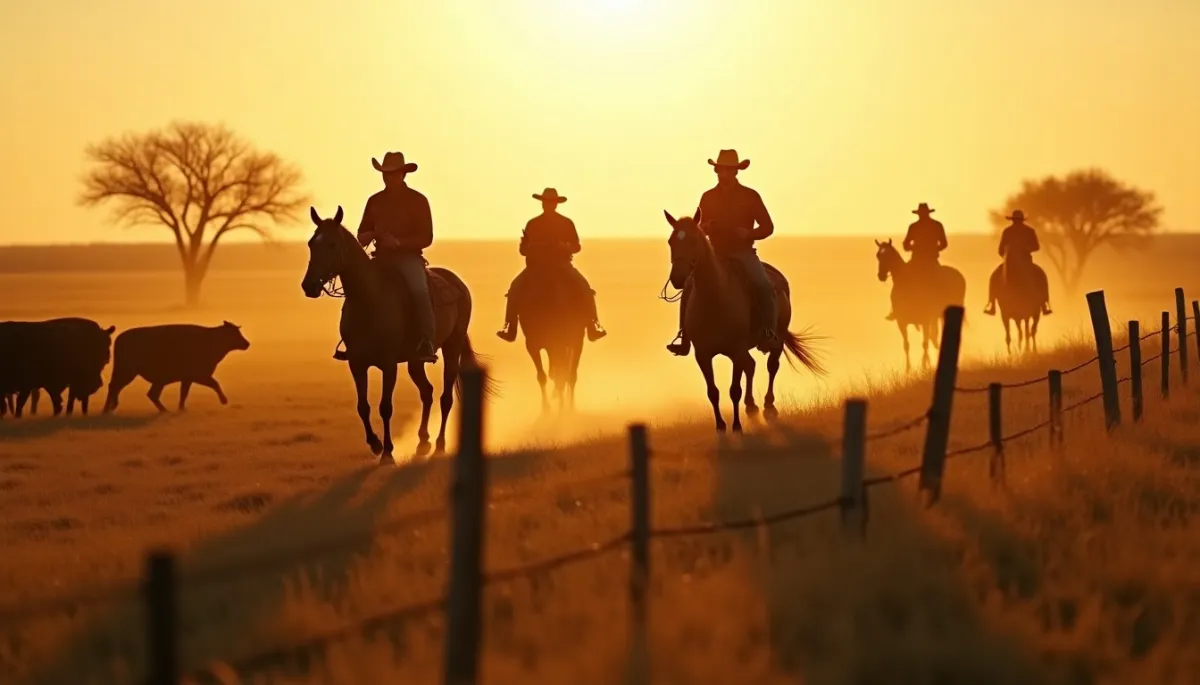
Across the Pacific, Australia forged its own figures. From the 19th century cattle boom, terms like drover and stockman described riders who moved cattle across stations the size of small countries. A "ringer" refers to an expert stockman in places like the Northern Territory, while "jackaroo" denotes a trainee on a station.
Tools and titles
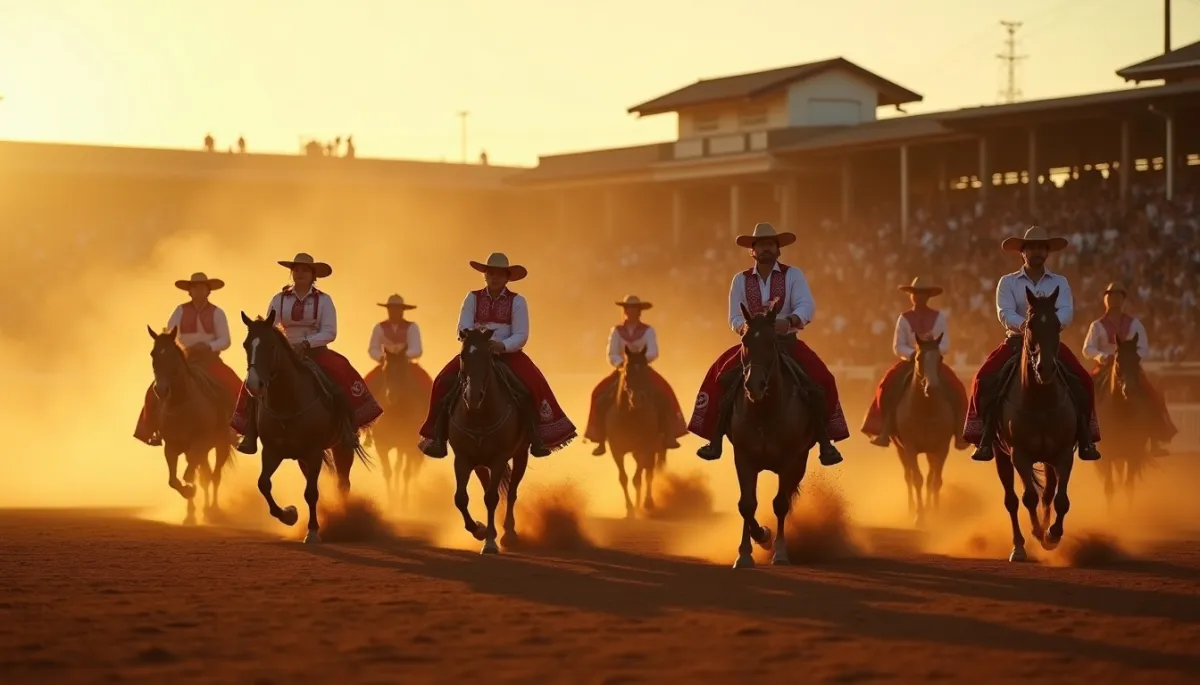
Names reflect more than language. They map tools and social roles. The vaquero's rawhide rope and ornate charro outfit differ from the stockman’s practical oilskin, or the gaucho’s facón (knife) and bombachas (baggy pants).
Famous ranches shaped reputations. King Ranch in Texas, founded in 1853, became a model of scale and breeding, blending Spanish, Mexican and American practices. In Australia, iconic stations like Anna Creek (established mid 19th century) defined the stockman's endurance on harsh terrain.
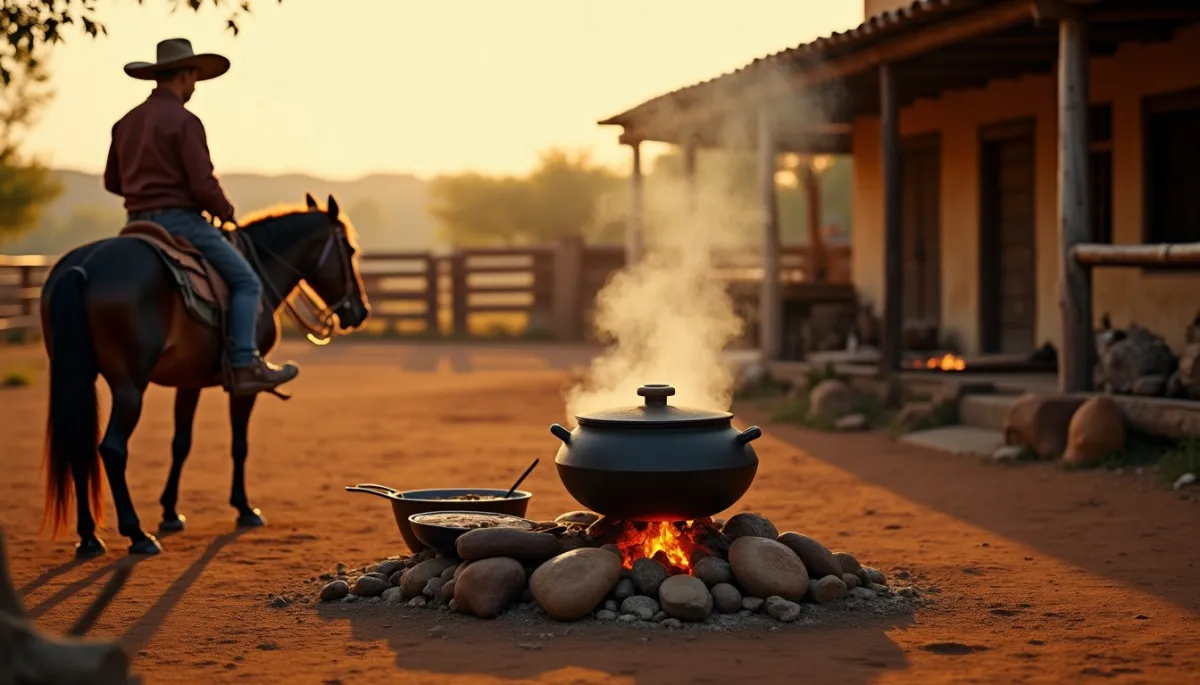
Smaller stories matter too: a remembered campfire song, a rodeo trophy from 1930, or a camarguais gardian guiding bulls in Provence. These threads make the global tapestry of mounted herders vivid and human.
Gardians and Camargue
The Camargue offers a European parallel. The gardian is the local herdsman, working white horses and managing manades of bulls for centuries. The craft is intimate with wetlands and regional rites, including the course camarguaise, a bloodless bull festival rooted in local identity.
Gardians wear practical attire and use short lances during roundups. Their techniques differ from vaqueros, yet both rely on horsemanship, herd knowledge and a close relationship with animals. Visiting a manade in Saintes-Maries-de-la-Mer reveals this living heritage.
For travelers: seek respectful encounters. Attend a local roundup, ask permission before photographing, and learn basic vocabulary. A few words of greeting unlock stories that span oceans and centuries.
Contrasts and continuities
Today, mechanization and ranch consolidation have changed the work, but traditions persist. Rodeos, poetry and festivals keep the vocabulary alive. Scholars note that many names began as practical labels and evolved into cultural icons.
There are tensions. Conservation pushes for herd management reform. Tourism risks commodifying rituals. Yet many communities balance pride in identity and adaptation to modern challenges.
Ultimately, whether called vaquero, cowboy, gaucho, stockman, drover or gardian, these riders are custodians of landscape and lore. Their names tell a world story, one rein at a time.