Visiting an estancia in Argentina: the South American equestrian tourism guide
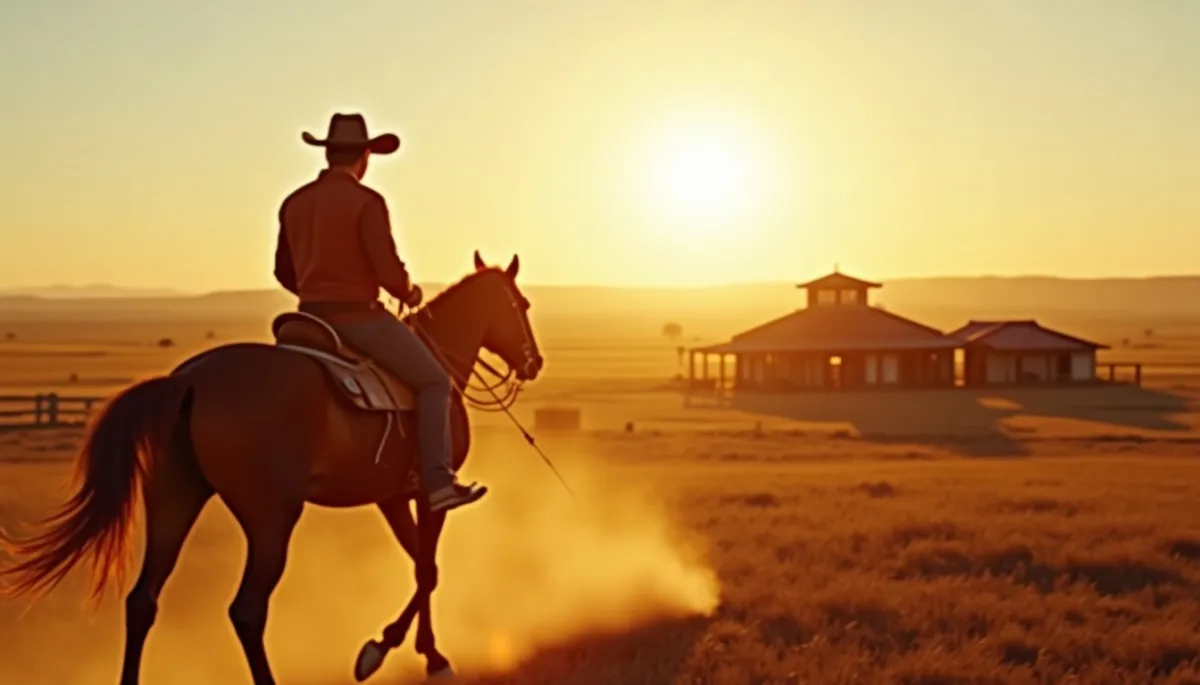
Two worlds meet on the open plain. From Buenos Aires province to Patagonia, estancias are living museums of equine culture and rural life.
🚀 Key Takeaways
- Core concept : An estancia is a rural estate focused on livestock and horseback tradition.
- Practical tip : Best months for riding are spring and autumn; pack sturdy boots and a lightweight jacket.
- Did you know : Literary works like José Hernández's Martín Fierro (1872) and Ricardo Güiraldes's Don Segundo Sombra (1926) shaped the gaucho myth.
The horse waits. Imagine dawn light on the pampas, a low sun turning dew into gold, a gaucho leading a chestnut mare toward a corral.
Pampa awakening
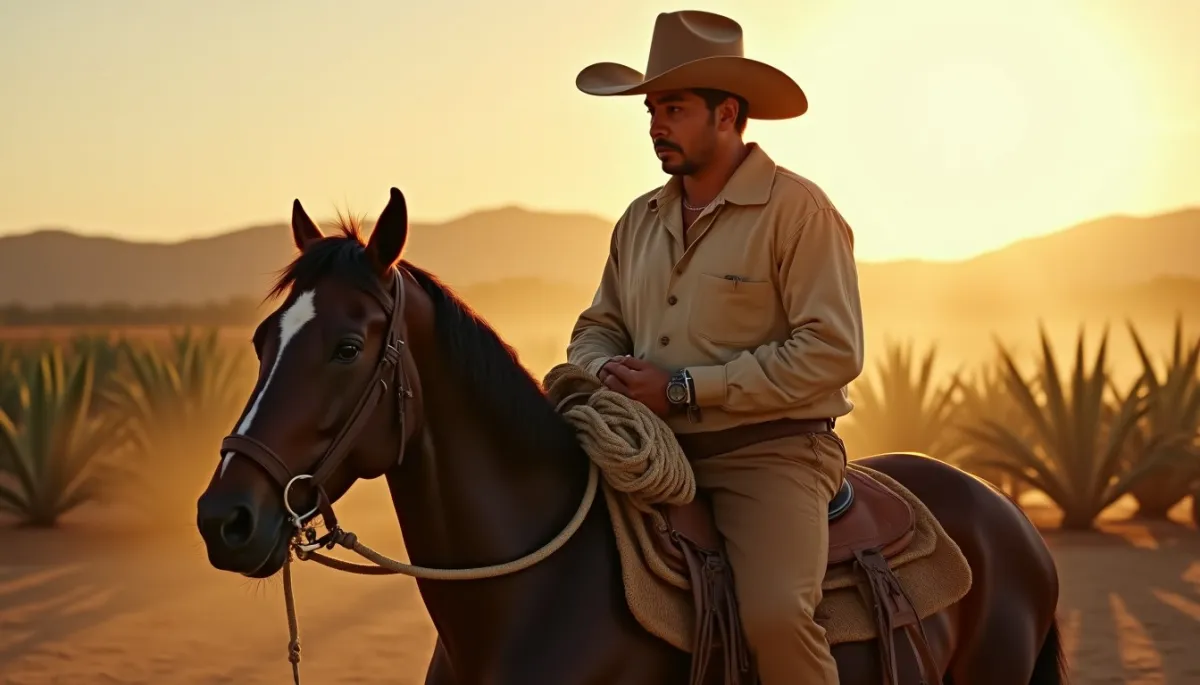
Gauchos are the human face of the estancia. These horsemen, heirs of 18th and 19th century cattle culture, still ride in traditional bombachas (baggy trousers) and wear wide-brimmed hats during festivals.
Estancias like La Bamba de Areco and El Ombú de Areco, near San Antonio de Areco, embody that heritage. Farther south, Estancia Cristina in Santa Cruz and Harberton in Tierra del Fuego tell stories of frontier settlement and sheep farming.
Historically, the late 19th century transformed estancias. The arrival of refrigerated meat exports to Europe (around 1876-1877) and railway expansion in the 1880s made Argentina a global livestock powerhouse, and the estancia became both workplace and symbol.
Riding the land
Visiting an estancia is a practical lesson in horsemanship. Daily routines include mounted cattle work, trail rides across flat pampas or rolling sierras, and hands-on saddle care with the recado (gaucho saddle tradition).
Activities vary by region. In Buenos Aires province you may join a polo demonstration, in Córdoba navigate sierras, and in Patagonia combine horseback treks with glacier or lagoon walks at estancias such as Cristina.
Practical advice: choose a estancia that matches your level, confirm whether they provide helmets, and respect local rhythms. Peak visitor months are October-November and March-April, when weather is mild and pastures are vivid.
Choosing well
Not all estancias are the same. Some are working ranches that accept a few guests, others are hospitality-focused with gourmet asados and guided rides. Decide if you want authenticity or comfort.
Consider sustainability and animal welfare. Prefer estancias that explain their practices, involve local workers, and follow responsible tourism. A legitimate estancia will welcome questions about breeding, shearing seasons, and land management.
Final tip: learn a few gaucho words (gaucho, bombacha, asado), taste mate with hosts, and bring cash for small purchases. The estancia experience is above all a human encounter, a rhythm of saddle, fire and conversation that stays with you long after you leave the plain.