Photographing the West: Capturing the soul of wild horses and cowboys
The West is more than a landscape, it is a feeling shaped by dust, wind and hoofbeats. From Yellowstone to the Camargue marshes, photographing horses and cowboys asks for patience, technique and respect.
🚀 Key Takeaways
- Key concept : Capture motion and emotion, not just form.
- Practical tip : Shoot RAW at golden hour, use continuous autofocus and panning for dynamic shots.
- Did you know : The Wild Free-Roaming Horses and Burros Act (1971) shaped modern views on mustang photography.
A distant thunder of hooves can stop time.
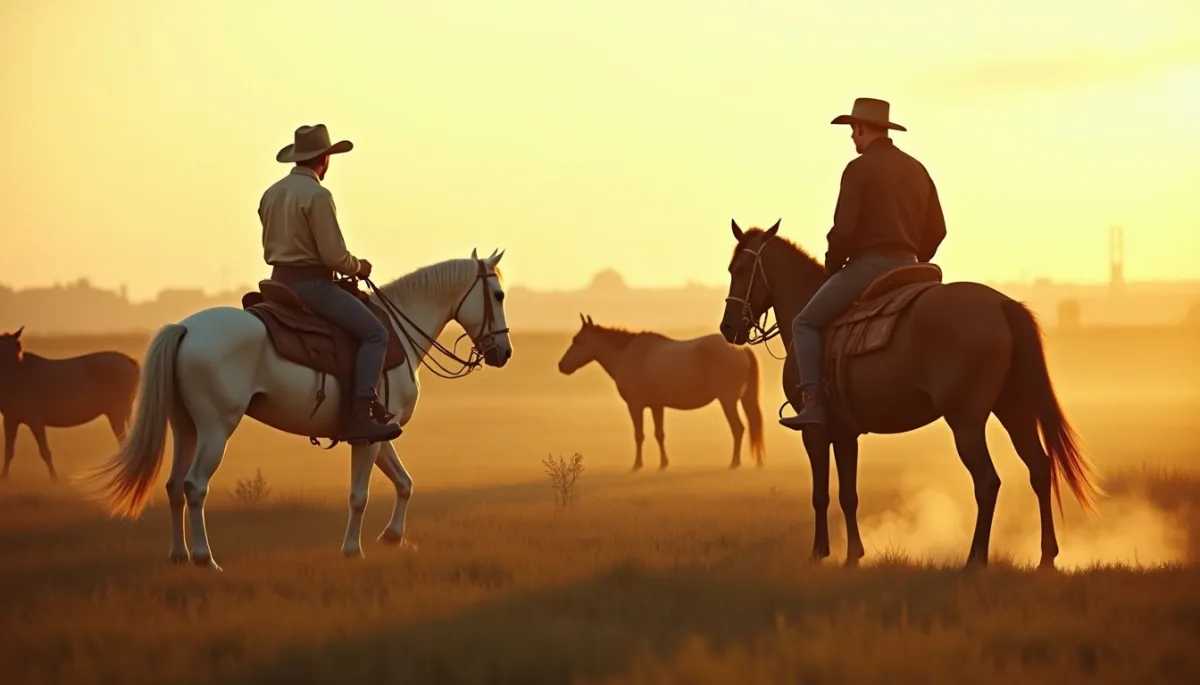
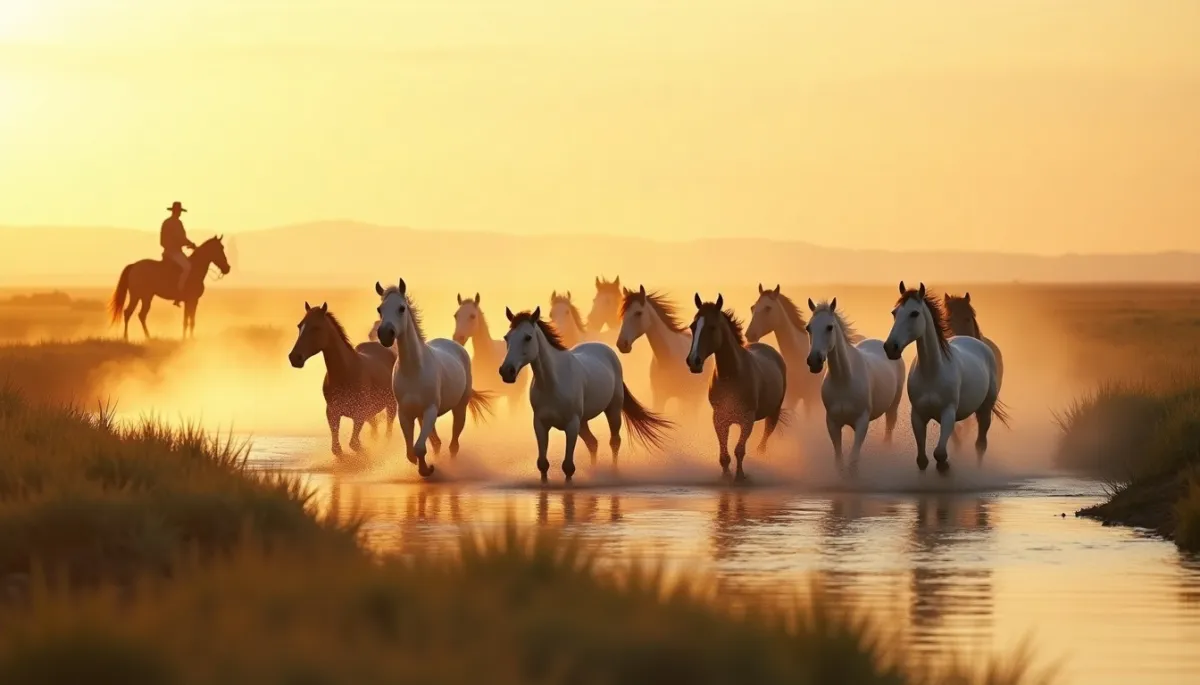
Imagine a late afternoon light over salt flats, a small group of wild mustangs throwing dust into a sunbeam, a lone cowboy on a grey mare watching them from a ridge. The air smells of wet earth and salt, and the camera becomes a witness to a ritual older than cameras themselves.
l'âme en mouvement
Photographing horses in motion is about rhythm. Technical choices dictate whether you freeze muscles or translate speed into blur. For a crisp image of a gallop, use a shutter speed of 1/1000s or faster, depending on light. For a sense of speed, try 1/125s to 1/250s while panning with the animal.
Compositional rules from classic western photography still hold. William Henry Jackson's large-format landscapes (active late 19th century) taught us the value of foreground, middle ground and horizon. Place the herd in the middle ground to suggest space, and keep the horse's eye roughly one-third from the edge to create balance.
Technique meets empathy. Set your autofocus to continuous (AI Servo/AF-C) and use burst mode to capture decisive moments: a flip of the mane, a rider's glance, the exact arc of a dust cloud. Prefer telephoto lenses (70-200mm or 100-400mm) to maintain distance and perspective compression, while a wide-angle can dramatize a low-angle portrait of a stallion against wide sky.
visages et histoires
Who are the faces of the West behind the reins? Historical names shape our visual memory. Edward S. Curtis (1868-1952) made intimate portraits of Indigenous peoples that influenced the aesthetic of the American West. Photographers like Timothy O'Sullivan and William Henry Jackson documented landscapes and expeditions in the late 1800s, creating the mythic backdrop for cowboy imagery.
Modern photographers continue the lineage. Ansel Adams (1902-1984) refined light and contrast for Western landscapes, teaching us to see tonal drama. Contemporary wildlife photographers who work with equine subjects often combine conservation messaging with aesthetics, especially after policies like the Wild Free-Roaming Horses and Burros Act of 1971, which put mustangs in the public eye.
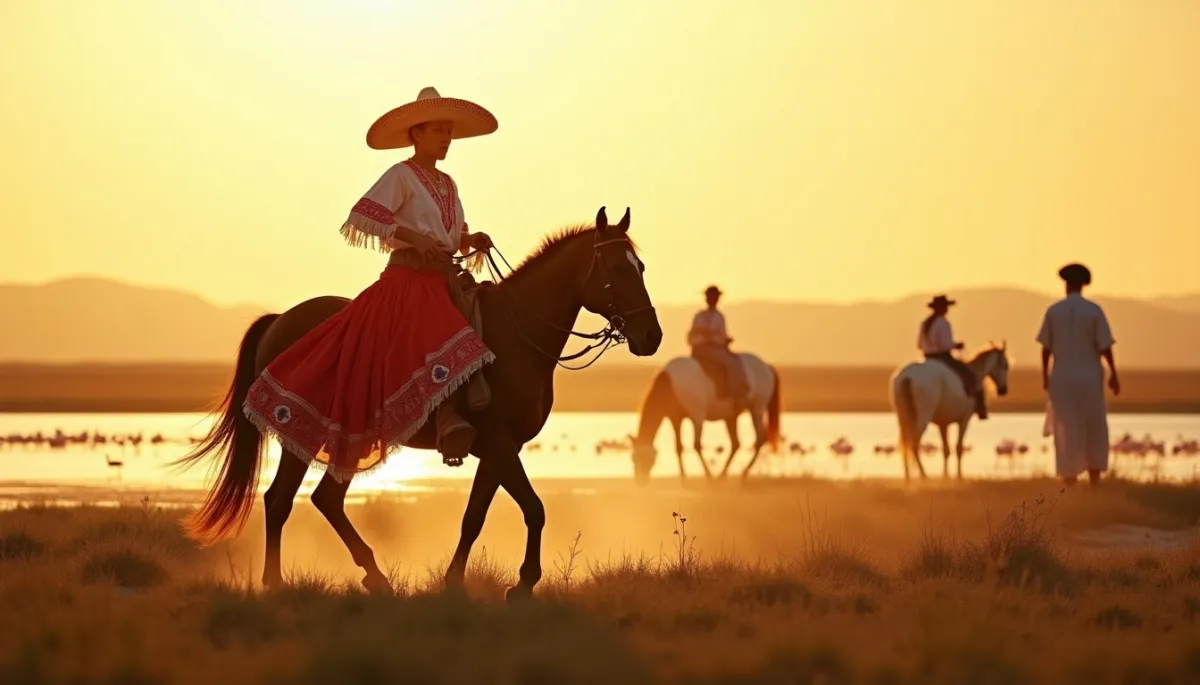
Closer to home, the Camargue offers its own cast: gardians (Camargue cowboys) and the iconic white Camargue horses. Shooting a manade (a herd) in the marshes is to witness a dialogue between rider and animal. These scenes are living archives, where traditions, like the gardian's biconical hat and the use of laisses (lassos), meet photographic practice.
équilibre et éthique
Making a great image is also about what you do not do. Respect and non-interference are essential. Wild horses are protected in various regions, and disturbing them for a shot risks both stress to the animals and legal trouble. Keep distance, use long lenses, and never chase a herd with a vehicle.
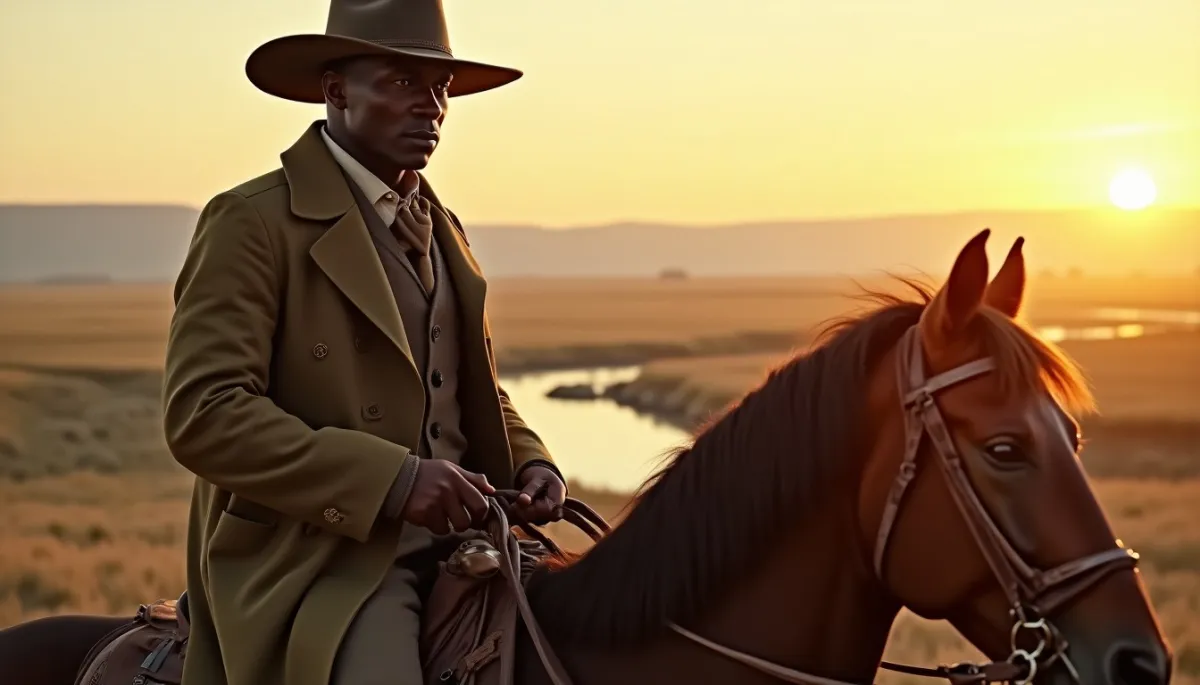
Ethics includes cultural respect. When photographing cowboys, gardians or Indigenous riders, ask permission and offer prints or digital copies. Oral histories and simple conversations often yield gestures and moments no staged portrait can reproduce. A rider's family tale or a gardian's explanation of a manade can become the caption that gives the photo meaning.
Practical advice to finish. Shoot RAW for recovery, bracket exposures in high-contrast light, and favor early morning or late afternoon. Use a circular polarizer to deepen skies and manage reflections in wet marshes. Finally, practice panning on willing subjects: set 1/160s, follow the movement smoothly, and release in bursts to find the frame that breathes.
The camera is a tool of translation. With patience, knowledge and respect, you can carry back images that do more than show the West; they make it felt.