When country inspires rap: the birth of a hybrid American genre
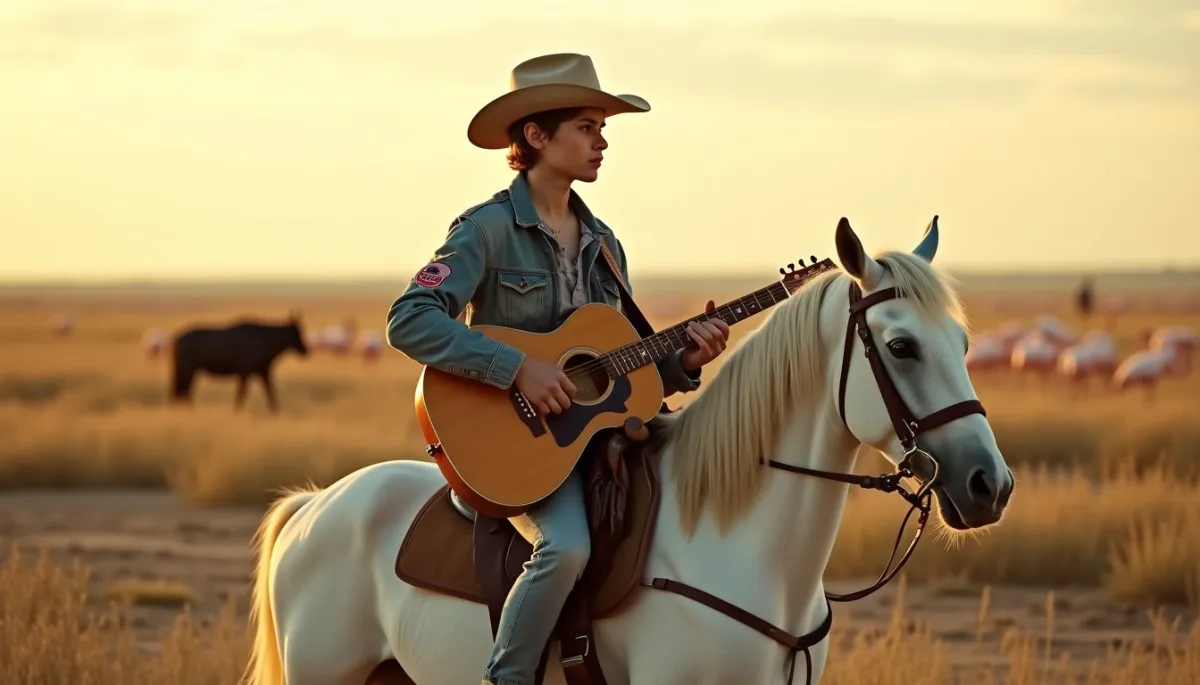
When a banjo loop meets an 808 pattern, a new language is born. The United States has seen, in recent decades, the slow fusion of country imagery and hip-hop rhythm that now answers to many names.
🚀 Key Takeaways
- Core concept: Country rap blends rural storytelling and acoustic textures with hip-hop beats and flow.
- Practical tip: Listen to Bubba Sparxxx, Cowboy Troy, Blanco Brown, then Lil Nas X to hear the arc of the genre.
- Did you know: Lil Nas X's "Old Town Road" sparked a major debate when Billboard removed it from the country chart in 2019.
The hybrid often called country rap, hick-hop, or country trap did not appear overnight. It grew from parallel lines: the narrative traditions of country music and the rhythmic, sample-based experimentation of hip-hop.
This piece traces the sound, the fights over genre boundaries, and the cultural dynamics that pushed country imagery into playlists dominated by rhythm and rhyme. I will name artists, moments and places that matter, and draw a quiet parallel with France's Camargue, where the horse and the plain keep telling stories that travel well.
Origins and early voices
Long before viral hits, artists experimented at the margins. In the early 2000s Bubba Sparxxx mixed Southern rural life with hip-hop production on albums such as "Deliverance", adding banjo and slide guitar textures into beats. Around the same era, Kid Rock and other crossover acts blurred rock, country and rap aesthetics on big stages.
In Nashville, a subculture called hick-hop emerged. Cowboy Troy became one of its visible figures, performing in country circuits while rapping about ranch life. These pioneers proved that rural identity and hip-hop cadence could coexist, even if mainstream country did not always welcome the result.
How the sound works
The hybrid relies on pairing elements that feel oppositional. Producers layer acoustic instruments, such as banjo, dobro and slide guitar, over trap drums, heavy 808 low end and rapid hi-hats. Vocals alternate between sung choruses that borrow country melody and spoken or rapped verses rooted in hip-hop cadence.
Producers like YoungKio and others popularized simple, looped country-sounding hooks pitched and placed over modern beats. Later artists refined the palette: Blanco Brown turned the danceable country-rap into viral choreography with "The Git Up", and Lil Nas X used TikTok to accelerate reach for a minimal, haunting loop turned anthem.
The Billboard moment and cultural friction
In 2019 Lil Nas X released "Old Town Road". It became a cultural Rorschach test. The song debuted and soared in streaming, it was loved by viral audiences, and then Billboard removed it from the Hot Country Songs chart, arguing it lacked enough country elements. The decision ignited debates about gatekeeping, race and genre definitions.
That controversy revealed something larger. Genres are not just sonic categories, they are social territories with histories and power. For some listeners, country rap is a welcome modernisation, for others it is an intrusion. The market, however, kept moving. Collaborations such as Florida Georgia Line with Nelly, and later mainstream artists experimenting with the palette, showed that audiences respond to authenticity more than to labels.
Why now and what it means for tourism and heritage
Streaming platforms, social media and the visual grammar of music videos accelerated the hybrid's rise. A song tied to a viral dance, a rodeo clip or a horse image can travel internationally in days. That visual link brings country-rap aesthetics into spaces you would not expect, including European wetlands where horseback traditions still matter.
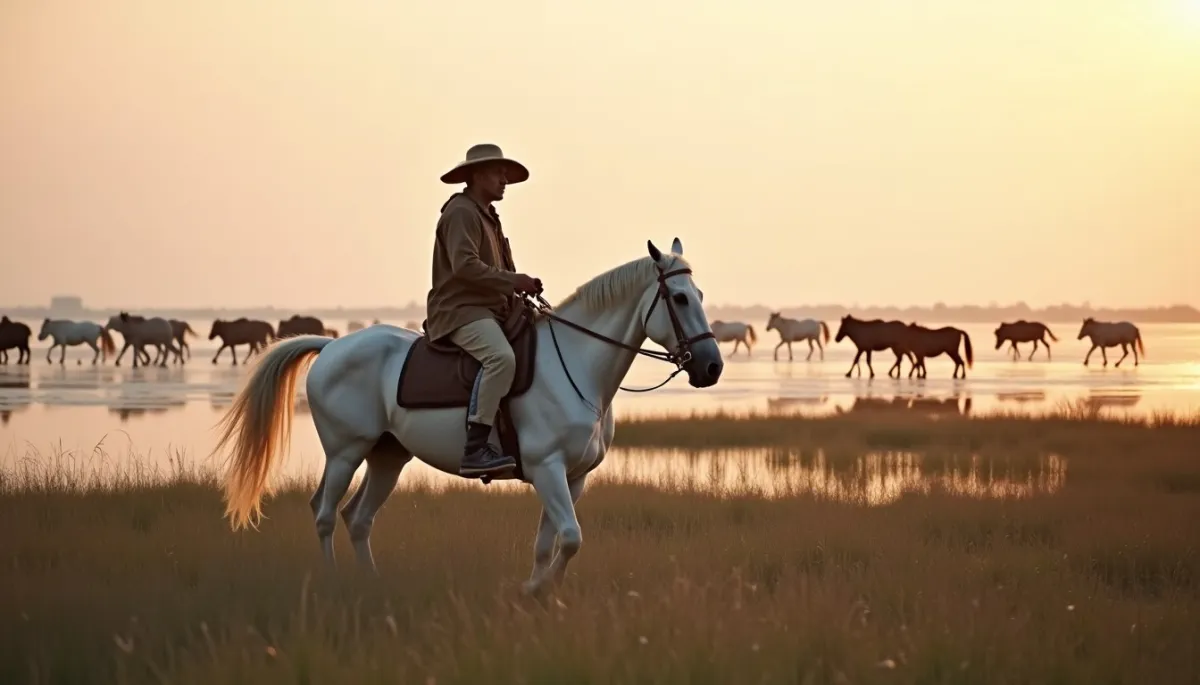
In the Camargue, for example, the image of the gardian on a white horse is a powerful symbol, much like the cowboy in American country songs. For travelers, the fusion genre opens a new way to experience rural heritage: attend a manade visit, feel the rhythm of the plain, and understand that modern artists borrow the same visual and narrative cues that local traditions have used for centuries.
Where to begin listening and watching
Start with early examples to hear the roots. Play Bubba Sparxxx and Cowboy Troy, then move to crossover hits such as the Florida Georgia Line remix featuring Nelly, and Blanco Brown's "The Git Up". Finish with Lil Nas X's "Old Town Road" and its remix with Billy Ray Cyrus to understand the viral peak.
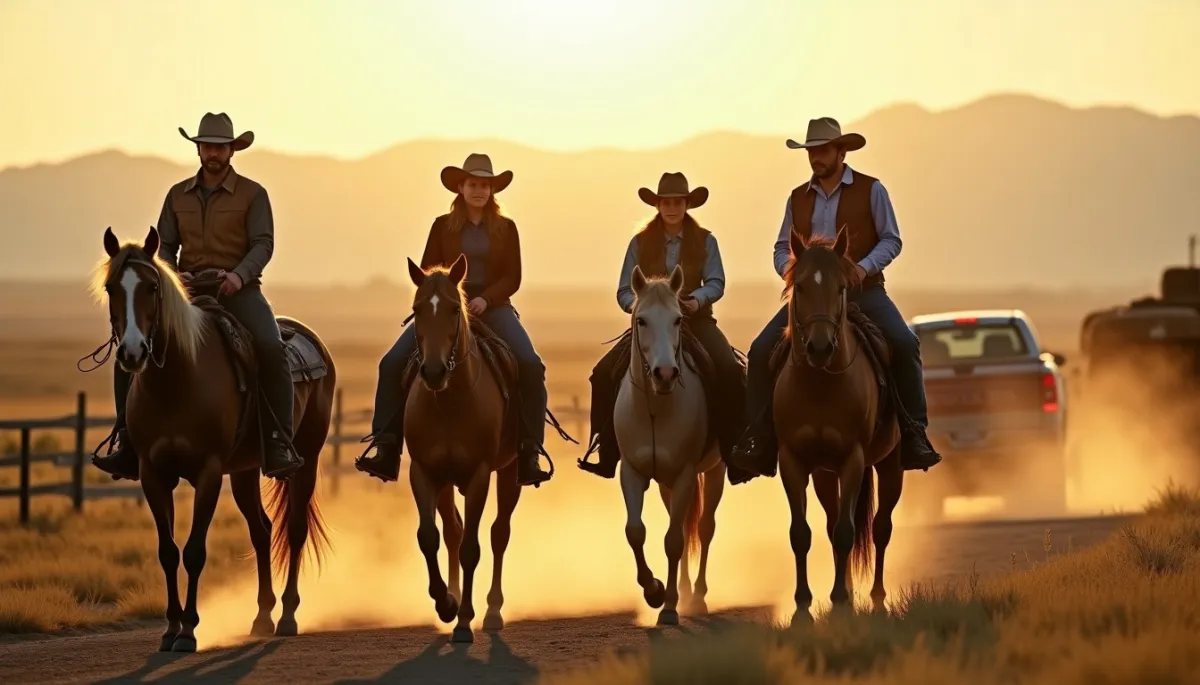
Watch music videos with a journalist's eye. Notice the recurring images: fences, horses, dusty roads, small-town bars. Those are the same visual motifs that draw tourists to places like Nashville and also to the Camargue, where horses and open sky dominate the frame.
A respectful look ahead
Country-rap is not a fad. It is part of a long conversation that connects storytelling traditions, new production technologies and the need for cultural expressions to cross borders. Artists will keep blending, and audiences will keep arguing, which is healthy for living traditions.
For the curious traveler or music fan, the invitation is concrete: listen with attention, visit the places that inspire the imagery, and acknowledge the communities behind the sounds. That is how heritage evolves and stays meaningful.