Why Camargue foals are born black and turn white
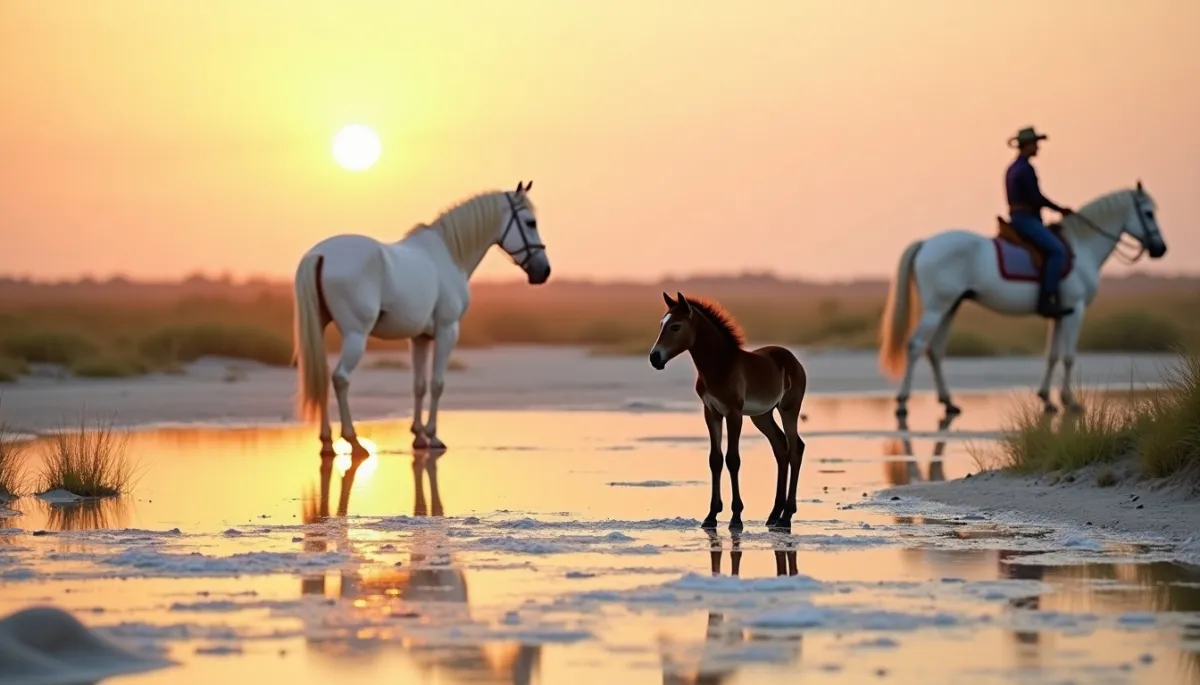
In the salt marshes of the Camargue, foals arrive like small black shadows, then slowly turn into the luminous white horses everyone knows. This transformation is at once biological, cultural and the signature of a landscape.
🚀 Key Takeaways
- Key concept : The gray (G) gene causes foals to be born dark and progressively lose hair pigment, becoming white.
- Practical tip : Visit a manade in spring to see foals; do not frighten mares and follow the gardian's rules.
- Did you know : The gray gene (STX17 duplication) was identified by researchers in 2008 and links whitening to a genetic duplication.
A small black foal nudges its mother at sunrise.
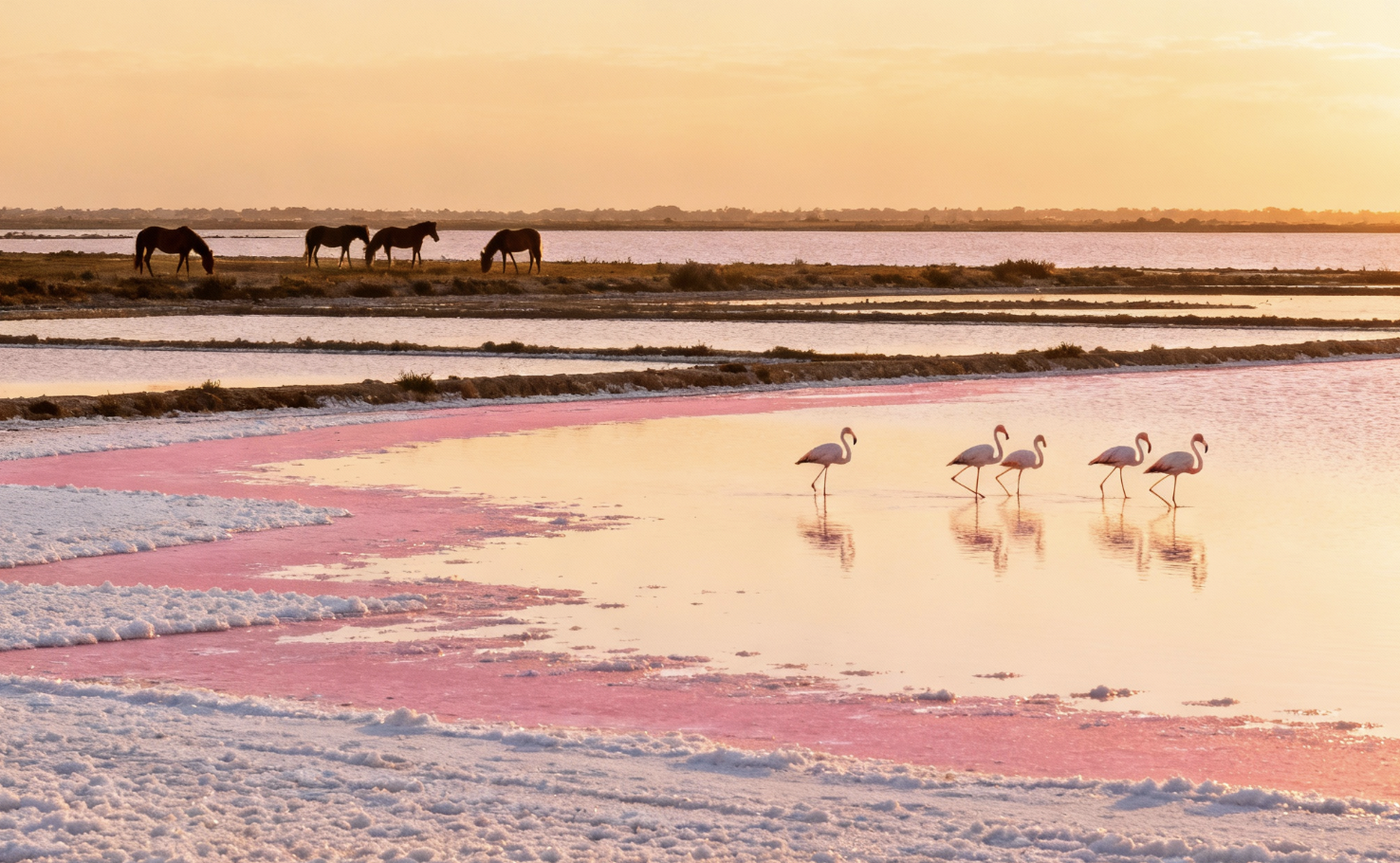
Mists rise from the ponds near Les Saintes-Maries-de-la-Mer, salt crystals sparkle on the reeds, and a group of white Camargue horses grazes in the background. Among them, the newborn is dark as a coal, its coat still wet from birth. Visitors often think the foal will stay that color, until months and years of sun, wind and genes turn it to the pale, almost silver white that makes the marshes so iconic.
Du noir au sel
At birth, nearly all Camargue foals show a dark coat: black, brown, or dark bay. This is the visual start of a long change.
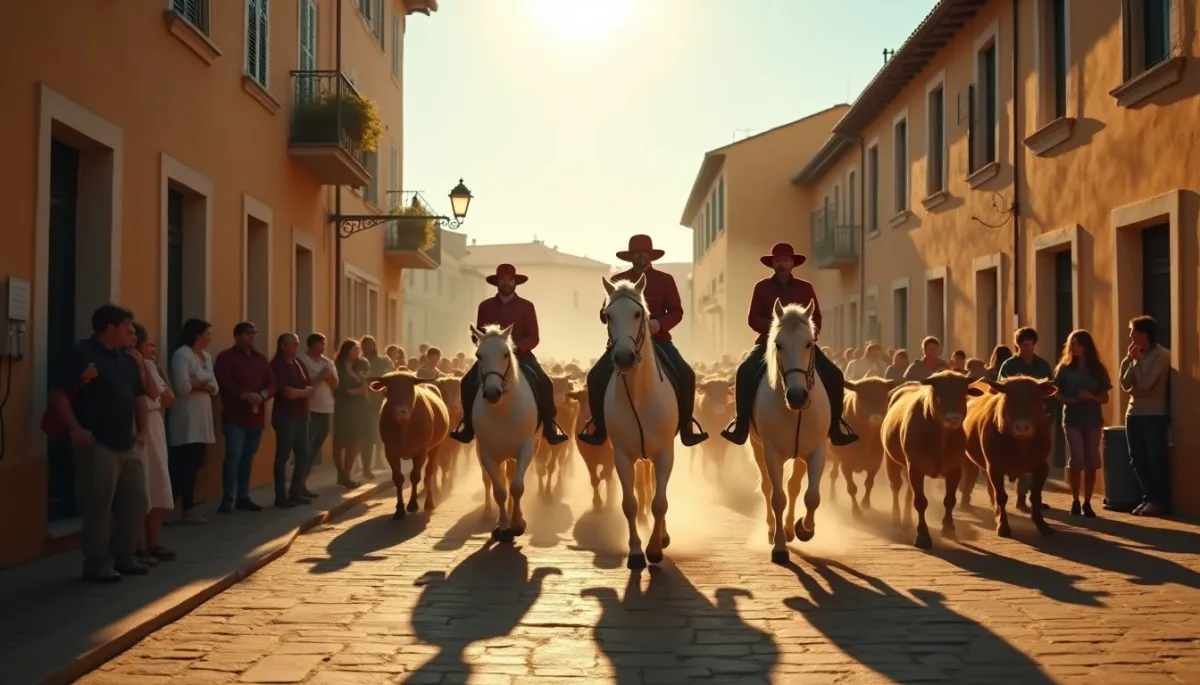
Locals have a saying: « Le poulain naît noir, il devient sel. » It sketches the image of a natural laundering by time, salt and seasons. You can see this during the abrivado or a visit to a manade in spring, when foals of a few weeks contrast strongly with their elders.
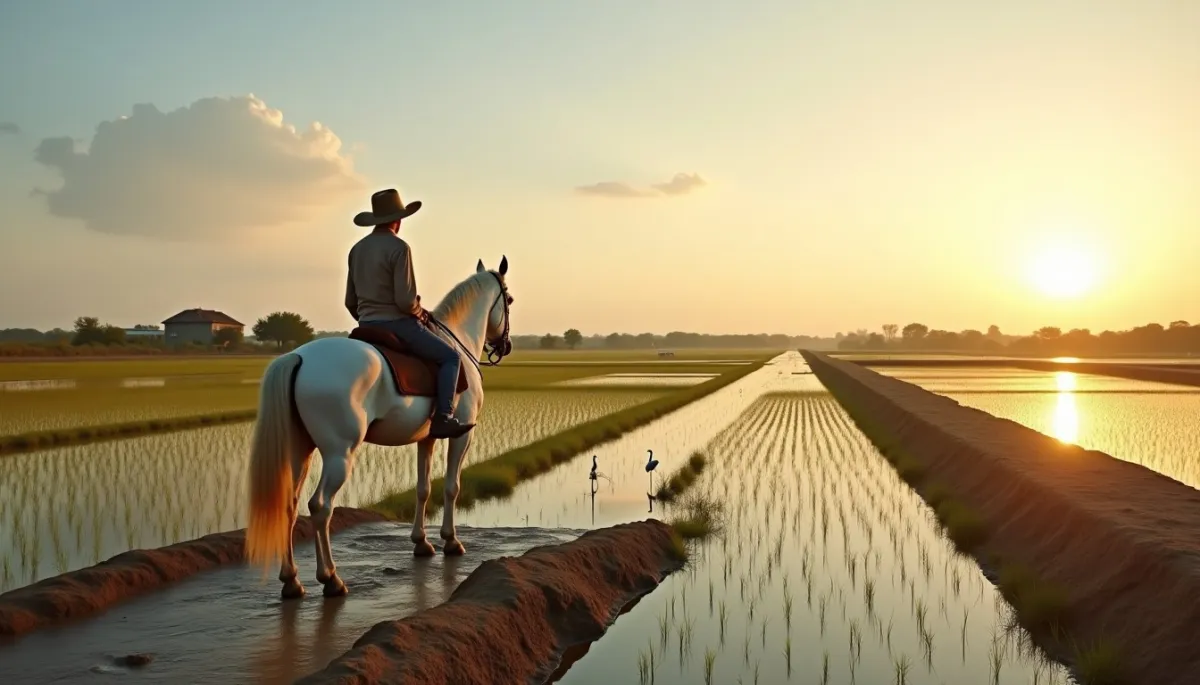
The progressive whitening is not a seasonal stain or dirt. It is a predictable biological process shared by many horse breeds labeled “gray”. In Camargue, the white horse remains a cultural emblem: guardians (les gardians) display them during local festivals, and tourists flock to photograph this slow change under the Provençal sun.
Au coeur du gène
The science is straightforward enough when explained simply: a dominant gene, called the gray gene (symbol G), controls progressive depigmentation of the hair. A foal may inherit G from one parent and begin life dark, then gradually lose pigment in its hair shafts.
In 2008, researchers (notably Pielberg and colleagues) identified a duplication near the STX17 gene that strongly associates with the gray phenotype. That mutation accelerates the aging of pigment cells (melanocytes), causing them to stop producing melanin in hair so that the coat lightens with time.
Importantly, skin pigmentation often remains dark. That is why a gray horse can look white-haired but keep dark skin under those hairs. This differs from albinism, where skin and eyes lack pigment. For the Camargue, dark skin is also practical: it reduces sunburn risk in the marshes, where sunlight reflects off water and salt.
Nuances et légendes
Genetics explain the mechanism. Culture explains why the white horse is so central to Camargue identity. Since at least the 19th century, gardians have bred and exhibited these animals; accounts from travellers in the late 1800s already mention the “white horses” of the marsh.
There are contradictions and cautions. The same genetic change that produces the beloved white coat also increases the risk of melanomas. Studies show a high prevalence of skin tumors in older gray horses, sometimes affecting a majority after 15 years of age. This medical reality has been documented in veterinary literature throughout the 20th and 21st centuries.
Breeders in the manades balance tradition and health. They monitor older animals, adapt management practices, and work with veterinarians while keeping the rituals: round-ups, ferrades and the seasonal life of the herd remain rooted in place. Visitors should respect these practices and learn. A simple rule: ask before approaching, do not separate mare and foal, and prefer guided visits to spontaneous intrusions.
Conseils du marais
If you want to observe the whitening process up close, plan a spring visit. Foaling season runs from late winter to spring, and the contrast between newborn dark coats and elder white horses is most striking then.
For caretakers, keep an eye on lumps around the tail and under the tail—common sites for melanomas in gray horses. Regular checks, sun protection for unpigmented skin, and veterinary follow-up are practical measures described by local veterinarians who work with manades.
Finally, when you leave the marshes, remember an image: that of a dark foal under a wide Provençal sky, destined to become a white horse of the Camargue, alive evidence of how genes, landscape and human tradition meet on the salt and reed plains.