Being a woman gardian today: breaking codes in the manades
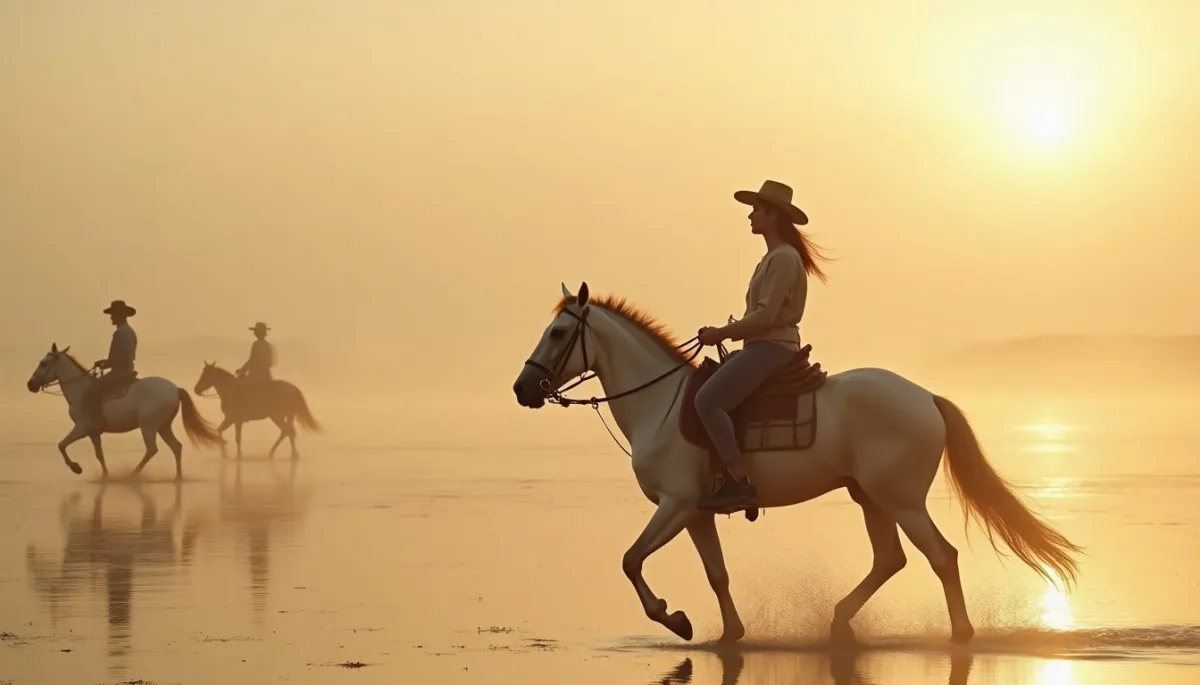
On the wide salt flats of the Camargue, a woman rides as dawn paints the sky. Her stride with the Camargue horse is quiet, decisive, and ancestral.
🚀 Key Takeaways
- Core concept : Women are taking visible roles as gardians in Camargue manades, blending tradition and modernity.
- Practical tip : Training such as BPJEPS equitation or CAPA palefrenier soigneur helps enter the métier.
- Did you know : The Camargue Regional Natural Park was created in 1970, helping protect the manade landscapes and the craft.
She rides into the salt and mist. The horses' bells jingle, and the sea wind smells of peat and brine.
Matin de sel
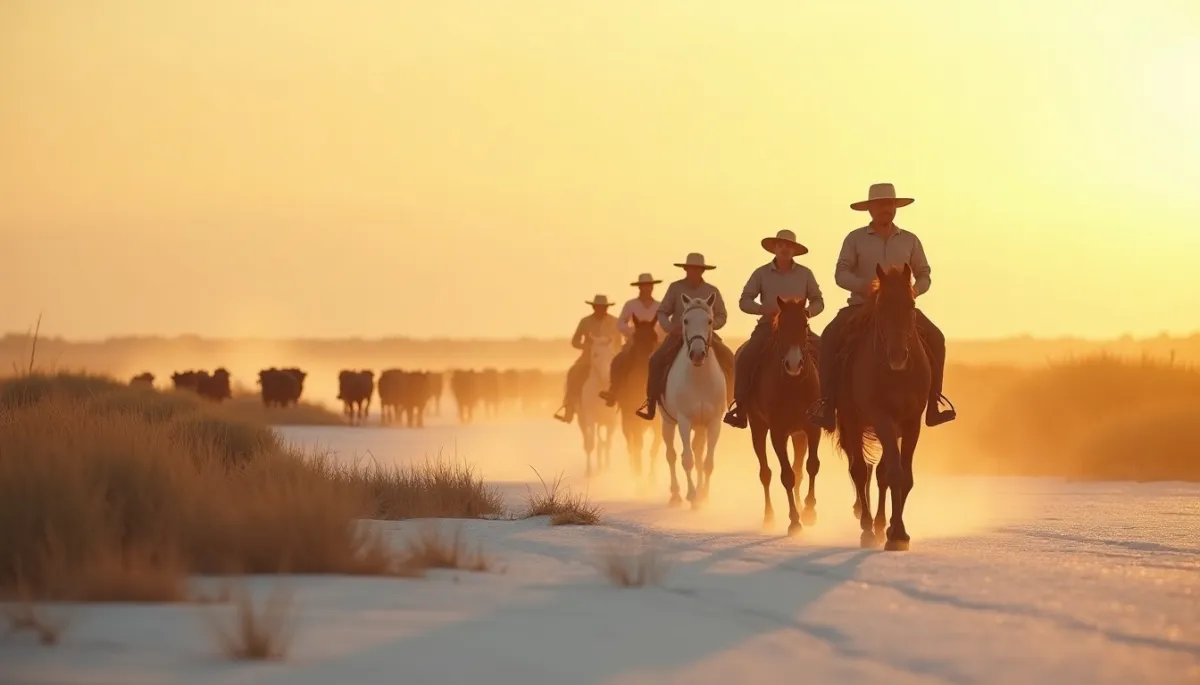
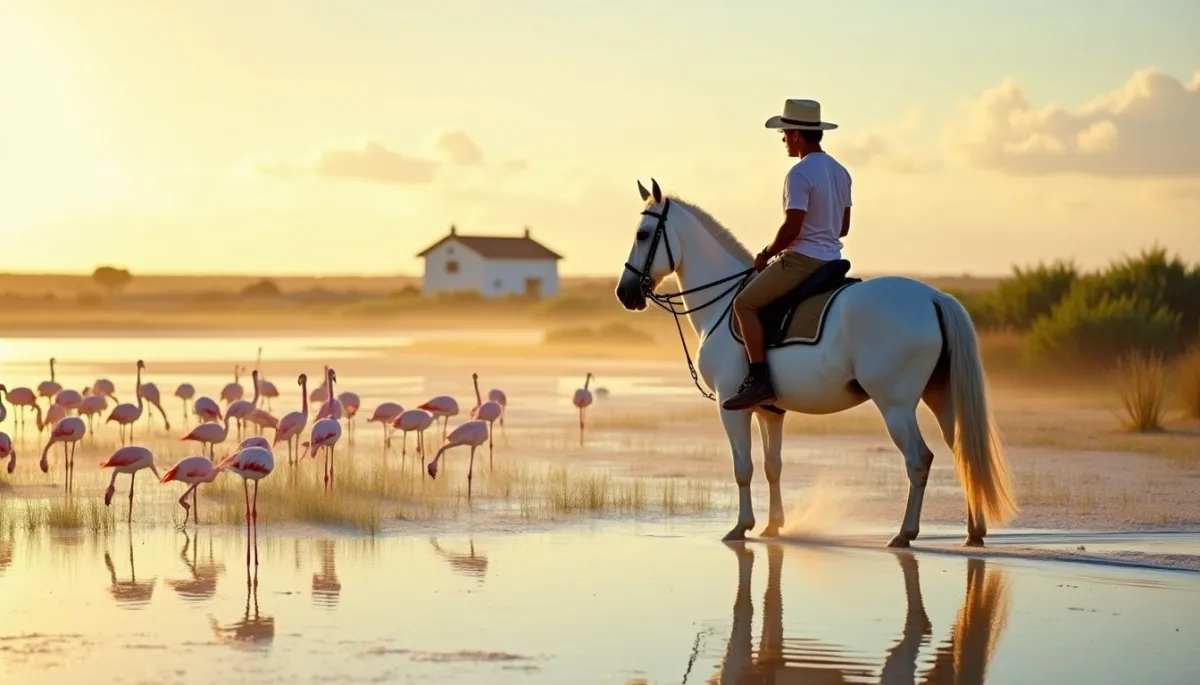
The scene is almost cinematic: low sun, wide marshes, a small band of Camargue horses (blond manes, sturdy bodies) moving like punctuation across the plain. Women gardians, sometimes called gardianes, guide them with the long trident and the steady voice that tames both animal and weather.
In the manades around Saintes-Maries-de-la-Mer and the Petite Camargue, the rhythm of life still depends on the seasons. In spring, calves are born; in summer, the meadows dry and the work changes; in autumn, bulls for the course camarguaise are selected. Women are present at every step, from birthing to round-ups.
That proximity to animal life gives gardianes a visibility that feels new to visitors, yet it is the result of decades of slow change within a tradition that has lasted for centuries.
Au cœur des manades
Who are these women? They are daughters of manadiers, new owners, hired gardians, or teachers who move between stables and festivals. Some came back after city careers, others never left the land. Their work mixes riding, herd management, veterinary care and public relations during ferias and pilgrimages.
Practical credentials matter. Many pursue BPJEPS in equitation, which allows supervision of riding activities, or CAPA palefrenier soigneur, focused on equine care. Those qualifications help in modern manades where insurance, safety and public visits are now part of the job.
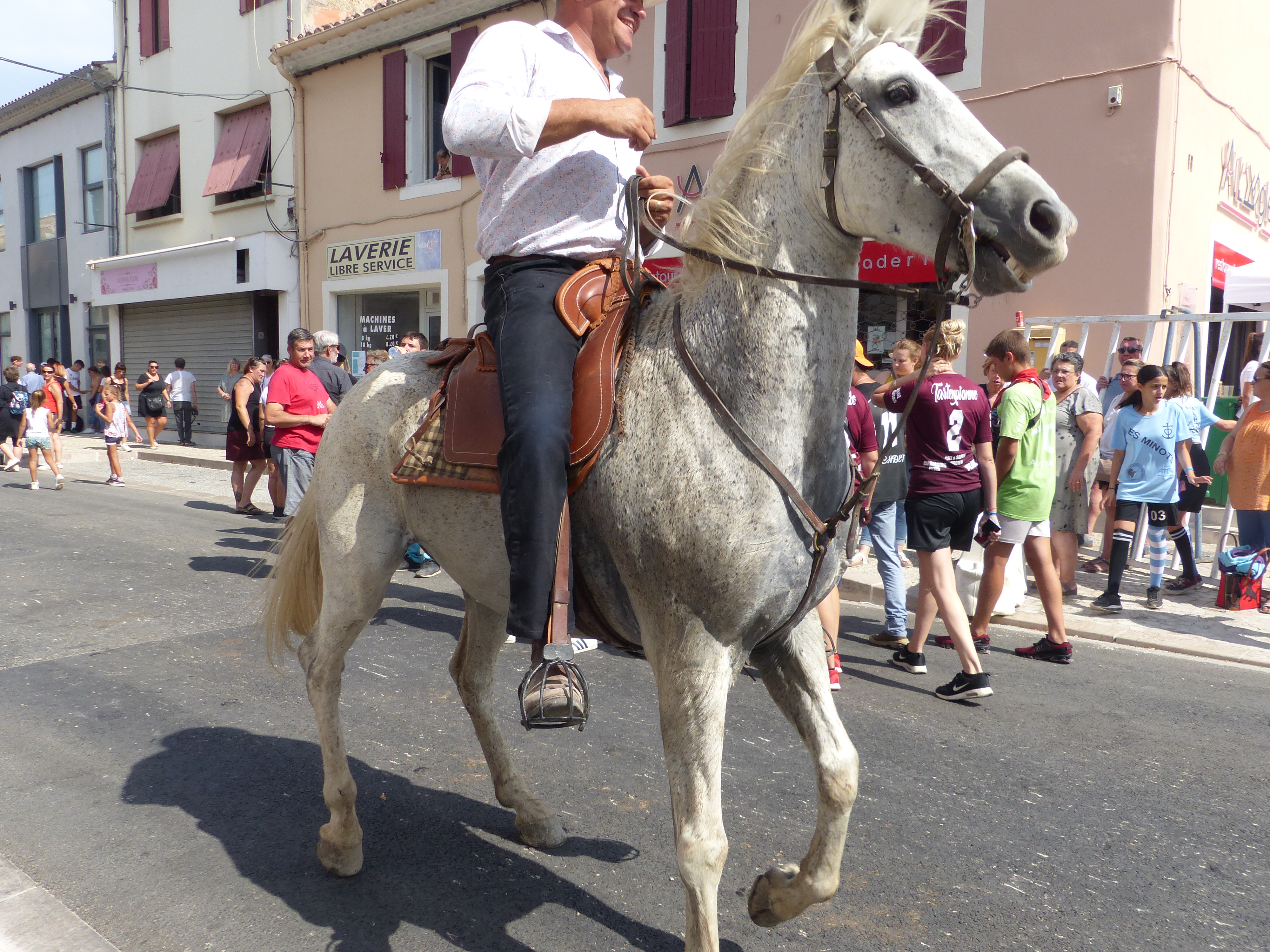
On festival days like the Saintes-Maries-de-la-Mer pilgrimage in May, gardianes handle processions, control crowds and display traditional equestrian skills. That public role accelerates recognition and changes perceptions about who can be at the front of a manade.
Les traces visibles
There are concrete signs of change. Since the late 20th century, women's presence in equestrian professions across France rose, and in the Camargue that trend translated into more women in leadership inside manades. The landscape protectorate created in 1970 also encouraged sustainable practices and a more formal organization of manades, opening administrative roles often held by women.
Anecdotes build the narrative. A young gardiane once convinced a traditional manadier to trial rotational grazing, improving pastures and the health of the herd. Another organized bilingual visits for tourists, connecting revenues to better animal care. These are small revolutions, pragmatic and effective.
Visibility matters: when a woman rides at the head of a herd during a feria, it becomes a story people tell, and that story slowly reshapes the local imagination.
Pourquoi maintenant
Why are these changes happening? The causes are multiple. Economic pressures force manades to diversify: agritourism, events and direct sales require managerial skills. Women, often trained in communication and agronomy as well as riding, fit well into these hybrid roles.
Societal shifts play a role too. Access to vocational training for women expanded in the late 20th century. Young women from urban backgrounds also rediscovered rural vocations in recent decades, attracted by authenticity, animal work and an outdoor life.
Finally, legal and sanitary frameworks (animal welfare rules, land use regulations) have professionalized the sector, making formal diplomas and administrative know-how increasingly essential, areas where women have quickly invested.
Ruptures et rêves
Contradictions persist. The image of the gardian remains masculine in many minds. Payment and land inheritance can still favor men, and heavy seasonal work is not always compatible with family life. Some manades remain closed to change, clinging to lineage-based leadership.
Yet new models appear. Cooperative manades, mixed management teams, and women-led agri-cultural projects combine tradition and innovation. In some places, women lead breeding programs, choose bloodlines adapted to climate variation, and promote the Camargue horse and bull beyond local fairs.
If some doors are only ajar, others are wide open. The presence of women as visible leaders in manades changes recruitment, education and how young girls imagine their future in the region.
Conseils et gestes
For a woman who wants to become a gardiane today, practical advice matters. Learn to ride the Camargue horse; its posture is different from sport breeds. Pursue recognized training: BPJEPS for riding, CAPA palefrenier soigneur for care, and seek internships in manades to learn local techniques.
Master basic animal health and stockmanship. A gardiane must read body language, manage feed and water in harsh summers, and know emergency procedures. Networking with local manadiers, vets and the Parc naturel régional de Camargue helps open doors.
Finally, carry the story. Language matters: using the name gardiane reclaims space. Show up at ferias and pilgrimages, tell visitors about the land, and blend technique with culture. That is how codes are broken, one step at a time.