Working on an Australian cattle station: everything you need to know
Working on a cattle station in Australia means trading city lights for red dust, wide skies and long days of hands-on labour.
From Anna Creek to remote Northern Territory properties, discover who runs these stations, what the job entails, and how to prepare for life in one of the world’s most extreme ranching environments.
🚀 Key Takeaways
- Core concept : A cattle station is the Australian equivalent of a ranch, often vast and remote.
- Practical tip : Bring sun protection, solid boots, and basic mechanical skills; the dry season is mustering season in the Top End.
- Did you know : Anna Creek Station covers over 23,000 km², making it the largest cattle station on Earth.
Dust, dawn and a distant dog bark.
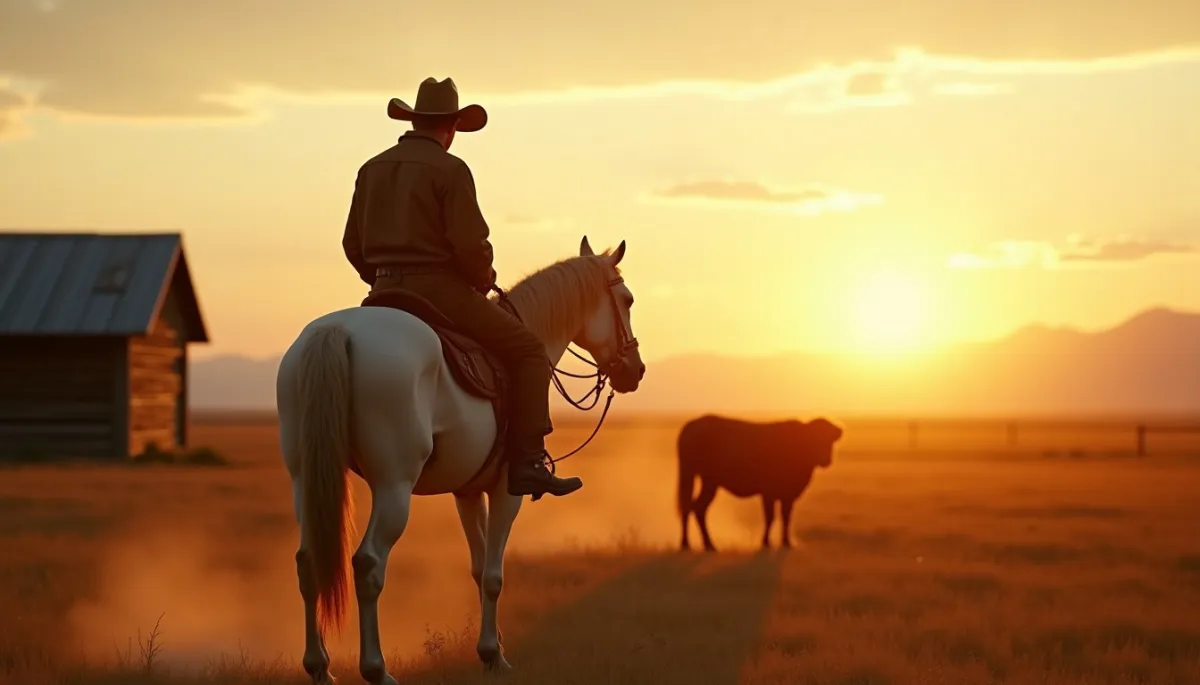
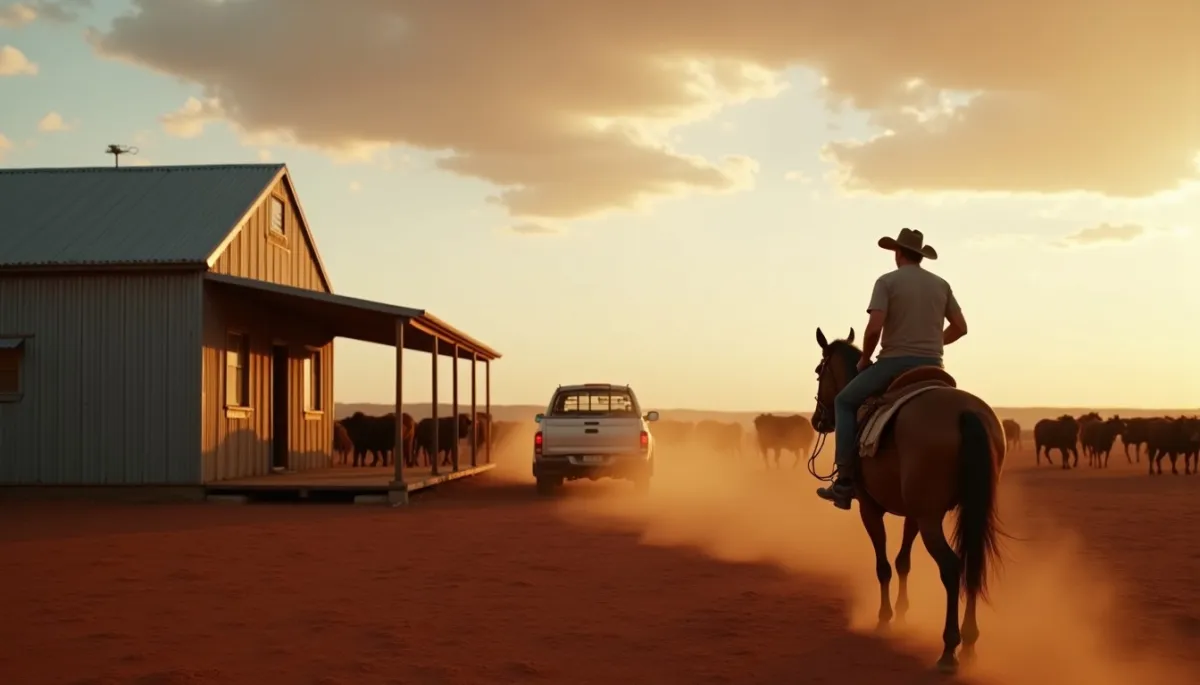
Imagine a ute parked by a corrugated iron shed, a stockman saddling a quiet bay, and cattle spread like leather-brown islands under a blazing sky. The horizon is a slow moving promise, and morning tea is an institution. That is station life, intense and simple at once.
Wide country
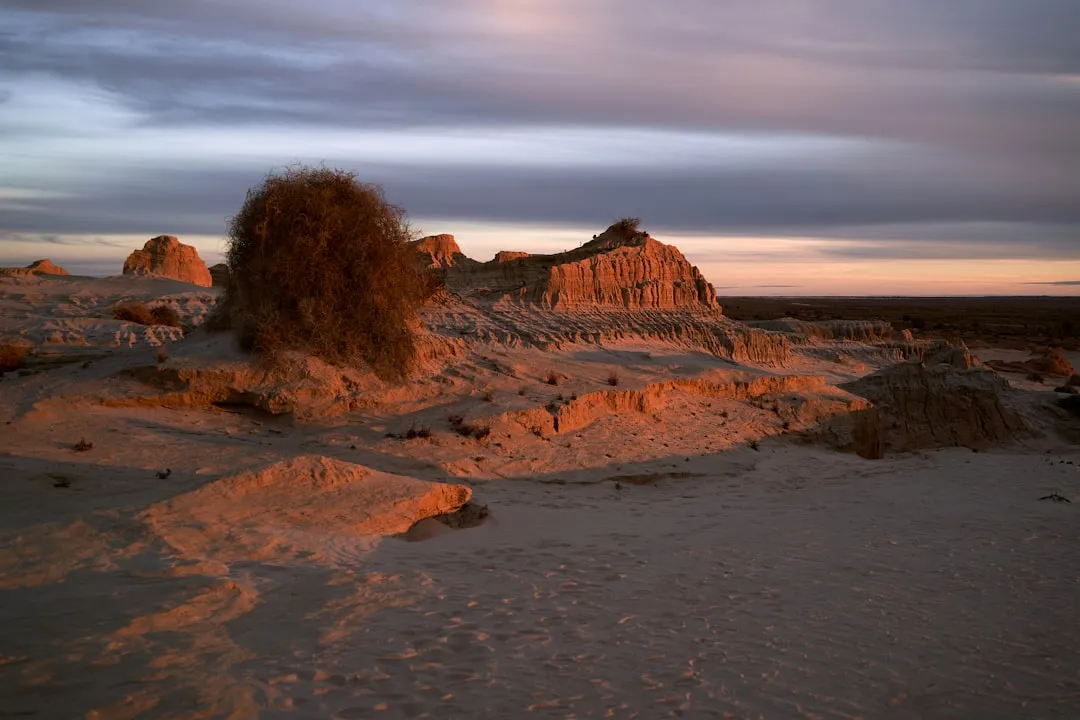
Stations are Australia’s large pastoral properties, primarily for beef production. Some, like Anna Creek Station in South Australia, exceed 23,000 square kilometres. Others, especially in the Northern Territory and Queensland, span thousands of square kilometres.
Roles on stations are varied. A jackaroo or jillaroo is a trainee stockman or stockwoman, learning mustering, fencing and livestock health. Experienced stockmen, often called ringers in the Top End, lead musters. Managers oversee paddock rotation, water points and supply logistics.
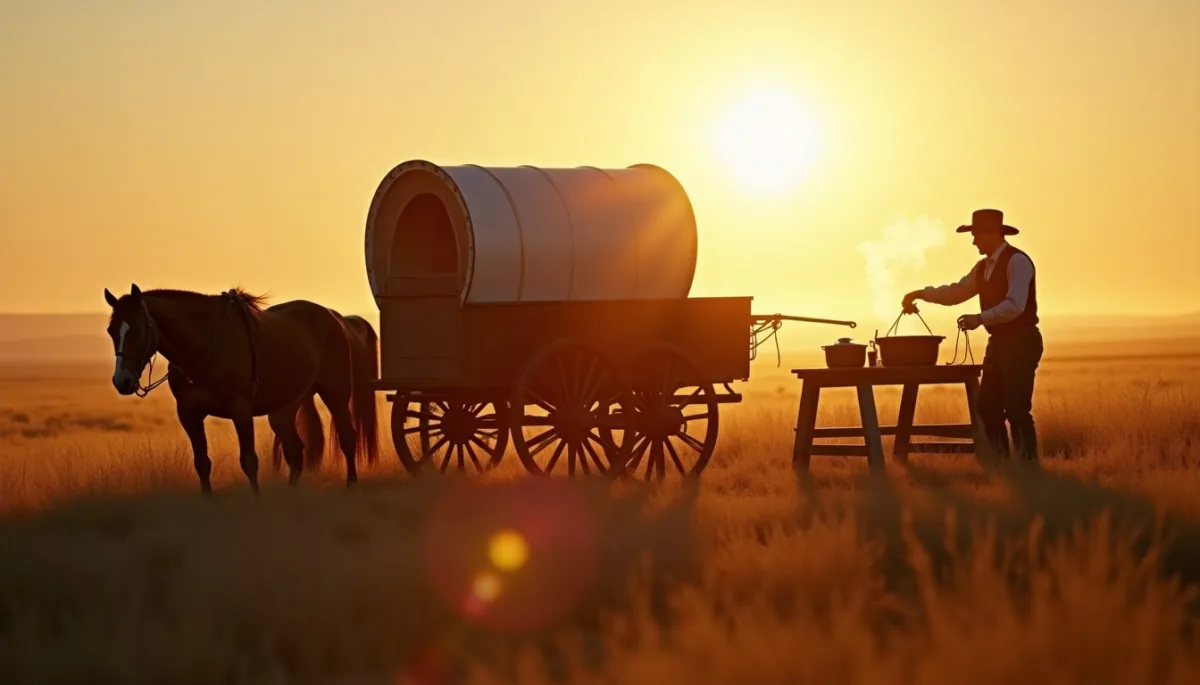
The work can involve motorcycles, four-wheel drives, horses and helicopters. Helicopter mustering became widespread from the 1960s, changing how vast paddocks were worked. Historically, droving—moving herds across country—shaped the culture of the outback, as did Indigenous connections to the land, exemplified by the 1966 Wave Hill walk-off led by Vincent Lingiari, which changed land-rights conversations.
Racines et raisons
The cattle industry grew in the 19th century as Europeans expanded inland. By necessity, stations developed self-reliant communities; a station is often a small village with its own bore, homestead, airstrip and schoolroom.
Many workers are young travelers on Working Holiday visas, attracted by the promise of outdoor work and visa extensions for seasonal agricultural work. Locals have long held expertise passed down across generations, mixing practical skills with a deep knowledge of weather cycles and stock behaviour.
Economics matter. Beef exports drive investment in infrastructure, but prices, drought and feral pests like wild dogs influence station viability. Stations innovate, adopting solar power, water mapping and mustering technologies to stay viable in a changing climate.
Hard truths
Life on a station is rewarding but demanding. Isolation, extreme weather, long hours and limited medical access are real challenges. In the Top End, the wet season (roughly November to April) can restrict movement and increase risk, so mustering is concentrated in the dry months, typically May to October.
Safety is essential. Newcomers should expect basic training in animal handling, quad and bike operation, and first aid. Stations may require police checks or reference checks. For international workers, confirm visa eligibility and stay legal with Australian Home Affairs rules.
Still, camaraderie is strong. Station kitchens feed crews, yarns are swapped over billy tea, and traditions survive—much like the gardians of the Camargue, Australian stockmen honour their animals and country. If you seek solitude, hard work and raw landscapes, a station can change your life.
Practical checklist: sturdy boots, wide-brim hat, sunscreen, high-visibility clothing, basic tool kit, spare fuel, and an attitude ready for learning. Respect local customs, Indigenous land rights, and the seasons. With that, a cattle station becomes more than a job: it becomes a way of seeing country.