Yellowstone’s ripple: how the series reshaped modern cowboy culture
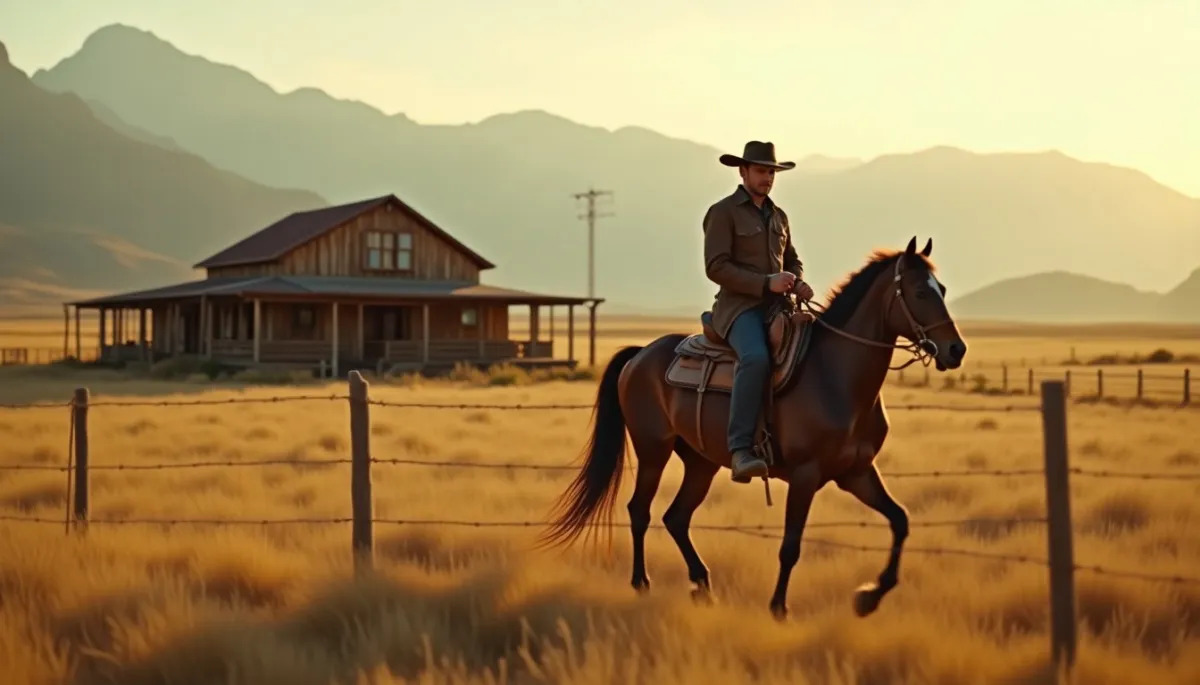
Since its 2018 debut, Yellowstone has become more than a hit TV show; it is a cultural weather vane for contemporary cowboy identity. Across ranchland in the United States and beyond, the series has reignited interest in western ways and style.
🚀 Key Takeaways
- Key concept : Yellowstone turned a TV drama into a fashion and tourism engine for modern cowboy culture.
- Practical tip : To experience authentic ranch life, prefer local outfitters and respect ranch etiquette.
- Did you know : The Dutton ranch scenes were filmed at Chief Joseph Ranch, near Darby, Montana, which saw increased visitor interest after the show.
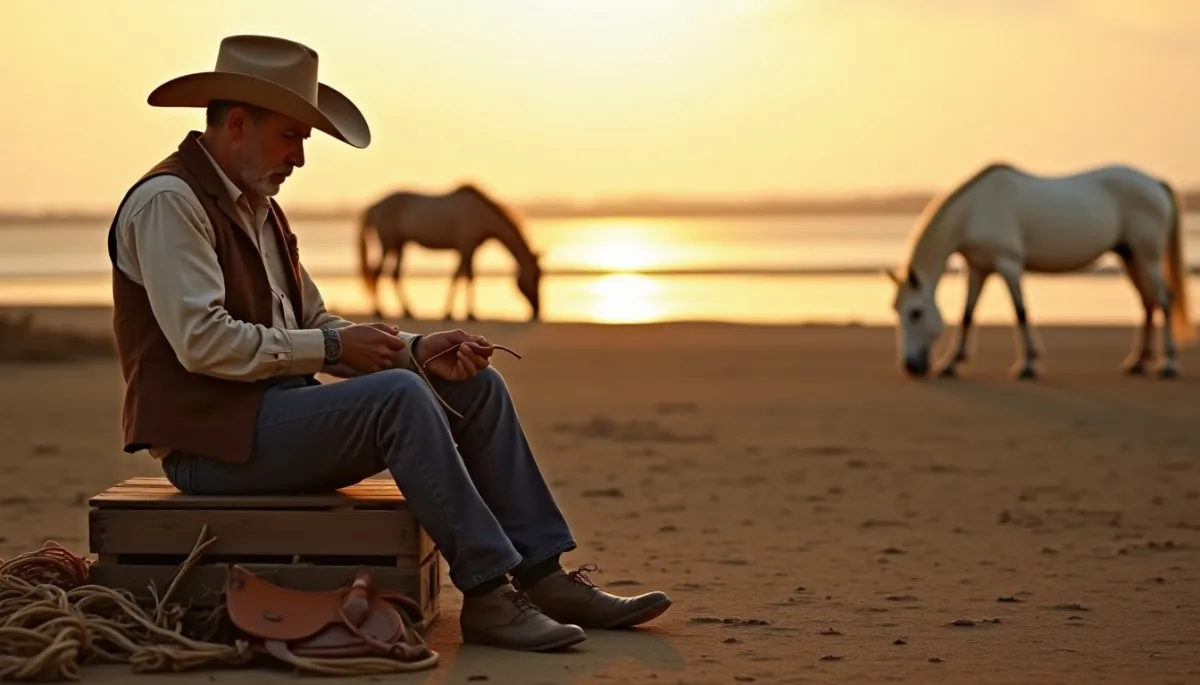
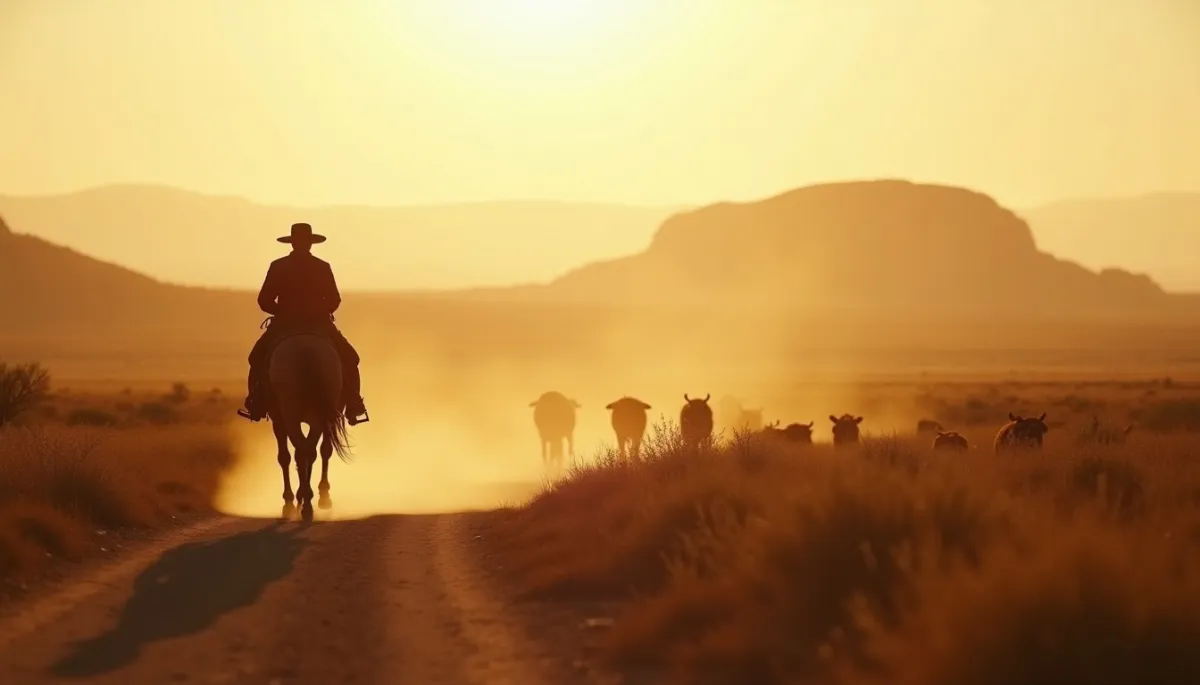
It hits at sunrise. Imagine a lone rider cutting the mist over a fenced valley, hat pulled low, the sound of leather and hoof. The image is so familiar now that it feels true beyond the screen.
empreinte visible
Yellowstone, created by Taylor Sheridan and first broadcast on Paramount Network in 2018, popularized a particular image of ranch life: large families, land conflicts, modern politics mixed with old codes. Kevin Costner’s John Dutton became an emblem of rugged patriarchal authority.
The show was filmed largely in Montana and Utah, with the Dutton ranch scenes shot at Chief Joseph Ranch near Darby, Montana. Those places entered popular imagination; dude ranches and visitor inquiries rose noticeably in the years following the premiere.
Beyond tourism, fashions shifted. Cowboy boots, western shirts, rugged outerwear and wide-brimmed hats reappeared in city boutiques and on social networks. The label "cowboycore," especially on TikTok and Instagram from 2020 onward, distilled this into a youth fashion movement: prairie silhouettes, worn leather and boots paired with streetwear.
racines retrouvées
Why this revival? Part of the appeal is narrative. Sheridan arrived from films such as Sicario (2015) and Hell or High Water (2016), bringing crime drama and moral complexity to the western template. Yellowstone mixed family saga with real-world themes: land rights, oil and water politics, and rural dispossession. Viewers found both glamour and grit.
Another cause is timing. In a decade of urbanization and digital life, the show offered a tactile counterpoint: animals, open sky, tangible labor. The pandemic years amplified the longing for wide spaces, and Yellowstone served as a cultural outlet for that desire.
Finally, the production choices mattered. Authentic props, consultation with real ranchers, and an emphasis on horseback work gave the series credibility. Spin-offs, notably 1883 (premiered 2021) and 1923 (premiered late 2022), expanded the universe and invited viewers to explore historical roots of the modern ranching family.
zones d'ombre
Yet the impact is not only celebratory. The series simplifies: dramatic plots condense complex rural economies into conflict-driven storytelling. Some ranchers complain that romanticized images erase everyday hardship and ecological nuance.
There are also tensions around celebrity. Contract disputes in 2023 involving major stars highlighted how star power can delay productions and complicate the relationship between authenticity and entertainment.
Finally, cultural appropriation risks arise when fashion trends adopt working-class signifiers out of context. True engagement means supporting local ranch communities, buying from skilled bootmakers, and learning practices rather than reducing symbols to costumes.
mettre le cap
For readers who want to go beyond screen fantasies, start locally. Visit a regional ranch or a manade (in Camargue) to compare traditions. Ask about seasonal work, tack etiquette, and observe safety rules before riding.
Invest in quality pieces. A good pair of boots or a sturdy hat will last, and buying from artisans supports the trade. Prefer makers who explain materials and care.
Lastly, respect the land and its people. Cowboy culture today is lived by those who manage livestock, maintain habitats, and negotiate modern markets. Listening and learning preserves the living tradition behind Yellowstone’s spectacle.