The butteri of Italy: the last buffalo guardians of the Maremma
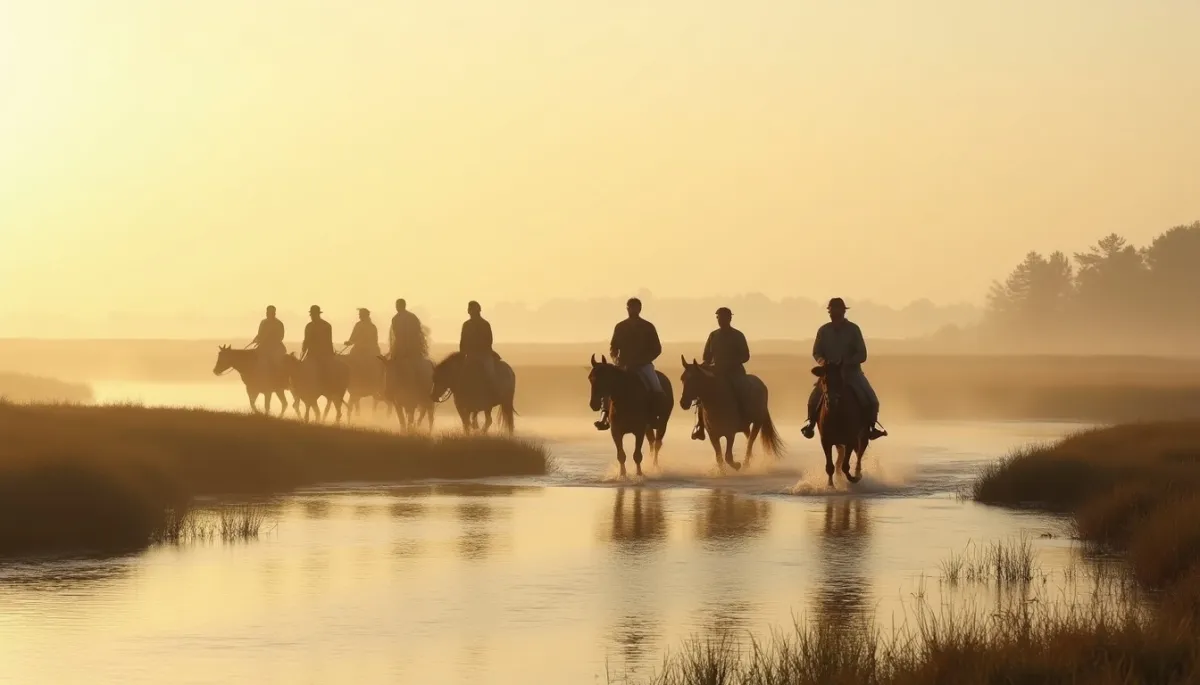
In the low light of dawn, riders and buffalo melt into the fog of the Maremma. Their work connects a living tradition to the fragile wetlands of southern Tuscany.
🚀 Key Takeaways
- Concept key : Butteri are mounted herders (traditional Tuscan cowboys) who still manage livestock, including water buffalo, in the Maremma.
- Practical tip : Visit Tenuta di Alberese in the Parco della Maremma in spring or autumn to see demonstrations and guided tours.
- Did you know : Water buffalo are used for conservation grazing in wetlands, helping biodiversity while producing milk for local dairies.
Dawn smells of salt and damp earth. A line of riders appears, silhouettes bending to the rhythm of the herd.
Gardiens du marais
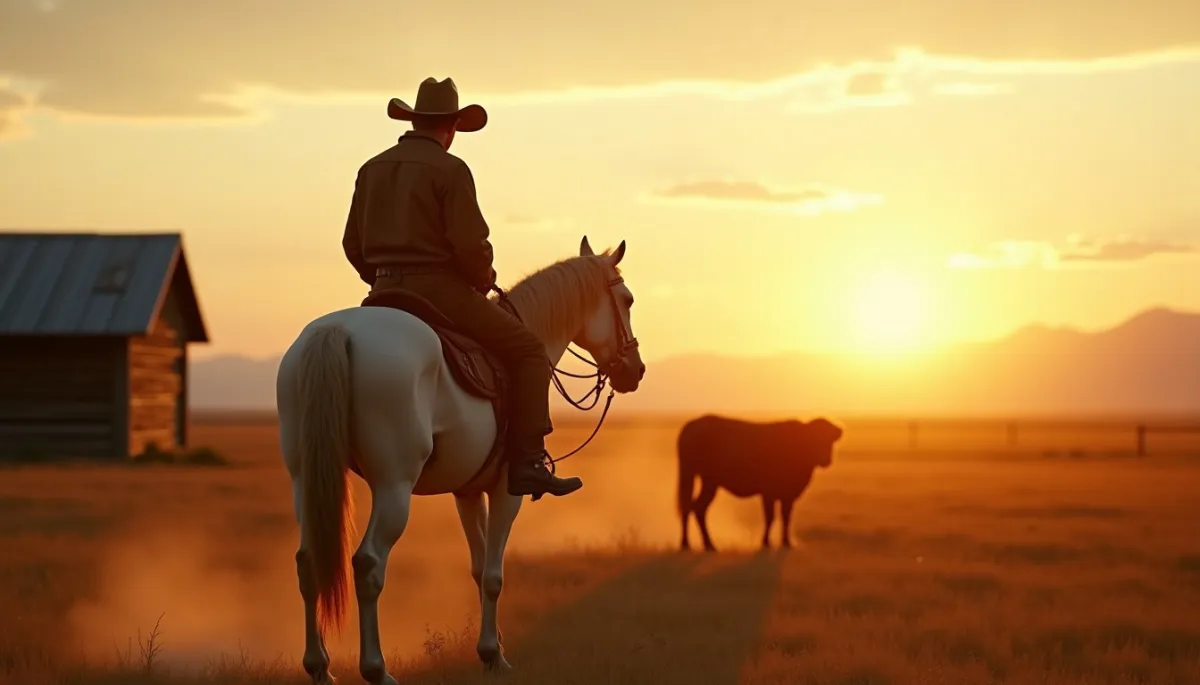
The butteri are the mounted herders of the Maremma, a strip of marshes, pinewoods and pastures along the Tyrrhenian coast of Tuscany and Lazio. The name buttero (plural butteri) designates a person skilled in riding and livestock handling, an image often compared to the American cowboy.
Historically, butteri tended horses and cattle across communal lands. Paintings by the Macchiaioli, notably Giovanni Fattori in the late 19th century, fixed their silhouette in Italian culture. In the Maremma their figure is inseparable from the landscape, the brackish lagoons and the low dunes of Grosseto province.
Today some butteri continue to ride daily, managing herds inside reserves such as the Parco della Maremma. Their tasks combine animal husbandry, landscape maintenance and tourism demonstration. They are at once practical custodians and living archives of rural technique.
Chevaux et buffles
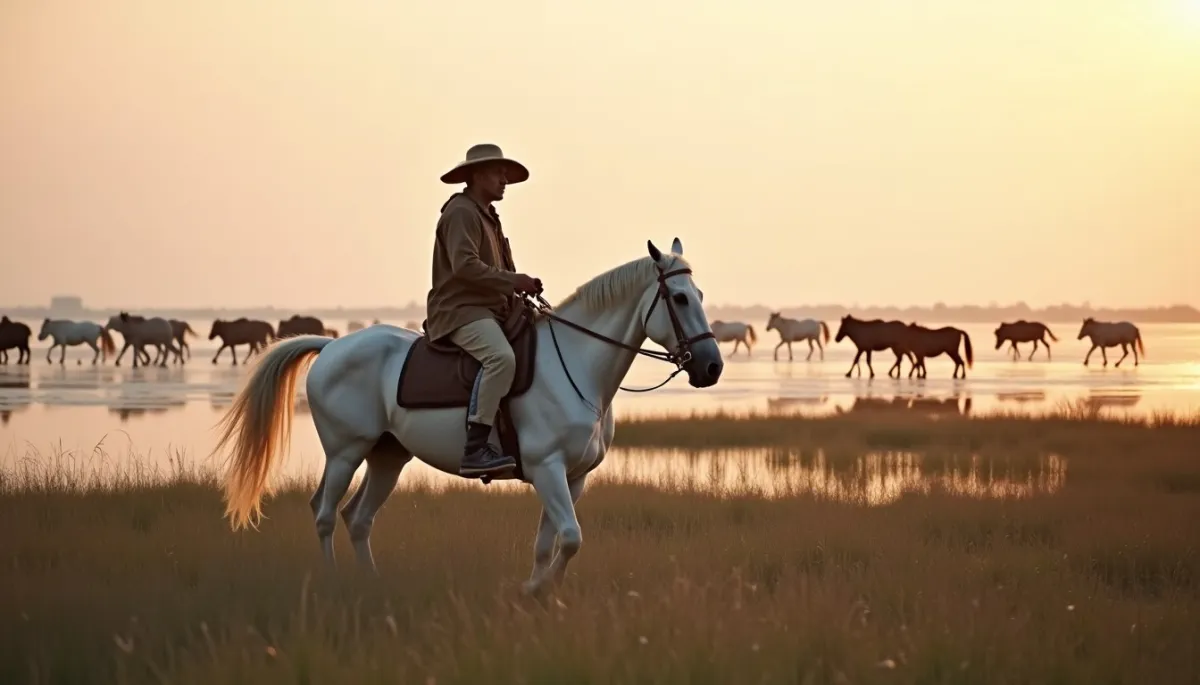
Among the animals they manage are water buffalo (bubalus bubalis). These animals, better known for Campania's mozzarella, have been introduced in parts of the Maremma to graze wetlands. Their heavy grazing keeps reed beds open and fosters habitats for birds and amphibians.
Using buffalo for conservation grazing is a pragmatic choice. The animals tolerate humid ground, strip invasive vegetation and create microhabitats. This ecological role has been noted in several European reserves since the late 20th century and has taken root in local practices in the 1990s and 2000s.
For the butteri, buffalo mean a different rhythm of work. Herding buffalo requires knowledge of water crossings, calmer but firm guidance, and an understanding of pasture rotation. It is a craft that blends veterinary sense, mounted skill and patient observation of the land.
Racines et transformations
Why this link between horsemen and buffalo? The answer lies in history and adaptation. The Maremma was for centuries an amphibious frontier, shaped by seasonal floods and human interventions. Butteri evolved to work within that watery mosaic.
Large reclamation projects (bonifica) in the 19th and early 20th centuries altered the landscape and social fabric. Malaria decline and land privatization reduced common pastures, pushing many butteri to adapt or leave. Yet the park model and agritourism offered new roles: conservation, demonstrations and niche dairy production.
Anecdotes survive: elderly riders recalling the time when herds crossed chest-deep marshes, and younger butteri learning to handle both horses and heavy buffalo. Local cooperatives sometimes pair traditional knowledge with modern dairy techniques to produce cheeses sold under regional labels.
Tradition en mouvement
The continuity of the butteri is not assured. Economic pressures, ageing practitioners and changing property regimes challenge the transmission of skills. Mechanization and new land uses reduce the daily necessity for mounted herdsmen.
At the same time, renewed interest in authentic rural culture has created opportunities. The Parco della Maremma, established in 1975, finances grazing programs and supports riders who demonstrate traditional horsemanship. Festivals and equestrian shows bring visibility and supplementary income.
There is also a tension between spectacle and substance. Tourist displays can risk packaging the butteri as living folklore. Successful initiatives are those that pair demonstrations with real work: conservation grazing, herd management, and training courses for young riders.
Où aller, quoi voir
To meet butteri and see buffalo in the Maremma, the Tenuta di Alberese inside the Parco della Maremma is the most accessible place. Guided walks and seasonal demonstrations explain grazing practices and the role of buffalo in the marshes.
Best seasons are spring and autumn, when migratory birds and lush pastures offer the fullest image of the landscape. Respect animal space, follow park rules and prefer small local operators for visits and tastings.
For travelers from the Camargue, parallels are striking: mounted guardians, wetlands managed by grazing, and festivals that celebrate the horse. The difference lies in species and history, but the bond between rider and marsh remains universal.
Seeing a buttero lead a line of buffalo at dawn is to witness a fragile continuity. It is also an invitation: support local reserves, learn the names of the animals, and carry back stories that keep the marsh and its guardians alive.