Camargue off the beaten path: Where to find authentic gardian culture today?
In the wide salt plains and reed beds of Camargue, a way of life still rides on. This article traces where, today, the gardian culture remains tangible, lived and shared away from the main tourist routes.
🚀 Key Takeaways
- Key concept : The gardian culture is the living tradition of mounted herding (manade), horses and bloodless bull games, rooted in the Camargue marshes.
- Practical tip : Visit small manades early morning or at sunset, ask to join a guided work ride, choose spring or autumn for light and quieter visits.
- Did you know : The Parc naturel régional de Camargue was created in 1970 to protect landscapes where this culture developed.
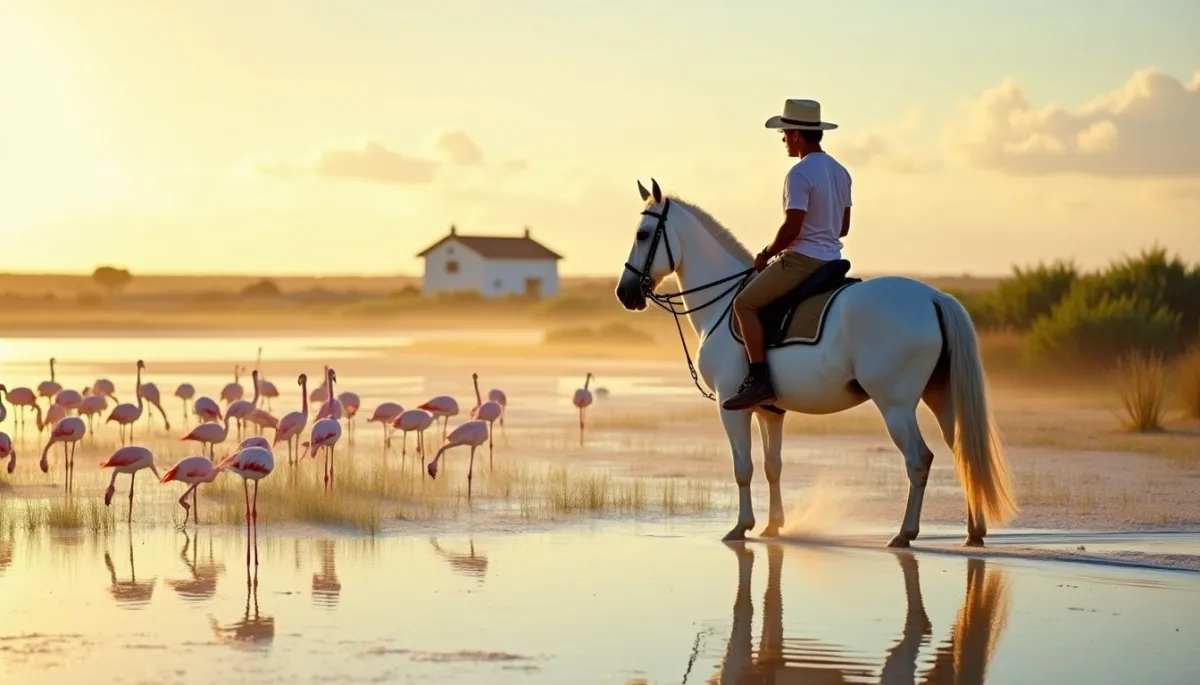
Sunlight like beaten silver glances on a low herd of white horses. The scent of brine and reed smoke follows the riders.
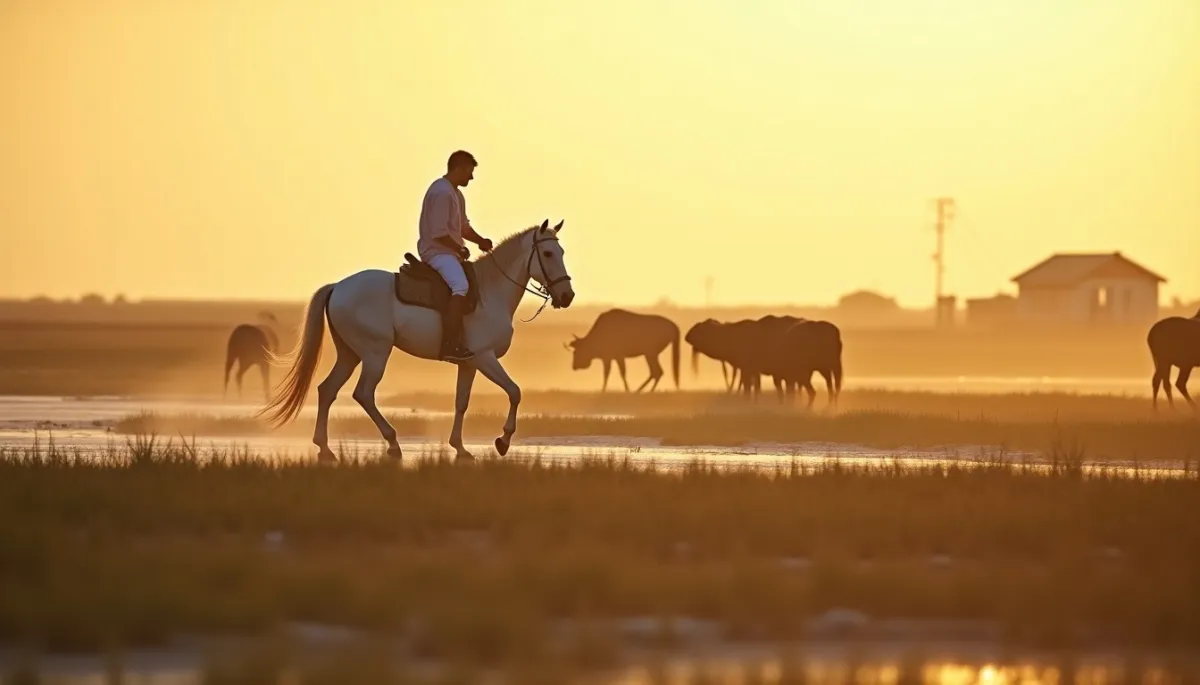
Here the guardians (gardians) rule over semi-wild herds in the manades. Gardians are mounted herders whose daily work is to manage bulls and horses on open marshland. Their tools are patient horsemanship, ropes, and knowledge passed down in families and small crews. Historical figures such as Folco de Baroncelli (1869-1943) helped shape a modern Camargue identity by promoting local festivals and the study of traditions. Today, notable manades like Méjanes keep public shows and genuine work-rides, while local raseteurs (participants in the course camarguaise) and small independent manadiers maintain quieter daily patterns away from the main fairs.
Gardiens et manades
The manade (a herd and the estate that manages it) is the living unit of the gardian system. Animals roam in fenced marshlands, led by a manadier (herd manager) and his team of gardians. Visits to a manade show the rhythms of animal life rather than staged performances.
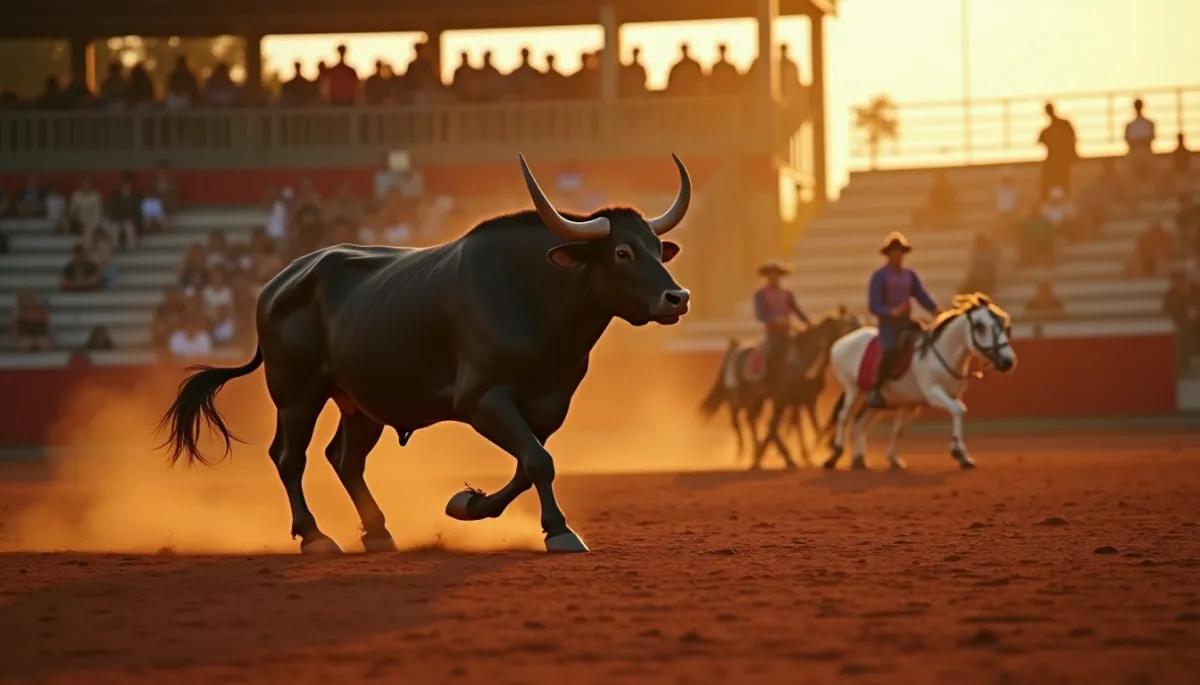
Gardians wear functional clothing adapted to weather and saddle work, and they ride the Camargue horse, a compact, hardy breed suited to marshes. The course camarguaise, a non-lethal bull game, keeps bull selection, breeding and training central to the manade economy.
Small manades open to the public offer immersive experiences: accompanied work-rides at dawn, explanations of herd marking and simple meals at the mas (Camargue farmhouse). These are the moments when the culture is not an exhibit, but a livelihood you can smell and touch.
Racines et raisons
The gardian culture is centuries old, shaped by the marshy landscape and a pastoral economy. Stable settlement intensified from the 18th century with the rise of saline exploitation and rice cultivation. The need to manage bulls and horses on a landscape of salt pans and reed beds produced a distinct equestrian technique and social role.
In the early 20th century, Folco de Baroncelli promoted local festivals, folklore and pride in Camargue traditions, linking repertoire, costume and ritual to a regional identity. This cultural framing helped preserve practices that might otherwise have vanished under modernization.
Conservation efforts followed. The Parc naturel régional de Camargue (established in 1970) protected habitats essential to the manade model. Policies linking agricultural subsidies to traditional breeding have also made it viable, allowing some families to continue the work and welcome visitors with authenticity.
Tensions et renouveaux
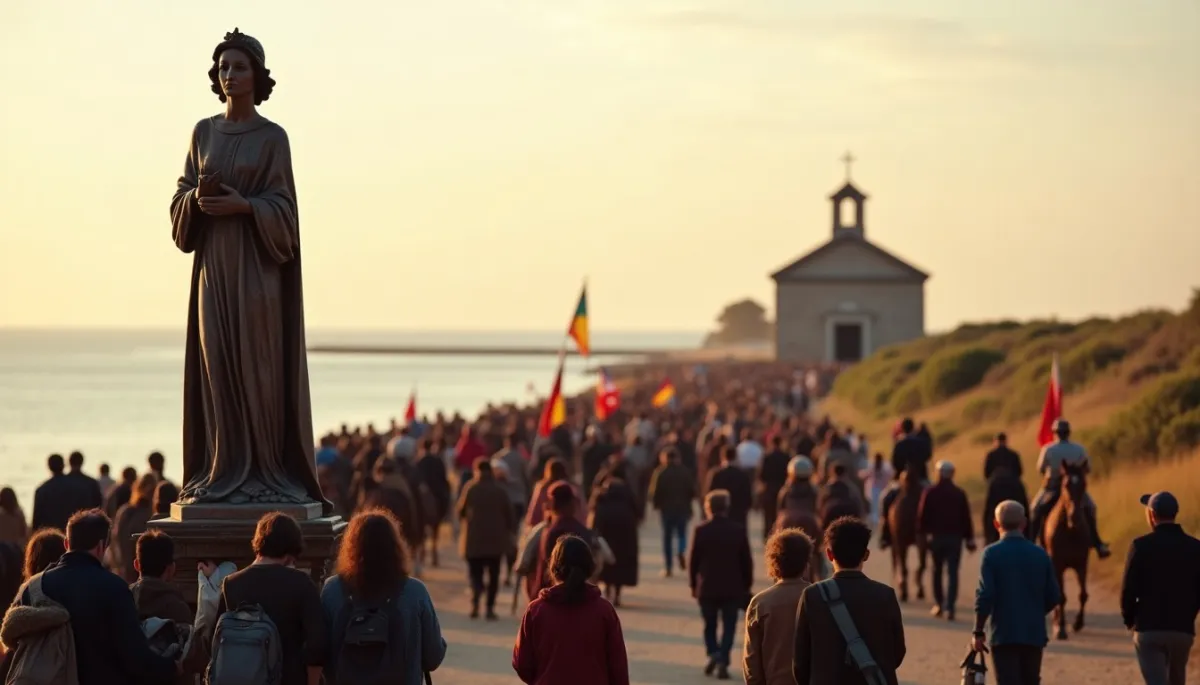
Today the region faces tensions. Mass tourism around Arles and Saintes-Maries-de-la-Mer can turn public festivals into spectacles, pushing some manades toward choreographed shows. This risks diluting the day-to-day knowledge of herd management.
At the same time, a new generation of manadiers uses digital tools, selective agritourism and sustainable labels to secure incomes. Some open their gates for environmental education, scientific monitoring or small group stays, transforming visitors into partners rather than passive spectators.
Practical advice: prefer off-season visits, contact manades in advance, and seek experiences labeled as "work-ride" or "matinée de manade" rather than generic horse shows. Listen to the gardians: their stories, gestures and jokes are the true entrance to a living heritage.
The Camargue remains a place where culture is crafted in the saddle. To find the authentic gardian life, leave the main promenades and look for the mas with smoke from a hearth, hoofprints in the salt, and a rider who will show you how the land is read on horseback.