Camargue course: The complete guide to the no‑kill bull sport
The course camarguaise is a living ritual of the Camargue, where bravery meets respect for the bull. From the Roman arenas of Arles to the manades on saline plains, this is bull sport without killing.
🚀 Key Takeaways
- Core concept : A traditional Provençal spectacle where raseteurs try to take a cocarde from the bull, without fatal harm.
- Practical tip : Best seen in summer ferias in Arles or Saintes-Maries-de-la-Mer; arrive early, bring sun protection.
- Did you know : Bulls come from manades managed by gardians, the Camargue mounted herders, who treat animals as herd stars.
Passion and tension draw you to the arena. Imagine a sun-drenched circular sand pit, the low murmur of the crowd, and a dark bull measuring the space with slow, patient steps.
Séquence et spectacle
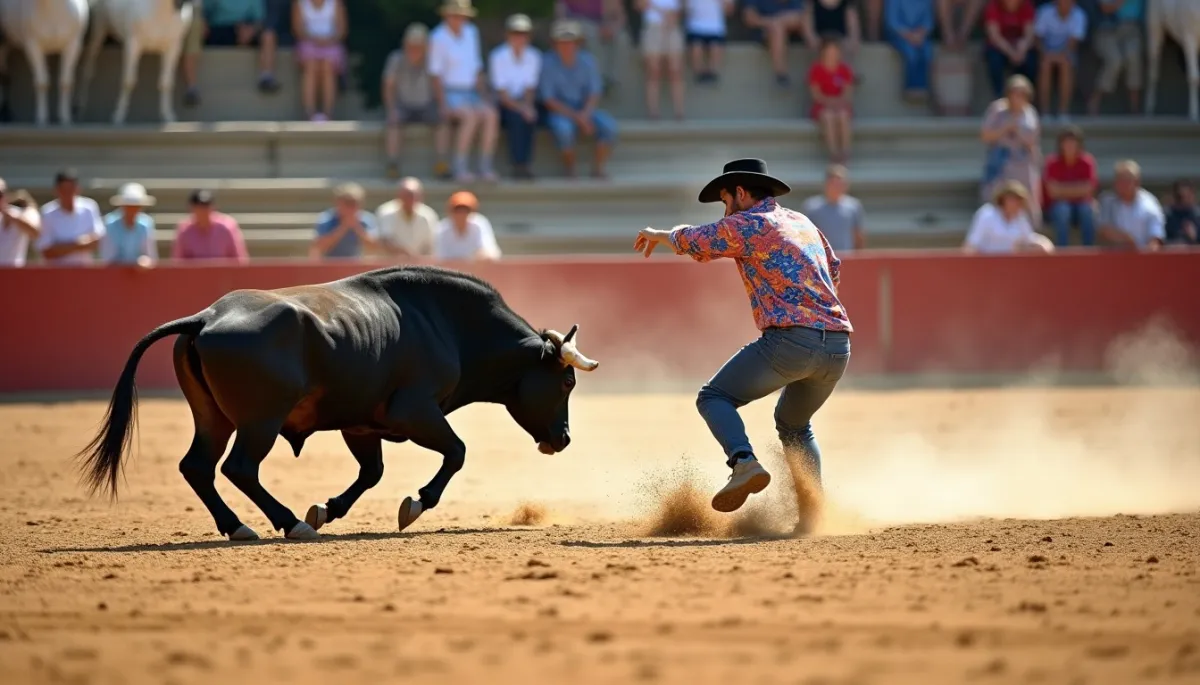
The central figures are the raseteurs, athletes dressed in bright shirts, agile on sand. Their goal is simple, their task perilous: approach the bull, seize a cocarde (a small ribbon or woolen rosette) placed between the horns, and retreat unharmed. Success brings points and glory, failure can mean bruises or worse.
Bulls used here are not bred to be killed in the ring. They come from manades, traditional free-ranging herds raised for strength and character. Many bulls become local stars, running several seasons and gaining names and public affection.
Arenas have their own history. The amphitheatre of Arles, built in Roman times (circa 90 AD), still hosts courses camarguaises during summer ferias. Smaller arenas in Saintes-Maries-de-la-Mer, Lunel or Port-Saint-Louis offer more intimate encounters.
Racines et raisons
The course camarguaise grew from the pastoral practices of southern France. Centuries of cattle handling, festivals, and votive rites shaped a form of competition that celebrates skill without death. In the 20th century, the sport was codified to protect both athletes and animals, and to create standardized competitions.
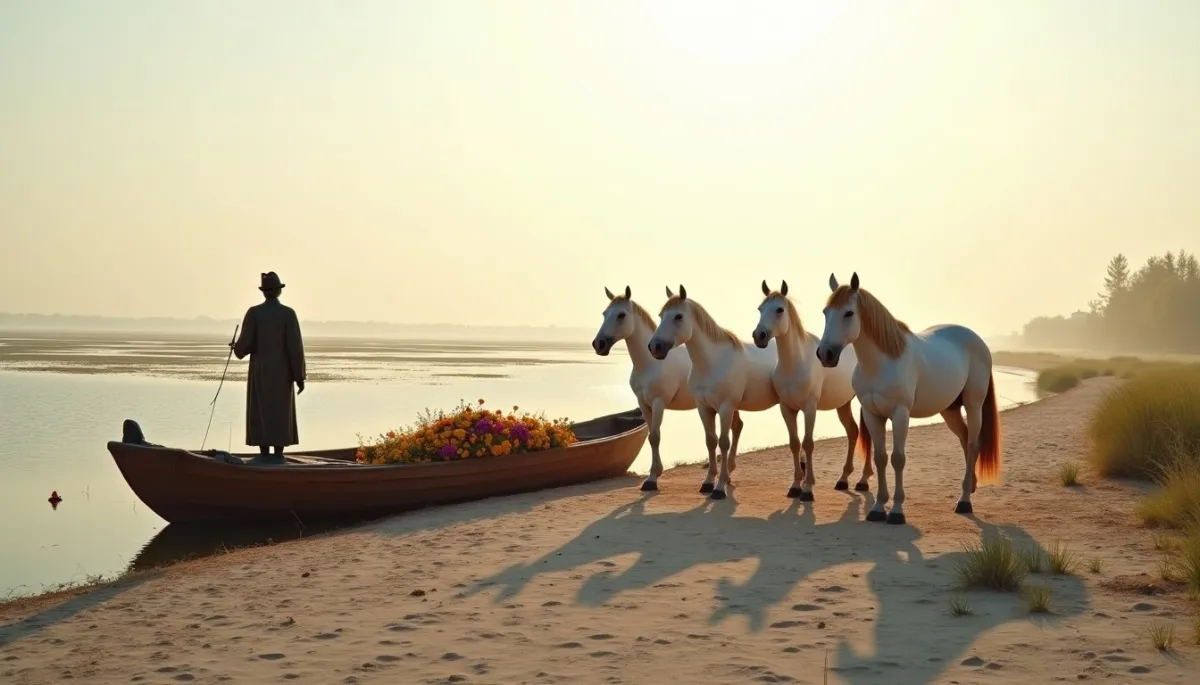
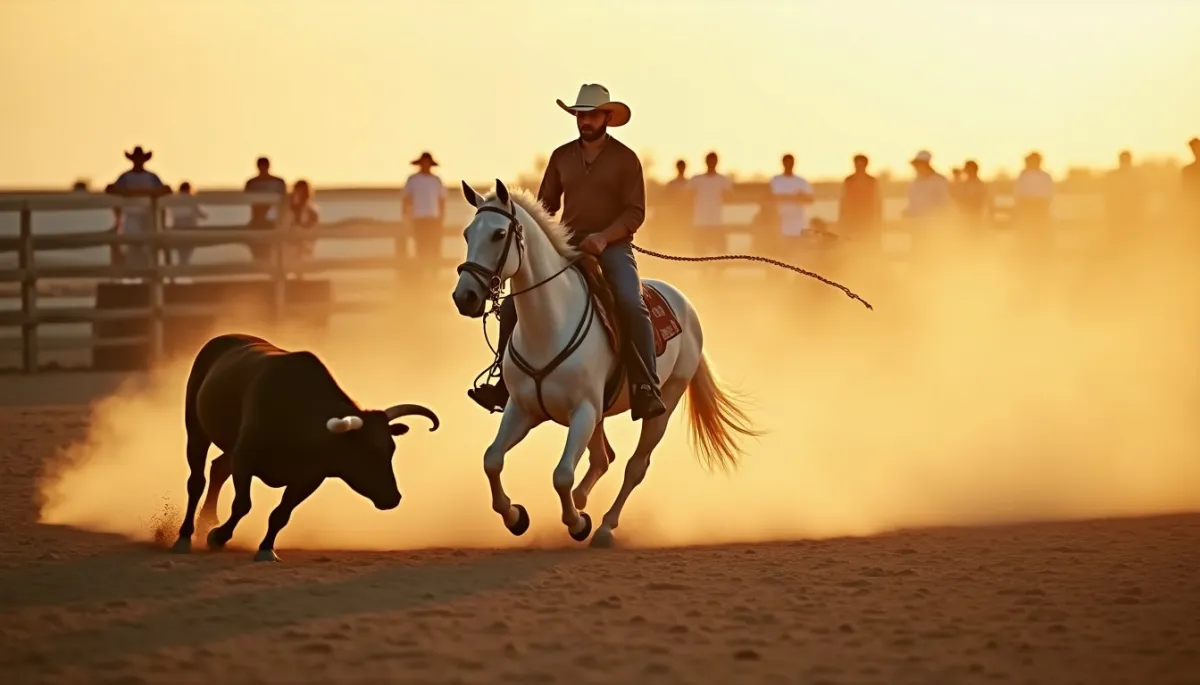
Manades are central to the story. Managed by gardians (mounted herders reminiscent of American cowboys but on the small Camargue white horse), they choose bulls for temperament and endurance. The relationship between gardian and bull mixes professional breeding and local pride.
Raseteurs train like boxers and dancers. Reflex, timing, reading the animal’s intent, those skills explain why certain names become legends in the region. Clubs and regional federations organize youth schools to transmit technique and safety rules, preserving tradition while modernizing practices.
Tensions et débats
Despite the absence of killing in the arena, the course camarguaise draws debate. Animal-welfare groups question stress and injury risks for bulls and raseteurs. Supporters answer with facts: bulls are not slaughtered for the spectacle, veterinary supervision is common, and many manades emphasize good husbandry.
The sport also faces modernization pressures. Insurance, stricter safety rules, and the need to attract younger audiences push organizers to adapt. Some arenas add family zones, others explain techniques over loudspeakers to educate spectators.
In the end, contradictions keep the practice alive. It is at once a rural heritage, a local economy (festivals bring tourism), and a living culture that negotiates ethics, entertainment and identity every season.
Practical advice
If you go, choose a feria day in summer for the most charged atmosphere. Respect local codes: applause for a successful raseteur, quiet when the bull is cornered, and no attempts to enter the sand. Photography is welcome, but avoid flash and stay in your seat.
Visit a manade when possible. A meeting with gardians and Camargue horses explains the land behind the spectacle. Ask about the bull’s name, lineage and role; such details reveal the pride behind each animal.
Finally, treat the event as a cultural encounter. Whether you come for the athletic display, the horses, or the communal ritual, the course camarguaise offers a window into Camargue life, where respect for the animal and human daring meet in the sand.