Camargue leather craft: traditional boots and belts
In the salt-scented air of the Camargue, leather tells stories of horses, bulls and men. From Saintes-Maries-de-la-Mer to Arles, bootmakers and beltmakers keep a centuries-old craft alive.
🚀 Key Takeaways
- Core concept : Camargue leatherwork blends pastoral function and regional identity.
- Practical tip : Use a neutral leather conditioner and store boots upright to preserve shape.
- Did you know : Local festivals (abrivado, pilgrimage at Saintes-Maries) remain important showcases for traditional gear.
Warm leather, cool wind.
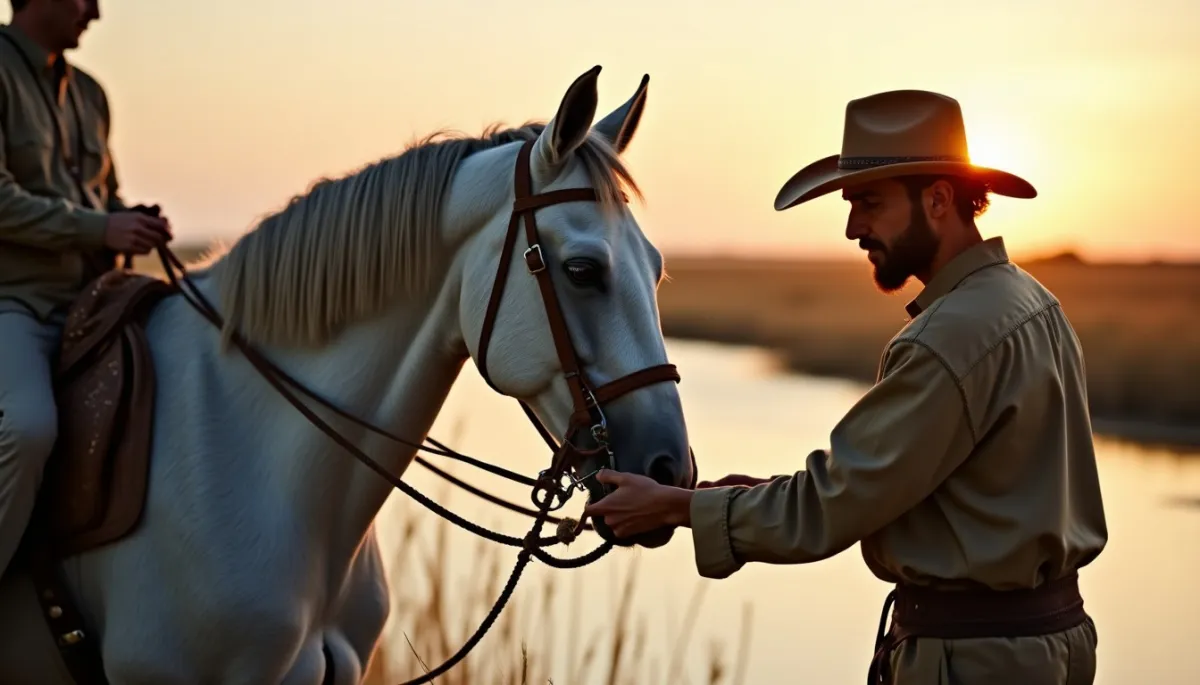
Imagine a yard at dawn, wooden lasts on a workbench, a gardian in a wide-brimmed hat testing the fit of a high leather boot, while mangy reeds rustle beyond the stable. Light falls on tooling patterns that echo horse mane curves and bull horns. You can almost hear the rasp of a knife and the murmur of old counsel on sizing and sole thickness.
Les bottes qui parlent
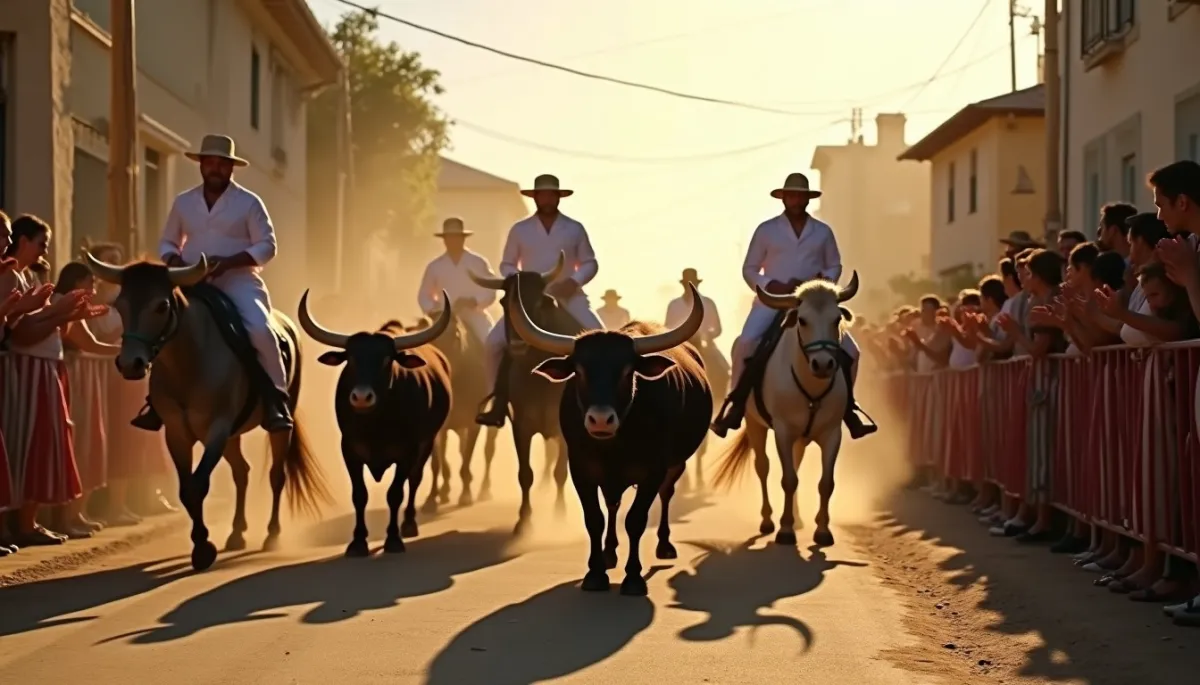
In Camargue, boots are more than footwear. They are a tool of work, a badge of identity and an argument in leather. The classic gardian boot is tall, sturdy, and fitted to stay secure in the stirrup during an abrivado (the traditional running of bulls through the streets).
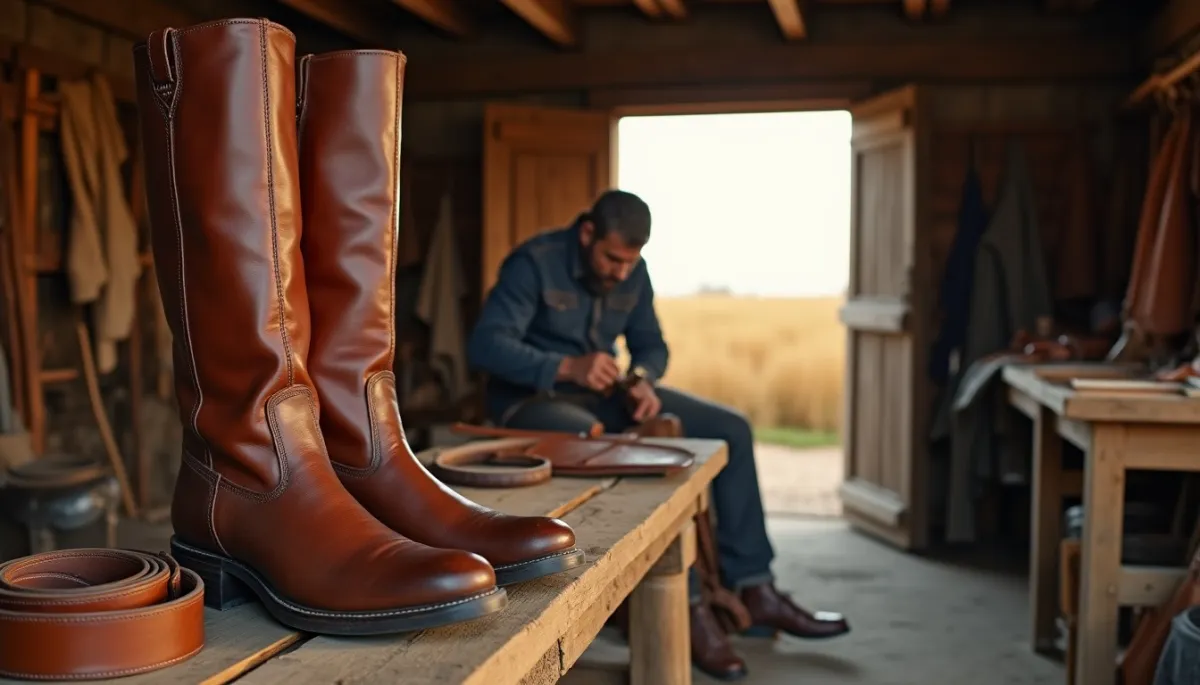
Local makers often favour thick cowhide or bull hide for durability. Construction techniques include hand-cut uppers, stitched soles, and sometimes a reinforced toe. The finishing — burnishing, edge-painting, sole shaping — is what gives each pair a signature voice.
At summer festivals in Arles or during the pilgrimage to Saintes-Maries-de-la-Mer, boots travel from workshops to streets. You will see new pairs beside boots worn for decades, repaired and cared for, their leather darkened by sun and oil, their makers' stamps still visible inside the shaft.
Peau et savoir-faire
Why this tradition persists, in a world of factory-made footwear? The answer lies in needs and place. Herding in the Camargue requires gear that resists water, salt and thorn. The gardian's work demands a boot that protects the calf and allows precise contact with the horse.
Craft knowledge is transmitted in family workshops and small ateliers in towns like Saintes-Maries-de-la-Mer and Arles. Apprentices learn to choose a hide, cut along the grain, and shape an upper on a last. They learn to stitch with a saddle stitch, and to assemble a welted or glued sole depending on the intended use.
Belts are made with the same attention. Hand-tooled motifs — reed patterns, stylized bulls, or simple geometric lines — are pressed into vegetable-tanned leather. Brass or nickel buckles are set with rivets, sometimes with decorative conchos influenced by Spanish and Occitan ornamentation.
Traces et tensions
Tension exists between tradition and modernity. Some artisans have adopted chrome tanning and machine stitching to speed production, while others insist on vegetable tanning and hand-stitching for longevity and aesthetic depth. Each choice shifts the product's footprint and price.
Tourism amplifies demand, but it can also flatten authenticity. A souvenir belt produced quickly will not age like a belt made to be repaired. Yet commissions for bespoke boots — fitted to a rider's leg and gait — still arrive from local riders and international buyers seeking authenticity.
Conservation and revival efforts are emerging. Local markets, craft fairs and the occasional masterclass during the summer festivals create spaces where techniques are shown and sold. For visitors, a short workshop can reveal how to emboss a leather strap or care for a pair of boots.
Conseils d'entretien
To keep Camargue boots and belts in service: clean off salt and mud with fresh water, let the leather dry naturally, then apply a neutral conditioner or wax sparingly. For vegetable-tanned belts, avoid prolonged sunlight which can darken the leather unevenly.
Sizing advice: measure calf circumference and foot length; a good atelier will work from a last and allow for small adjustments. For heavy field use, choose thicker soles and reinforced heels.
Finally, remember that repairing is part of the object's life. A resoling or a re-stitching sustains the relationship between maker, owner and the landscape that shaped both.