Canadian cowboy culture vs American: what really differs?
Two continents, one myth, many realities. From the Chisholm Trail to the Calgary Stampede, cowboy culture evolved differently on each side of the border.
🚀 Key Takeaways
- Concept key : Canadian cowboying is shaped by prairie winters, ranching companies and Métis influence; American cowboying grew from Spanish vaquero roots and post Civil War cattle drives.
- Practical tip : Visit the Calgary Stampede in July or a Texas ranch in spring to feel the contrast; layer clothing in Canada.
- Did you know : The word buckaroo comes from vaquero, while Calgary’s Stampede was founded in 1912 by Guy Weadick.
Wide skies, slow horses, and a different rhythm of life.
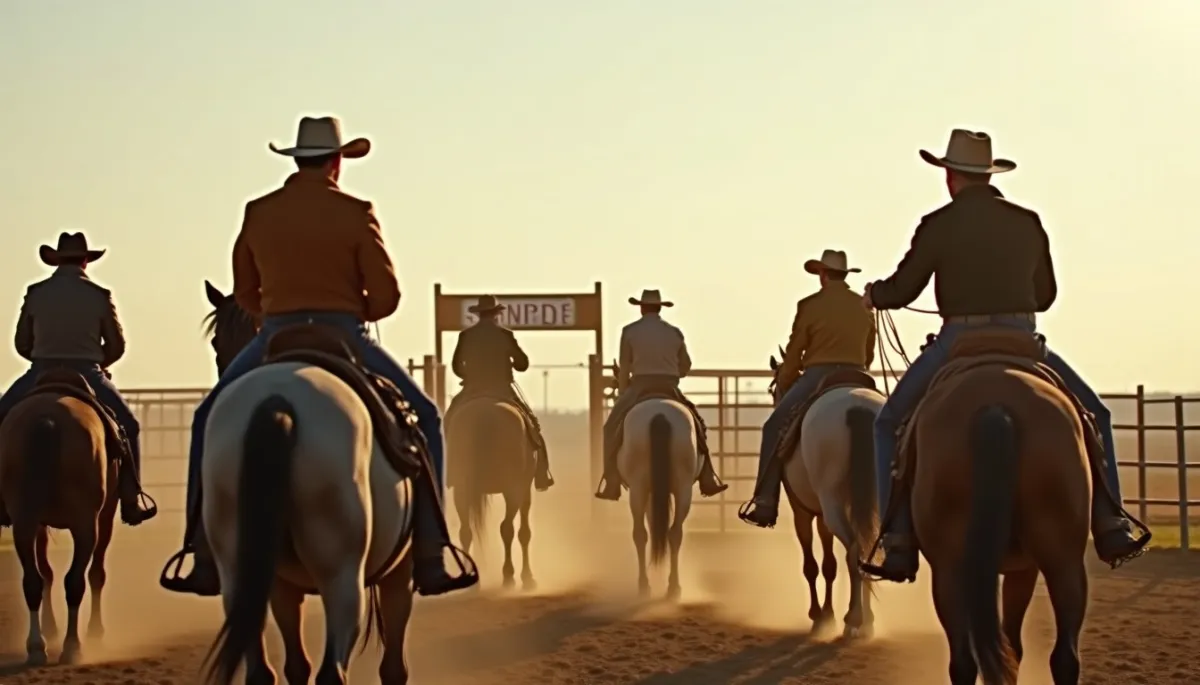
Picture a July morning at the Calgary Stampede: rodeo announcers call names, chuckwagons steam, and riders from Alberta, Saskatchewan and beyond gather under bright sun. Now imagine a dusty Texas trail in 1871, herds moving south, cowboys at the wheel, campfires at night and the talk of the Chisholm Trail in the air. Two images of cowboying, both familiar, but each with a distinct texture.
Deux rives, deux airs
The protagonists are varied. In the United States, figures like Charles Goodnight (1836-1929) and John Chisum (1824-1884) shaped the cattle economy after the Civil War, with trails such as the Goodnight-Loving Trail and the Chisholm Trail (active c.1867-1884). Buffalo Bill Cody (1846-1917) turned the frontier into spectacle with his Wild West shows from the 1880s.
In Canada, ranching heroes include Patrick Burns (1856-1937), a major Alberta rancher and meatpacker, and enterprises such as the Bar U Ranch, established in 1882 and once one of the most important ranches in Western Canada. The Calgary Stampede, founded by Guy Weadick in 1912, consolidated a distinctly Albertan cowboy identity.
Beyond famous names, regional actors matter: Métis and Indigenous riders in Western Canada preserved horsemanship and buffalo-hunting techniques that influenced local ranching. In the American Southwest, vaqueros from New Spain transmitted gear, roping and saddle craft, giving rise to variants like the Californian buckaroo.
Prairies, ponchos et pratiques
What are the real differences on the ground? Climate and landscape lead. Canadian ranches face longer, harsher winters and shorter grazing seasons, which shaped herd management, wintering practices and the calendar of work. Alberta’s ranches developed corralling, hay storage and wintering systems earlier than many US counterparts.
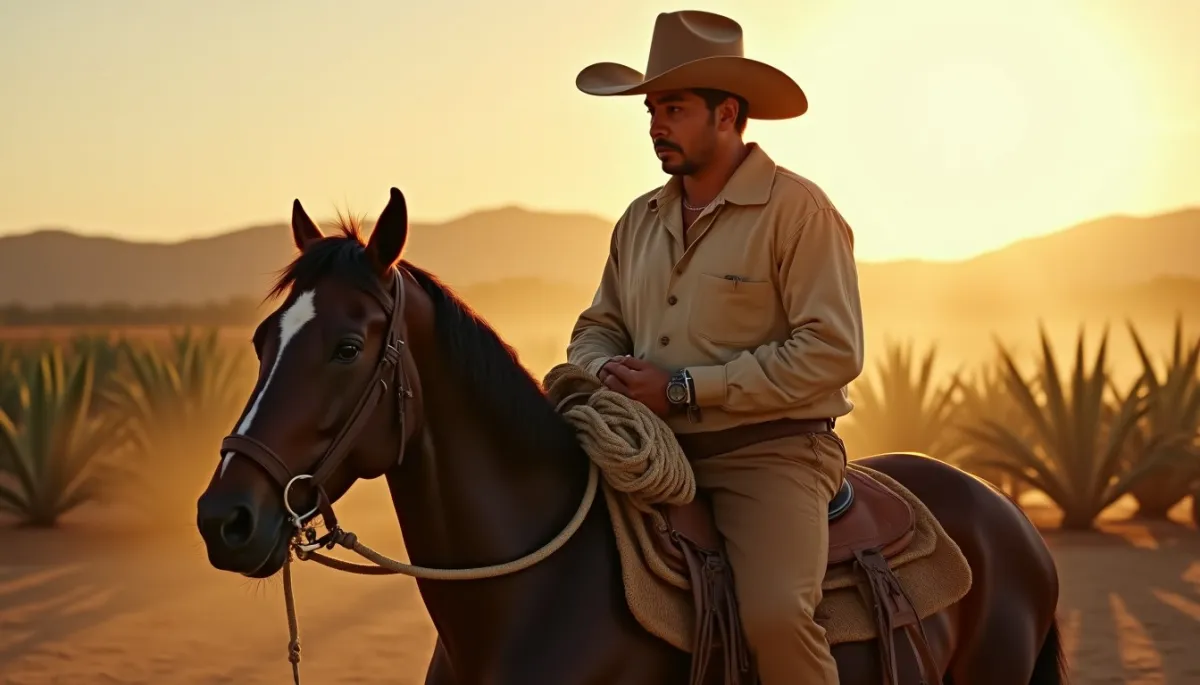
Gear and style also diverge for practical reasons. American Texan cowboy attire popularized the Stetson hat after John B. Stetson's design in 1865. In Canada, layered wool garments and heavy coats became common. Saddles and roping techniques show regional adaptation: Californian buckaroo tack differs from Texas rawhide gear and from the British-influenced tack seen on some prairie outfits.
Rodeo culture took different paths. The Prescott, Arizona rodeo (claims date 1888) and the traveling Wild West shows fed American mass spectacle. In Canada the Calgary Stampede (1912) and the Ponoka Stampede (since 1928) created large, organized festivals with ranch-community roots and strong ties to provincial identity.
Racines et récits
Why these divergences? History explains much. The American frontier experienced massive cattle drives after 1865, driven by demand in northern markets and railroad expansion. The Chisholm Trail and Goodnight-Loving routes turned the cowboy into an economic agent and a symbol. The mythmaking of the late 19th century, through dime novels and Wild West shows, amplified a flamboyant American archetype.
Canada’s settlement pattern was different. Ranching in Alberta and Saskatchewan often grew from government land policies, large land companies and British investment, and integrated Indigenous and Métis practices. The Bar U Ranch, the CP Railway’s influence, and entrepreneurs like Burns shaped a ranching industry less centered on long cattle drives and more on organized grazing and local markets.
Cultural exchange did occur. American cowboys influenced Canadian practices, and Canadian riders toured American circuits. But local necessities, such as snow, terrain and law, made different evolutions inevitable.
Paradoxes et passerelles
Yet similarities persist. Both cultures value horsemanship, self-reliance, storytelling and communal events. Rodeo events are mostly the same: bronc riding, bull riding, roping and barrel racing. Equipment, music, and festival choreography often overlap.
Contradictions emerge in myth versus reality. The Hollywood cowboy is often a lone hero, while real ranching is collective and seasonal. In Canada, the romantic image coexists with industrial-scale ranching and Indigenous reclaiming of horsemanship traditions.
Practical advice: attend a local rodeo, talk to ranch hands, respect protocols when visiting private ranches. If you pack, remember: sturdy boots, layered clothing for Canadian heat shifts, and an appetite for stories. For a Camargue parallel, note how gardians manage bulls in marshes, ritualize transhumance, and celebrate festivals much like Albertan rodeos, both blending work and pageantry.