The Chisholm Trail: The wild epic of America’s great cattle drives
From the ruined prairie heat of post-Civil War Texas to the iron tracks of Kansas, the Chisholm Trail became the artery of an American boom. Its story mixes traders, Black and Mexican cowboys, entrepreneurs, and the relentless hunger of the railroads.
🚀 Key Takeaways
- Core concept: The Chisholm Trail (c.1867–1884) carried Texas longhorns north to Kansas railheads.
- Practical tip: Visit Abilene, KS, and markers along the old route to trace cattle towns and stockyards.
- Did you know: The trail is named for Jesse Chisholm, a trader who never drove the big cattle drives.
Dust, horses' breath, a horizon that never yields. The cattle drive was a moving town, alive and precarious.
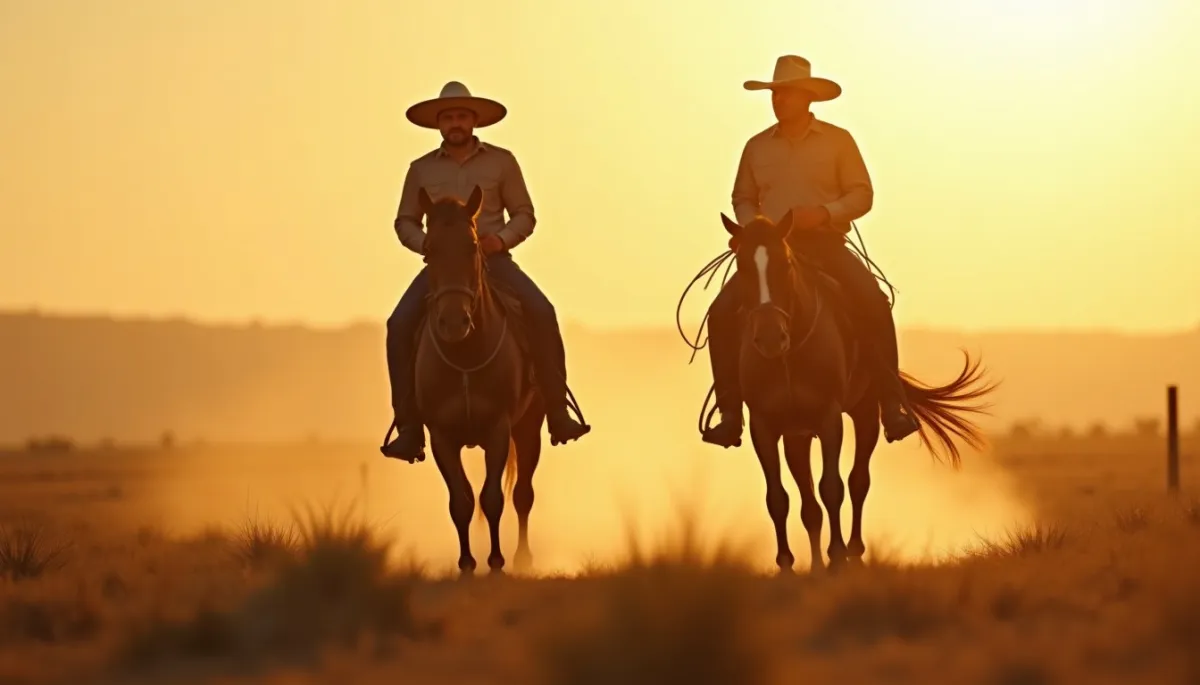
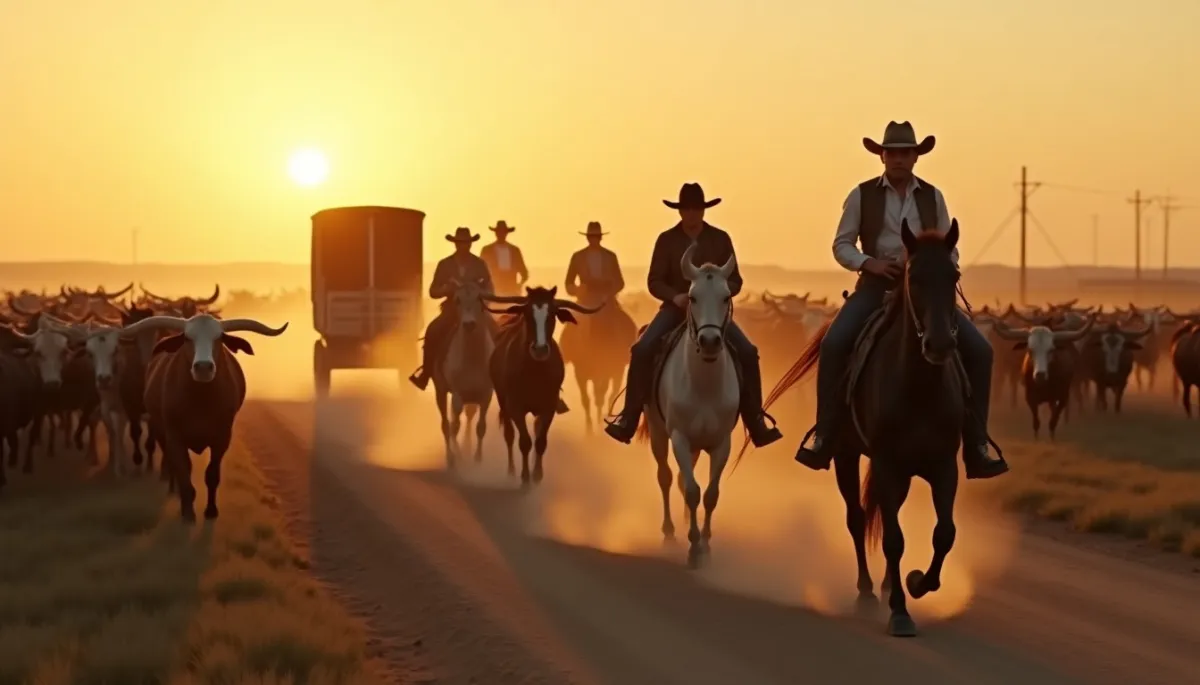
The year is 1867. A handful of drovers guide a herd of Texas longhorns north across the Red River, the animals' horns throwing strange shadows at dusk. Men on horseback, many of them Black veterans of Union regiments and Mexican vaqueros, sing quiet work songs to keep steers steady. Ahead lies Abilene, Kansas, a new railhead promising cash for hides and beef.
Villes de poussière
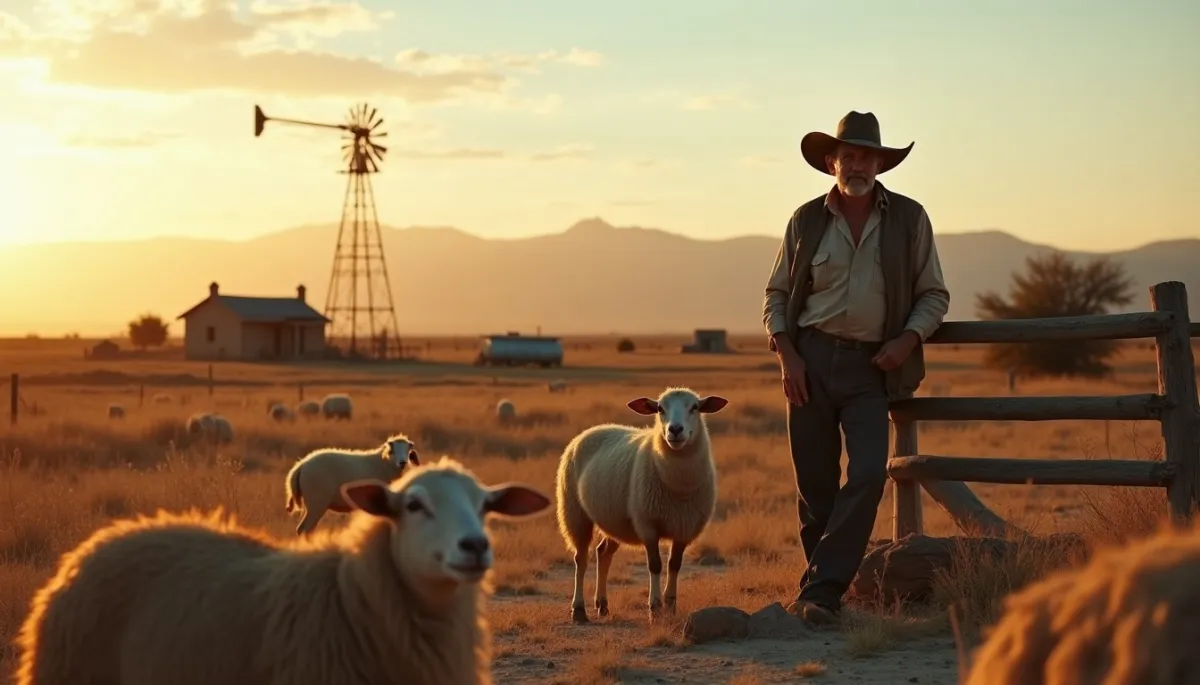
Abilene exploded in 1867 when Joseph G. McCoy built stockyards and a hotel to receive Texas cattle, turning a plain landing into a boomtown. Between 1867 and the early 1870s, towns like Abilene, Wichita and Ellsworth became gateways where cattle met railways.
These cow towns solved a practical problem: Texas had millions of cattle after the Civil War, but few buyers. Kansas railheads connected herds to eastern markets. The economics were simple, brutal and effective.
Life in these towns was chaotic. Saloons, gambling halls and sudden violence were common, giving rise to the mythology of the Wild West. Yet beneath the legend, there were stockmen, dock workers and bankers who built infrastructure out of necessity and money.
Les hommes du bétail
The trail’s human cast was diverse. Jesse Chisholm (1805–1868), a trader of Scottish and Cherokee descent, had earlier established trading routes across Indian Territory. His name lent itself to the trail, though he was not a cattle drover in the later sense.
Notable figures include Joseph G. McCoy, who marketed Abilene in 1867, Charles Goodnight, who in 1866 designed the chuckwagon and later opened the Goodnight-Loving Trail with Oliver Loving, who died from wounds after a 1867 raid. Cowboys were often young, paid roughly $30 a month, and included many African Americans and Tejanos who carried skills from the vaquero tradition.
Anecdotes survive: cowboys used brands and improvised medicine on bruised animals, and trail bosses kept delicate order. Stampedes were the ever-present terror. Stories of quiet camaraderie, and of lost men buried beside a lonely trail, are part of the oral record.
Techniques et légendes
Cattle drives required techniques refined over decades. The chuckwagon, credited to Charles Goodnight around 1866, became a mobile kitchen and lifeline. Trail bosses managed grazing, water and daily mile counts, often moving 10 to 15 miles per day.
‘Cowboy’ itself comes from Spanish vaquero roots, adapted in English. A trail boss, drover and wrangler each had roles. Branding identified ownership, while a night rope or picket line prevented stampedes. These practical tools created a culture that later fed cowboy ballads and dime novels.
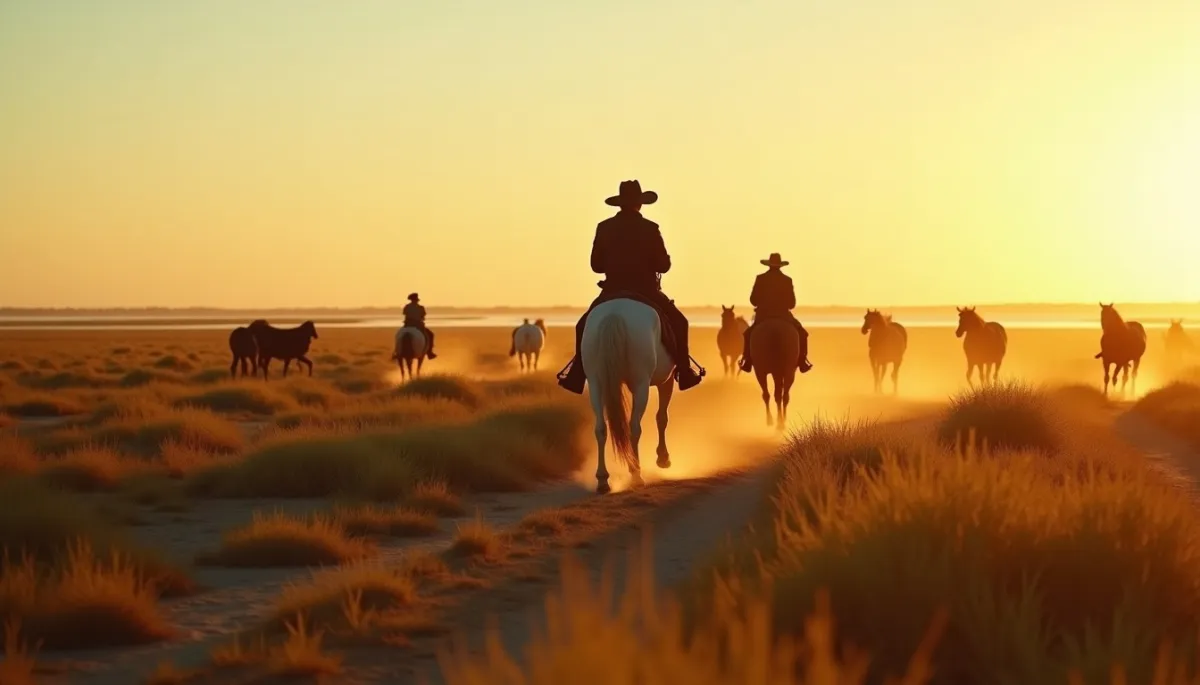
Music, language and horsemanship spread along these routes. The influence reached far beyond the plains. If you watch Camargue gardians at work, you can feel a distant echo: the same respect for the horse, the same intimate relation with grazing animals.
Pourquoi cela arriva
The causes are economic and technological. After the Civil War, Texas herds had multiplied during wartime neglect. Eastern meat demand rose with urban growth, and railroads offered a new market. Entrepreneurs like McCoy sensed opportunity and created the logistics to move cattle from range to rail.
Maps mattered. The Chisholm route passed through central Texas, crossed the Red River into Indian Territory, then north to railheads in Kansas. The trail optimized water sources and grazing, following older Indigenous and trader paths.
Legal and social factors also played a role. The Reconstruction era left Texas with few markets and law enforcement stretched thin. Land was affordable and open, which made long drives both attractive and feasible for ranchers.
Les limites et l'après
The era was not to last. The arrival of barbed wire, patented by Joseph Glidden in 1874, and the rapid expansion of rail lines into Texas undercut the need for long drives. By the mid-1880s, most cattle were shipped locally.
Environmental pressures grew. Overgrazing, harsh winters such as the great blizzard of 1886–1887, and market fluctuations reduced herds. The romantic image of the open trail faded into fenced ranches and organized stockyards.
Yet the Chisholm Trail left a legacy: place names, cattle brands, folk songs and a transnational horse culture. For travelers today, markers and museums in Abilene, Wichita and along old crossing points recall those dusty years. Walk a trail segment and imagine the lowing of a thousand cattle and the rhythmic creak of leather.
Practical advice: visit the Chisholm Trail Museum in Kingman, Kansas, and the boot and stockyard exhibits in Abilene. Read primary sources, such as Joseph McCoy’s writings from 1870, and seek local guided walks to sense the scale of the drives.