The cowboy code: unwritten rules of the Old West that still hold today
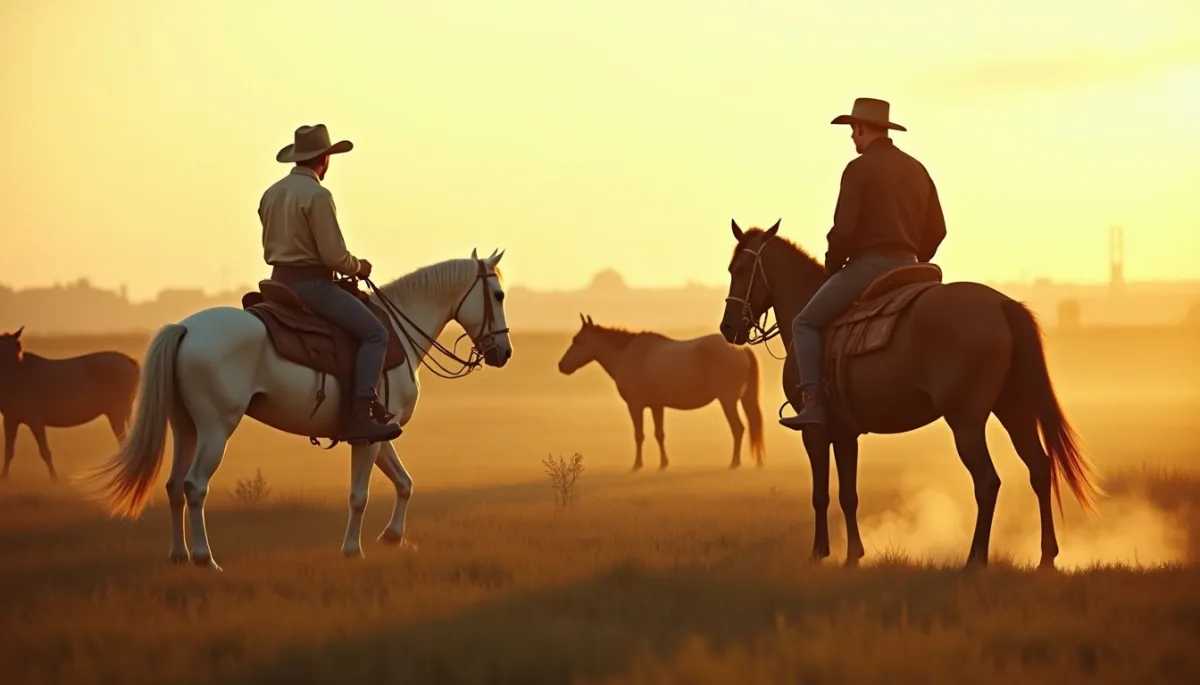
At the edge of horizon, a horse and a hat tell a story. From the Chisholm Trail to the salt marshes of Camargue, certain rules travel far.
🚀 Key Takeaways
- Core concept : The Code of the West is an unwritten ethic of honor, hospitality and responsibility that governed cowboys from the 1860s onward.
- Practical tip : Practice simple rituals of respect, punctuality and care for animals and land, whether on a ranch or in daily life.
- Did you know : The Camargue gardians share many of these values, and you can meet them in a manade from April to September.
Silence, then the creak of leather.
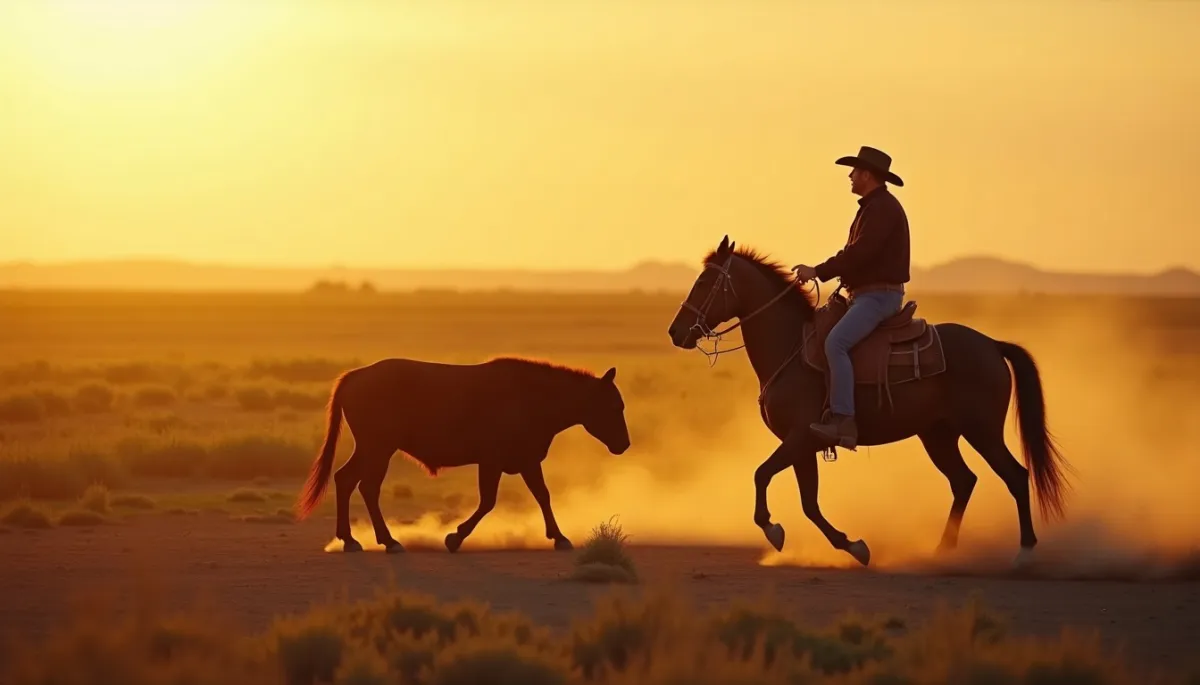
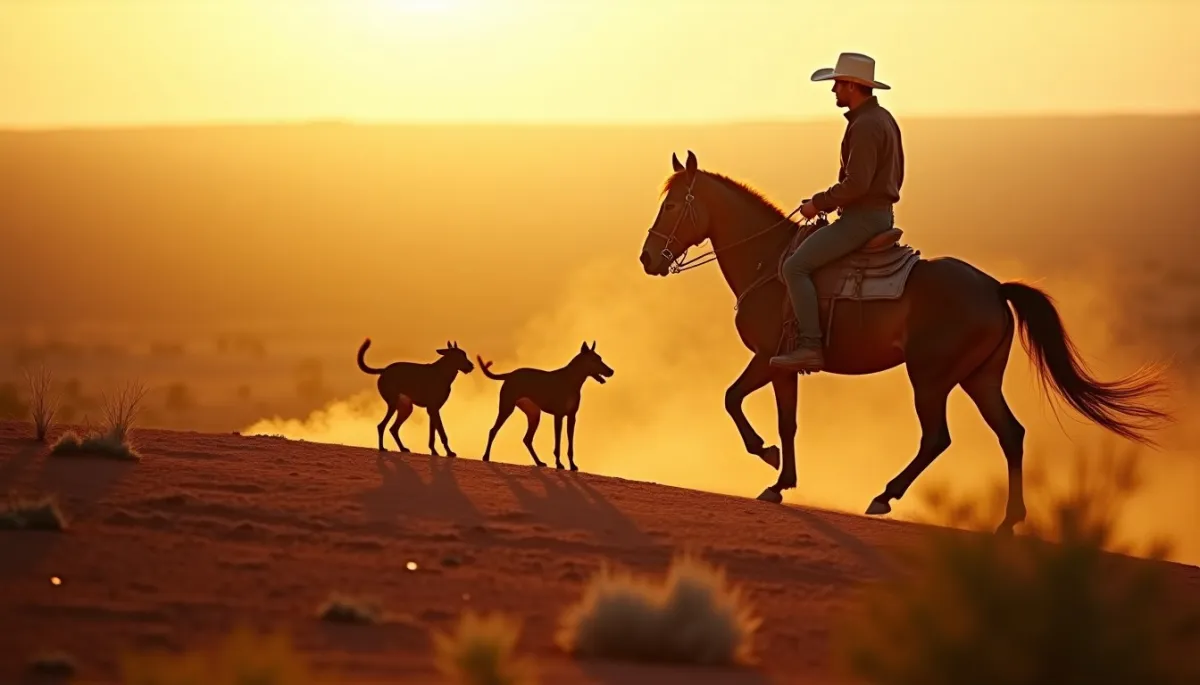
Imagine dawn over a long, dry fence line, a rider alone with his coffee, the smell of dust and horse sweat. A hat pulled low, spurs muted, the world waking along the Chisholm Trail in 1872, or along a manade near Saintes-Maries-de-la-Mer. That single image carries rules learned by doing, not written in any law book.
racines et visages
The people behind the code were not mythic heroes only. They were cattle drovers, ranch owners, lawmen, and sometimes outlaws. Names that shaped the image include Charles Goodnight, who in 1866 opened the Goodnight-Loving Trail, and figures such as Nat Love, an African American cowboy who published his autobiography in 1907.
Popular culture amplified the code. Owen Wister's novel The Virginian, published in 1902, crystallized the notion of cowboy honor. Buffalo Bill Cody's Wild West shows from 1883 exported a stylized ethic of courage and showmanship worldwide.
But many real actors remain less famous. Bill Pickett, born in 1870, innovated rodeo bulldogging around 1905, while countless unknown drovers on the Chisholm Trail from 1867 to the mid 1880s kept their promises around campfires and at lonely crossing points.
valeurs en pratique
The Code of the West is basically a set of behavioral expectations. Punctuality, mutual aid, a firm handshake, and keeping one's word mattered more than any written contract on the open range. When a herd stampeded, neighbors helped, not counted losses later.
Hospitality was crucial. Towns like Abilene and Dodge City (late 1870s) lived off transient work, and a welcoming bunkhouse or a shared pot of stew could mean survival. Respect toward animals, efficient horsemanship, and care for gear were daily practices, not slogans.
Today these translate into simple habits: show up on time, admit mistakes, help a colleague, care for tools and community resources. James P. Owen's 2006 book Cowboy Ethics shows how these frontier norms were reframed for corporate ethics, proving their adaptability.
traces et héritage
The consequences of that ethic shaped communities. Cattle drives along the Chisholm Trail (1867-1884) helped populate towns and build rail connections. The public persona of the cowboy influenced songwriters like Woody Guthrie and later country stars such as Hank Williams.
In architecture and festivals the code endures. Rodeos formalized many practical skills into competitions. The Calgary Stampede, founded in 1912, institutionalized cowboy skills and communal pride, turning living practice into celebration.
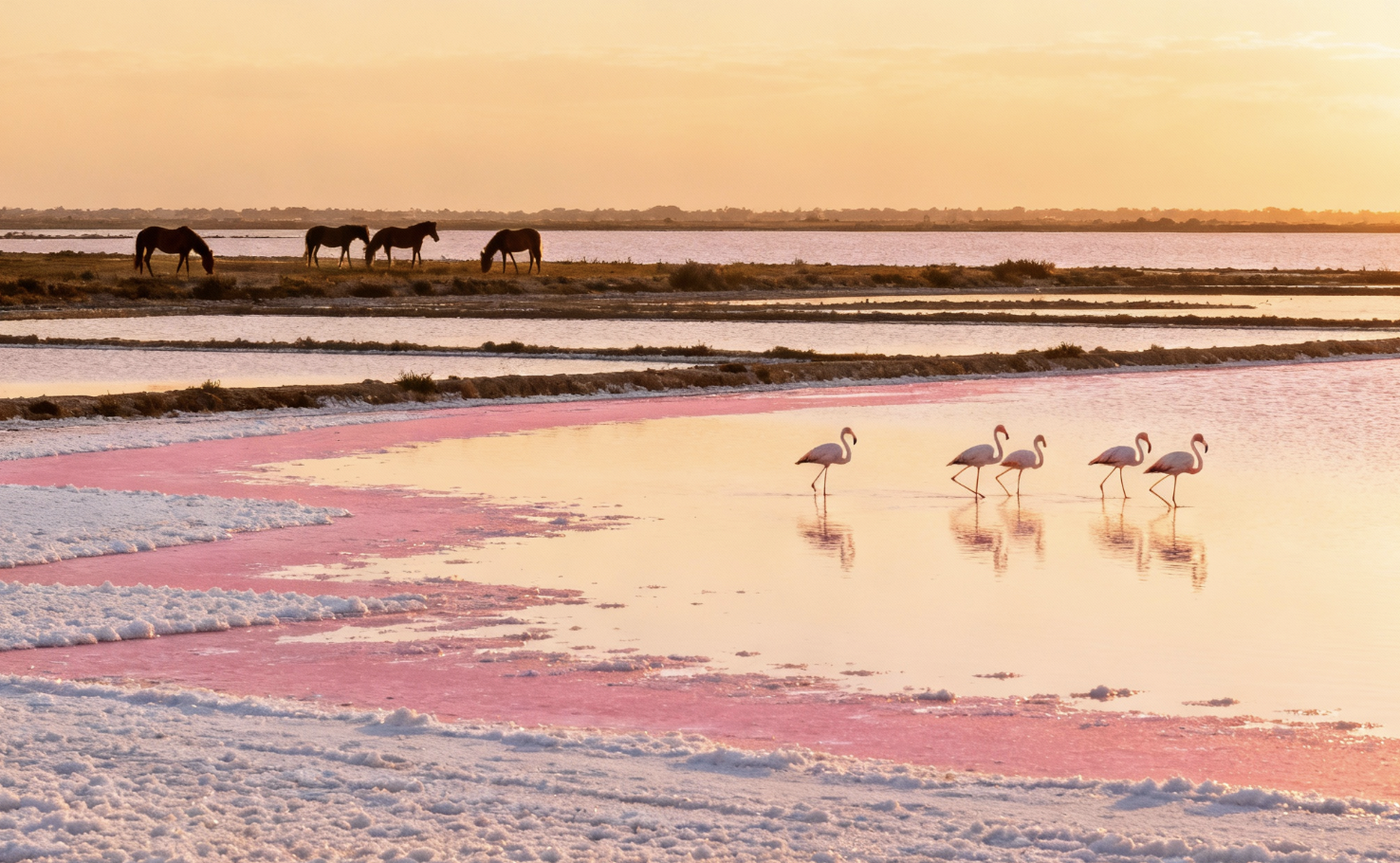
Closer to home, the Camargue gardians preserve a parallel. Their manades, seasonal rhythms and respect for herd and marshland reflect the same bond between rider and animal. The gardian's hat and the cowboy's stetson answer the same need: weatherproof, practical, emblematic.
tensions et réinventions
However, the romantic code coexists with harsher realities. Racial and gender exclusions were part of frontier life. African American, Mexican and Indigenous cowboys made essential contributions, often erased in early 20th century retellings.
Economics changed the code. The end of open range in the 1880s, barbed wire from the early 1870s, and new land laws shifted responsibilities from roaming drovers to settled ranching. The ethic adapted but sometimes hardened into nostalgia rather than practice.
Modern conservation and animal welfare concerns challenge some past practices. Yet the core principles of stewardship and solidarity can be updated. In Camargue, gardians today balance traditional herding with ecological protection of wetlands and endangered breeds of horses and bulls.
apprendre et appliquer
How to wear the code today? Start small: return borrowed tools promptly, honor appointments, and keep promises. Work ethics rooted in reliability and respect are timeless and useful in teams, of any field.
If you travel to Camargue, schedule a visit to a manade between April and September. Ask to accompany a gardian on horseback, listen to stories, and learn the term manade (a free-roaming herd) and gardian (the local mounted herdsman).
Finally, remember that codes live through action. The best way to honor the Code of the Cowboy is to treat land, animals and neighbors with the kind of practical respect that made frontier life survivable, and sometimes noble.