Cowboy vs vaquero: the real historical and cultural differences
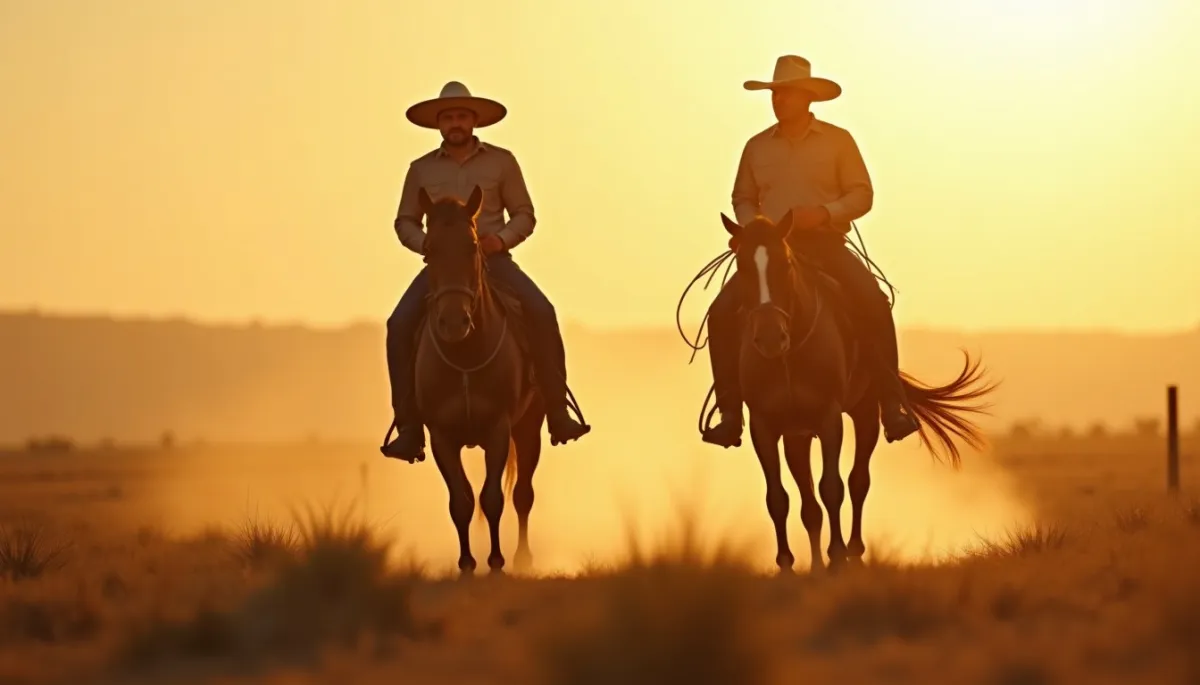
The cowboy is an American myth, the vaquero is its Spanish-speaking ancestor. Both rode the same land, but their worlds grew from different soils, tools and rituals.
🚀 Key Takeaways
- Core concept : The vaquero tradition dates to 16th-century New Spain, the cowboy crystallized in the US West after the Civil War.
- Practical tip : Look for bosal, reata and chaparreras when you study riding gear; they reveal lineage.
- Did you know : Many techniques, names and tools of the cowboy come from Spanish and Mexican ranching, and similar roles survive in Camargue with the gardian.
Le paysage s'ouvre, le lasso siffle, et le cheval s'arrête au bord d'un canyon. Imagine a late-afternoon scene on the plains: a mounted rider loosens a coiled rope, eyes fixed on a distant herd, the sun carving silhouettes.
histoire partagée
The vaquero tradition begins centuries earlier. Spain introduced horses and cattle to the Americas in the late 15th and 16th centuries, and by the 1600s large haciendas in New Spain had developed skilled mounted herders, the vaqueros.
In California and northern Mexico, vaqueros perfected roping, taming and a hierarchical ranch system. The Californio and Mexican rancho cultures of the 18th and early 19th centuries produced specialized gear: the bosal (a rawhide noseband), the mecate (mecate rein), and the reata (a heavy rope).
The American cowboy emerged as a social type later. After the US Civil War, around 1865–1885, cattle drives from Texas to railheads on trails like the Chisholm Trail (active c.1867–1884) shaped the image of the cowboy. Figures such as Charles Goodnight (1836–1929) and John Chisum (1824–1884) organized drives and ranching operations that became legend.
outils et techniques
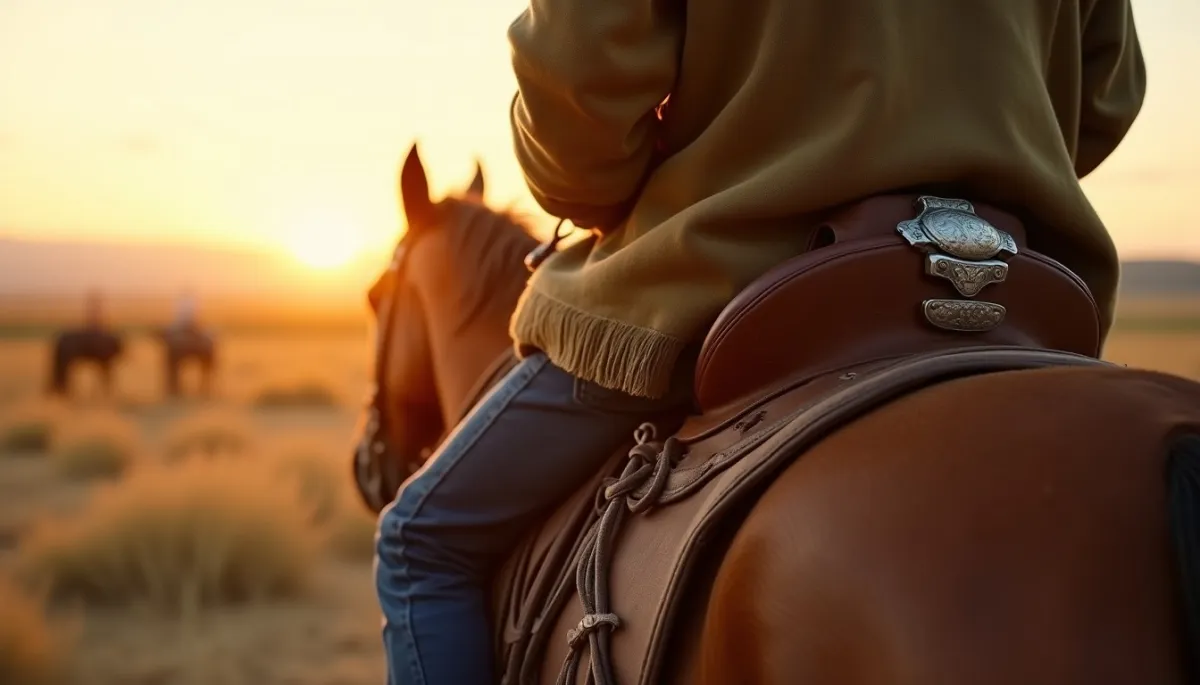
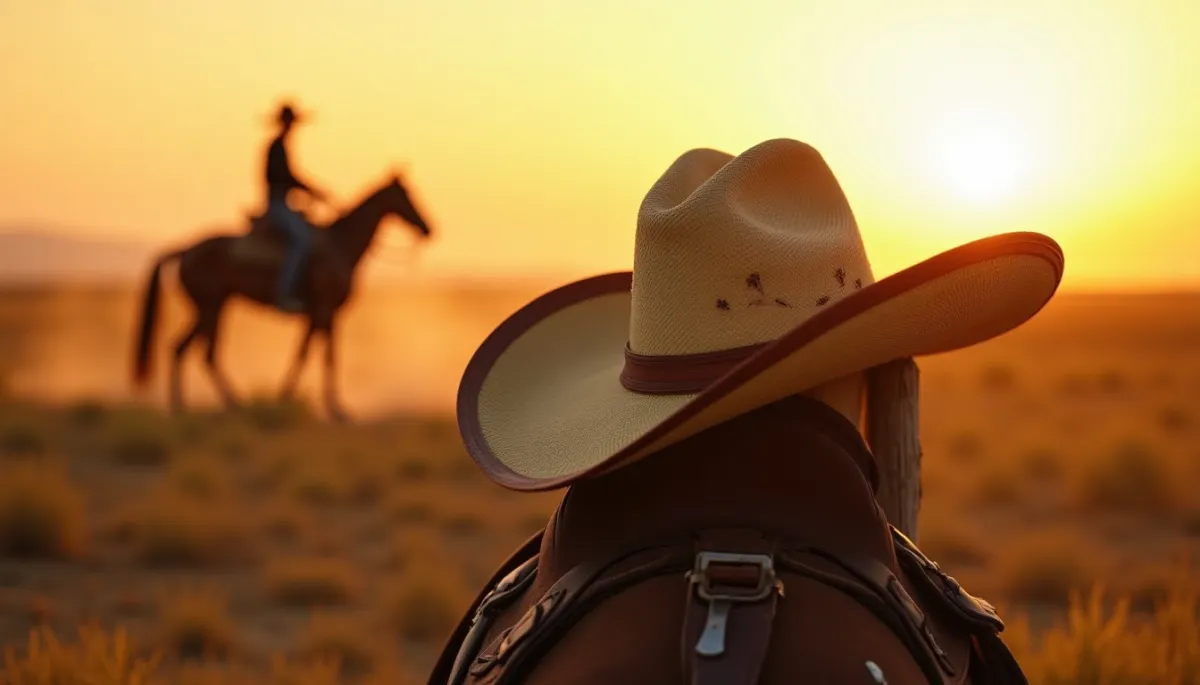
Gear tells the lineage. Vaqueros used the bosal and the hackamore system for training horses, and leather chaparreras (chaps) to ride through brush. The Stetson hat (patented by John B. Stetson in 1865) and the wide-brim hat of the vaquero evolved for sun protection, but shapes differ by region.
Roping technique, saddle construction and even the term roping itself come from Spanish practices. The vaquero's silla de montar (saddle) and the Californian pack saddles influenced later American saddles. The word buckaroo, used in parts of the Great Basin, is a phonetic shift of vaquero, marking a clear linguistic transmission.
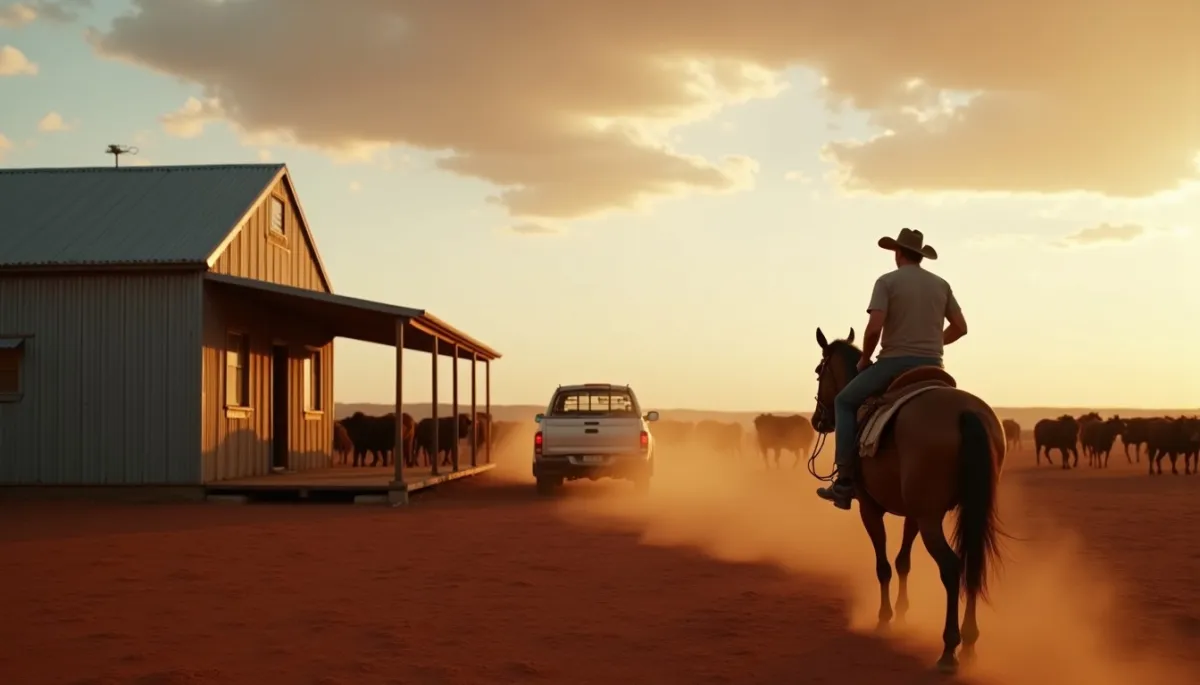
In the field, vaqueros performed tasks for a permanent hacienda economy, breaking and training horses for work. Cowboys on long cattle drives worked itinerantly, moving herds hundreds of miles to market; that altered rhythm changed habits, social organization and clothing choices.
peuples et identités
Who rode? Vaqueros were often native Mexicans, mixed-race mestizos, and indigenous horsemen trained within the hacienda. In the US, the cowboy workforce was multiethnic: historians estimate that up to 25 percent of cowboys in the late 19th century were African American, alongside Tejanos, Mexican-born vaqueros, Anglo settlers, and Native Americans.
Cultural rituals differ. The Mexican charro tradition formalized horse culture into pageantry and competition, with embroidered outfits, ruedos and precise maneuvers. The American cowboy was popularized by dime novels and shows, notably Buffalo Bill's Wild West after 1883, which turned frontier labor into spectacle.
Social hierarchy also varied: vaqueros worked in structured hacienda labor systems, with clear employer-servant relations. Cowboys could be hired hands, but the postwar cattle economy also allowed small owners and independent drovers to rise in prominence.
influence et transmission
Many staples of cowboy life are vaquero legacies. Lariat derives from the Spanish la reata. Spurs, decorative silverwork, roping knots, and horsemanship techniques traveled north with Tejanos and Californios into Anglo ranching communities during the 19th century.
Regional variants developed: the Texas cowboy adapted to the open prairie and crossing cattle to railheads, the Californian buckaroo culture (inside Nevada and northern California) preserved vaquero skills almost intact. Names and tools persisted, but styles and rhythms adapted to new economies.
Today, events like charreadas in Mexico and rodeos in the US share roots, but different aesthetics. In Camargue, the gardian still rounds up bulls in manades for ferrade, a ritual closer to vaquero practice than to the classic Hollywood cowboy image, showing how European and Mediterranean pastoralism parallels the New World.
nuances contemporaines
However, the popular image flattens complexity. Hollywood created the lone white cowboy archetype, sidelining the multicultural reality of ranch work. Meanwhile, vaquero culture has been romanticized and institutionalized by charro schools and folkloric performance.
Preservation matters. Skills such as bosal training and old-school reata work survive in specialist schools and ranches, but they are vulnerable. Museums, living-history sites and ranches in California, Texas and Mexico keep the techniques alive.
Practical advice: if you study cowboy and vaquero culture, visit living traditions. In Camargue, watch a manade and a ferrade to see a Mediterranean cousin of the vaquero; in California or Texas, look for horsemanship schools that teach bosal and mecate, and ask about lineage of gear and methods.
En somme, the cowboy and the vaquero are distinct but inseparable. One is not a copy of the other. They are variations on a shared craft, shaped by empire, economy and landscape. Recognize the origins, and you read the West differently.