Csikós of Hungary: the kings of Puszta horsemanship and herding
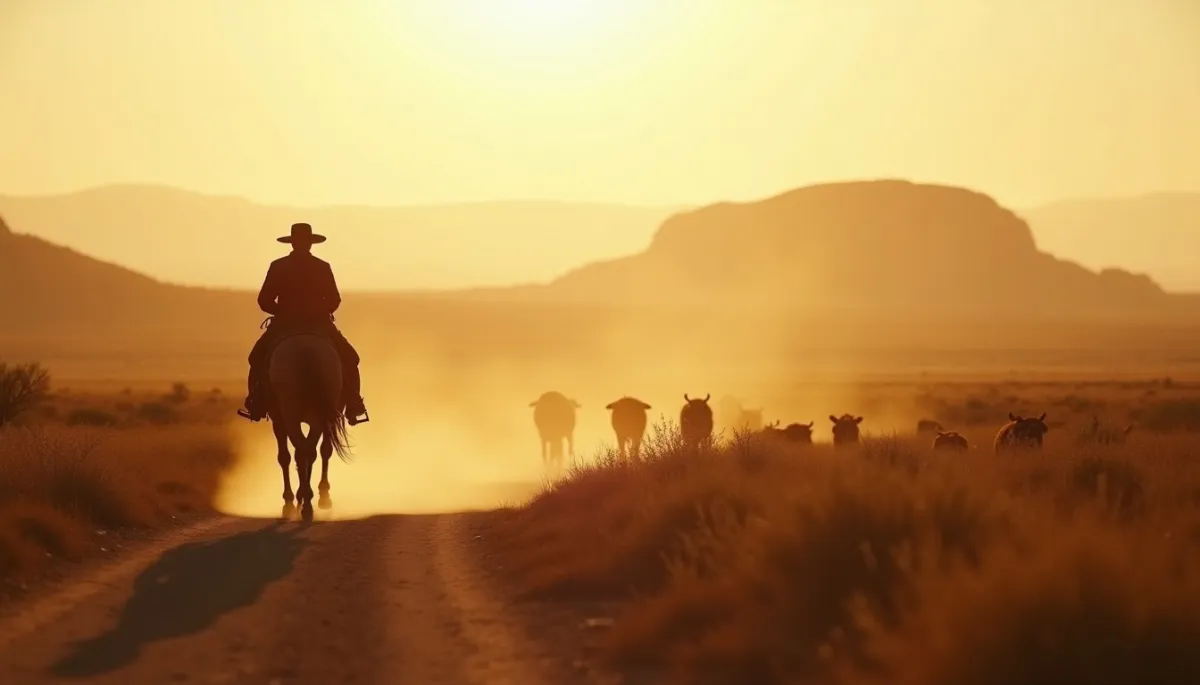
In the wide, flat light of the Puszta, a lone rider seems to belong to the landscape. These are the csikós, horsemen whose skills shaped Hungary's pastoral world for centuries.
🚀 Key Takeaways
- Key concept : Csikós are traditional Hungarian mounted herders, masters of trick riding and cattle management.
- Practical tip : Visit Hortobágy National Park from April to September to attend an authentic csikós show and respect photo etiquette.
- Did you know : The word csikó means "foal" in Hungarian, and csikós culture is tied to breeds like the Hungarian Grey cattle and the Nonius horse.
Horse, wind and salt dust, that is the first image. Picture a man in a wide-brimmed hat, kneeling on a galloping horse, the plain stretching to the horizon.
Puszta et personnages
The csikós are the mounted herders of the Hungarian plains. Their name comes from csikó, meaning foal, and historically a csikós was the guardian of young horses as well as larger herds. You will still find them around Hortobágy, the best-known Puszta, and in regions near Debrecen and Mezőhegyes.
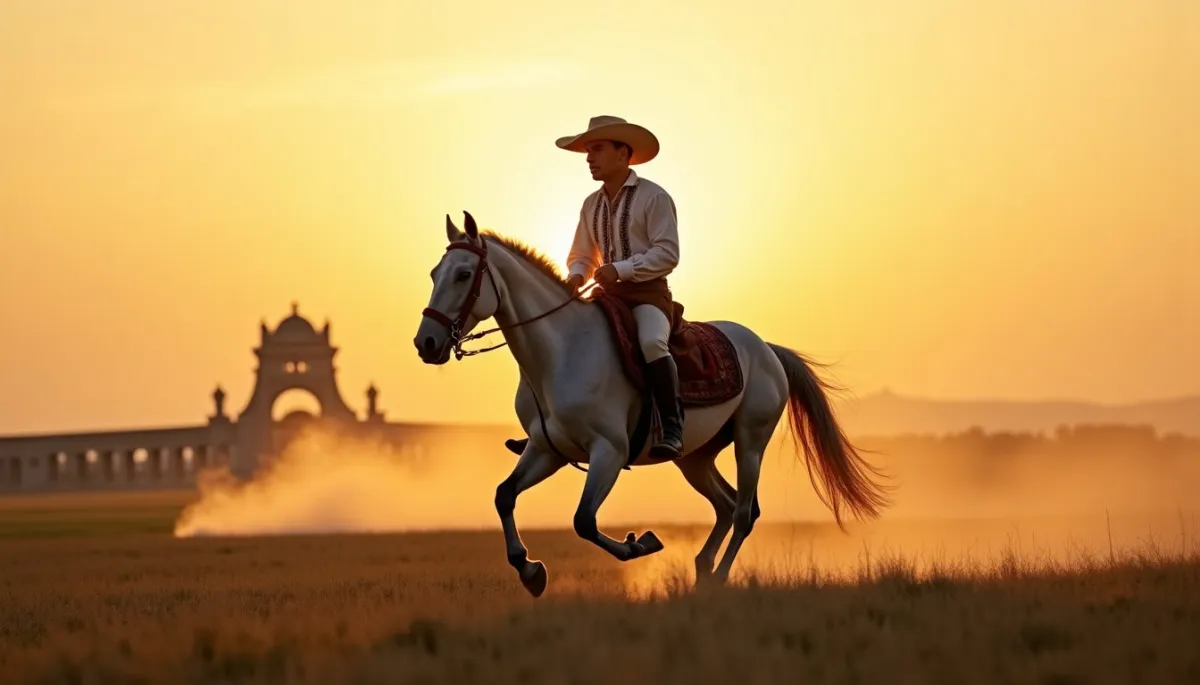
Their public image is built on dramatic displays: hat-tossing, standing on a cantering horse, kneeling while riding at speed. These feats are not mere showmanship, they are extensions of daily work. The csikós combined horsemanship with cattle-driving, especially of the Hungarian Grey, a long-horned breed known since the Middle Ages.
Hortobágy National Park, created in 1973 and inscribed as a World Heritage site in 1999 as the cultural landscape of the Puszta, is where tourists most often meet csikós. The Nine-arched Bridge, built in 1833, and local herding fairs are stages for these riders. Today, many csikós also act as custodians of living traditions, teaching younger generations and performing in tourist shows.
Au cœur des gestes
To understand the csikós is to watch them at work. Historically, their tasks included moving cattle and horses across vast salt marshes and managing foals. A typical day could begin before dawn, guiding herds to grazing and ending with evening rounds under a blazing sky.
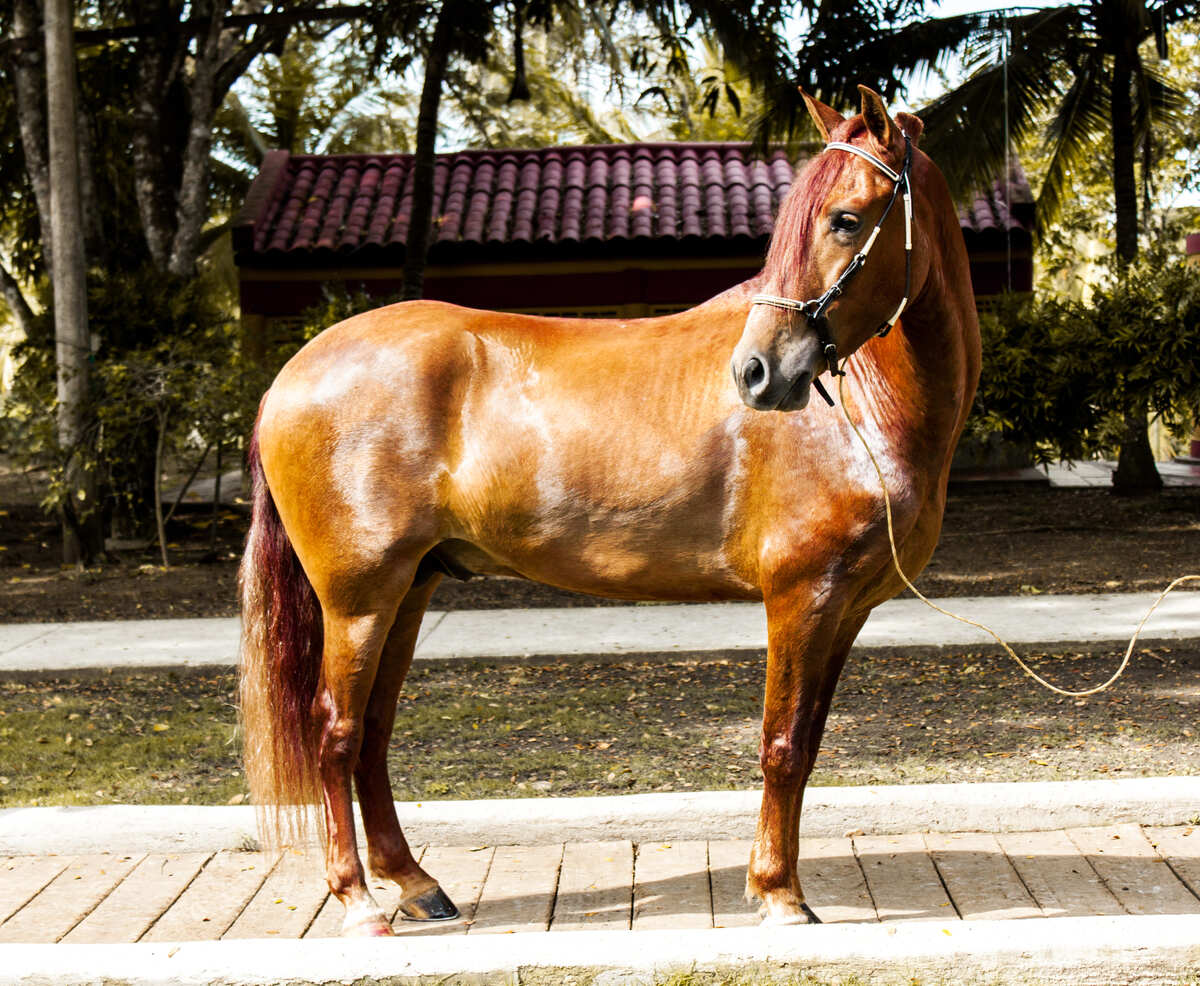
Their equipment is practical and symbolic. Wide-brimmed hats, embroidered shirts, tall leather boots and long reins reflect a culture adapted to wind and sun. Horses are central: the Nonius breed, developed in the early 19th century at the Mezőhegyes stud, became a popular riding and draft horse. The Hungarian Grey cattle, known since medieval times, define the Puszta's silhouette with their long, curved horns.
A real anecdote: during the 19th century, csikós and their horses were admired at agricultural shows across Europe. Their style influenced equestrian presentations and helped cement the Puszta as an image of national identity in Hungary. Even in the 20th century, csikós were featured in international fairs and film reels, a symbol of rugged rural skill.
Pourquoi cela perdure
Csikós culture persisted because it solved a practical problem, moving and tending animals over a landscape with few fences. The Puszta is a natural steppe, and mounted herders were simply the most efficient solution. Their mounts and techniques evolved in direct response to the environment.
State initiatives in the 19th and 20th centuries shaped breeds and practices. The Mezőhegyes state stud, established in the late 18th century, standardized breeding, notably of the Nonius line in the early 1800s. Later, the creation of Hortobágy National Park in 1973 recognized not only the ecology, but also the cultural importance of pastoral practices.
Modern tourism and cultural preservation have revived interest. From the 1980s onward, organized csikós shows became regular attractions. Local schools and riding centers now teach traditional skills. This living heritage attracts scholars, photographers and riders seeking authenticity.
Contrastes et défis
Yet the csikós face contradictions. Industrial agriculture and mechanized herding reduced the need for mounted work. Young people often leave rural areas, threatening transmission of techniques passed down orally and by demonstration.
Tourism offers income, but can risk turning living tradition into spectacle. Authenticity depends on balancing performance with real pastoral duties. Conservationists and local communities debate how to keep herding viable while welcoming visitors.
There are solutions. Supporting local breeds, funding apprenticeship programs, and promoting low-impact tourism help. For travelers, a respectful visit means observing, asking before photographing, joining guided tours that include genuine work phases, and sampling local cuisine. In that way, the csikós remain both guardians of land and storytellers of the Puszta.
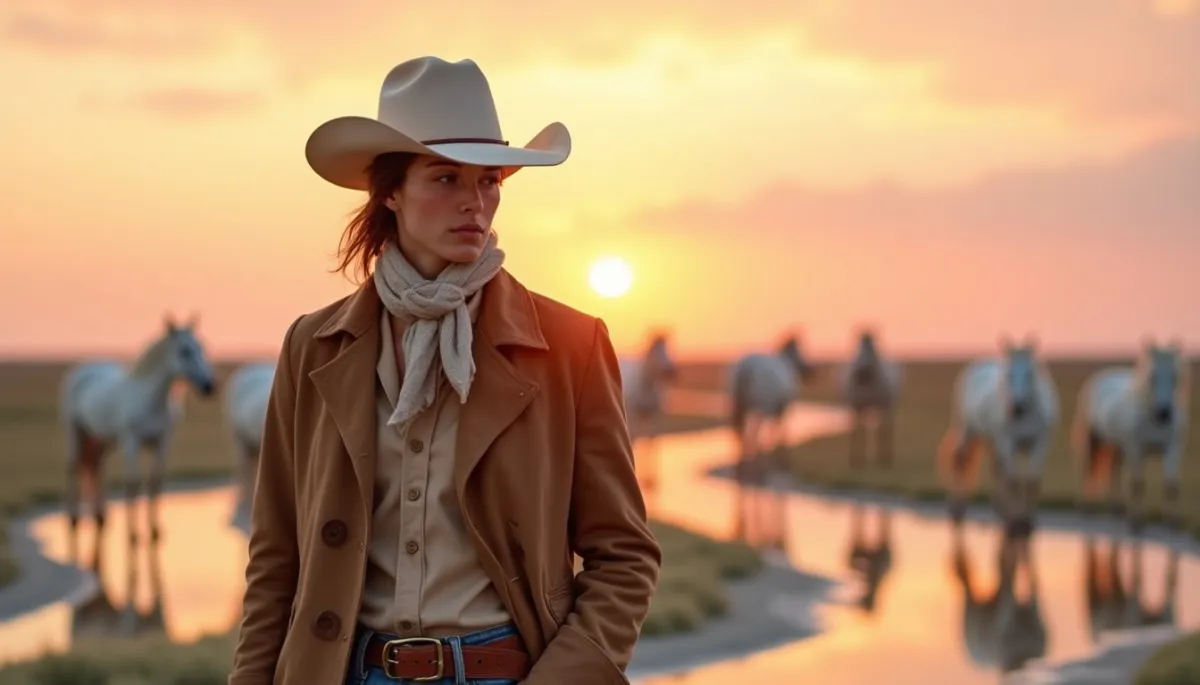
Practical advice: go to Hortobágy between April and September, combine a csikós show with visits to local museums and the Nine-arched Bridge, and if possible, book a morning herd-ride with a certified guide. Leave with a sense of a culture where horse and man shape a landscape together, much like the gardians of the Camargue, who also marry salt marshes and horses in a shared pastoral art.