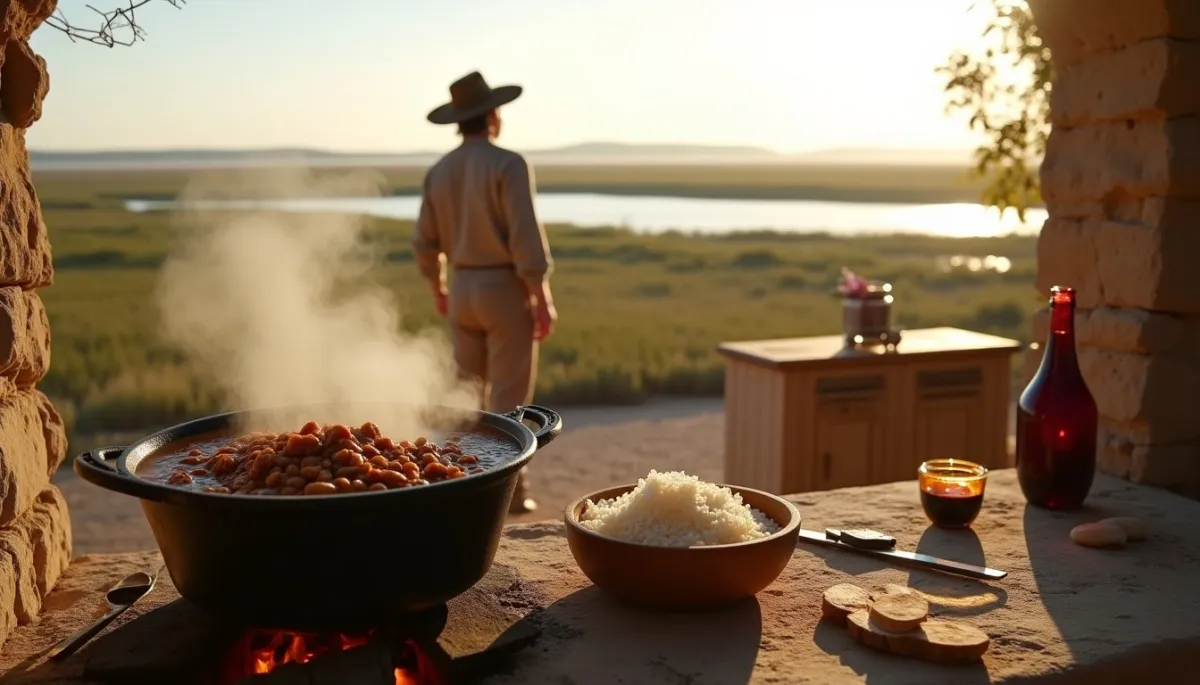
A day in the skin of a manadier: Life of Camargue breeding
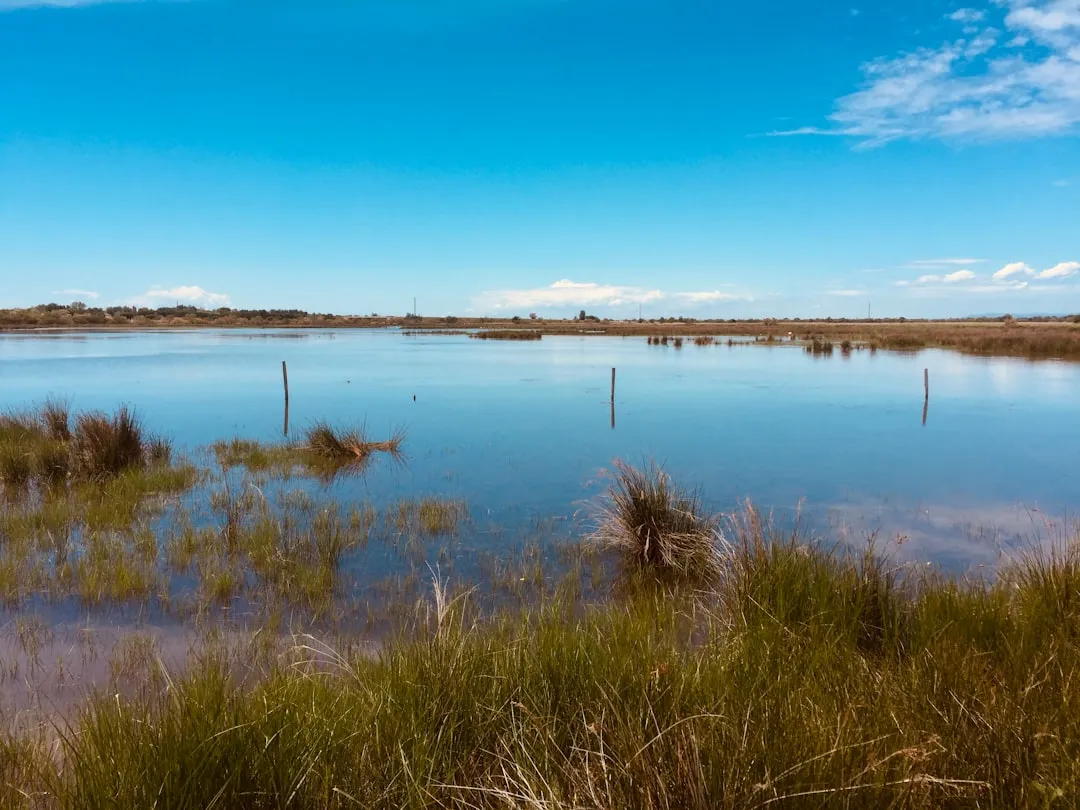
At dawn the salt flats hold their breath, and the manadier already rides. In the Camargue, breeding is a rhythm more than a job, it shapes a landscape and a culture.
🚀 Key Takeaways
- Key concept : A manadier is an owner-breeder who runs a manade, an extensive herd of Camargue horses and bulls.
- Practical tip : Visit a manade in spring for foaling and triage, bring boots and respect the animals' rhythm.
- Did you know : The Parc naturel régional de Camargue was created in 1970, protecting grazing lands vital to manades.
Silence, then a distant bell. The horses lift their heads as a gardian appears on the horizon.
Morning ritual
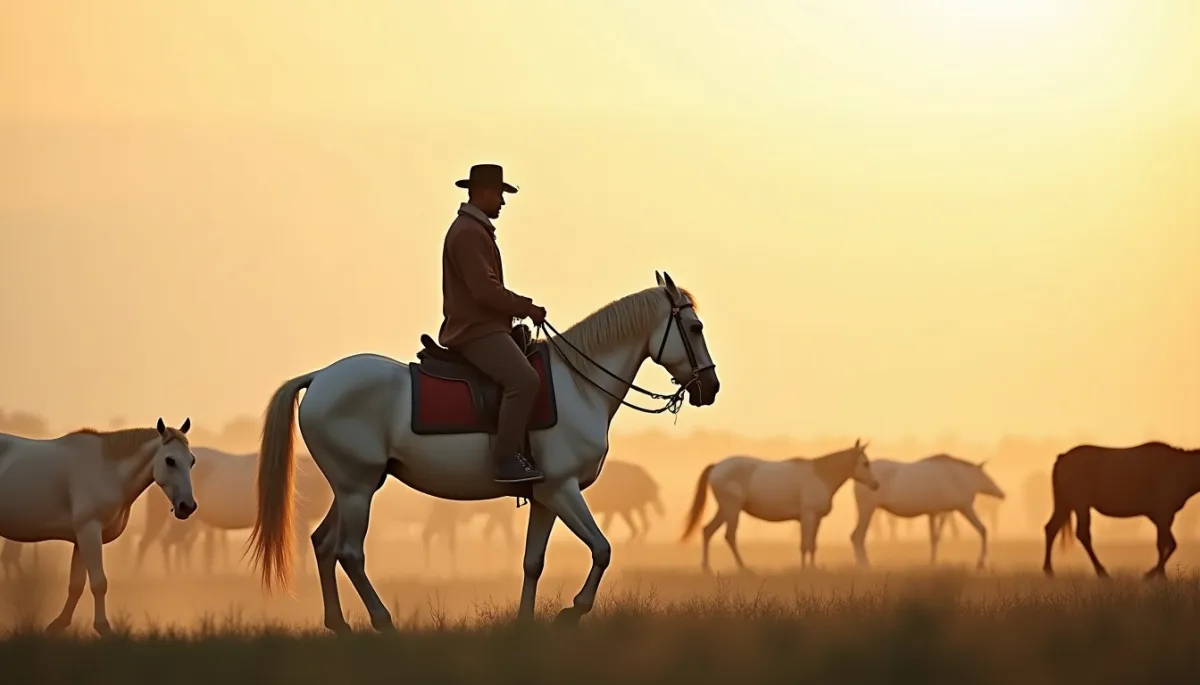
The day of a manadier begins before sunrise, with a slow circuit of the marshes and ponds. Walking or mounted on a sturdy white Camargue horse, he checks animals, water troughs and fences, noting any mare about to foal or a bull moving away from the herd.
These first hours set the tone. A manade often spreads over hundreds of hectares, between saline flats, reed beds and pastures, thus the routine is as much a survey of the land as a care of animals.
Tools are simple and traditional, the selle gardiane on the saddle, lassos, and sometimes a light quad for urgent transports. Yet most tasks require experience, reading tracks, understanding the weather, and knowing each animal by sight.
People of the manade
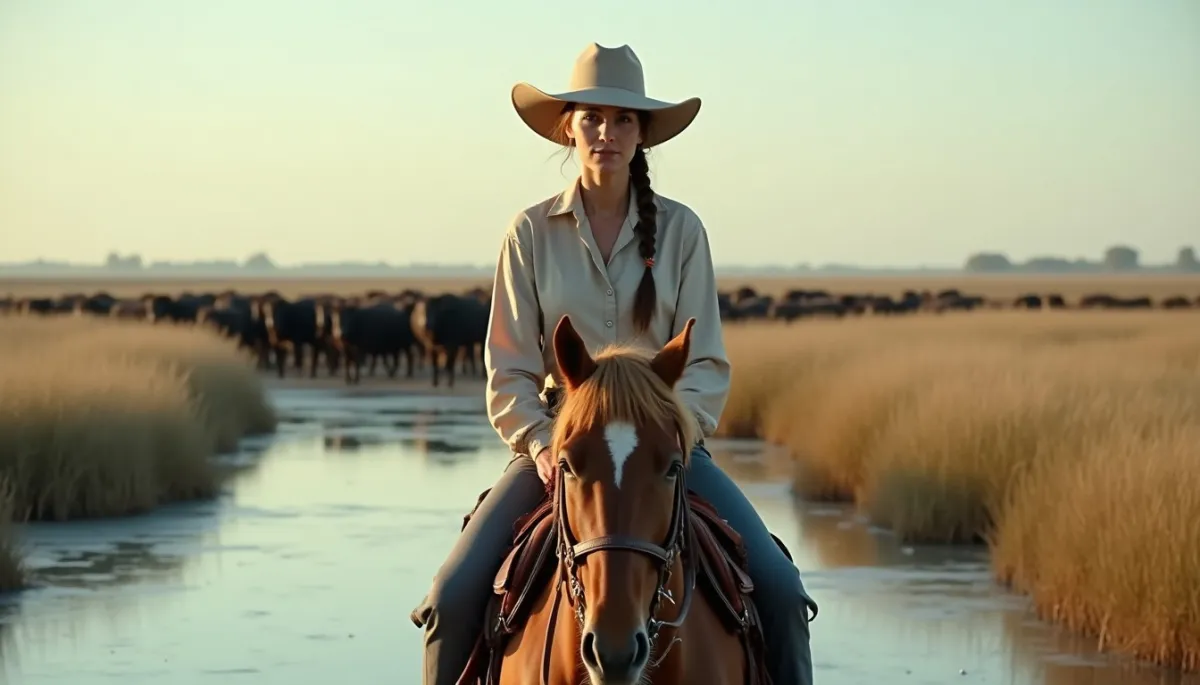
Who are the manadiers and the gardians? A manadier is usually the owner-breeder, often from a family rooted in the Camargue for generations. The gardians are the mounted herders, skilled riders who manage stock in the open range.
Historically, figures like Folco de Baroncelli (1869-1943) helped codify Camargue traditions, promoting the course camarguaise and the image of the gardian. Today many manades combine respect for ancestry with modern obligations, such as sanitary rules and Natura 2000 constraints.
Recognition comes through reputation, the quality of breeding, and participation in local festivals. Some manades supply bulls to traditional games, others focus on selling horses to working farms or to enthusiasts of equestrian tourism.
Daily tasks
Feeding is less about stalls and more about ensuring access to grazing. In summer, manadiers monitor water points and control brackish pastures. In spring, the focus shifts to foaling and triage, when animals are sorted for training, sale, or participation in courses.
Veterinary care combines preventive programs and quick reactions. Vaccinations, hoof trimming and occasional wound care are routine. Branding and ear notching remain important identification practices, rooted in legal and cultural norms.
Beyond animal welfare, the manadier manages land: rotating grazing, maintaining hedges and tracks, and negotiating with local authorities about flood management and tourism access.
Why it matters
Breeding in the Camargue is ecological as well as cultural. The extensive grazing of horses and bulls maintains open wetlands, supports biodiversity and prevents scrub encroachment, a key reason the regional park was created in 1970.
The manade is also an economic unit. Revenue can come from bull sales, horse breeding, tourist visits, and contracts for grazing to maintain reserves. Still, the margins are tight, and many small manadiers diversify their activities.
Visitors who witness a triage or a ferrade (branding session) often leave with a new respect for the skill involved. These moments are also social events, linking manades to villages such as Saintes-Maries-de-la-Mer, and to fairs and festivals throughout the year.
Tensions and choices
Modern pressures complicate the ideal. Urbanization, tourism, and regulatory constraints reduce available grazing. Climate change shifts the salt balance of marshes, affecting forage quality and herd health.
Some manadiers adopt technological aids, GPS collars and drone scouting, while others resist, arguing that the essence of a manade is practiced knowledge and close contact with animals.
Conflict can appear between conservationists and breeders, or between tour operators and traditionalists. Successful manades often manage partnerships, hosting educational visits and combining conservation payments with classic breeding income.
Practical advice
If you plan to visit, aim for spring or early autumn. Respect schedules, follow the guide's instructions, and avoid sudden movements near foals. Wear waterproof boots and sun protection.
Ask about the history of the manade, the role of the gardians, and local events. Many manadiers are proud storytellers; they will share anecdotes about storms, memorable triages, or the lineage of a prized mare.
Finally, support local producers. Buying honey, olive oil or a ride with a local guide helps sustain the manade economy and keeps these traditions alive.