Ethical equestrian trails in Camargue: best preserved spots
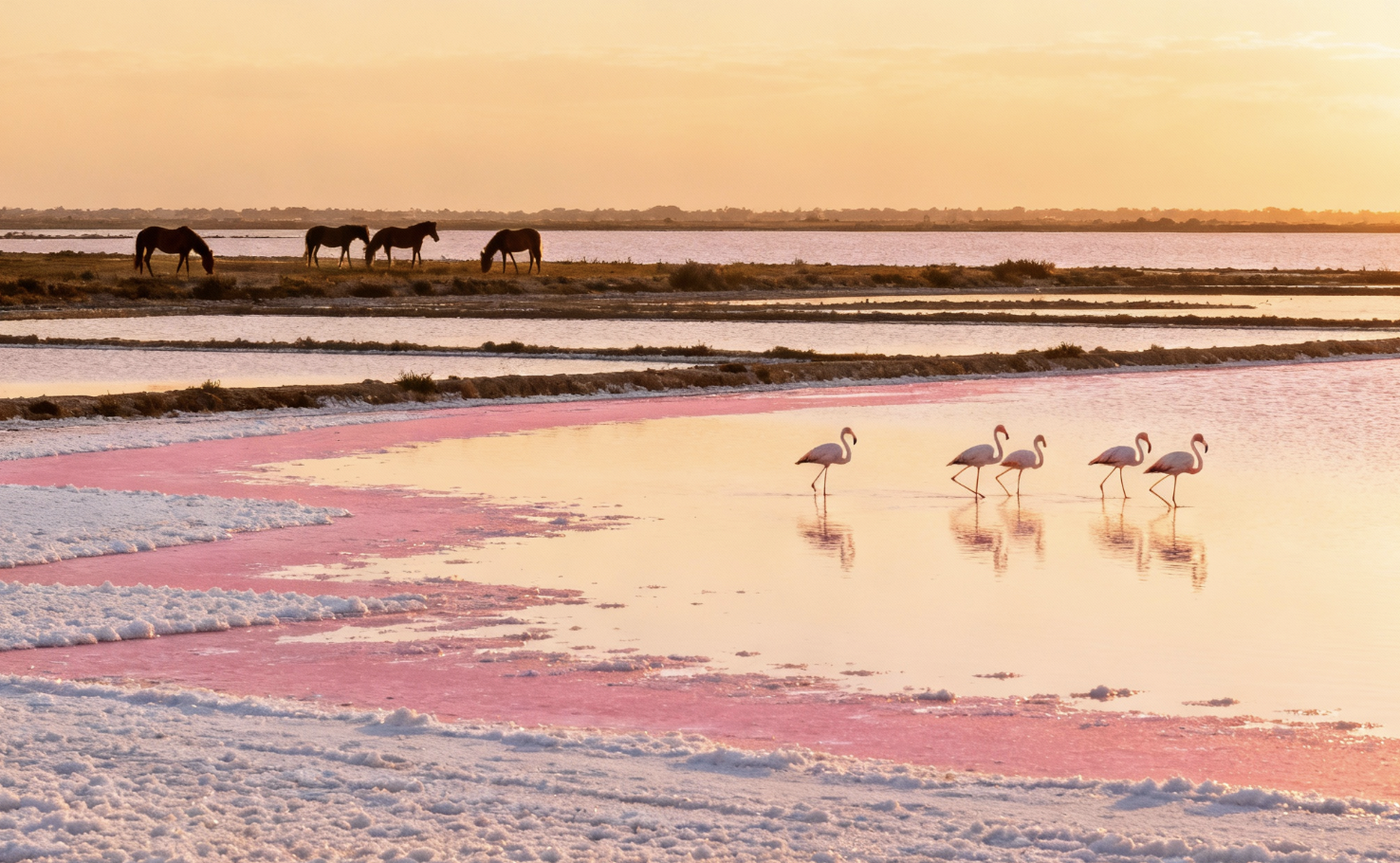
Camargue's wild salt lands and pink flamingos meet a long equestrian tradition. Ethical rides now link conservation, horse welfare and local know-how.
🚀 Key Takeaways
- Key concept : Low-impact horseback rides in protected areas.
- Practical tip : Choose rides led by local gardians or certified centres, avoid sensitive zones at nesting season.
- Did you know : The Parc naturel régional de Camargue was created in 1970 to protect wetlands and traditions.
Close your eyes, smell salt and reed smoke.
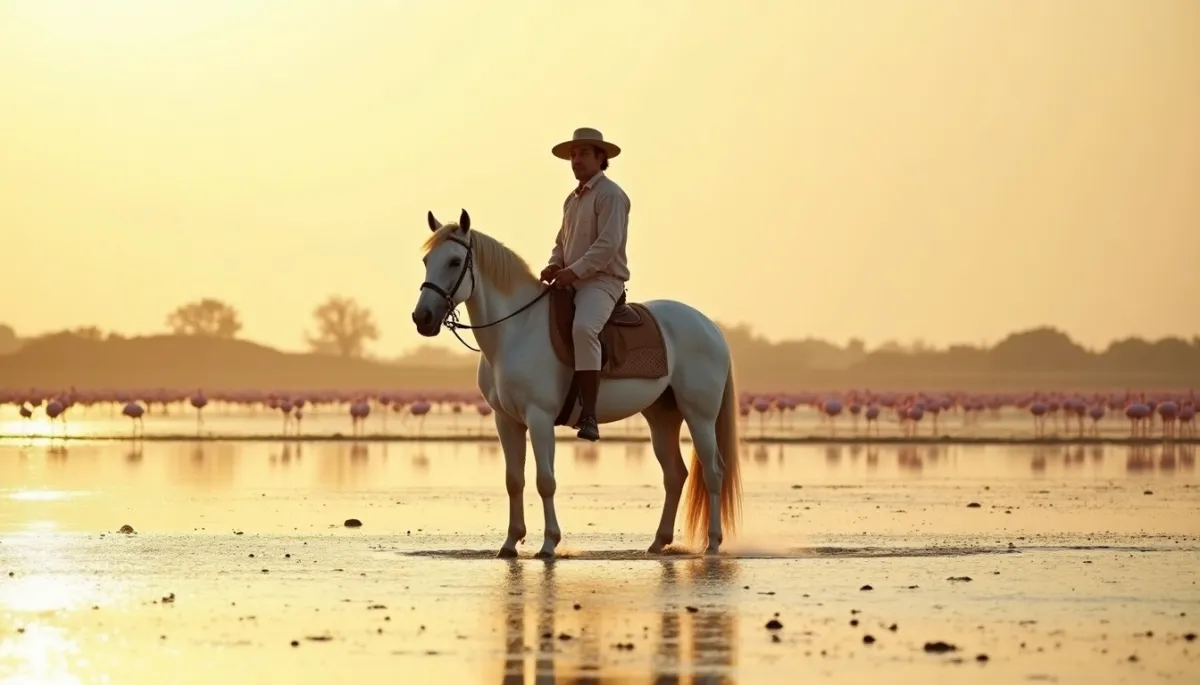
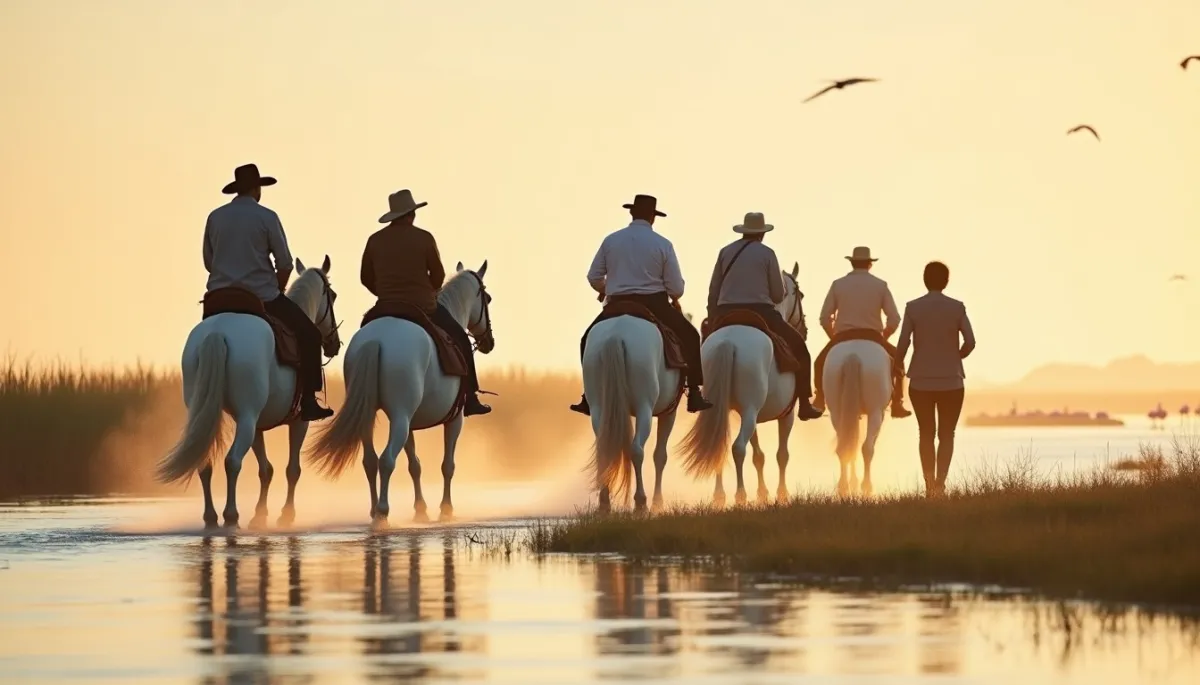
A grey morning in Saintes-Maries-de-la-Mer, a small group of riders follows a gardian along the edge of the Vaccarès lagoon. White Camargue horses pick their way through a ribbon of marsh, flamingos warble in the distance, and the horses' hooves leave shallow prints on brackish mud. The scene feels ancient and fragile at once.
Preserved landscapes
The Camargue's protected core is the Parc naturel régional de Camargue, created in 1970, a patchwork of lagoons, salt flats and reedbeds. Ethical rides focus on routes already marked, such as the shores of the Vaccarès, the dune belts near Salin-de-Giraud, and the grassy 'marais' around the Petit-Rhône.
Riding off-trail can damage vegetation and disturb nesting birds. Responsible outfits close tracks during spring when colonies return. Look for guides who explain seasonal closures and local regulations, and who contribute to conservation funds.
On the ground, preservation means small groups, soft shoes for horses when needed, and avoiding fragile salt pans. Many manades (traditional herds) maintain corridors for wildlife and cooperate with park rangers to keep trails sustainable.
Guardians and manades
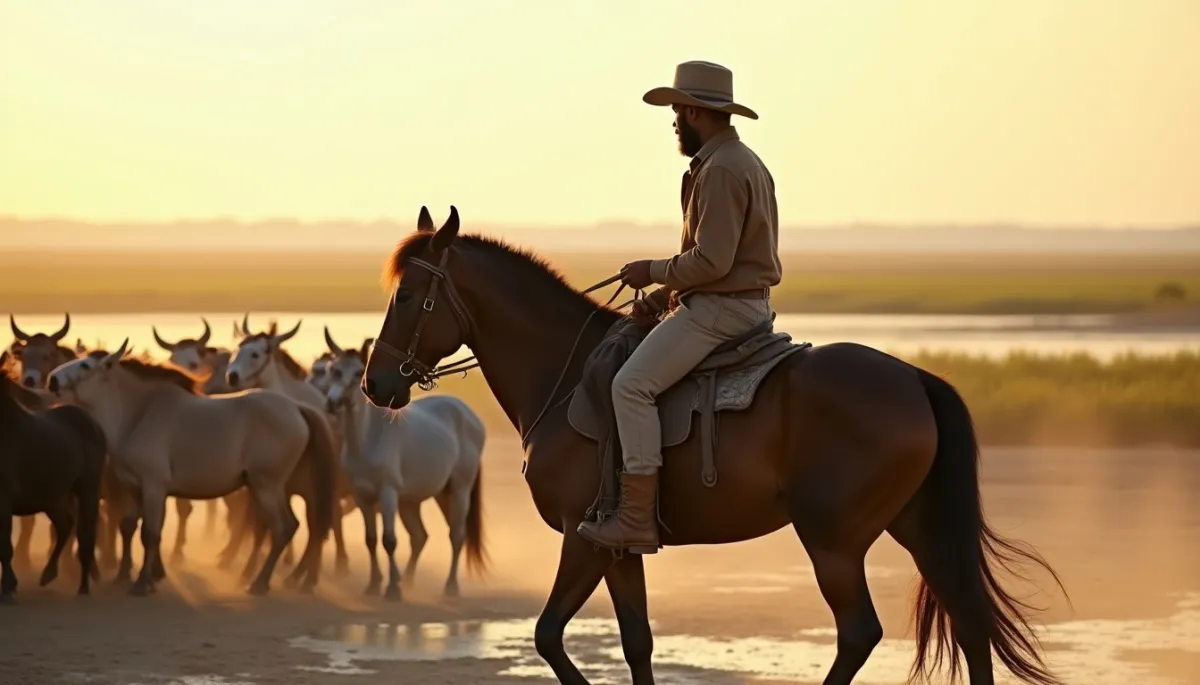
The gardian is the Camargue's horseman, heir to centuries of stock-herding techniques. Figures like Folco de Baroncelli (1869-1943) helped forge the region's identity, founding movements to protect traditions and local language in the early 20th century.
Manades are family-run; they breed the Camargue horse, a hardy grey animal adapted to marshes. Ethical rides often take place on manade land with hosts who still drive bulls to the arenas and teach abrivado techniques, offering a living link between work and celebration.
Joining a manade ride supports local economies. Ask about the herd's welfare, farrier practices, and how much time horses spend working versus resting. Good manades rotate mounts and avoid long, hard rides in summer heat.
Responsible practices
Ethical riding combines horse welfare, environmental respect and cultural sensitivity. It means well-fitted tack, guides trained in equine first aid, and itineraries that minimize trampling of reedbeds and salt marshes.
Practical tips: ride early or late to avoid heat, bring water and sun protection, wear closed boots, and keep to paths. Never chase wildlife, and ask before photographing people or rituals during local fêtes.
Finally, favour operators who reinvest in habitat restoration or education. A simple question when booking, about permits and park agreements, separates a casual ride from a truly ethical journey through the Camargue's preserved spots.