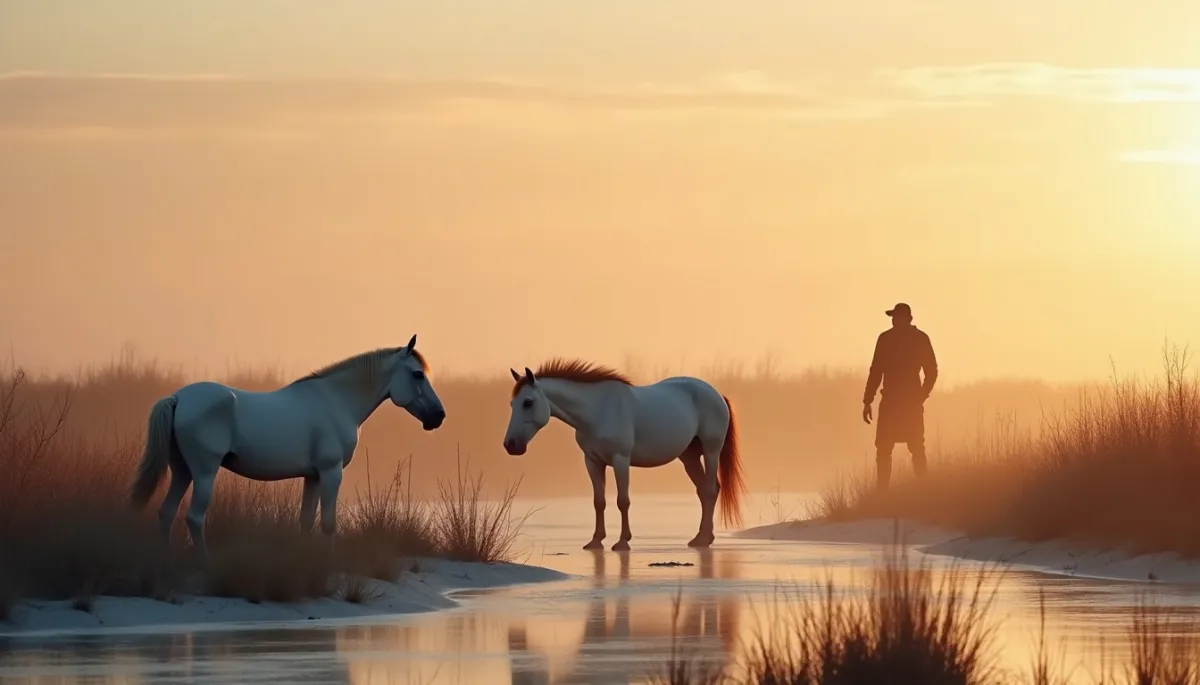
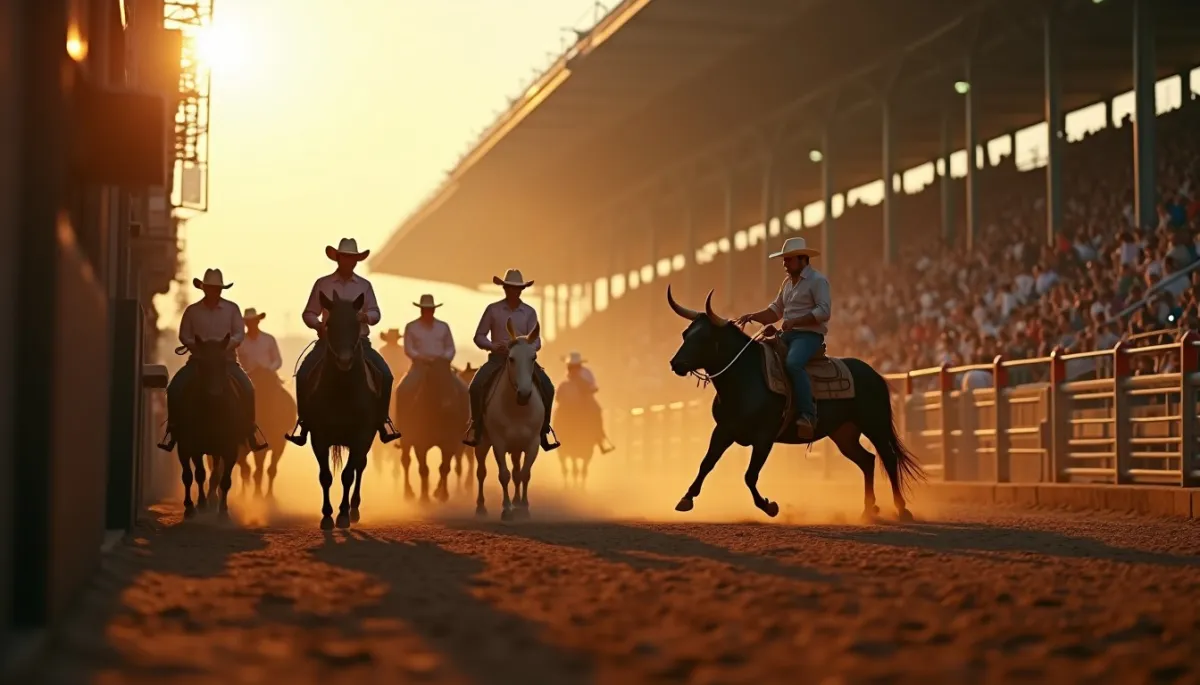
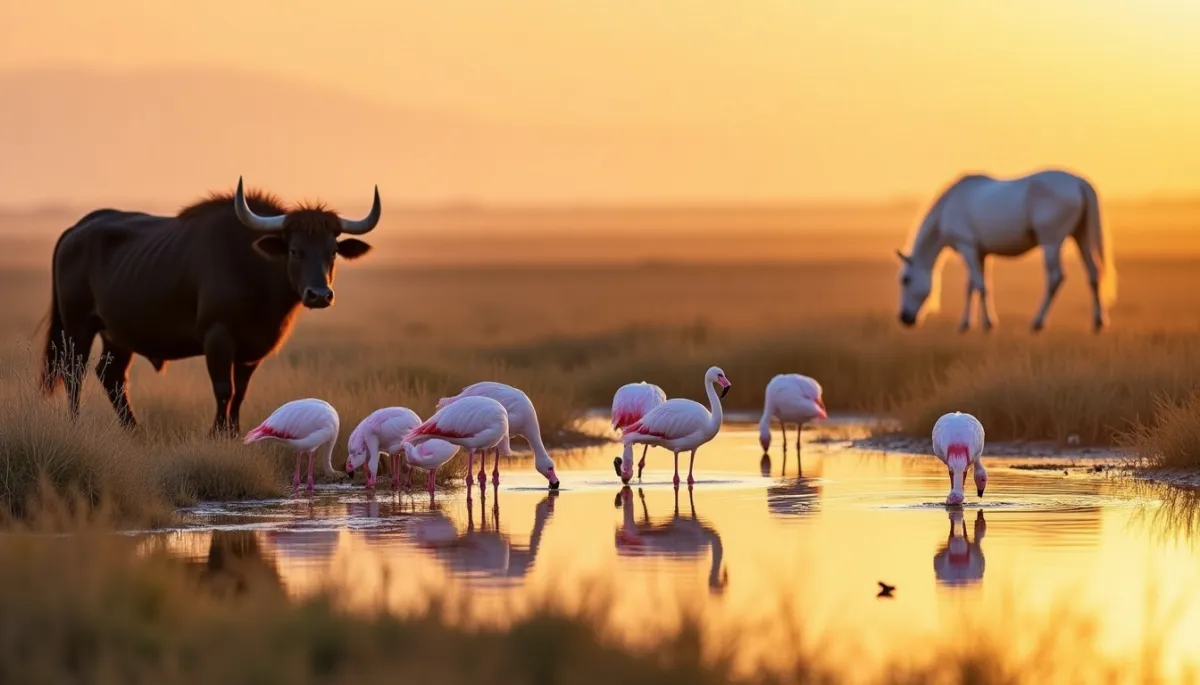
Ferrade: At the heart of traditional marking of young bulls
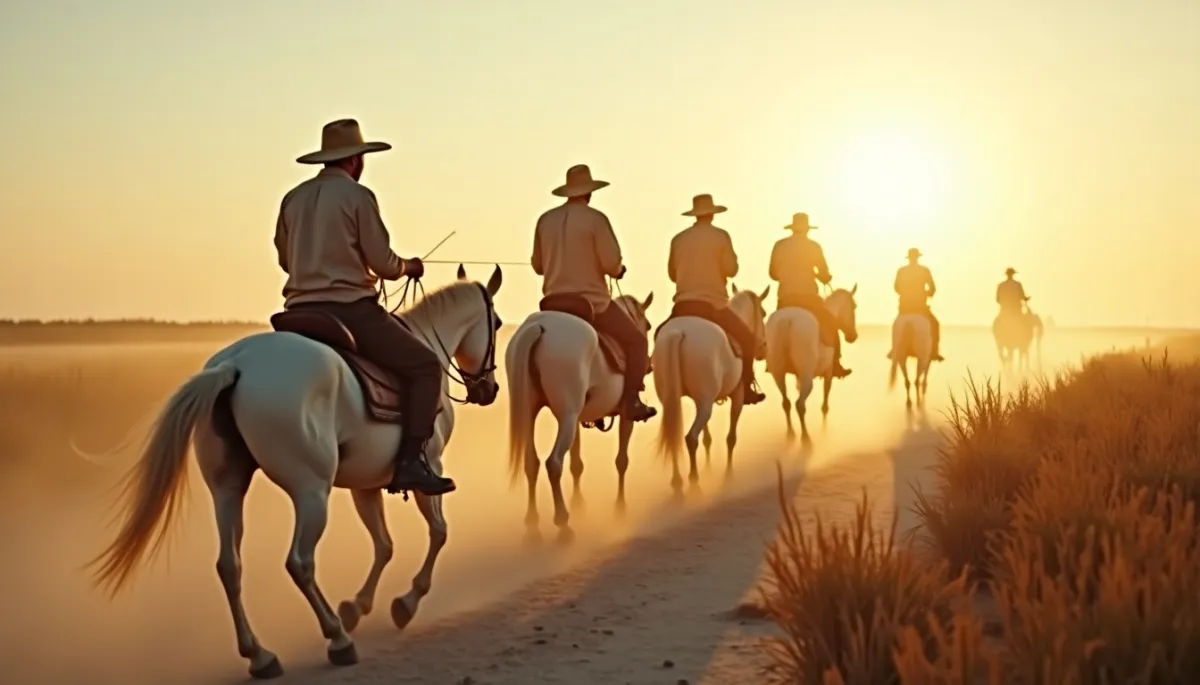
The ferrade is the spring heartbeat of Camargue manades, when gardians on white horses gather the herd to mark the young taurillons. This rite blends identity, economy and identity, rooted in centuries of pastoral practice.
🚀 Key Takeaways
- Core concept : The ferrade is the traditional roundup and hot-branding of young bulls (taurillons) in the Camargue.
- Practical tip : Attend in spring, follow gardians' instructions, wear boots and stay in spectator zones.
- Did you know : EU rules (Regulation 1760/2000) made ear tags the official ID, but ferrade remains a cultural practice.
Le coucher de soleil embrase la dalle salée, et la poussière se lève quand une dizaine de gardians jaillit à cheval.
You feel the rhythm before you see it: a band of white Camargue horses, lassos twirling, the low bellowing of young taurillons. The scene is at once agricultural and ceremonial. Men and women in wide-brimmed hats guide the herd into a corral, the air scented with brine and hay. For a few intense hours, the manade hands its next generation an invisible document of belonging.
marque et mémoire
The ferrade (from the French 'fer', iron) is primarily the marking of young bulls with the manade's brand. Practically, it identifies ownership, asserts lineage and protects the breeder's investment. In Camargue vocabulary, a 'taurillon' is a male bovine not yet five years old, raised in a 'manade', the extensive herd system specific to the region.
Historically, the practice predates modern regulations. Farmers used hot iron brands to prove origin and deter theft. Over centuries the brand became a heraldic sign: a stylized symbol pressed into an animal's flank, visible across the marshes.
More than a stamp, the ferrade is social. It gathers manadiers, gardians and sometimes neighbors for a shared labor that strengthens ties and transmits know-how. It is where young seasonal helpers learn to rope, handle horses and read bovine behavior.
pourquoi encore aujourd'hui
Why does the ferrade persist in the 21st century? First, it is a practical operation in an extensive system: calves born in the open need to be controlled, counted and identified before grazing seasons and bull selections. Branding remains a rapid and visible sign in the field.
Second, culture and identity anchor the ritual. Figures like Folco de Baroncelli (1869-1943) helped promote and codify Camargue traditions from the late 19th century onward, valorizing the gardian's role and customs such as the ferrade, the abrivado and the course camarguaise.
Third, many manades open their ferrades to the public as an educational moment. Visitors discover the teamwork of gardians, the subtleties of horsemanship and the resilience of pasture-based breeding, usually between April and June, depending on births and tides.
entre technique et débats
The process is technical. Gardians work in well-practiced teams. Horses are trained to flank and hold; lassoing and immobilizing a calf requires precision to avoid injury. The hot iron is applied briefly; veterinarians often supervise, and modern practice emphasizes speed and minimal stress.
Legal and ethical debates surround the ferrade. Since the EU introduced bovine identification systems (Regulation 1760/2000), official traceability relies on ear tags and passports. Branding is no longer the sole legal identifier, and animal welfare concerns have prompted some manades to adopt less invasive methods, such as discreet branding, freeze marking, or additional electronic identification.
Despite controversies, many gardians argue that when performed by experienced teams, the ferrade is no more harmful than other routine veterinary acts. The dialogue continues between tradition bearers, veterinarians, and animal welfare advocates, pushing practices toward transparency and improved care.
conseils pour assister
If you plan to attend a ferrade, choose a manade that offers public access and a guided visit. Spring is the best season; check dates in advance. Wear sturdy footwear and long pants, and keep children under close supervision.
Observe the gardians' instructions. Do not attempt to touch animals or horses, and remain in designated spectator areas. Bring binoculars, a camera, and respect the rhythm of the event: pauses, concentrated work, and moments of celebration when animals are released back to pasture.
Ultimately, the ferrade is a window into Camargue's living culture: a working ritual that binds land, animal and human craft. To witness it is to perceive how identity is written on hides, and how a symbol of ownership can also become a story told across salt flats and reed beds.