Gardian games: sparrow, scarf and riding skill
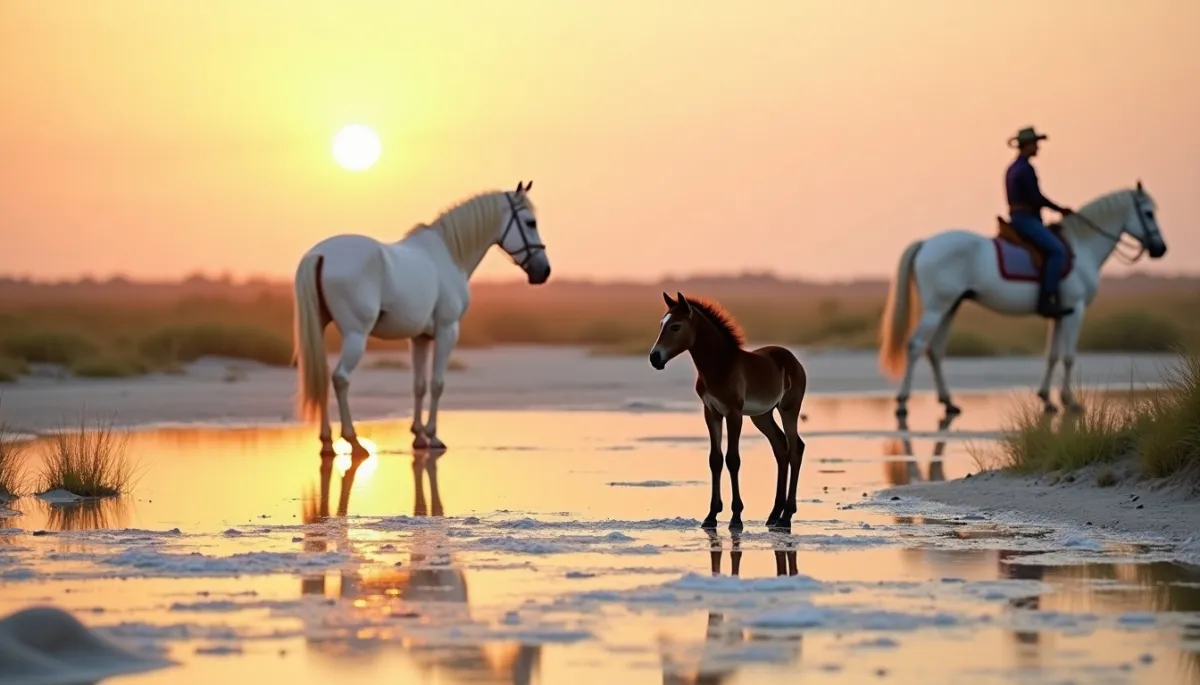
In the low light of a Camargue morning, riders and horses move like one shadow across the salt flats. From playful drills to public spectacles, gardian games train the agility that tames the marshes.
🚀 Key Takeaways
- Core concept : Traditional training games that build speed, precision and teamwork among gardians and Camargue horses.
- Practical tip : See demonstrations during festivals in Saintes-Maries-de-la-Mer or by visiting a manade at dawn.
- Did you know : Folco de Baroncelli helped institutionalize these traditions with the Nacioun Gardiano in 1909.
It is pure movement.
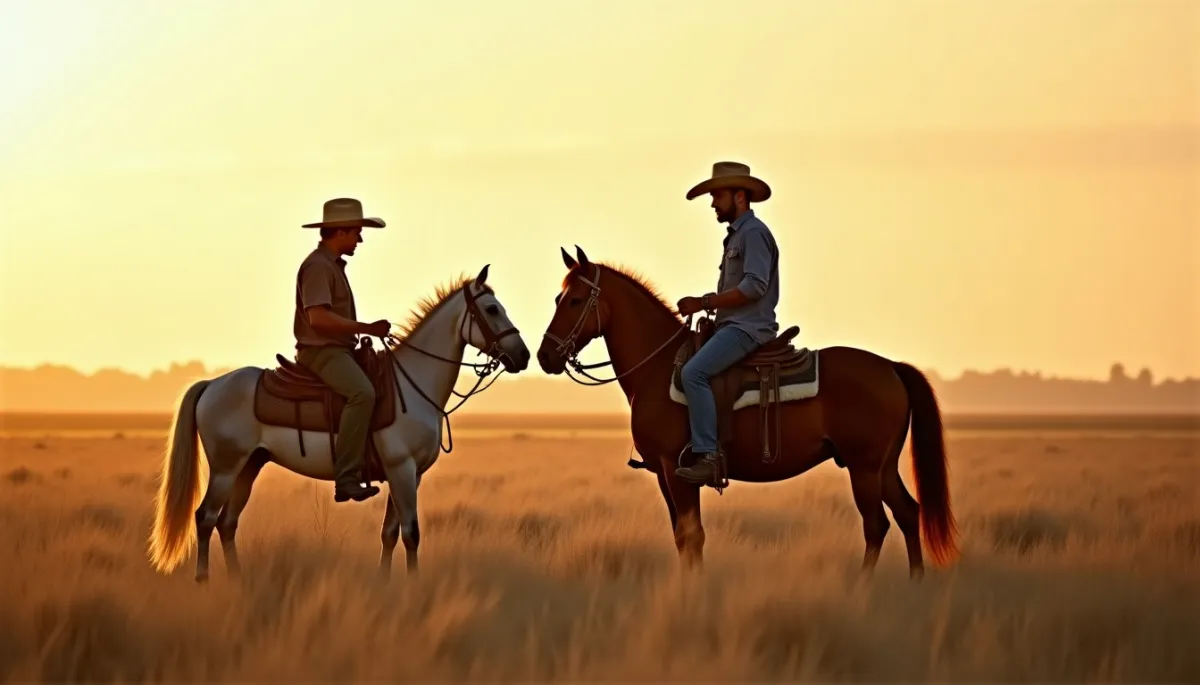
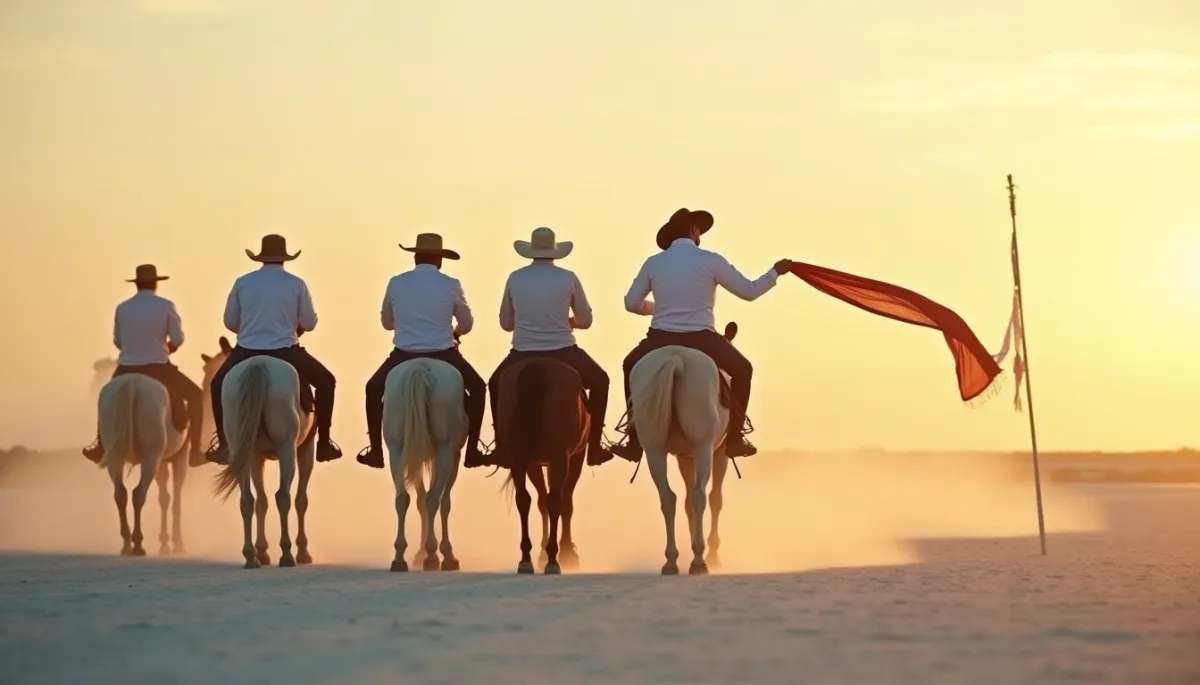
Imagine a sun rising over saline pans, a small herd of grey Camargue horses stamping the dust, and riders in white shirts and broad-brimmed hats urging their mounts into sudden turns. Children and elders watch as a gardian snatches a fluttering scarf at full gallop, then laughs and hands it back. The scene is at once training, ritual and festival.
jeux vivants
When we speak of gardian games we mean exercises that sharpen reflexes, test balance and build the intimate dialogue between horse and rider. The names vary by locality, but three recurrent motifs appear: the épervier, the écharpe and general exercises of adresse à cheval.
The épervier can be imagined as a tag on horseback. One rider, the pursuer, chases others to touch a garment or seize a marker. It develops burst speed, rapid direction changes and reading of herd movement. Riders use small signals, shifts of weight and subtle rein aids to outsmart opponents on soft ground.
Écharpe refers to games where a scarf or band is snatched, often from a pole, from a passerby or between riders. The goal is not brute force but precision: reach, lean, hand-eye coordination and trust in the mount. It is both a playful test and a way to accustom horses to unusual gestures.
racines et gestes
The origins of these practices are practical. Gardians worked cattle in marshes and needed to mount, dismount, turn quickly and manipulate ropes and flags. Over the 19th and 20th centuries, informal training evolved into spectacle as local fairs and pilgrimages of Saintes-Maries-de-la-Mer drew crowds.
Folco de Baroncelli-Javon, born in 1869 and active until his death in 1943, was instrumental in preserving Camargue culture. In 1909 he helped found the Nacioun Gardiano to protect regional traditions, and his fêtes promoted the horse skills that today form the backbone of public demonstrations.
Manades, the free-range breeding herds of the Camargue, supplied the horses and riders. The Camargue horse, compact and hardy, with its typical grey coat, is especially suited to these games. Its agility and calm allow riders to perform the abrupt movements required by épervier and écharpe.
entre rite et défi
These games are not without tensions. Modern safety standards, tourism and competition have transformed some practices into staged shows. Purists lament loss of spontaneity, while organizers seek to protect riders and animals through rules and insurance.
Yet the contradictions can be fertile. Formalized demonstrations help finance manades and keep young people in the métier. At the same time, many gardians resist pure spectacle by continuing private drills at dawn, preserving the improvisational skills that a public ring cannot fully reproduce.
For a visitor eager to learn, the advice is simple. Go to a manade, ask politely for a demonstration, and attend the Saintes-Maries-de-la-Mer events that showcase both working methods and ceremonial pageantry. Wear comfortable shoes, keep a respectful distance from herds, and listen to the gardians, who are always ready to explain a trick or the meaning of a gesture.
In Camargue, games are more than sport. They are a language of survival and celebration, passed from hand to hand, rein to rein, across salt and reed.