The gardian's trident: history, making and secret uses
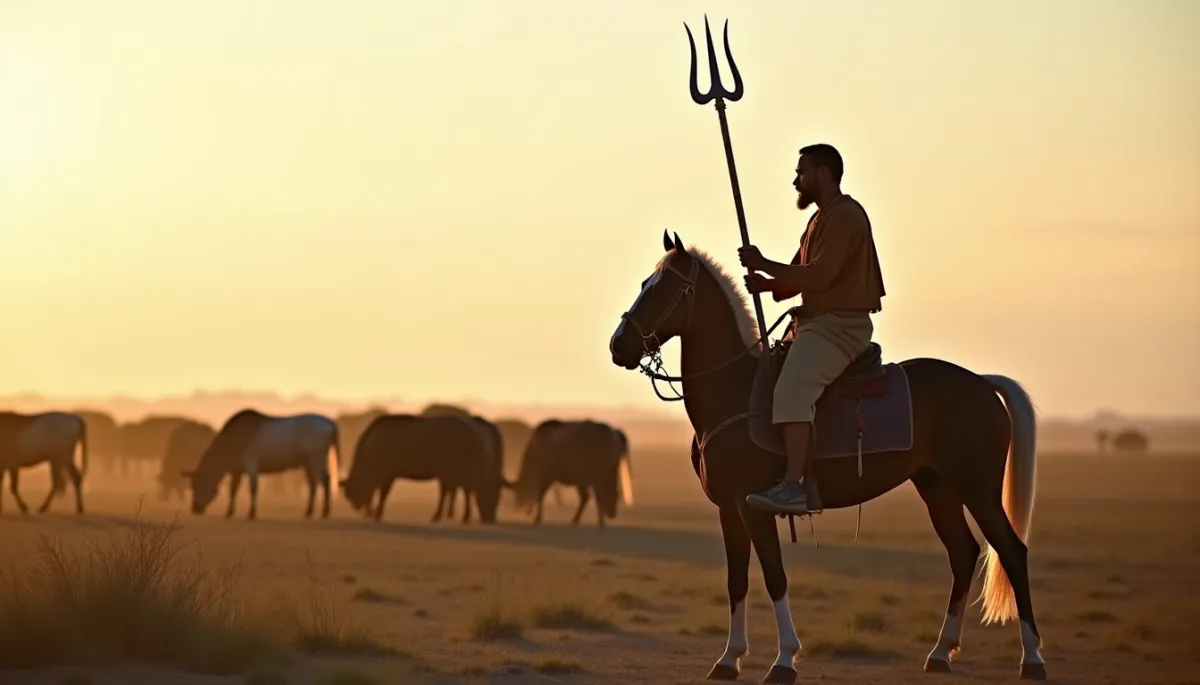
In the marshes of the Camargue, a three-pronged tool governs herds and traditions. From folksmiths to modern manades, the gardian's trident carries practical rules and symbolic weight.
🚀 Key Takeaways
- Key concept : The trident is both a working fork and a cultural emblem of the gardians.
- Practical tip : Keep the wooden shaft oiled and the tines heat-treated to avoid bending.
- Did you know : Folco de Baroncelli helped shape modern Camargue identity and promoted the tools and ceremonies of the gardian since the early 20th century.
It is compact and unmistakable.
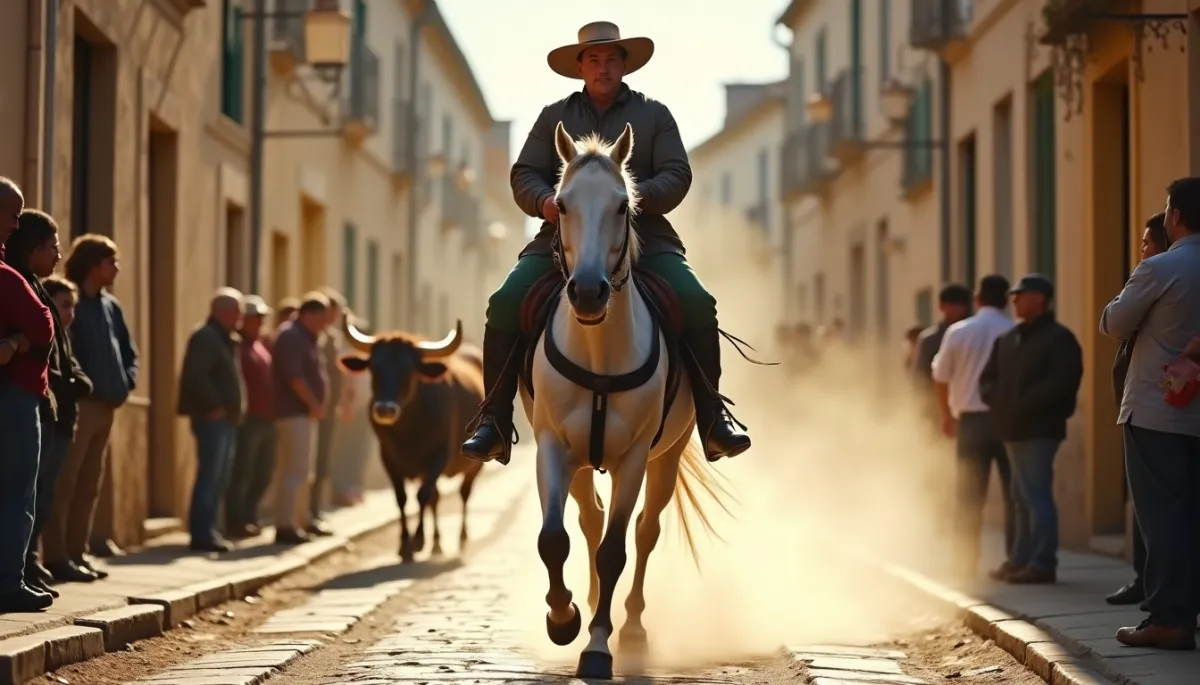
Imagine a dusty morning at the mas, light low on reeds and salt, a gardian in wide-brimmed hat vaulting into the saddle. His horse steps between bulls, the trident balanced against the saddle, ready to direct a head, prod a flank, or steady a halter. The sound of iron on leather, horses sniffing the salt air, that is the scene where the trident proves itself.
outil et emblème
The trident of the gardian is a three-pronged pole tool used mainly to handle bulls and horses in the Camargue. It is distinct from a herding stick by its metal tines, usually forged from steel, and its role close to the horns or neck of the animal. The tool is practical: to hook a halter, to prevent a bull from turning abruptly, to nudge a frightened foal without injuring it.
Beyond function, the trident is an emblem. Since the late 19th and early 20th centuries, as Camargue identity consolidated under figures such as Folco de Baroncelli-Javon, the gardian's tools became markers of a living culture. The trident appears in photos, festivals and the insignia of some manades (herds).
In manades across Arles, Saintes-Maries-de-la-Mer and the marshes, elders will recount small differences: number of tines, length of shaft, or the angle between prongs. Each element reflects a maker's choice and a manade's practice.
forge et geste
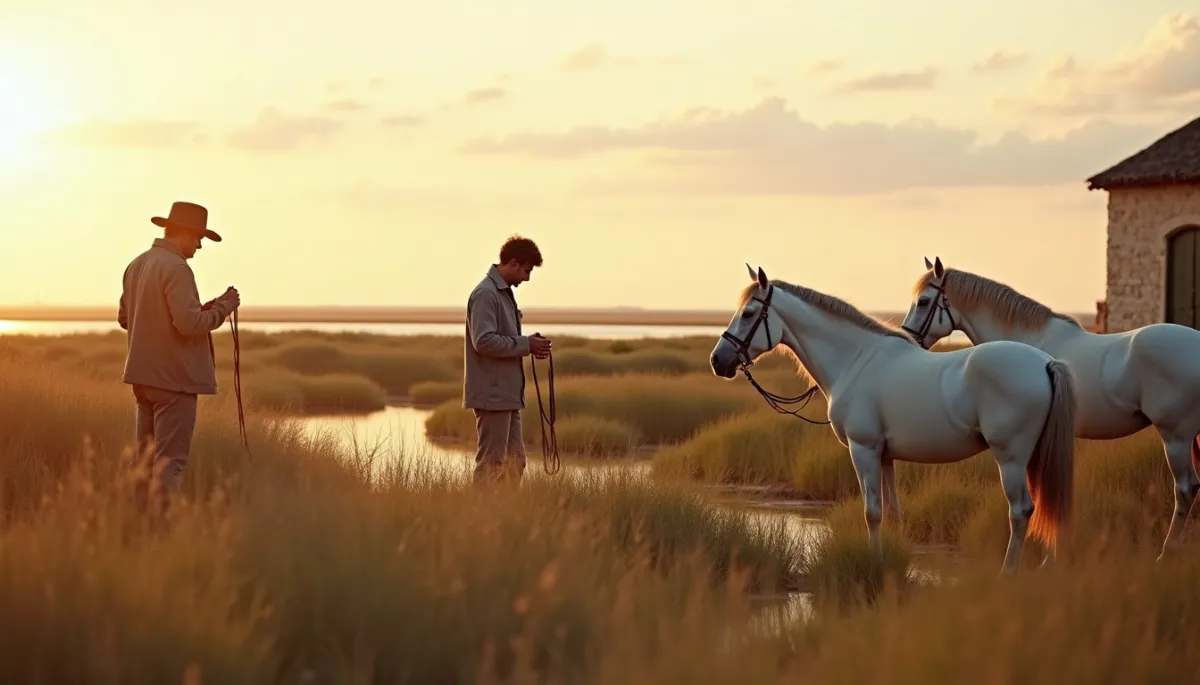
Traditional fabrication mixes blacksmith work and carpentry. The head is forged in tempered steel to withstand shocks without snapping. The three tines are often hammer-forged and flattened at the tips to avoid puncturing. The shaft comes from resilient wood, such as ash or poplar, selected for lightness and shock resistance.
In the workshop the blacksmith will rivet or weld the metal socket to the shaft. Craftsmen often heat-treat the tines to improve elasticity. Finishing touches include polishing the metal and oiling the wood, sometimes wrapping the grip with leather to improve handling in wet conditions.
Modern tridents can use stainless steel or composite shafts, but many gardians prefer traditional materials for balance and feel. A well-made trident lasts decades when maintained; owners file rust, re-oil wood, and check that the socket remains tight.
techniques sur le terrain
Using the trident requires timing and respect. A gardian approaches animals from the side and never strikes the head. The tool is used to channel motion, to press gently on a flank, or to hook a halter so a bull can be guided without force. The three prongs distribute pressure and reduce the risk of injury compared to a single point.
Experienced gardians use subtle gestures. To stop a bull’s pivot, they plant the trident behind its shoulder and give a firm but brief pressure, the horse providing the counterforce. To separate animals, the trident can be slid between necks, creating a physical barrier while keeping hands away from horns.
Safety is taught from apprenticeship. Young gardians learn to read the animal’s eyes, to judge distance, and to keep a free hand to calm a horse. The trident is a tool of cooperation, not domination.
histoire et héritage
Historically, the gardian profession crystallized as rice cultivation, salt works and cattle breeding shaped the Camargue landscape. From the 19th century, the management of manades required tools adapted to wide marshes and strong bulls. The trident emerged as a local solution, refined over generations.
Folco de Baroncelli-Javon, active from the late 19th century into the 1930s, played a key role in formalizing gardian customs. He founded associations and festivals that made visible the tools and rituals of the marsh. Photographs from the 1920s show gardians with tridents at round-ups and celebrations.
Today the trident remains present in practical life and in cultural events such as round-ups, the ferias of the region, and the Nacioun Gardiano gatherings. Museums in Arles and local heritage centers display historic tridents alongside saddles and bridles.
contradictions et défis
As tourism grows, the trident faces reinterpretation. Souvenir replicas appear everywhere; some are decorative, others poorly made. This commercialization can flatten the tool into a mere icon, detached from its technique and rules of use.
At the same time, modern animal welfare standards push manades to adapt. Practices change to be gentler and more transparent. Many professional gardians combine respect for tradition with veterinary protocols and non-invasive handling methods.
Preservation depends on transmission. Apprenticeships, local schools and events where elders demonstrate the correct fabrication and handling are essential. The trident will retain meaning if it remains a working object, learned hand-to-hand in the marshes that shaped it.
For visitors: if you encounter a gardian, observe first, ask permission before touching the tool, and value the craft by buying from local makers when you can. For those curious about making one, consult a qualified blacksmith and favor heat-treated steel and seasoned wood. The trident is simple to look at, complex to use well, and rich in the salt of the Camargue.