High Country stations: The isolated life of New Zealand runholders
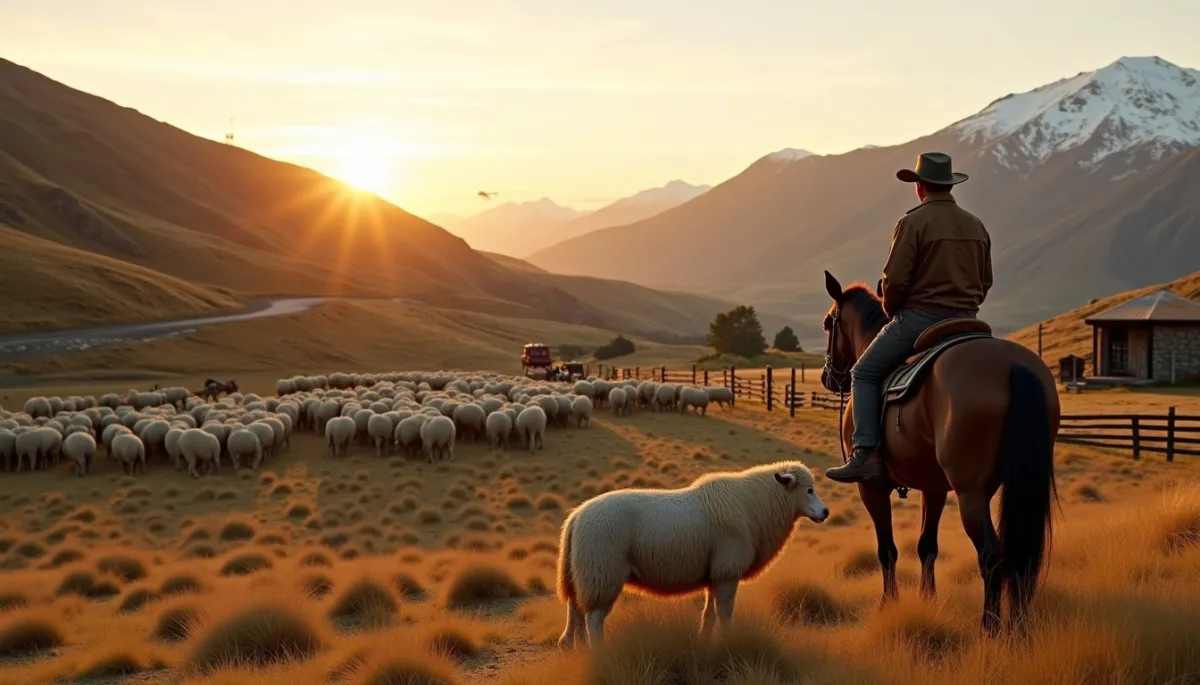
High country stations sit above tree-line in New Zealand's South Island, where long ridges and tussock basins frame lives lived far from towns. From century-old homesteads to helicopter musters, these properties embody a rural solitude both timeless and changing.
🚀 Key Takeaways
- Key concept : High country stations are large pastoral runs in alpine basins, often hundreds to tens of thousands of hectares, focused on sheep and beef farming.
- Practical tip : Visit in late spring or summer, check road and farm access, and respect runholders and biosecurity rules.
- Did you know : Molesworth is the largest station in New Zealand; helicopter mustering became widespread from the 1970s.
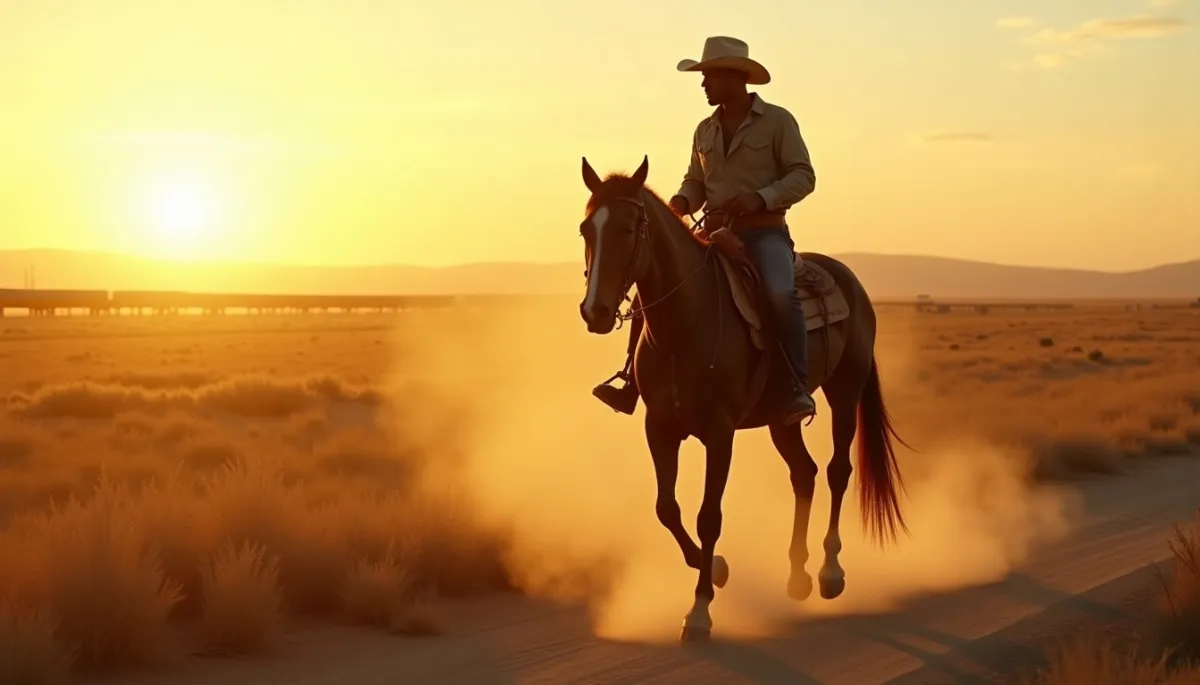
Silence that speaks: you feel it before you see it. A dog calls, a horse shifts in its pack, and a low sun paints the tussock gold as sheep scatter along a stony spur.
Solitary horizons
High country stations are sprawling pastoral properties on the South Island's eastern ranges and intermontane basins, places like the Mackenzie, the Lindis, and the Marlborough high country. Their elevations often exceed 600 metres (2000 feet) and summer pastures stretch into alpine saddles.
These stations vary in size. Molesworth Station, in Marlborough, is the best known and the largest public high country station. Private properties such as Mount Nicholas, near Glenorchy, are smaller but offer the same sense of scale and seclusion. Runholders (the local term for station owners) manage thousands of hectares rather than simple family farms.
Daily life follows land and weather. Mustering is central: traditionally on horseback, increasingly by helicopter for steep country. Sheep breeds like Merino and Romney dominate. The rhythm is seasonal—lambing in spring, muster and drenching in autumn, and snow checks in winter.
Roots and reasons
The high country story began with 19th century pastoral expansion. From the 1850s, British settlers and entrepreneurs took pastoral leases across the South Island, attracted by extensive tussock lands. The Otago gold rush of the 1860s accelerated roadbuilding and demand for meat and wool.
Technological changes shaped the industry. The advent of refrigerated shipping from the late 19th century opened export markets for meat and wool. In the following century, tractors, motorbikes, and from about the 1970s, helicopters, transformed how runholders moved stock across steep terrain.
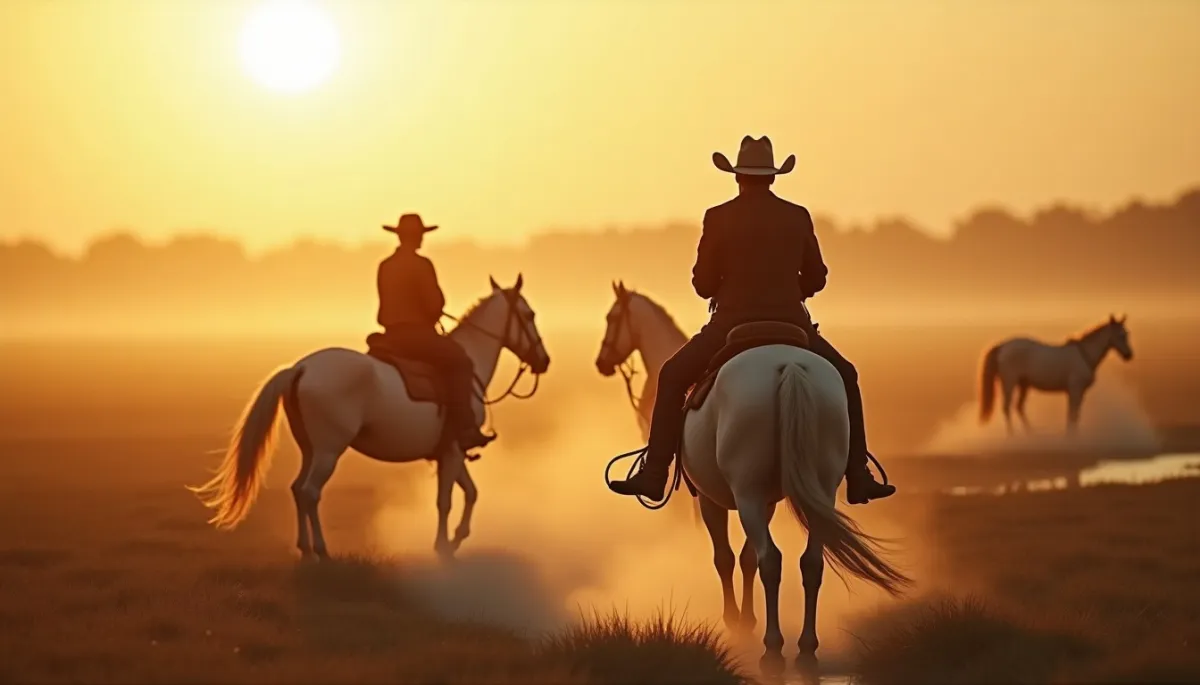
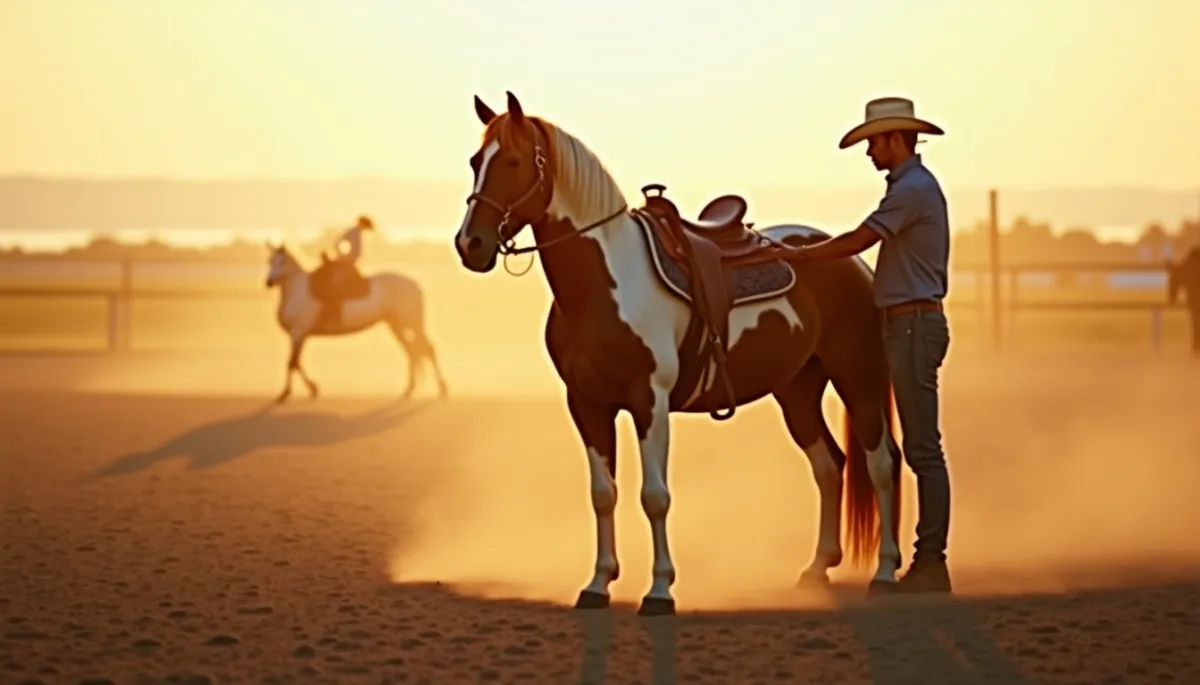
Socially, stations produced a distinctive culture: station hands, stockmen and women, and family homesteads invested in horsemanship, dog work, and a practical autonomy. Comparable to the Camargue gardian, New Zealand stockmen developed local festivals, pony clubs, and rodeo circuits that celebrate horsemanship.
Between tradition and modernity
Today, high country stations confront competing pressures. Sheep numbers in New Zealand peaked in the late 20th century (around the 1980s) and have since declined, prompting many stations to diversify into beef, deer, tourism, farm stays, and conservation partnerships.
Conservation is a major theme. Some stations work with the Department of Conservation (DOC) and iwi to protect native tussock, control pests, and manage public access. Molesworth, for example, has public recreational use alongside pastoral leases, which creates both opportunity and tension.
Isolation persists, yet connectivity grows. Satellite internet, farm drones, and helicopter services reduce risk and open income streams, while also altering traditional skills. Visiting runholders today often combine hands-on stockwork with business planning, tourism hosting, and environmental stewardship.
Practical notes
For travellers: check access. Many high country roads are seasonal, unsealed, and subject to river crossings. Ask permission before crossing private land, and follow biosecurity measures (clean footwear and gear) to avoid spreading weeds or disease.
Best times to visit are late spring through early autumn. Respect lambing season in spring and muster activity in autumn. If you want to experience muster life, look for organised station stays or guided helo-muster experiences run by several stations close to Queenstown and Wanaka.
And a final thought: like the gardians of the Camargue, New Zealand runholders balance a love of horses and the land with the hard reality of markets and weather. Their solitude is a craft, passed down and reshaped, a way of living that remains one of the Southern Hemisphere's most dramatic rural stories.