Iberian blood: how Mexican mounts created the mustang myth
From 16th-century ships to the open plains, Iberian horses reshaped the American West. This is the story of how Mexican mounts, vaqueros and feral herds forged the mustang's legend.
🚀 Key Takeaways
- Core concept : Mustangs descend largely from Iberian horses introduced by the Spanish via Mexico in the 16th century.
- Practical tip : To see living links, visit Pryor Mountains (MT/WY), Assateague Island (MD/VA) or the Camargue in France.
- Did you know : The word mustang comes from Spanish mestengo or mesteño, meaning stray or ownerless animal.
A wild neigh that has crossed oceans.
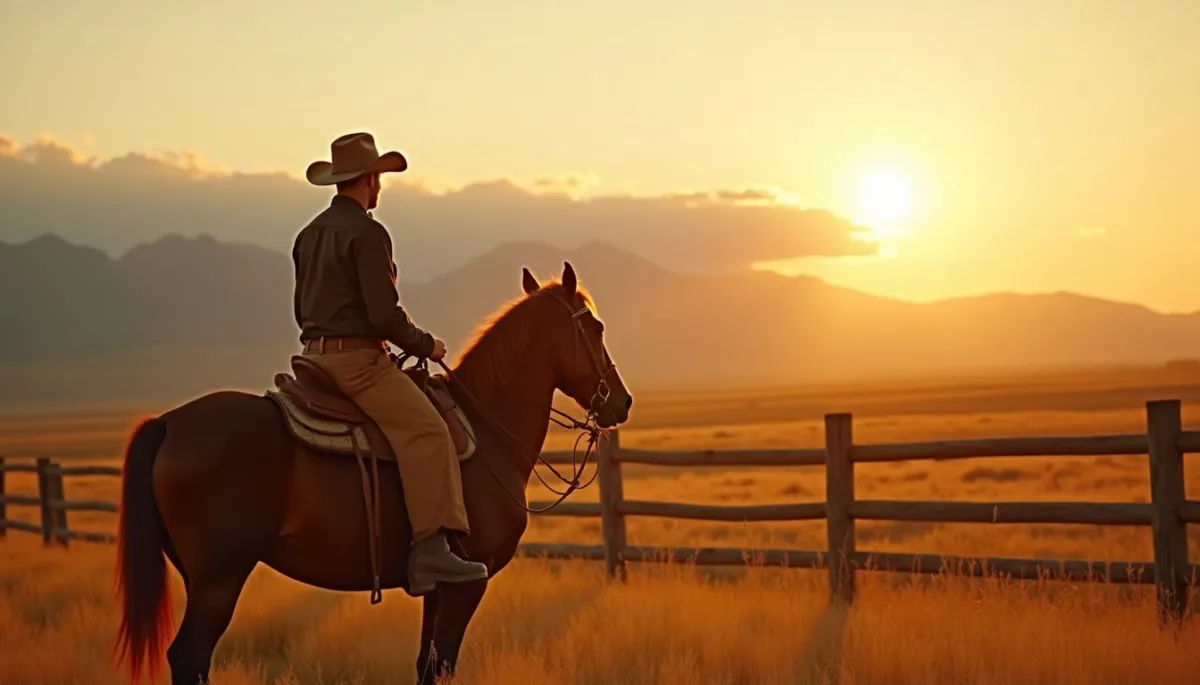
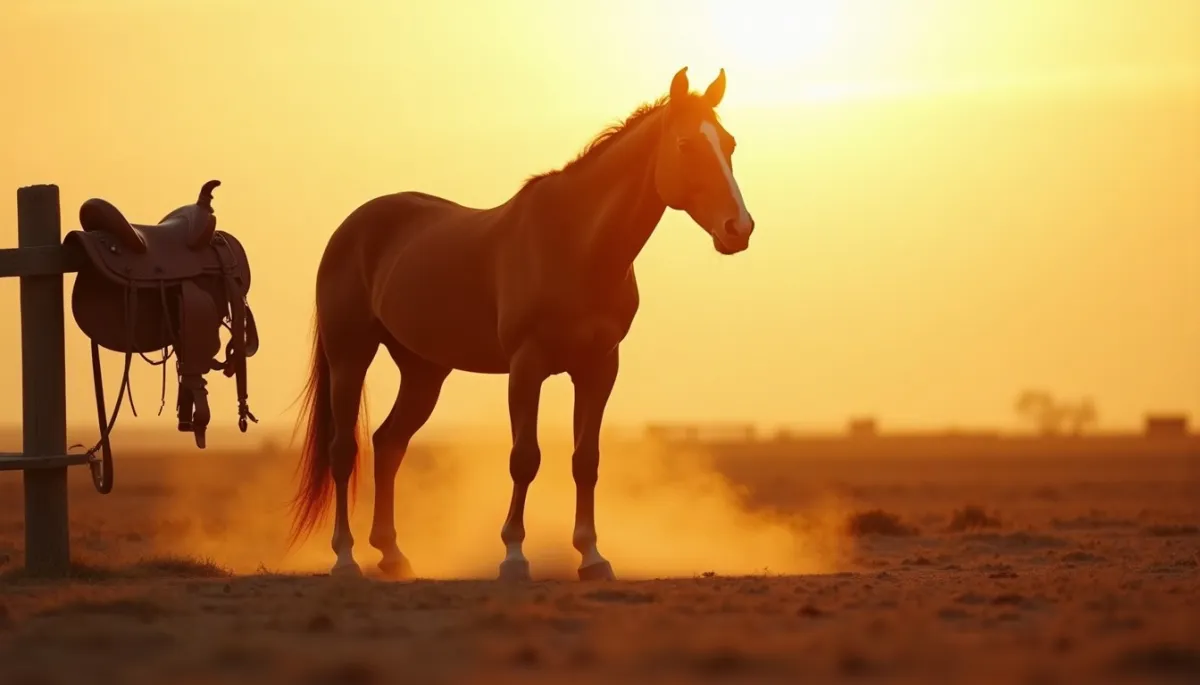
Imagine a low-slung colonial saddle glinting at sunrise on the rim of a Texas plain, a small, muscular horse snorting steam into cold air. The scene is part myth, part history. The animals we call mustangs carry on their backs centuries of crossings, ship decks, Mexican ranches and frontier raids, and they still shape how we see the West.
Sang ibérique
Mustangs are not a single breed, but a mosaic of bloodlines. Much of that mosaic traces to Iberian stock, breeds like the Andalusian and other colonial Spanish types brought to the Americas by conquistadors in the early 1500s.
Hernán Cortés landed horses in Mexico in 1519, and by the 1540s expeditions such as Francisco Vásquez de Coronado's carried horses north into what is now the southwestern United States. Those animals escaped, were stolen, or released, and over generations formed feral herds adapted to plains and river valleys.
The name mustang derives from Spanish mestengo or mesteño, a term for stray animals. By the 19th century, Anglo-American cowboys borrowed techniques and equipment from Mexican vaqueros, and the horse itself became the symbol of a continental frontier. In 1971, the US Congress passed the Wild Free-Roaming Horses and Burros Act, acknowledging the cultural value of these animals.
Des montures mexicaines
Why Mexico? Because Iberian horses were first established there. Spain's colonial economy relied on cavalry and stock, and the rugged, compact Iberian types proved hardy in new climates. Mexican ranch culture created a pool of animals and skills that later spread north.
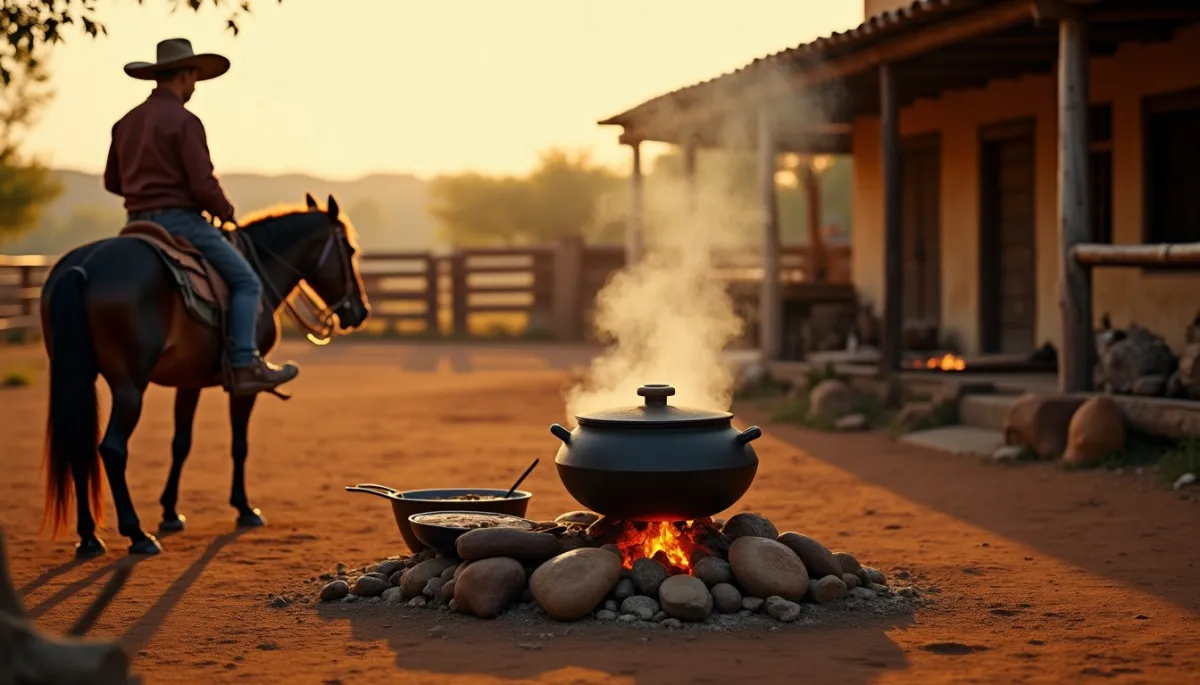
The vaquero tradition, born in 17th–18th century Mexico, taught rope work, herding methods and saddle design. Terms and tools crossed languages: reata became lariat, chaparreras became chaps, and the hackamore and rawhide techniques influenced American horsemanship.
Anecdotes persist: in the mid-1800s, Texan cattle drives worked on horses that were often descendants of Mexican stock. Photographs and early film helped fix the image of the nimble, sure-footed colonial horse in the public imagination, a direct line to the mustang legend.
Libre et raillé
Yet the mustang story is full of contradictions. Seen as a symbol of freedom and of wild America, mustangs are also at the center of ecological and land-use disputes. Ranchers, conservationists and federal agencies disagree about grazing, water resources and population control.
Genetic studies since the late 20th century have sought to identify pure Colonial Spanish lines, leading to preservation efforts for the so-called Colonial Spanish horse. Organizations and sanctuaries work to protect genetic heritage while managing herds in fragile ecosystems.
If you travel to see them, do so respectfully. View from a distance, support accredited conservation groups, and learn local stories. For a Camargue parallel, watch the gardians working with white Camargue horses; the relationship between rider, tradition and semi-feral herds echoes the Mexican vaquero and North American mustang history.
Practical tips: visit Pryor Mountains Wild Horse Range to observe managed herds, or Assateague for the brackish-marsh ponies. In Europe, the Camargue keeps alive a living link to pastoral, semi-wild horse cultures. Knowing their shared Iberian roots enriches every ride.