Jewish cowboys of the West: forgotten pioneers of the frontier
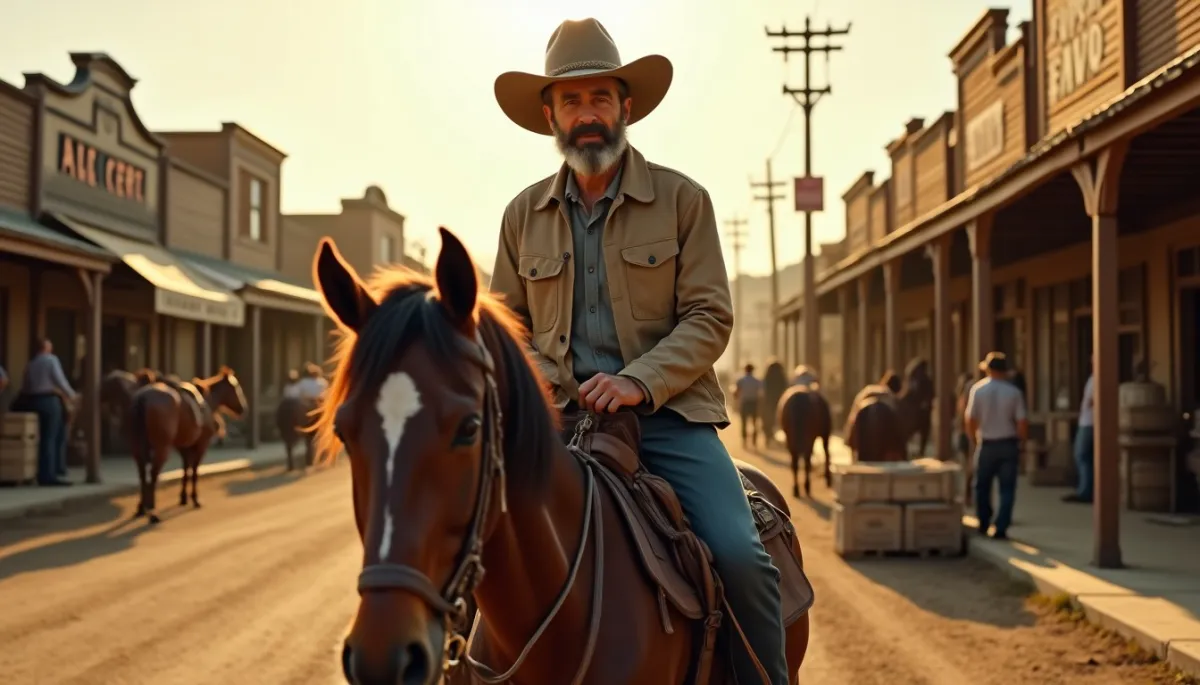
From boomtowns to cattle trails, Jewish men and women found a place on the American frontier. Their stories, too often left out of Western lore, reveal a surprising mix of tradition, grit and adaptation.
🚀 Key Takeaways
- Key concept : Jewish settlers served as merchants, ranchers and sometimes cowboys across the West from the 1840s to the 1900s.
- Practical tip : Visit Deadwood (South Dakota) and San Francisco to trace tangible traces of this history.
- Did you know : Levi Strauss, who set up in San Francisco in 1853, helped outfit miners and later cowboys with durable denim.
The West wore many faces. Imagine a dusty main street at dusk, an iron stove in a mercantile, a rabbi's prayer shawl folded beside saddle blankets.
shadows on the trail
In the late 19th century, Jewish men and women arrived in the American West amid gold rushes, railroad expansion and the Homestead Act of 1862. They were not a single type. Some were German-Jewish merchants who had come during the 1849 and 1850s Gold Rush to San Francisco, others were Eastern European newcomers who reached the Plains after 1880.
On trails that stretched from Texas to Montana, Jews acted as outfitters, shopkeepers and lenders. In boomtowns like Deadwood, South Dakota, and mining camps in Nevada, Jewish-owned stores sold boots, coffee and provisions crucial to cowboys and prospectors.
Not all Jewish frontier figures were confined to shops. A number worked on ranches and cattle drives between 1866 and 1890, learning to rope, brand and ride. These individuals often blended frontier skills with communal roles, hosting services in storefronts or setting up charity drives for newcomers.
routes and reasons
The reasons Jewish settlers moved West were practical and urgent. Economic opportunity was central: commercial niches opened where few others served. The Gold Rush of 1849 and the subsequent mining booms created demand for merchants who could import goods and credit.
The Homestead Act offered land; some Jewish families tried farming or ranching on the Plains rather than staying in crowded Eastern cities. Philanthropic funds, and immigrant networks, made those experiments possible, even if many later left for towns.
Levi Strauss is a telling example. Arriving in San Francisco in 1853, he manufactured hard-wearing canvas and later denim trousers. Although not a cowboy himself, his products became essential to miners and ranch hands, connecting Jewish enterprise to the material culture of the West.
contradictions and echoes
Life on the frontier exposed tensions. Jewish settlers navigated the need to maintain religious life while adapting to violent, rough environments. In many towns, a shopfront served as a synagogue on Friday nights. Antisemitism existed, but so did alliances forged over business and survival.
Public recognition lagged. Popular Western myths emphasize Anglo cowboys, outlaws and sheriffs. The presence of Jewish actors—merchants, civic leaders, occasional mounted hands—was minimized. Yet some rose to civic prominence; for example, a Bohemian-born immigrant, Sol Star, partnered with local leadership in Deadwood and became a notable businessman and civic official.
Today historians are recovering these stories through local archives, cemetery records and newspapers. Museums in towns like Deadwood preserve artifacts, and university studies on immigration and the West place Jewish pioneers back into the map of American expansion.
where to see
For travelers wanting to follow the traces, start in San Francisco to see how immigrant commerce shaped the Pacific gateway. Then head to frontier towns: Deadwood, Tombstone and Dodge City offer museums, guided walks and historic cemeteries where merchant names appear next to cowboys.
Look for small clues: Jewish surnames over old storefronts, inscriptions on tombstones, or objects in local museums. The Adams Museum in Deadwood documents the town's multicultural past, including merchants and civic figures from immigrant communities.
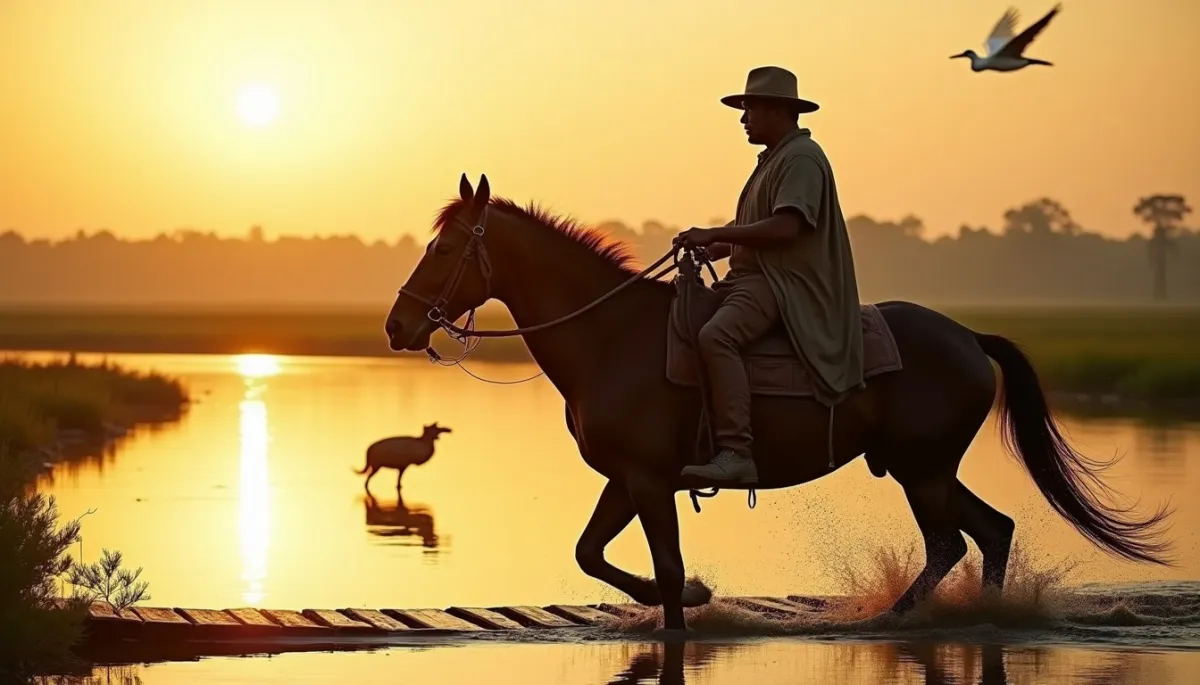
For a Camargue angle, consider how gardians preserve local ritual life while working with animals, much like frontier Jews who blended faith with daily labor. Both cultures honor craft, landscape and community, despite very different histories.
practical pointers
If you research family history, consult synagogue records, local newspapers from the 1870s–1900s, and county land registers. Digital archives and Jewish historical societies increasingly digitize documents relevant to the West.
When visiting, respect local narratives. Many towns have developed heritage tourism; ask guides about immigrant stories and seek out small exhibits. Conversations with local historians often yield anecdotes not in guidebooks.
Above all, these stories remind us the frontier was not monolithic. Jewish pioneers adapted, traded, rode and prayed, contributing to a shared, complicated American past.