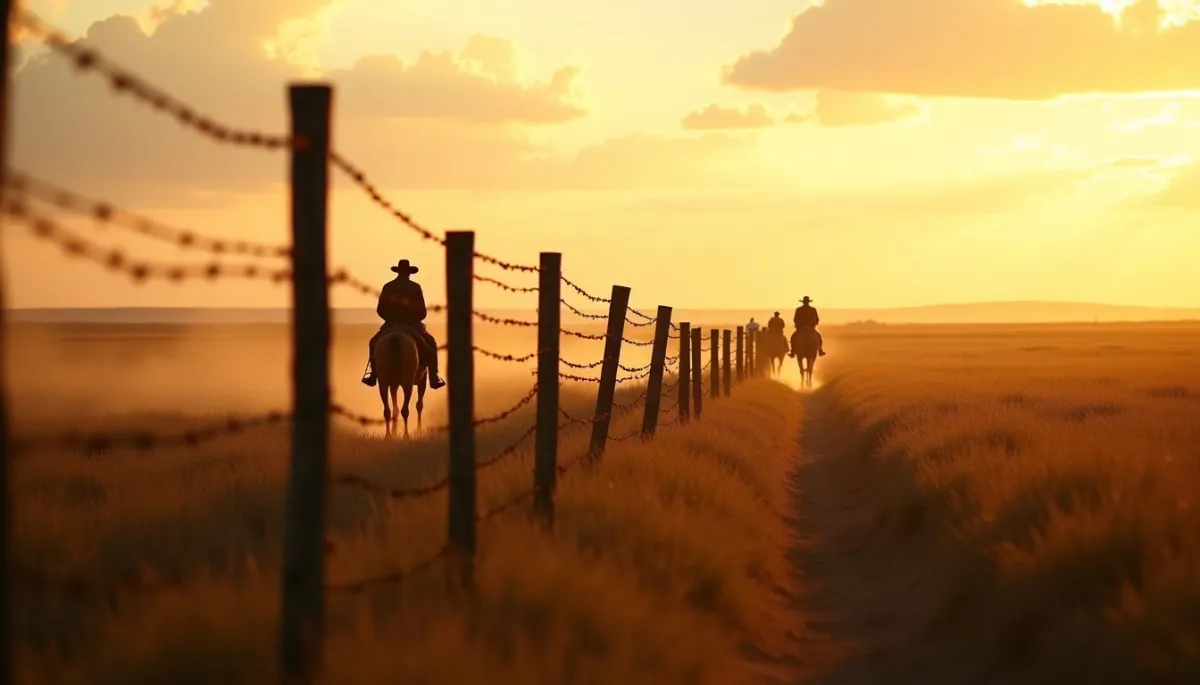
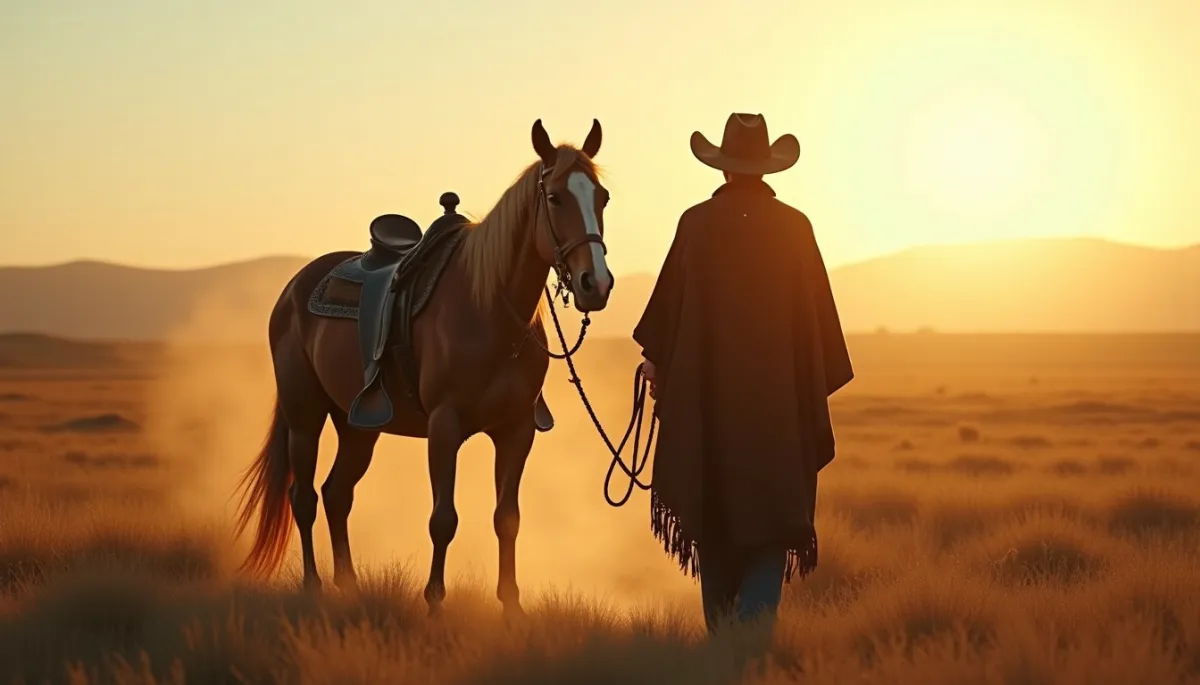
The art of the lasso (maguey) and the traditional equipment of the Mexican vaquero.
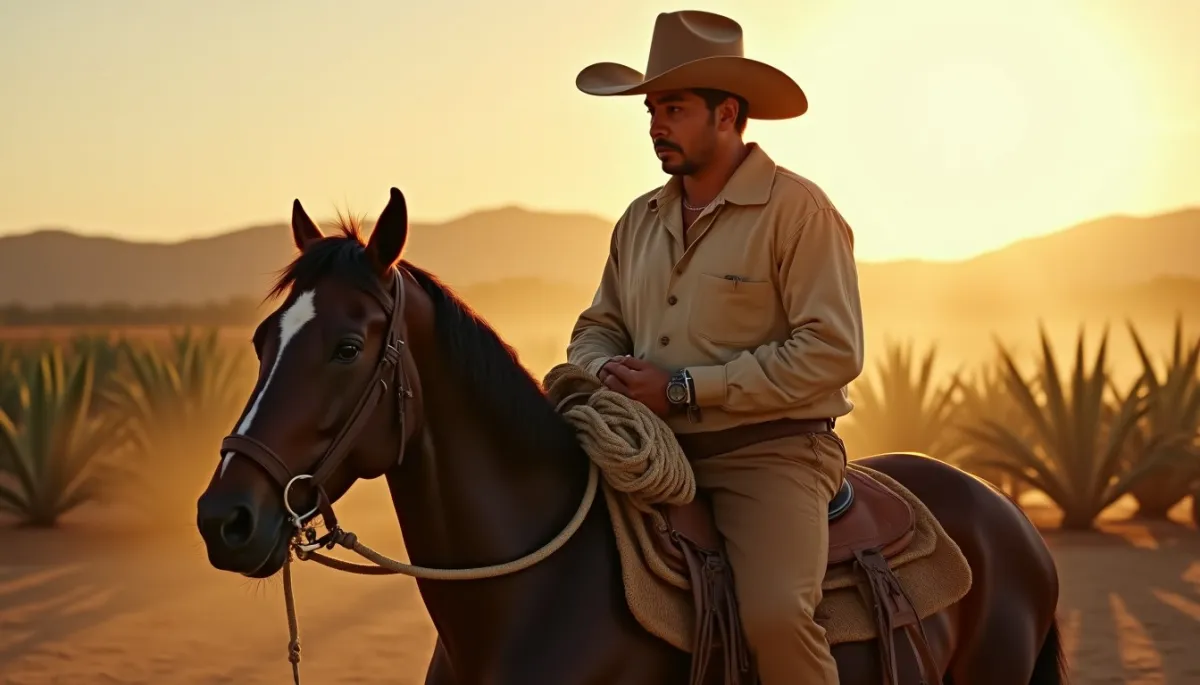
From the first loop to the last clamp, the reata carries a living story.
🚀 The essentials
- Key concept: The reata (lasso) made of maguey fibers (ixtle/pita) is the tool and identity of the vaquero.
- Practical tip: Keeping a maguey reata dry and lightly oiled helps maintain its suppleness; first learn to coil and flick the wrist before casting far.
- Did you know: The techniques and vocabulary of the Mexican vaquero have shaped the traditions of the American cowboy; the word "buckaroo" derives from "vaquero".
The sun cuts through the corral, a vaquero throws a braided rope and the moment is reduced to the arc of the reata.
We feel the heat of the rancho in Jalisco, the smell of the agave leaves drying under the palapa, the slow rhythm of the cattle work at dawn. This spinning rope, called reata, riata or lasso, is not a neutral object. It is a living tool, made of local fibers, mainly maguey (ixtle or pita), then sometimes woven leather or hemp, shaped by hands who have learned at the intersection of Spanish traditions and Mexican lands.
When the rope speaks
On the ground, the reata tells of the seasons. A long maguey reata, thick and rough, was used for generations in the haciendas of Zacatecas and Jalisco to control long-semi-wild livestock. It is the immediate consequence of the work, the response to a concrete need: catching, immobilizing, directing.
Concretely we read stories in the rope. Tradition has it that, in the 19th century, Californio vaqueros showed Texans how to handle the riata. Historic ranches preserve photos where the reata is wrapped around the pommel of the saddle, documenting a material and technical connection between regions.
At contemporary festivals, the reata comes on stage. During charreadas or gatherings in Sonora, artisans still weave maguey the old-fashioned way. A personal memory: a former vaquero from Durango showed me how to coil the rope on the shoulder, a practical and almost ritual gesture that avoids knots and makes the gesture easier.
Where does the rope come from
The primary cause is botanical. Maguey (agave) provides strong fibers, called ixtle or pita, extracted by shelling and drying. These fibers were favored for their strength and availability, before woven leather and industrial materials appeared.
Historically, the techniques are a mixture. Spanish methods introduced in the 16th century were adapted to haciendas and cross-border routes. The vaquero innovated rope lengths, braiding types, and knots suited to the mountains of central and northern Mexico.
The company names complete the image. In large estates, the reata was a sign of status and part of personal equipment, linked to the care of the horse and the respect of the group. Young people learned early; the art of trenzado (braiding) was passed down from master to apprentice, like a living memory.
Furrows and debates: contradictions and future
However, not everything is set in stone. Industrialization brought synthetic fibers and treated leather, more regular but sometimes devoid of soul. Young vaqueros from Álamos or Chihuahua sometimes adopt these modern ropes for durability, while some masters return to maguey for the sensoriality of the object.
Another tension opposes spectacle and labor. The charreada ritualized the equipment, creating a distance from the daily tool. The charro and the vaquero converge and diverge: one stylizes, the other practical. This contradiction fuels debates on the conservation of know-how in the face of modern safety and animal welfare standards.
For the future, local initiatives are trying to find a balance. Artisan workshops in Guadalajara, heritage projects in Chihuahua, teach ixtle weaving. My insider tip: if you come across a maguey reata, test the flexibility and regularity of the braiding and ask the manufacturer. The best ropes bear the patina of the sun and the memory of the corral.