Legendary bulls of Camargue: portraits of biòus who shaped history
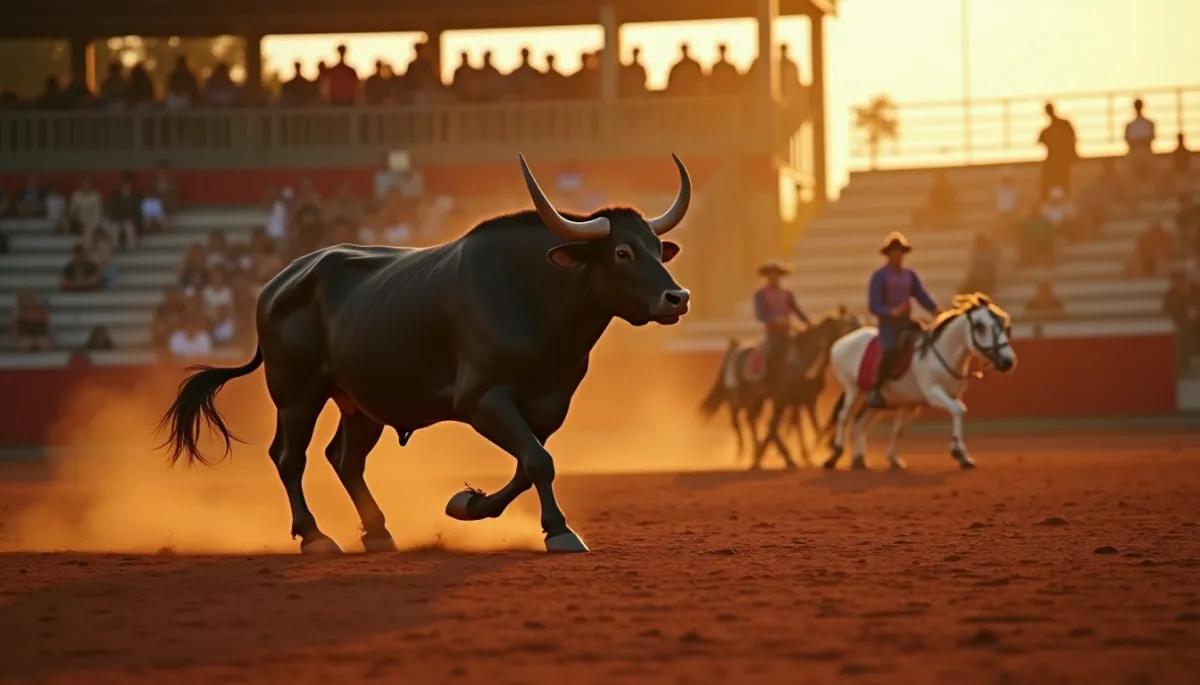
In the salt-scented light of the Camargue, some bulls become names that everybody whispers. These biòus are at once beasts, actors, and symbols, they have shaped arenas, traditions, and local stories.
🚀 Key Takeaways
- Core concept : The biòu is a semi-feral bull central to Camargue identity and course camarguaise.
- Practical tip : Visit a manade at dawn, respect the gardians, and learn the raseteur rules before attending a course.
- Did you know : Biòus are named and remembered by manadiers and raseteurs, creating oral histories as strong as any archive.
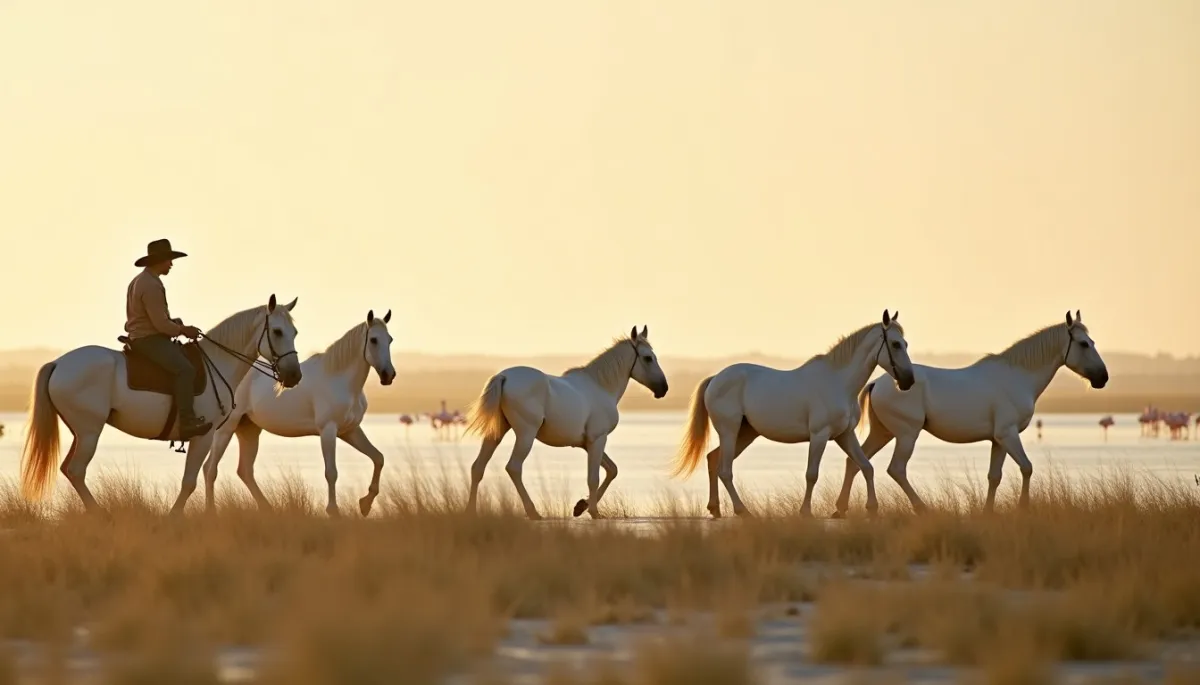
They stop the crowd without ever entering the ring like actors who command silence. Imagine an arena in Arles at sunset, the stands full, the gardians in white on their small Camargue horses, and a single biòu pacing under the light of the floodlamps.
Figures de légende
In Camargue memory, a few bulls become reference points. They are not global celebrities, they are local titans. A biòu can be legendary because of a single act of bravado, a series of escapes, or the way he shapes a raseteur's career.
One common portrait is the "ancien chef", the old leader of the manade. He is usually dark-coated, wide-horned, and has earned his status by dominating grazing marshes and fending off rivals. Gardians recall him in detail, from the notch on his ear to the particular scar on his shoulder.
Another frequent legend is the "têtu fugitif", the bull that upended a procession. These biòus are remembered for sparking an abrivado that ran through village streets, for diving into a marsh and slipping free, leaving a string of stunned spectators. Such scenes feed stories told around local cafés for decades.
A third portrait is the "résistant d'arène", the animal that refused to be humiliated. In course camarguaise, where raseteurs try to take the cocarde from a bull's horn, some biòus are remembered for making that feat nearly impossible. Their names live in the mouth of former raseteurs, who still describe the exact moment when the crowd rose to applaud.
Pourquoi ils comptent
Bulls matter because they anchor practice and identity. The Camargue biòu is not raised for slaughter first, he is raised for life within a manade and for performance in festivals and courses. That difference shapes how people speak about them, and how legends are built.
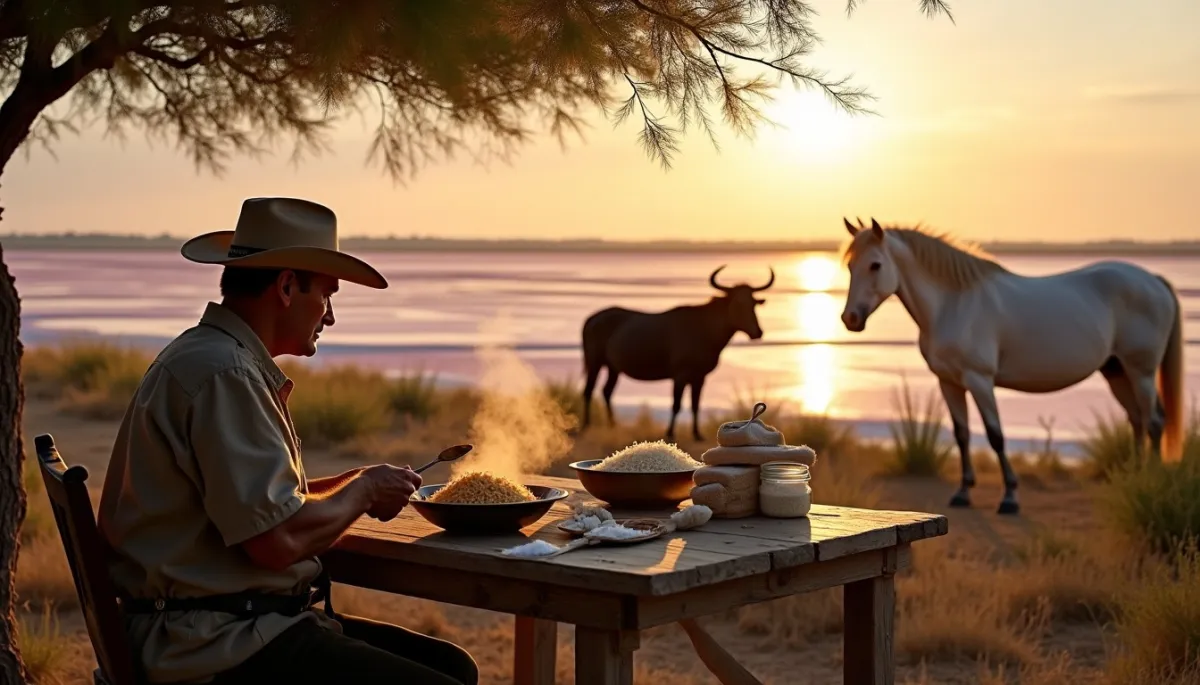
The manade, the traditional Camargue ranch, is the birthplace of legends. A manadier selects bulls for temperament and ancestry, and gives them names. Naming is an act of recognition that starts the biography of each animal, and it is how a bull becomes part of the human memory.
Historic festivals and arenas fix moments in time. Arènes of Arles or Saintes-Maries-de-la-Mer, during ferias and pilgrimages, have hosted performances where a biòu's daring or calm could not only win a contest but also craft a legend. These events tie the animal to a calendar and a place, making the memory durable.
Finally, human careers are woven with bovine careers. Raseteurs remember which bull made them; manadiers measure generations by bulls. The social web around the biòu is as important as the animal itself.
Contrastes et héritage
Legends carry contradictions. Camargue pride in the biòu coexists with debates about animal welfare. Course camarguaise is non-lethal, and devotees stress respect for the animal, yet the spectacle is physical and risky for humans and bulls alike.
Modern breeding aims to conserve the Camargue type while adapting to new regulations and audiences. Some manades keep meticulous genealogies, recording lineages to preserve traits like agility and temperament. Others adapt by promoting eco-tourism and educational visits, turning legends into living narratives for visitors.
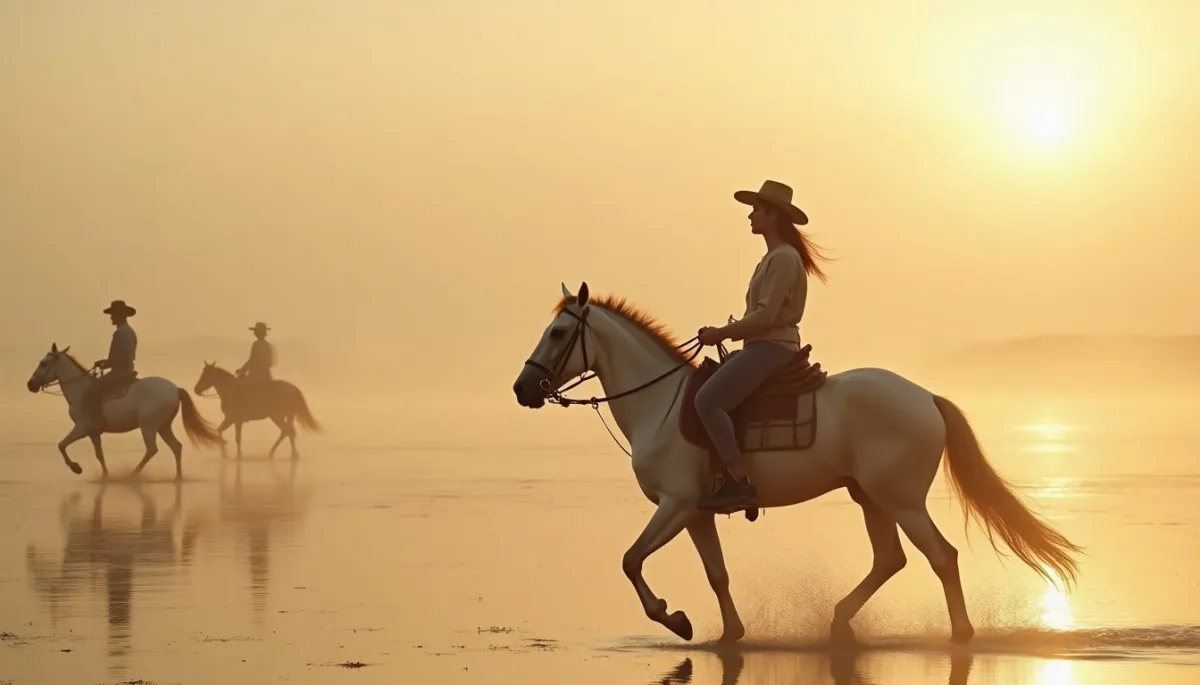
For the visitor who wants to connect to these stories, practical advice helps. Go early to a manade, join a guided visit, observe the gardians at work, and if you attend a course, learn the basic vocabulary: raseteur (the athlete), cocarde (the ribbon), abrivado (the run). Respect the rituals and listen to the old men in the stands; they are the oral archives of the biòu.
At a time when regions sell experiences, the Camargue offers an authenticity anchored by these bulls. The legends are not just nostalgia, they are a living way that people continue to know who they are, and how they relate to land and animal.