Living like a cowboy in the 21st century: Minimalism, freedom and a return to nature
Across wide skies and fenced plains, a new breed of cowboy chooses less, not more. They trade screens for saddles, and accumulation for space.
🚀 Key Takeaways
- Core concept : Modern cowboy life mixes minimalism with rooted outdoor skills.
- Practical tip : Start with essential gear, learn to ride and care for one horse.
- Did you know : Camargue gardians share techniques with American ranch hands, both valuing mobility and low-impact living.
Freedom smells like dust and salt.
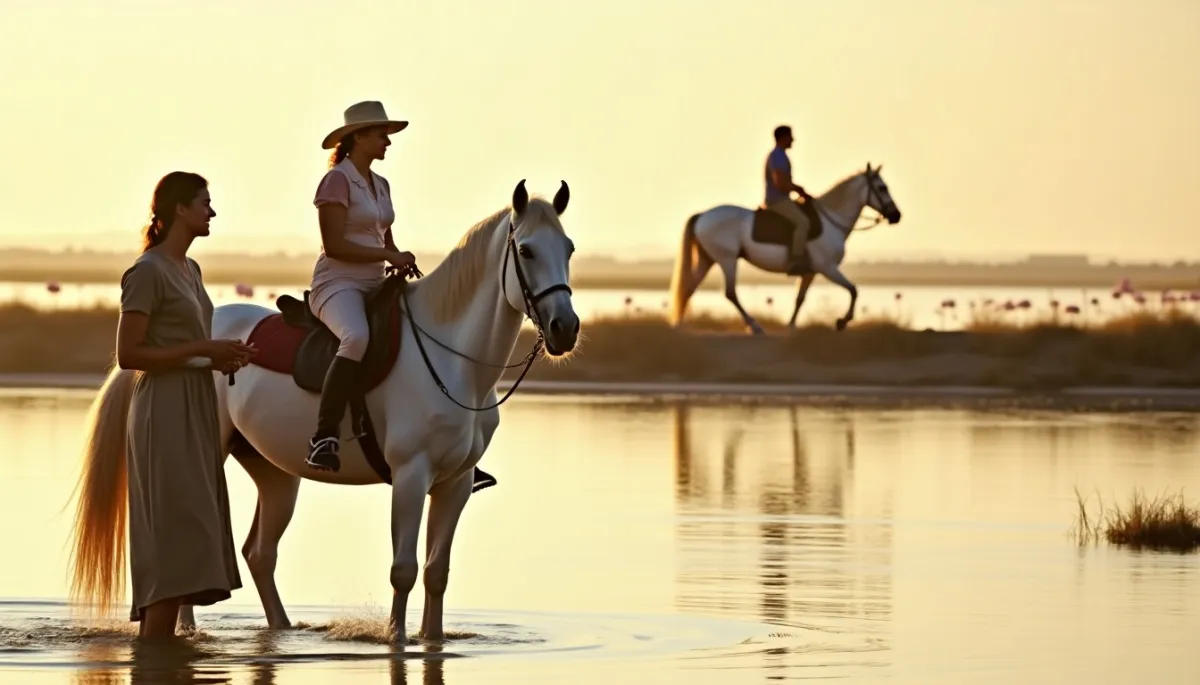
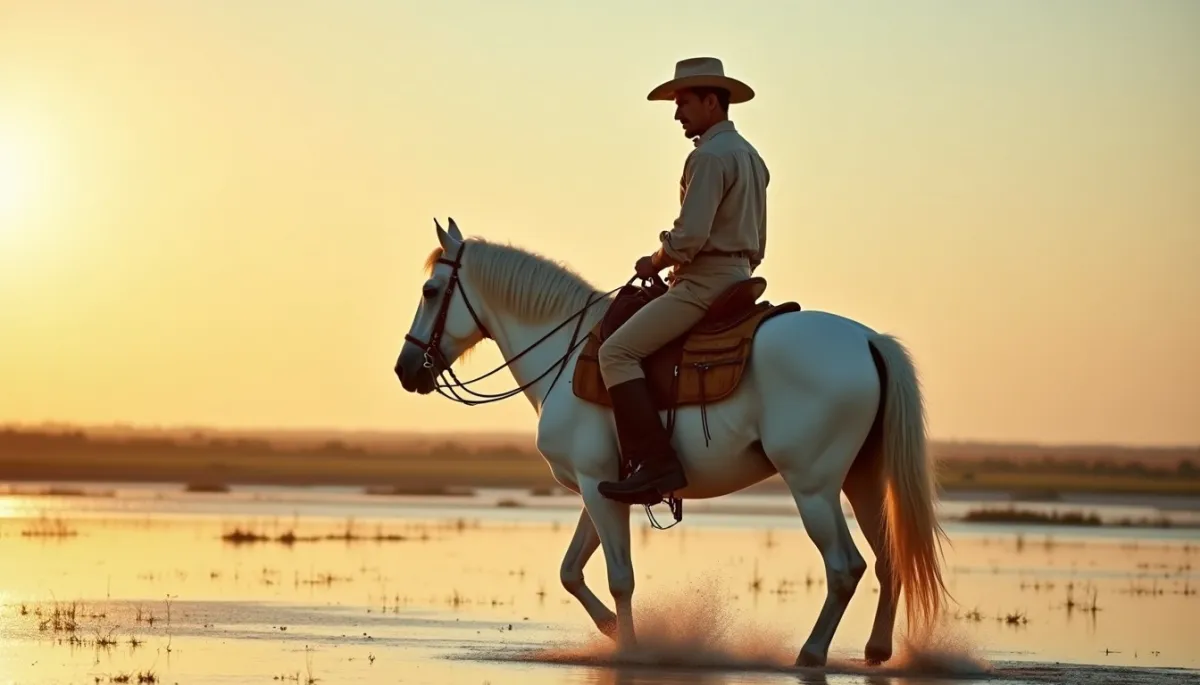
Imagine a sunrise over a tidal plain, a lone rider silhouetted on a white Camargue horse, the phone switched off in a saddlebag. In Montana or Texas, the scene is different in detail, but identical in spirit: someone tightening a cinch, checking fence lines, and listening to the land instead of notifications. This is the sensory beginning of contemporary cowboy living.
espace retrouvé
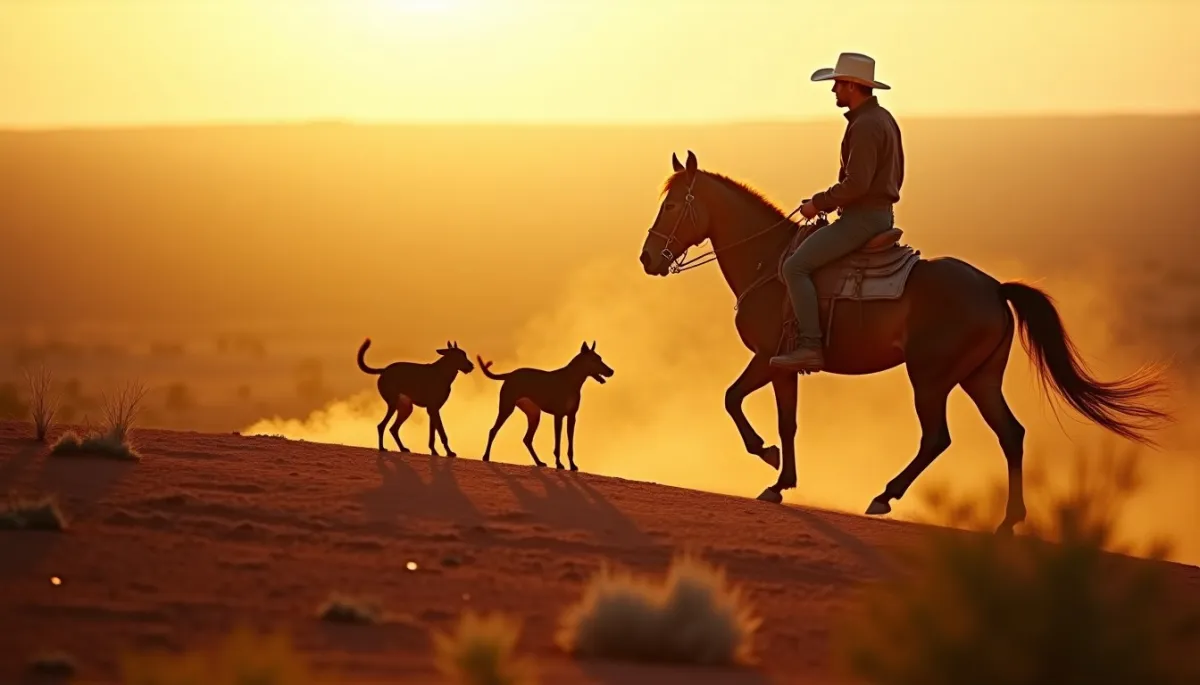
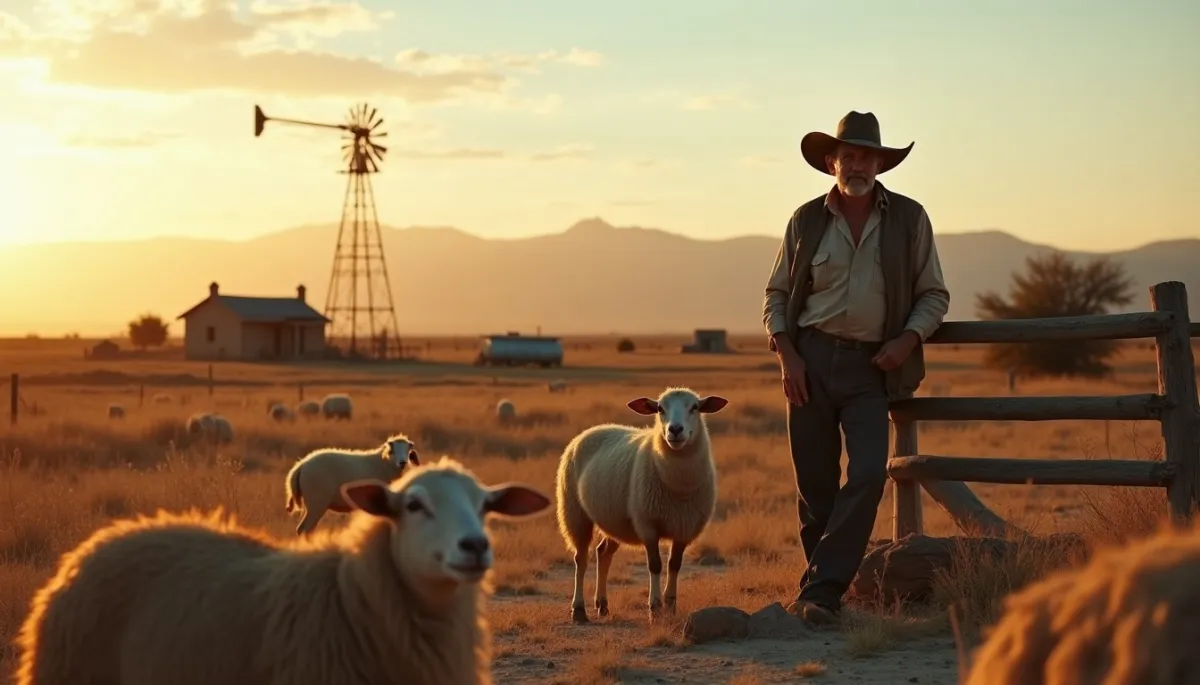
Today’s cowboys are diverse. They include multi-generational ranch families in Wyoming, young urbanites who sign up for seasonal work on dude ranches, and the gardians of the Camargue, mounted herders who drive bulls in abrivados during local festivals. The TV show "Yellowstone," launched in 2018, amplified the aesthetic, but real life remains less dramatic and more disciplined.
Historically, dude ranches appeared after the 1880s with the arrival of railroads, inviting Eastern tourists to experience ranch life. Contemporary equivalents are internships and work exchanges, through platforms like Workaway, where people learn riding, fence repair, and animal care.
Concrete examples matter. In 2019 a project in Montana offered young adults six-month apprenticeships teaching low-tech horsemanship and regenerative pasture management. In the Camargue, the manade tradition continues, with breeders known as gardians keeping the Camargue horse, a breed documented since at least the 19th century and integral to regional identity.
matériel essentiel
Minimalism here means choosing multifunctional, durable gear. A good saddle, a sturdy pair of boots, a wide-brim hat, a coiled lariat, and a compact first-aid kit often replace a closet full of trends. Learn the terms: a cinch secures the saddle, chaps protect legs, and a manège is a training ring for horses.
Skills outrank stuff. Basic veterinary knowledge, fence mending, and weather reading are practical assets. Many modern cowboys practice regenerative grazing, a method that improves soil health and reduces feed costs, linking ethical stewardship with frugality.
To start, downsize like this: keep one horse or collaborate in a shared herd, invest in a quality saddle that fits both you and the animal, and adopt routines that require few tools but yield high resilience.
choix et contradictions
Living close to the land does not mean renouncing technology. Solar panels, smartphones used offline for mapping, and GPS collars for cattle coexist with traditional skills. The contradiction is deliberate: technology supports independence when used as a tool, not as a constant distraction.
Economic realities complicate the romantic image. Land prices, insurance, and bureaucratic regulations make full autonomy difficult. Many modern cowboys combine remote work, seasonal ranching, and teaching clinics to make ends meet while preserving their chosen lifestyle.
The Camargue offers a useful parallel. Gardians operate within protected wetlands and tourism circuits. They preserve rituals, such as the abrivado and the ferrade (branding event), while adapting to environmental rules and visitor expectations. This balance of tradition and adaptation is informative for anyone aspiring to live like a cowboy today.
quelques conseils
Practical steps: start small, apprentice on a working ranch, and prioritize skills over gear. Learn to tack up in a weekend workshop, volunteer at an abrivado, and read classic manuals on horsemanship.
Community matters. Join local riding clubs, attend festivals, and seek mentors. The transmission of know-how, often oral and hands-on, remains the most reliable path to competence.
Finally, respect place and culture. Whether on the high plains or the Camargue marshes, living like a cowboy means committing to stewardship, humility, and a measured freedom that comes from dependence on horses, seasons, and one another.