Running a manade in the 21st century: tourism, ecology and tradition
In the Camargue, managing a manade today is an act of balancing. It mixes centuries-old equestrian knowledge, nature protection and the demands of visitors.
🚀 Key Takeaways
- Core concept : A manade is a semi-wild herd of Camargue cattle or horses, managed extensively on the marshes.
- Practical tip : Diversify income with responsible visits, educational rides, and local produce sales.
- Did you know : The regional park created in 1970 helped frame conservation and tourism rules.
Salt wind and hoofbeats.
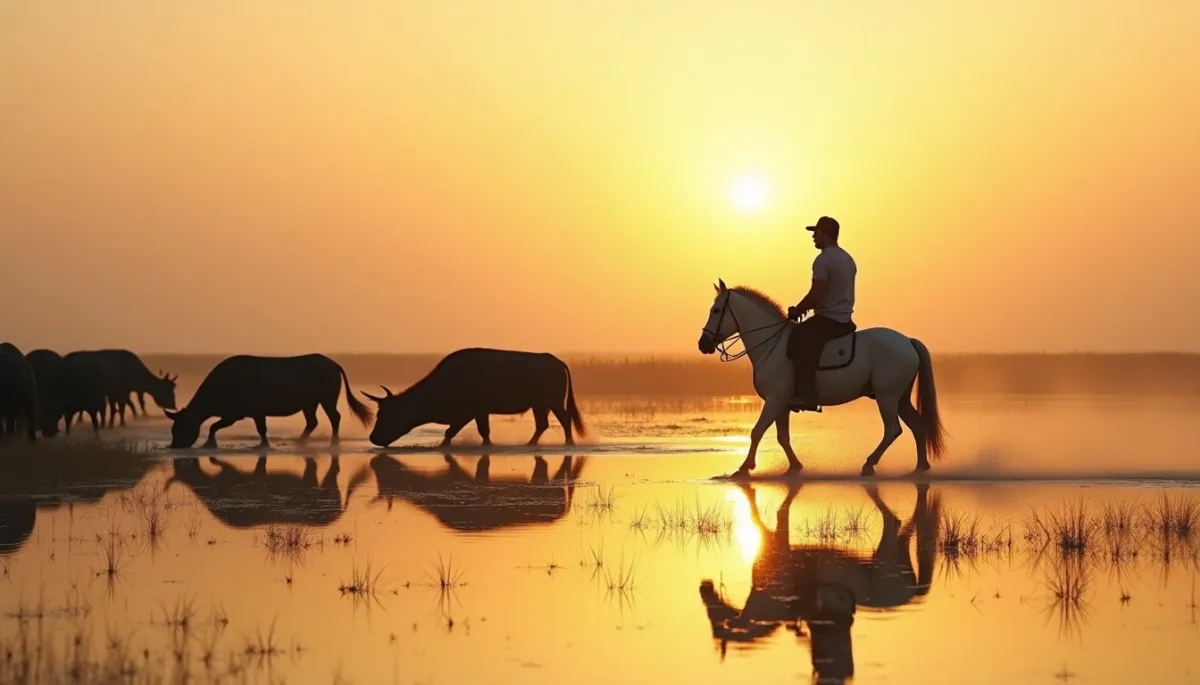
At dawn a gardian guides a small group across shallow water, white horses splashing, black bulls standing like weathered stones. Visitors hold their breath as the light turns the marsh into silver, and the manadier calculates grazing, breeding and the bookings for the weekend.
Troupeaux et tourisme
Tourism brings money and attention. Guided rides, manade visits and abrivados (traditional cattle runs) have become essential revenue streams for many families, especially since the late 20th century when car tourism expanded in Provence.
Opening the manade to the public requires rules: fixed circuits to avoid nesting birds, limits on visitor numbers, and clear briefings about safety near bulls. These measures maintain authenticity while protecting both people and animals.
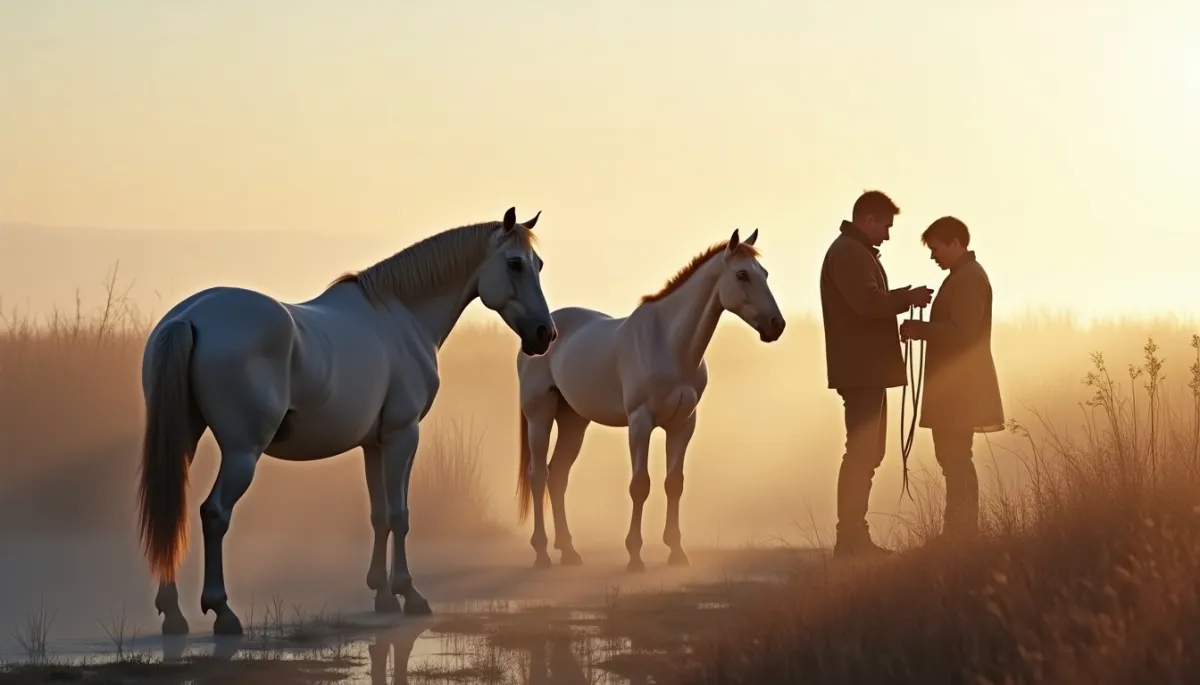
Successful manades combine spectacle and education. A visit can include explanations on traditional horse tack, the history of Folco de Baroncelli who championed Camargue identity in the early 1900s, and demonstrations of herding techniques.
Racines et raisons
The manade is more than livestock, it is cultural fabric. Gardians inherit skills transmitted on horseback, by voice and by example. Their work preserves the Camargue horse, one of France's oldest breeds, adapted to marshy ground.
Ecology is intrinsic to management. Extensive grazing maintains open habitats, preventing reed overgrowth and supporting birdlife. Since the creation of the Parc naturel régional de Camargue in 1970, manades have been part of a mosaic of protected wetlands and human uses.
Breeding choices reflect this balance. Manadiers select animals for hardiness, temperament and ability to thrive without intensive inputs, prioritizing resilience over maximum production.
Dilemme moderne
Yet tensions persist. Intensified land use, urban pressure near Arles and changes in water management challenge traditional grazing patterns. Climate variability alters pasture quality and timing of transhumance.
Economic pressure pushes some to enlarge herds or to convert pastures to rice or salt production. Others respond by innovating, creating organic labels, partnering with conservation NGOs, or offering immersive stays that pay for habitat stewardship.
For aspiring manadiers, practical advice is clear: document grazing areas, build a diversified business model, engage with local authorities and invest in knowledge transfer to younger riders. That way, the manade remains a living landscape, not a museum piece.