Marsh myths: the Vaccarès beast and fireside tales
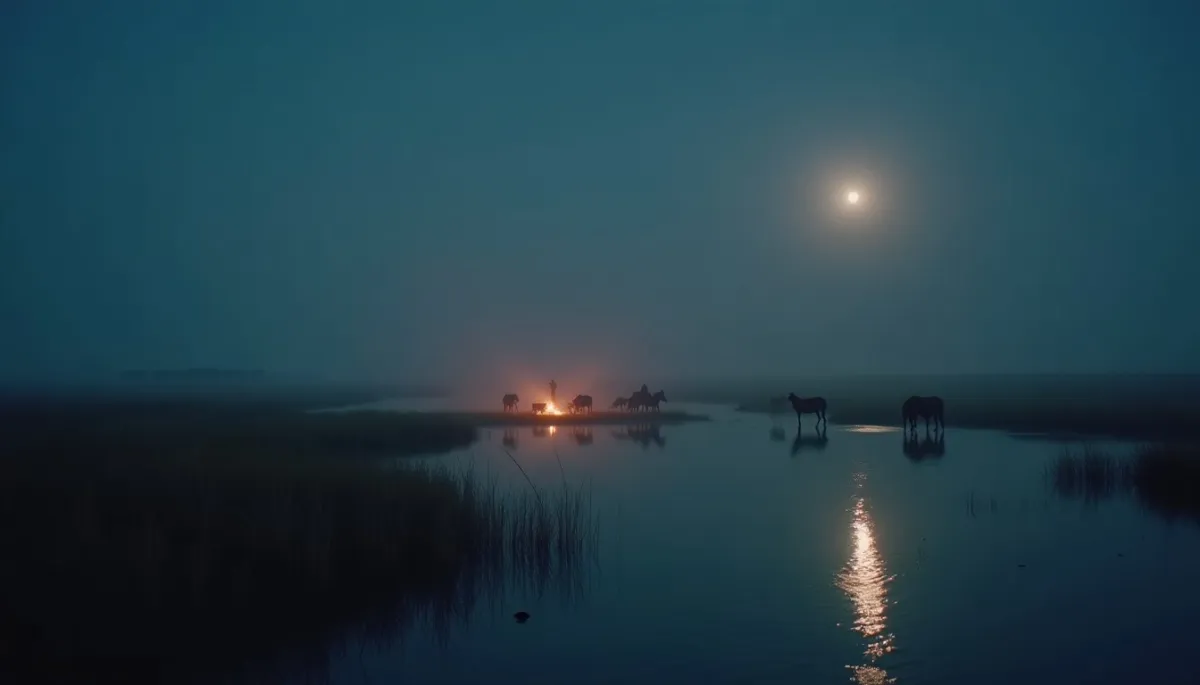
On the salt wind of the Camargue, stories cling to the reeds like gulls to the estuary. Around Vaccarès lagoon, the Bête du Vaccarès is still named by fishermen and gardians when night falls.
🚀 Key Takeaways
- Core concept : Local legends mix wildlife, memory and marsh phenomena.
- Practical tip : Visit at dusk with a local guide, respect protected zones.
- Did you know : The Camargue regional park was created in 1970, and Vaccarès is its heart.
Night falls and the reeds breathe. Imagine a circle of gardians around a fire, boots dusty from the manade, voices low and vivid.
au fil de l'eau
The Bête du Vaccarès appears in these narratives as a shadow that moves slower than a wolf, sometimes like a dog, sometimes like a buffalo. Reports, passed down orally by fishermen of the étang du Vaccarès and by gardians of nearby manades, often describe a large silhouette seen at dusk or by moonlight.
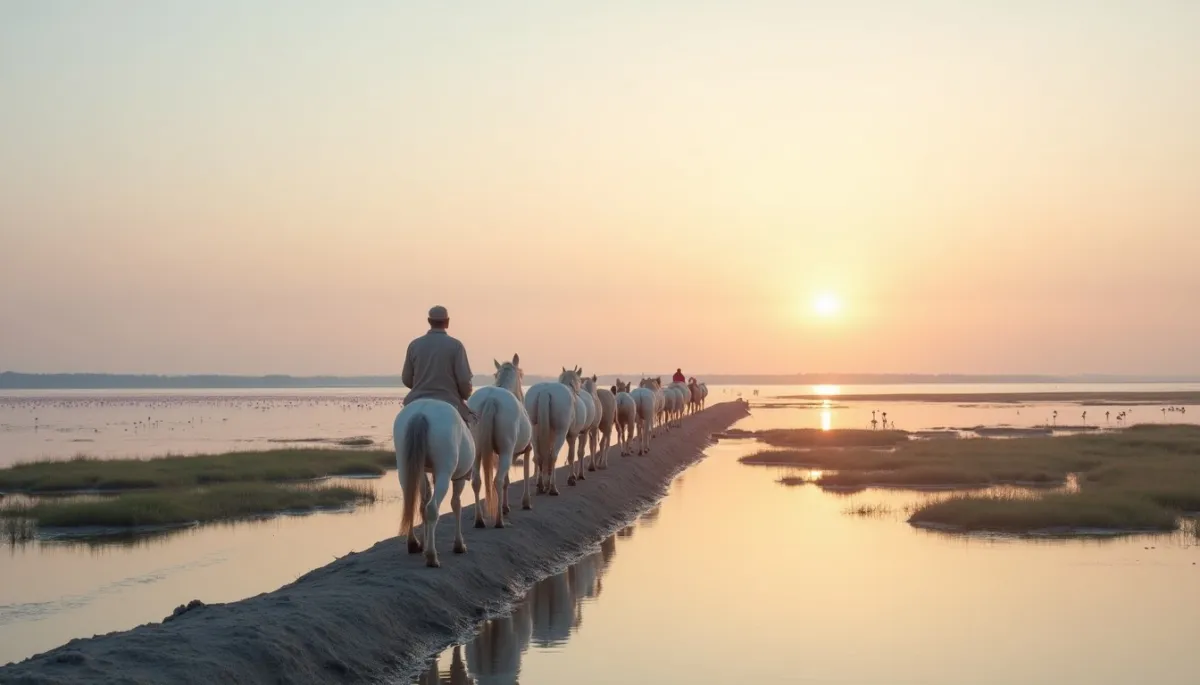
Vaccarès lagoon, at the heart of the Camargue delta between Arles and Saintes‑Maries‑de‑la‑Mer, is a vast shallow body of water that has fed imaginations for centuries. The Parc naturel régional de Camargue, created in 1970, formalized protections around this landscape, but it could not fence myths.
Anecdotes are many: a horse spooked in the 1930s near the Petite Rhône, a night fisherman in the 1950s who swore a creature walked on water, or gardians telling of dogs gone silent at the edge of the reeds. These tales anchor the beast in local time and place, they are as much about the people as about the marsh.
les racines
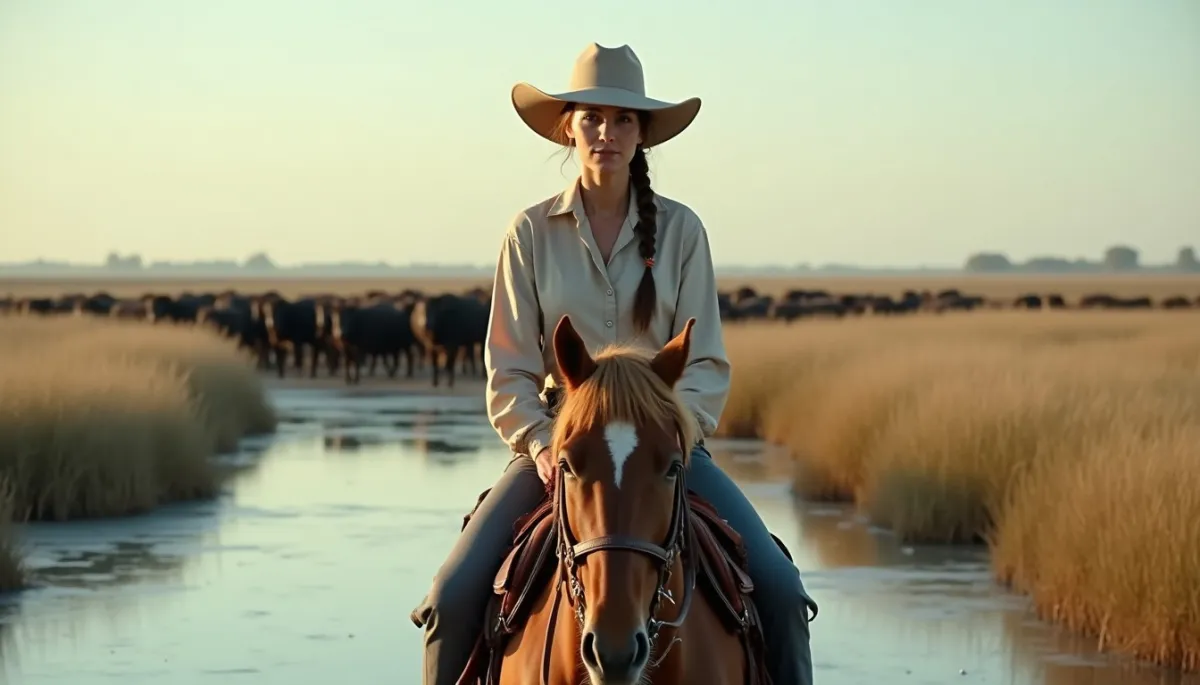
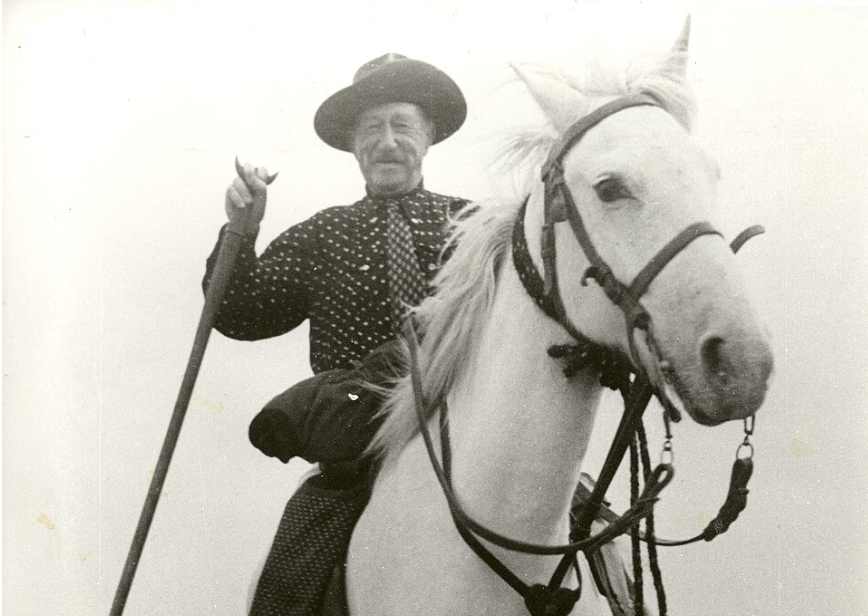
Why do such stories persist? The Camargue is a place where natural phenomena and human livelihood intersect. Gardians (the Camargue cowboys) and marsh fishermen have always read the land closely. Their stories are working knowledge and meaning-making: naming a danger, personifying the unknown, remembering a lost animal.
Historical context matters. For centuries the delta was sparsely populated, travel was by boat or horseback, and night journeys were risky. In a landscape of shifting channels, salt flats and reedbeds, a simple reflection, a floating log, or the silhouette of a bull in fog could become something more dramatic in oral retelling.
There are also concrete incidents that fed legends. In the 19th and 20th centuries, journalists and naturalists passing through the Camargue collected local reports, sometimes sensationalizing them. Photography and later radio amplified stories. The mix of real encounters with wildlife, like wild horses (camarguais) and bulls, and human misperception creates fertile ground for legend-making.
doutes et regards
Science offers partial answers. Nighttime misidentifications, refracted light on the water, echoes, and even swamp gases that produce strange glows (will-o'-wisps) explain many sightings. Biologists note that large mammals are uncommon in the lagoon itself; most animals are birds, fish, horses and bulls that graze the saline plains.
Yet rational explanations do not erase the charm or social function of the stories. They remain a cultural patrimony of the Camargue. Museums, local festivals and manades keep them alive. In Arles or at the Les Saintes performances, tales are reworked for new audiences.
Contradictions also exist between conservation and tourism. The Parc naturel protects sensitive habitats, which limits access for the curious. At the same time, visitors come seeking the thrill of a legend. The advice is simple: listen to stories by the fire, but visit the marsh with respect and a guide. Bring binoculars, avoid disturbing nesting birds, and prefer official hides or observatories like Ginès Pasteur observatory or the hides near Salin de Giraud.
au coin du feu
By the fire, the Bête du Vaccarès is more than a monster. It is a story-telling device that teaches caution, bonds communities, and preserves a sense of wonder. Gardians will wink: some beasts are real in the sense that they continue to matter.
If you want to hear the tales, seek a local manadier or a night‑time balade organized by the Parc. Ask about the provenance of a story: who saw what, on which year, and what weather conditions prevailed. That will teach you both the legend and the observational habits of the Camargue’s people.
Finally, respect. The marsh is alive and vulnerable. Stories flourish when the place itself survives. Keep that in mind when you listen, and you may hear the reeds whisper something new.