Mustang Makeover: saving wild horses through ethical training
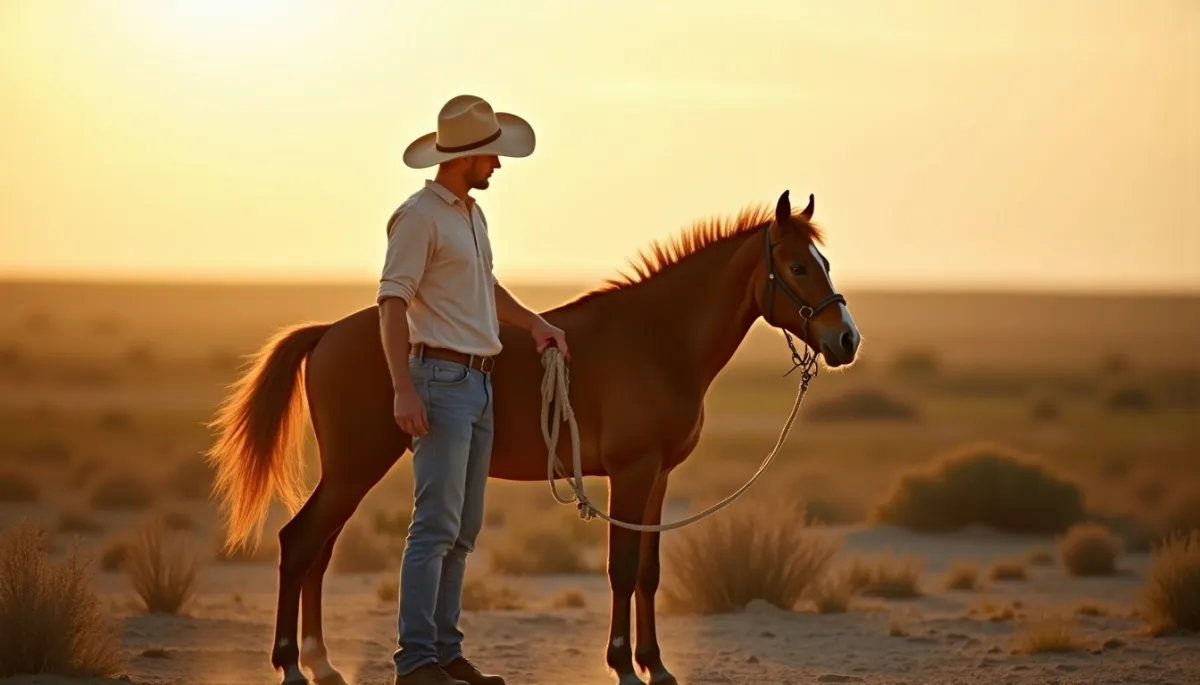
Every rescued mustang carries a story of survival and a chance for a new life. From Nevada corrals to community arenas, trainers use patience and ethical methods to turn feral energy into partnership.
🚀 Key Takeaways
- Key concept : The Mustang Makeover pairs a 100-day training window with public adoption to save and rehome feral horses.
- Practical tip : Favor groundwork and positive reinforcement; let the horse set the pace when building trust.
- Did you know : The program grew in the mid-2000s in partnership with the Bureau of Land Management (BLM), rooted in the 1971 Wild Free-Roaming Horses and Burros Act.
They arrive quiet, wary, and coated in dust.
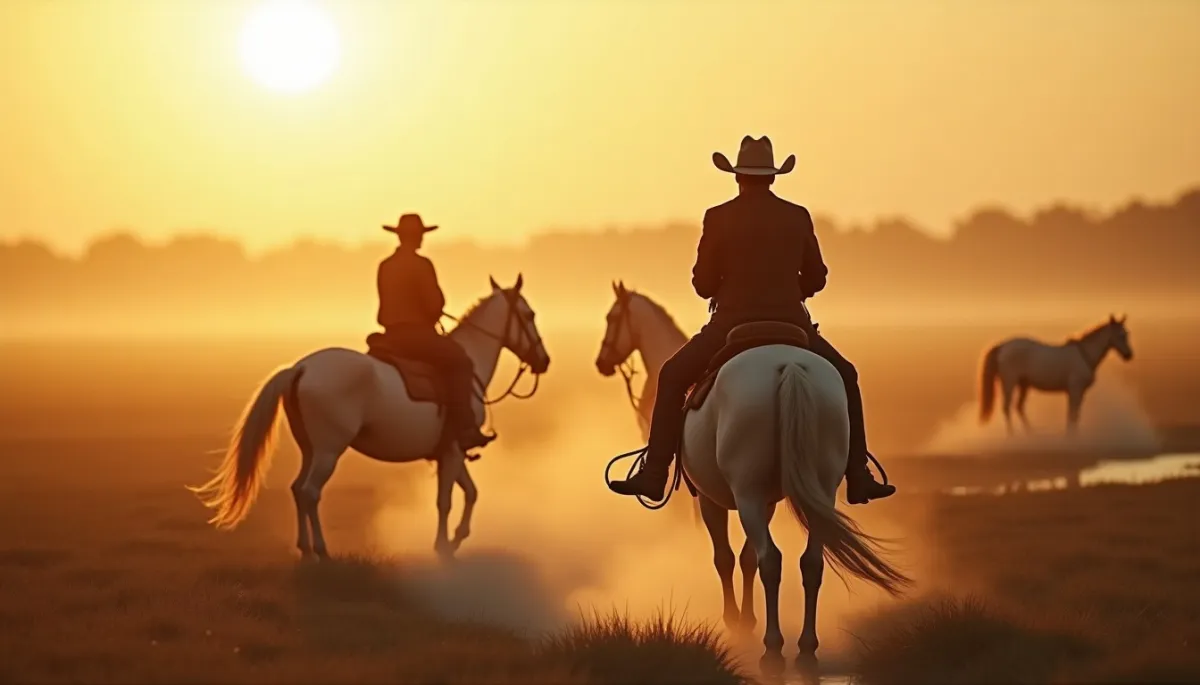
Picture a July morning at a BLM holding facility: a line of mustangs, ears pricked, nostrils flaring at the scent of strangers. Trainers walk in with simple gear, soft voices and a plan measured in small, repeatable steps. The landscape might be the sagebrush of Nevada or the saline plains of the Camargue in France; the language changes, the humane approach does not.
Sur le terrain
The Mustang Makeover concept (often referred to in the U.S. as the Extreme Mustang Makeover) asks trainers to adopt a feral horse from a BLM facility and give it 100 days of preparation for public competition and adoption. Events grew in prominence since the mid-2000s and now take place at fairs and equestrian centers across the U.S.
Practical outcomes are concrete: horses that once lived as free-roaming animals learn ground manners, desensitization to tack, and simple under-saddle work. The public auctions that follow aim to place them in private homes, schools, or therapeutic programs, producing immediate adoptions that reduce long-term holding costs.
These gatherings are also community theatre. Audiences watch transformations in real time, often cheering when a previously defensive mare accepts a saddle or stands quietly for grooming. That emotional payoff helps fundraise and raises awareness about the plight of unmanaged herds.
Racines et motivations
The origin of the movement is tied to two facts: federal law and excess population. The Wild Free-Roaming Horses and Burros Act of 1971 committed the U.S. to protect these animals, but over decades, limited rangeland resources and growing herd sizes forced the Bureau of Land Management to gather animals and place many in holding facilities.
Non-profits, trainers and policymakers responded with innovations. The Mustang Heritage Foundation, working with the BLM since the early 2000s, promoted the 100-day model to showcase gentling methods and stimulate adoptions. Trainers found in the format both a challenge and an ethical platform to demonstrate low-force approaches.
Anecdotes are plentiful. Monty Roberts, a prominent advocate of non-coercive horsemanship, helped bring attention to gentling methods starting in the 1990s, while countless local trainers—unknown to the wider world—have adopted mustangs and integrated them into ranch life, therapeutic programs, or equestrian schools.
Pratiques éthiques
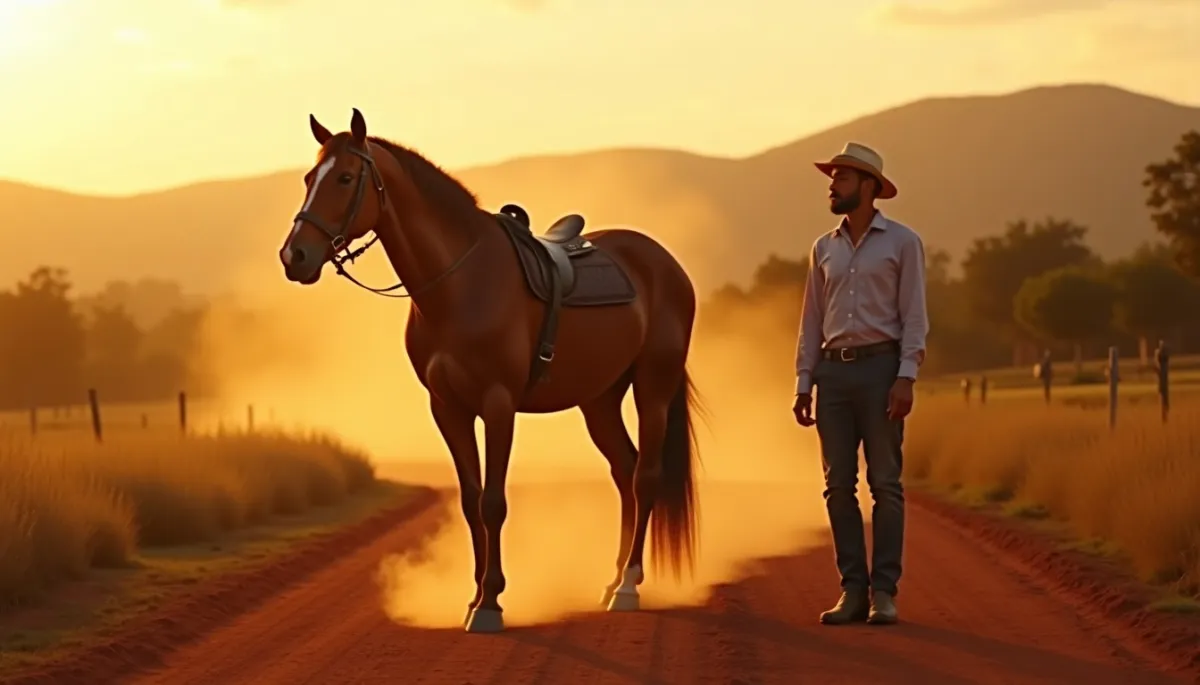
Ethical dressage here means prioritizing welfare over speed. Techniques revolve around groundwork (leading, yielding the hindquarters and shoulders), desensitization (gentle exposure to tarps, noises, and tack), and positive reinforcement (treats, scratches, voice praise). These tools reduce fear and build curiosity.
For a trainer, the first week is diagnostic: learn the horse's ‘buttons’, tolerances and triggers. A 100-day timeline is not a rush to break spirit, it is a framework for structured progress. Many successful trainers aim for incremental goals, not a dramatic makeover in a single week.
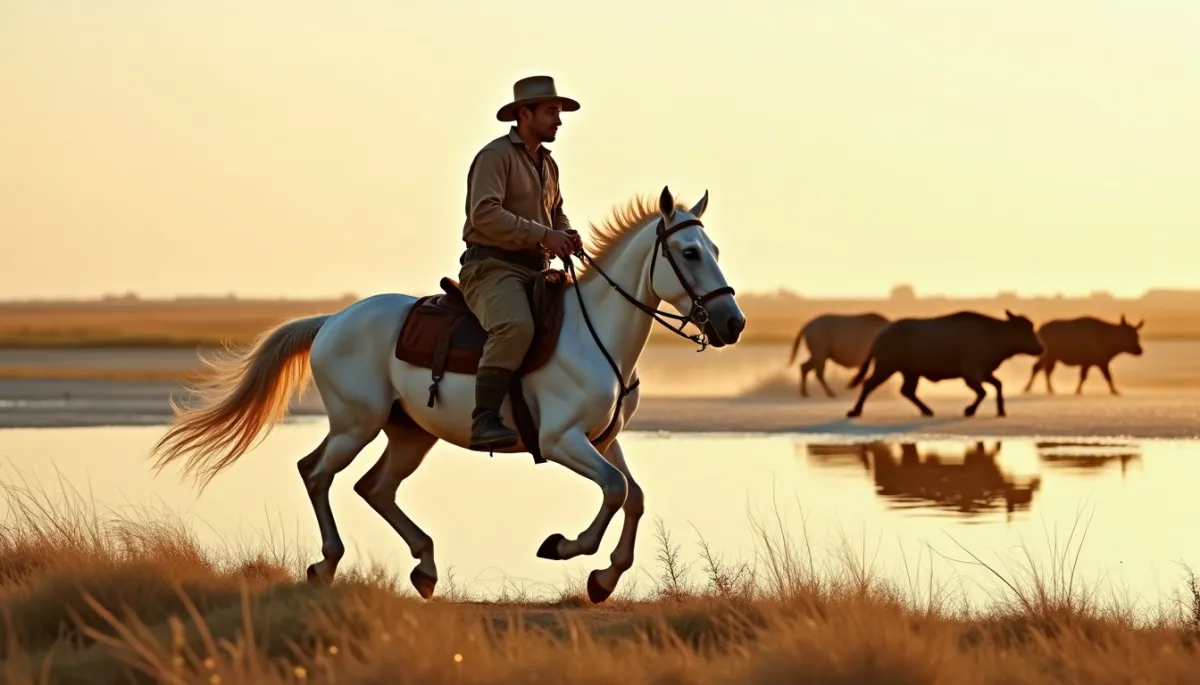
In the Camargue, gardians practice patient horsemanship with local white horses, the 'camarguais'. The parallel is instructive: both cultures value non-violence, an intimate knowledge of the landscape, and a respect for the animal's instincts. Translating those values to mustang work fosters humane outcomes.
Difficultés et débats
The system is not without critique. Some animal advocates argue that spectacle can overshadow long-term wellbeing, or that auctions expose horses to buyers with inadequate facilities. Others point to the reality of limited adoption capacity versus the number of animals in long-term holding.
Practical constraints include funding, logistics of transporting herds, and the emotional toll on trainers who bond then lose a horse to auction. Yet many trainers report satisfaction when a mustang becomes a safe mount for a child or a therapy client.
Solutions being tested combine stricter post-adoption follow-ups, buyer education, and local programs that replicate the Makeover model on a smaller scale—community-based gentling projects that keep travel low and local knowledge high.
Conseils pour s'engager
If you want to help: adopt through official BLM channels or support local adoption events. Volunteer at gentling clinics, donate tack and time, or sponsor a trainer. When watching events, look for programs that emphasize vet checks, microchipping and humane handling.
For riders, start with groundwork: learn to read body language, use consistent cues, and reward curiosity. Avoid force; the most resilient partnerships are born of confidence, not submission.
Le Mustang Makeover montre qu'une équitation respectueuse peut transformer la destinée d'animaux marqués par la survie. Entre Nevada et Camargue, la méthode reste la même: le temps, la patience et le respect.