Paint Horse: the blend of pinto coat and ranch performance
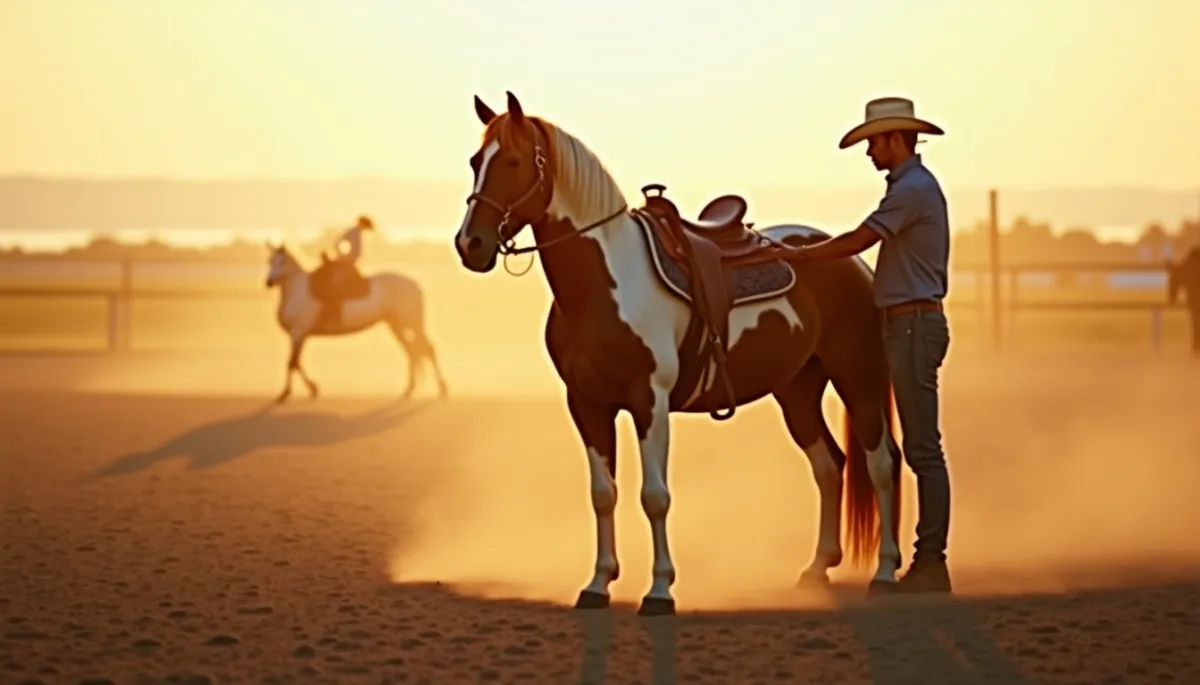
The Paint Horse pairs eye-catching pinto patterns with the grit of ranch stock. From the American plains to European shows, it proves that beauty and work go hand in hand.
🚀 Key Takeaways
- Core concept : A Paint mixes distinctive coat patterns with Quarter Horse and Thoroughbred performance traits.
- Practical tip : For ranch work, prioritise temperament, cow sense, and correct conformation over coat color alone.
- Did you know : The American Paint Horse Association was formed in 1965 to preserve both color and function.
It stops riders in their tracks.
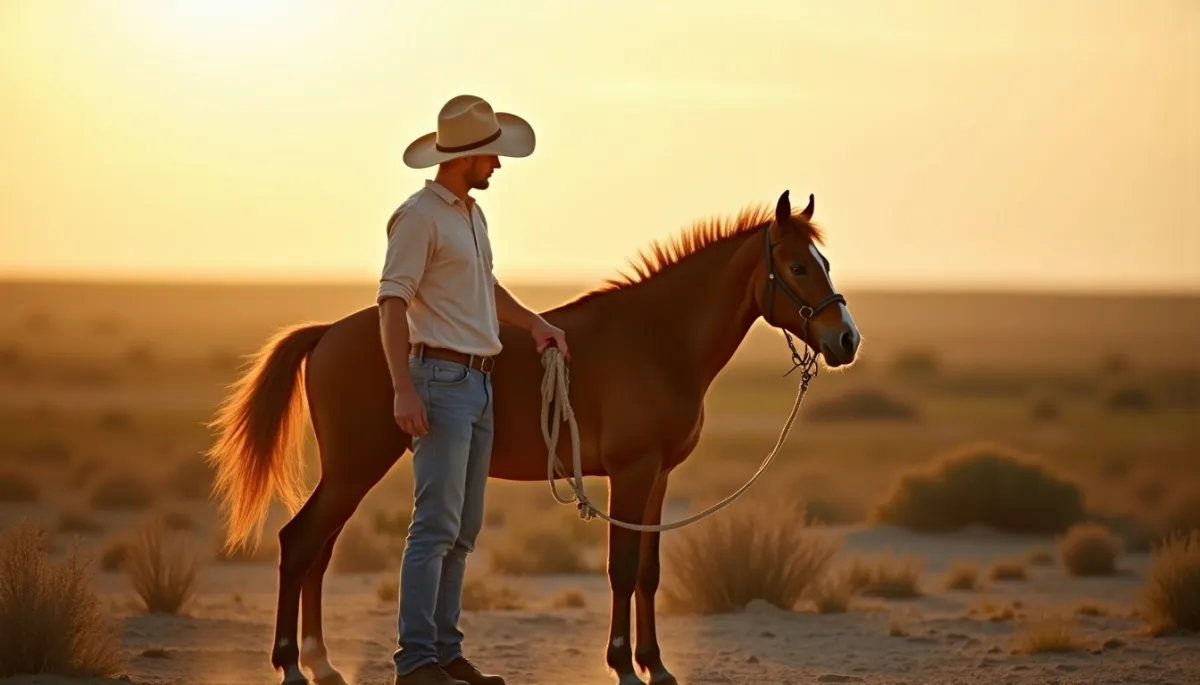
Imagine a dusty ranch lane at dawn in Texas, a chestnut-and-white Paint stepping out of the corral, ears forward, hooves throwing up powdered earth. A young cowboy slaps the saddle, the herd answers, and that piebald coat flashes as the horse pivots to gather cattle. You hear the creak of tack, the distant bell of a pickup, and you understand why the breed is loved: visual drama and practical muscle in the same animal.
Robe et fonction
The Paint Horse is first noticed for its coat, but the story runs deeper. Patterns commonly seen are tobiano, overo, and tovero, each with a distinct look. Tobiano displays white crossing the back, overo tends to have irregular patches, and tovero mixes both.
These patterns come from genes that control white spotting. Tobiano behaves dominantly, so a foal can inherit the look even if one parent carries the gene silently. Overo includes several mechanisms, like frame overo or splashed white, terms that describe how the white spreads.
Yet ranchers rarely buy a horse for color alone. Since the 19th century, stock horses in the American West combined Spanish colonial bloodlines with English Thoroughbred and native types, creating agile animals. By the mid-20th century owners, breeders and riders formalised the preference for horses that could both turn heads in a parade and work cattle at sunrise.
Héritage vivant
The American Paint Horse Association, established in 1965, helped standardise registration and promote both color and ability. The APHA allowed horses with Quarter Horse and Thoroughbred blood to be registered if they showed the necessary spotting, strengthening ranch-appropriate traits like cow sense and quick acceleration.
On famous ranches from Texas to Oklahoma, Paints proved themselves in reining, cutting, and working cow horse classes. In show arenas like the Fort Worth Stock Show, Paints compete side by side with Quarter Horses, often judged equally on performance and temperament.
Across the Atlantic, European breeders embraced the breed too. In France, Paints appear at events such as the Salon du Cheval and regional ferias, while in the Camargue a subtle cultural exchange exists: gardians prize stamina and calm, and they admire the Paint for its work ethic and adaptable nature.
Sur le terrain
Practical selection matters. For ranch duty, look at the horse's neck, shoulder angle, and hip for a balance of power and range of motion. A steady mind, proven on cattle or at least in exposure to sorting and penning, is non negotiable.
Training tips start simple: ground manners, desensitisation to flags and ropes, and incremental cattle exposure. Consider bloodlines: sires with reining or cutting records often pass on the quick stop and turn that ranch work demands.
Watch for health considerations. Some overo patterns can be associated with genetic conditions, so responsible breeders test for known mutations and provide clear pedigrees. In short, choose a Paint that pairs the desired coat with documented soundness and aptitude.
From the corral to the show ring, the Paint Horse embodies an alliance that began on working ranches and continues today. It proves that in the world of western horsemanship, style and substance can ride together.