Paniolos of Hawaii: the untold story of the Pacific cowboys
Hawaii's paniolos are a living bridge between Pacific islands and the vaquero traditions of the Americas. Their story rewrites the map of cowboy culture, from 18th-century cattle introductions to 20th-century rodeos.
🚀 Key Takeaways
- Core concept : Paniolos are Hawaiian cowboys, descendants of skills introduced by Mexican and Californian vaqueros in the 19th century.
- Practical tip : Visit Parker Ranch and attend a Waimea or Makawao rodeo to see authentic paniolo life.
- Did you know : The word paniolo likely comes from the Hawaiian pronunciation of "español".
Dust and sea wind. You hear hooves and a faint guitar, a sound that belongs simultaneously to California and to the middle of the Pacific.
Une scène vivante
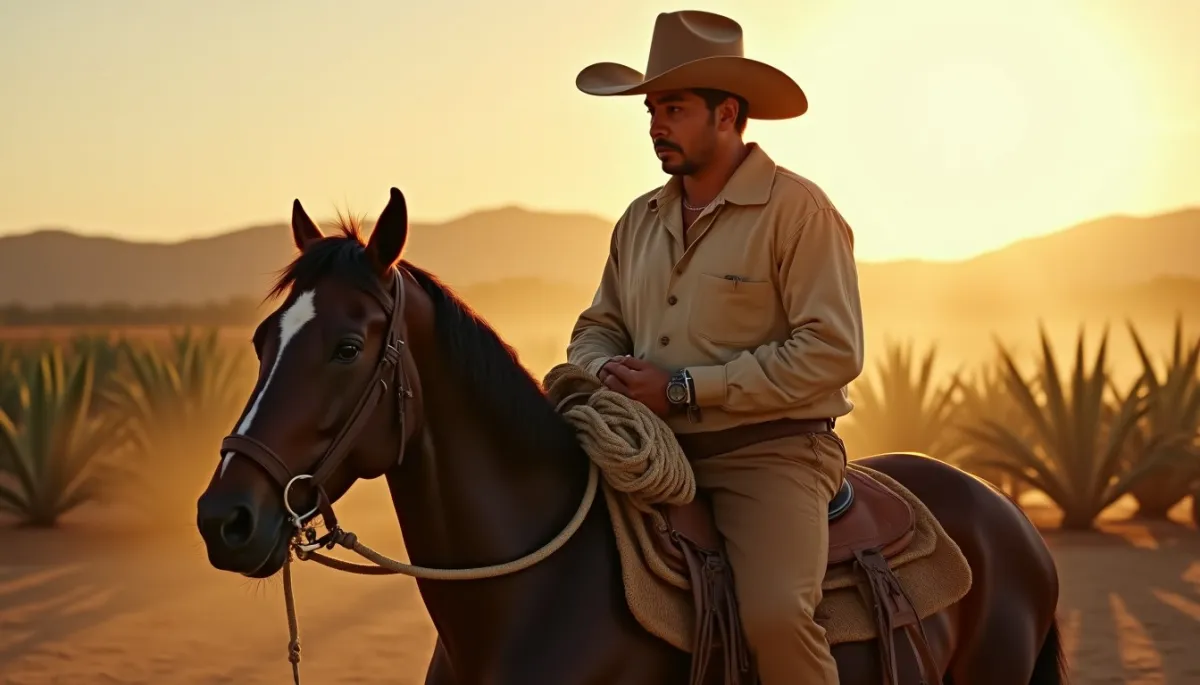
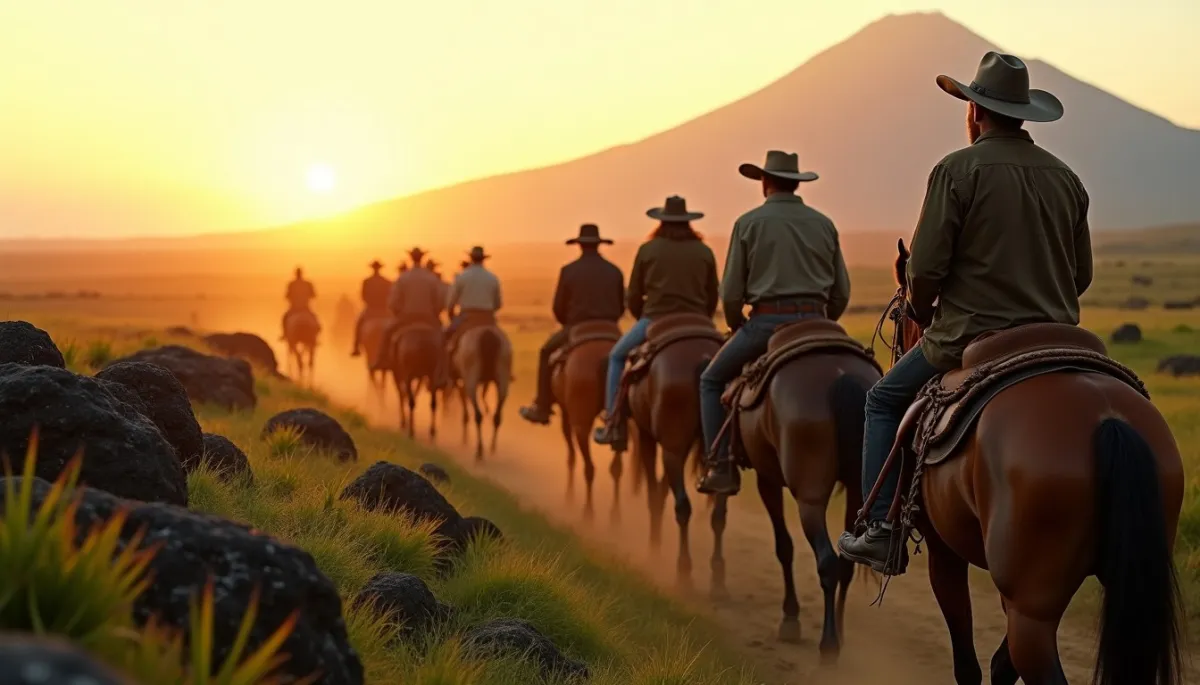
The sun climbs above Mauna Kea, and on the upland pastures of Waimea, a line of riders gathers. Leather creaks, hats tilt, and voices exchange quick Hawaiian words blended with English and Spanish names for ropes and cattle.
It is a scene unchanged in outline since the 19th century. Moving cattle across lava fields and wet grasses, paniolos rely on the same practical tools: a sturdy saddle, a long rope, and horsemanship adapted to island terrain.
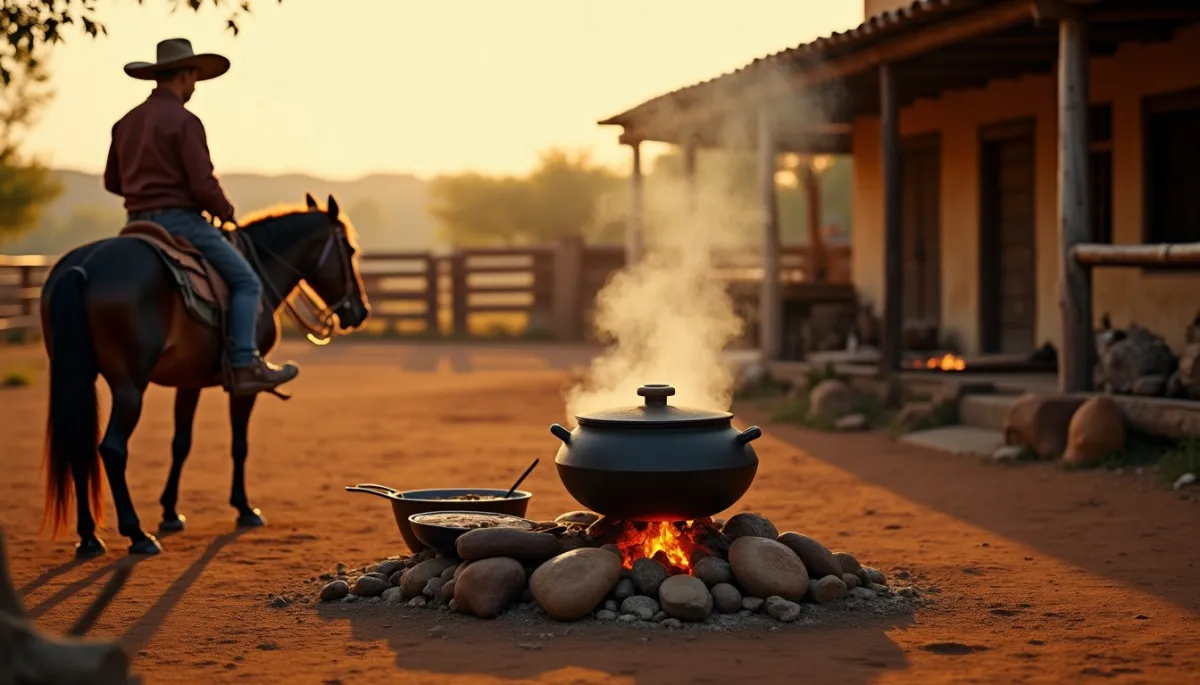
Close to town, Parker Ranch spreads like a small kingdom. Its corrals and stone walls tell of an intensive ranch economy that shaped Big Island society, and of families whose lives interweave with those of the horses and cattle.
Origine et racines
The origins are specific and surprising. In 1793 and 1794, Captain George Vancouver gifted cattle to Kamehameha I. Left to multiply, these animals became feral and abundant on the islands.
By the 1830s, Hawaiian chiefs faced a new problem, and a new opportunity. They invited experienced riders from California and Mexico, vaqueros who taught Hawaiians the techniques of roping, herding, and leatherwork. The Hawaiian adaptation of "español" produced the word paniolo.
In 1847, John Palmer Parker established what became Parker Ranch in Waimea, one of the largest ranches in the United States. Ranching grew into an economic pillar, and paniolos emerged as skilled, independent workers with a unique island identity.
Héritage vivant
Paniolos left an imprint on culture and music. Slack-key guitar and local ballads sometimes carry references to life on the range, while stories of notable riders passed from generation to generation. Figures like Ikua Purdy are remembered in local lore as champions who demonstrated paniolo skill on continental arenas in the early 20th century.
Rodeos and festivals sustain the tradition. Events in Waimea, and rodeos in Makawao on Maui, keep the craft visible to locals and visitors, with competitions in roping, bull riding, and horsemanship.
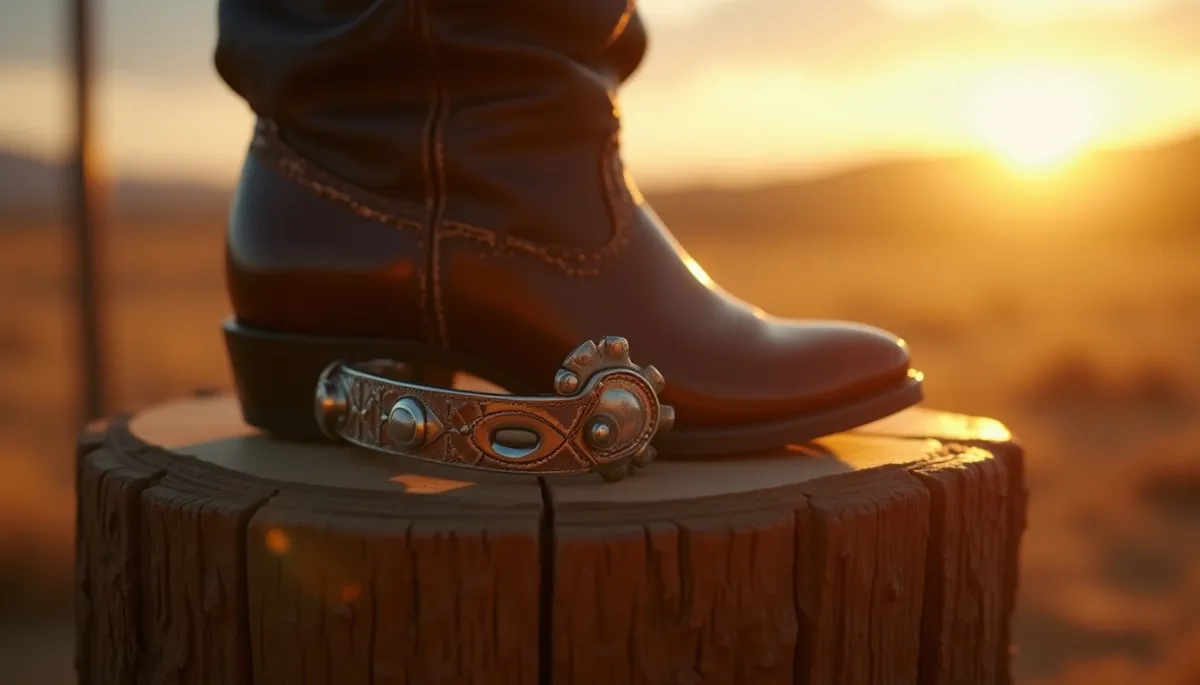
Material culture endured as well. Saddles, lariats (ropes), and clothing retain their vaquero lineage, yet craftsmanship evolved to meet volcanic ground and tropical climate, producing a distinct paniolo gear.
Pourquoi cela a-t-il compté
Ranching transformed Hawaiian economy and landscape. Beef, trade, and large-scale land use altered social structures, while paniolos occupied a liminal role between native Hawaiian communities and new colonial economies.
The exchange of skills was reciprocal. Hawaiians adapted vaquero techniques to local ecology, inventing grazing patterns and corralling methods suited to islands where lava and wet pasture alternate within the same day.
Over time, paniolo service and leadership became integrated into island life, with some families preserving archives, photographs, and oral histories that historians now use to map a neglected chapter of Pacific history.
Contrastes et défis
Yet the paniolo story is not a single romantic line. The rise of large agribusiness, urbanization, and tourism weakened traditional ranch economies. Land pressures and the decline of small-scale ranching threatened transmission of skills.
Modern paniolos balance heritage and economy. Many work in tourism, giving trail rides and demonstrations, while others keep living ranches, focusing on regenerative grazing or cultural education.
Preserving the tradition requires funding, interest from younger generations, and legal protection of grazing lands. Museums, cultural centers, and festivals play a central role in keeping the paniolo legacy alive.
Un pont avec la Camargue
The parallels with Camargue are striking. Both regions celebrate horse and cattle cultures, organize festivals that fuse work and ritual, and protect unique breeds adapted to local biotopes.
Like Camargue gardians, paniolos wear practical gear with symbolic value, and both traditions offer lessons on coexistence between human communities, livestock, and fragile ecosystems.
For the traveler, this makes Hawaii not only a beach destination, but a place where pastoral heritage is alive, and where one can witness a Pacific variety of cowboydom.
Conseils pour le visiteur
Plan your visit to Waimea on the Big Island to tour Parker Ranch and attend local rodeos. In Maui, check the Makawao rodeo calendar to experience upcountry paniolo culture.
Look for community-run cultural centers to hear oral histories and to discover paniolo songs and stories. Try local ranch coffee and ask riders about saddle-making to understand the craft.
Respect private ranch lands and ask permission before entering. Photography can be great, but the best stories come from conversation and time spent in the saddle.